REVIEW · GALLE
Udawalawa Safari Drive From Galle, Weligama, Mirissa & Dickwella
Book on Viator →Operated by Tuktukdude Leisure · Bookable on Viator
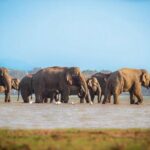
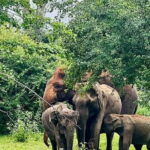
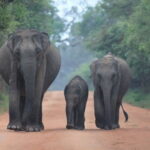
Elephants at first light set the tone. This Udawalawa safari drive leaves early, so you’re in position for the best chance at sightings, not just a long sit-in-a-jeep day. The park focus is elephants, but the day’s payoff can include reptiles, birds, and other local wildlife.
I love the open-concept safari jeep setup because you’re not trapped behind glass. I also like that an experienced trekker helps you reach the best viewing spots while you’re out there, plus you get a simple packed breakfast during the safari.
One thing to consider: the price is $80 per person, but national park entrance fees are not included. Also, a couple of detailed comments flagged that the guide may ask about tips, so it’s smart to think about that in advance.
In This Review
- Key highlights you’ll actually care about
- Udawalawa at 5 AM: catching the day’s best elephant window
- Hotel pickup from Galle to Tangalle: how the morning routing works
- Open-concept safari jeeps and how spotting actually happens
- What you might see: elephants, birds, reptiles, and other Sri Lankan wildlife
- Picnic breakfast during the safari: simple food, real time savings
- Price and value: $80 per person plus entrance fees and the tip question
- The trekker-led experience: why guidance changes your odds
- Who this Udawalawa safari drive suits best
- Should you book this Udawalawa safari from the south coast?
- FAQ
- What time does pickup start?
- How long is the safari drive?
- Is hotel pickup and drop-off included?
- Is the national park entrance fee included?
- What animals are you likely to see?
- What food is included?
- Is this tour private or shared?
- What kind of ticket do I receive?
- What is the cancellation policy?
Key highlights you’ll actually care about
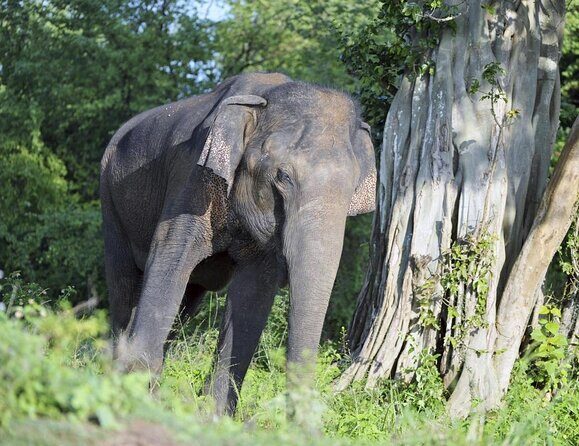
- 5 AM pickup from Galle, Weligama, Mirissa, Matara, Talalla, Dickwella, Tangalle, and suburbs to chase prime animal activity.
- Open-concept jeep for easier spotting and better photo angles.
- Elephant-first focus with a real chance at quick sightings once you enter the park.
- Packed picnic-style breakfast served during the safari so you don’t waste time stopping later.
- Private tour so it’s only your group (not a big mixed crowd day).
- Entrance fees extra, so you’ll want to budget beyond the $80 rate.
Udawalawa at 5 AM: catching the day’s best elephant window
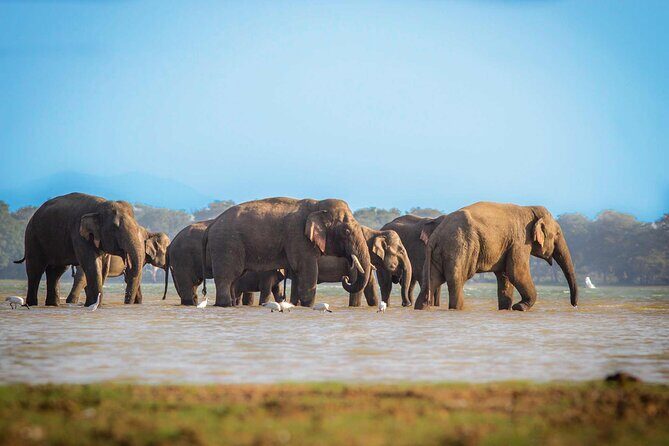
Starting around 5 AM isn’t just a schedule trick. In Udawalawa, the early hours help you move when animals are more active and the light is gentler for spotting and photos. It’s the difference between seeing wildlife and feeling like you’re hunting for it.
That early start also matters because the drive from the southern coast is long enough that you don’t want to waste daylight later. By leaving early, you get more time inside the park with fewer rushed moments. You’re basically buying yourself better odds.
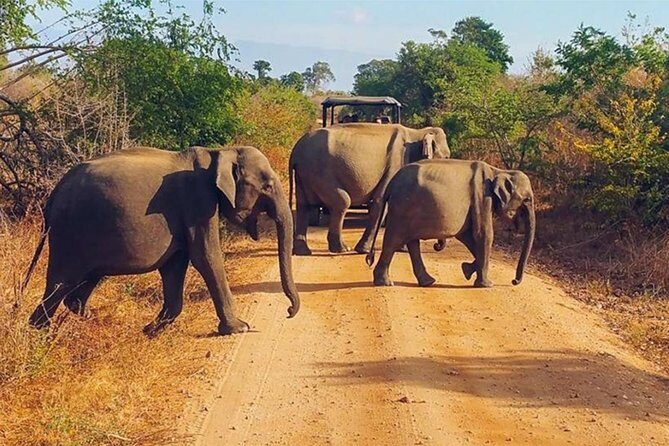
The safari is built around the main target: wild elephants. But the trip is also structured for variety. You’re not only waiting for one kind of animal—you’re watching for birds, mammals, and even reptiles that can show up when the habitat is calm and clear.
Other Galle tours we've reviewed in Galle

Hotel pickup from Galle to Tangalle: how the morning routing works
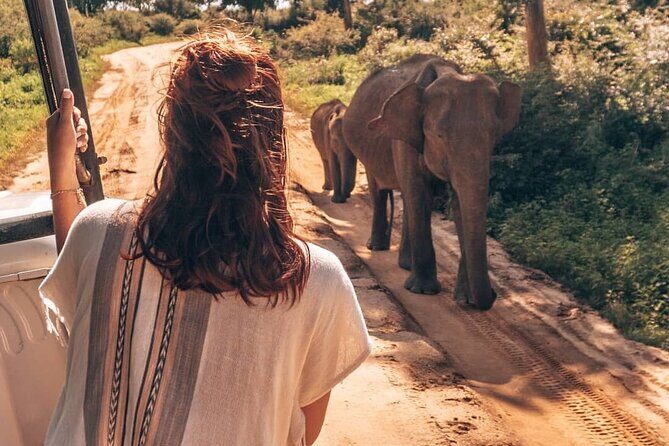
You’ll get hotel pickup and drop-off, with collection from Galle, Weligama, Mirissa, Matara, Talalla, Dickwella, Tangalle, and the surrounding areas. That’s a big deal because Udawalawa isn’t next door. You shouldn’t have to figure out transport at dawn.
The total time is about 8 hours (approx.), which makes this feel like a full morning outing. It’s long enough to be worthwhile, but short enough that you’re not completely cooked for the rest of the day.
Because it’s a private tour/activity (only your group), the pickup plan tends to be simpler than shared group shuttles. You’re not stacking multiple hotels into one complicated van puzzle. That said, you’ll still want to be ready early—when a 5 AM pickup is involved, there’s no “almost there” option.
Open-concept safari jeeps and how spotting actually happens
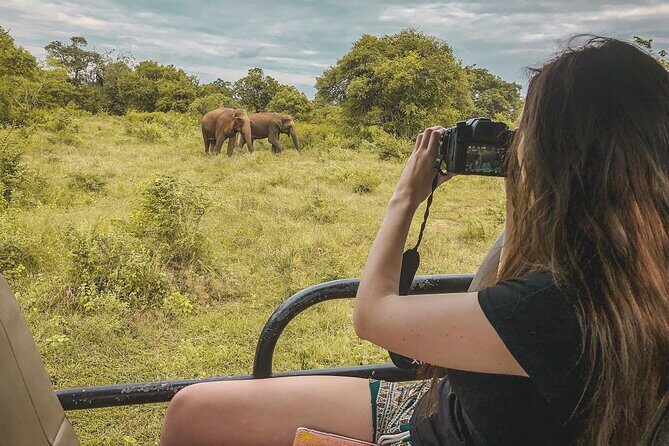
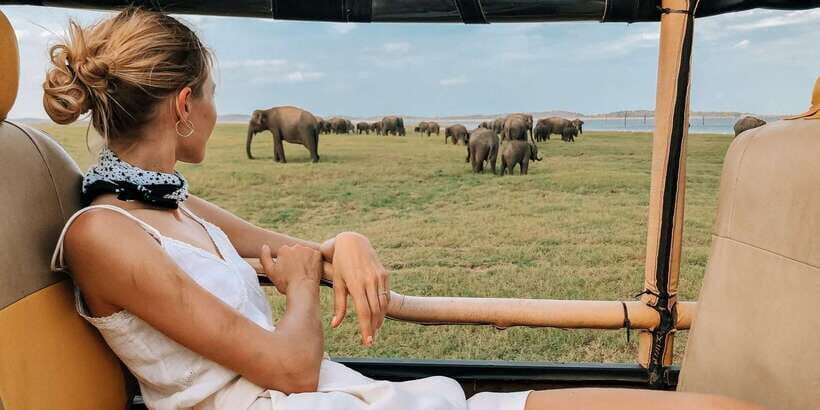
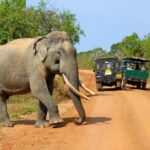
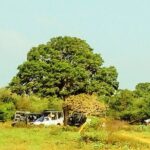
Once you arrive at the starting point of Udawalawa National Park, you switch into an open-concept safari jeep. Open means you can see more, hear more, and often photograph better. It also means you’ll feel the morning air and dirt more—pack accordingly if you’re picky about comfort.
The way spotting is handled is practical: an experienced trekker guides you to the spots where you can encounter wildlife. Instead of the jeep just driving loops, you’re guided toward areas with higher chances for activity—especially around elephants and water-adjacent zones where other animals may appear.
This style matters because Udawalawa can be wide and busy with movement. If you’re left with a self-drive mindset, you might miss small signs—tracks, calls, or distant shapes in scrub. A trekker’s job is to turn random looking into targeted looking.
One real-world detail to keep in your expectations: elephant sightings can be extremely fast when you enter and the animals are nearby. But wildlife timing is never guaranteed. Your best plan is to treat the morning as a hunt with strong odds, not a scheduled parade.
What you might see: elephants, birds, reptiles, and other Sri Lankan wildlife
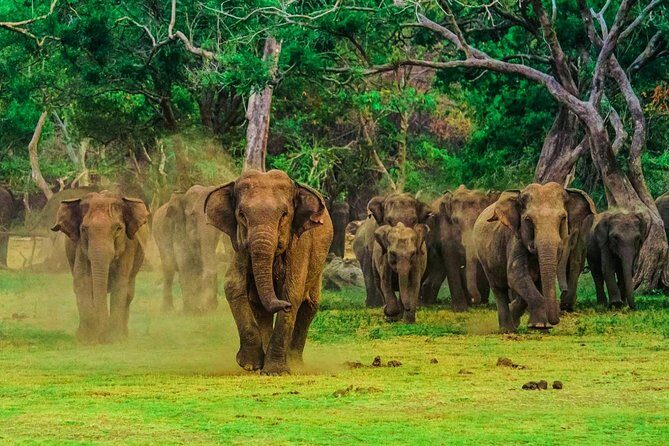
The whole experience is elephant-centered, and you should go in focused on watching behavior, not just counting sightings. When elephants are around, everything else changes: birds get vocal, other mammals move differently, and you can spot tracks and feeding patterns.
Beyond elephants, the day may include:
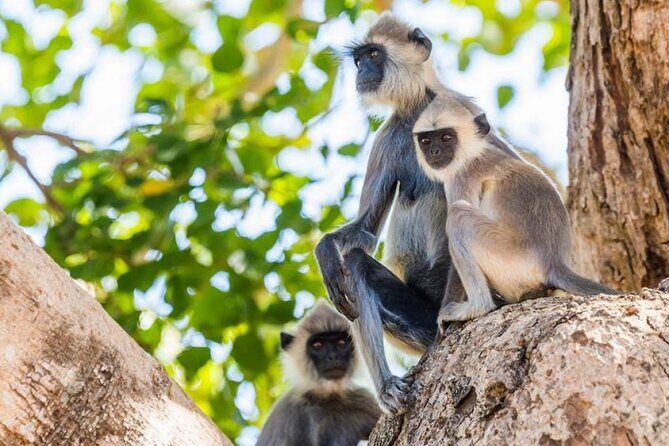
- Sri Lanka sambar deer, wild boar, and water buffalo
- Monkeys and a range of reptiles (including lizards)
- Crocodiles when conditions and visibility line up
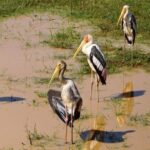
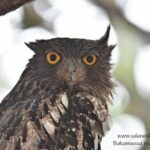
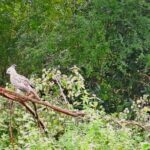
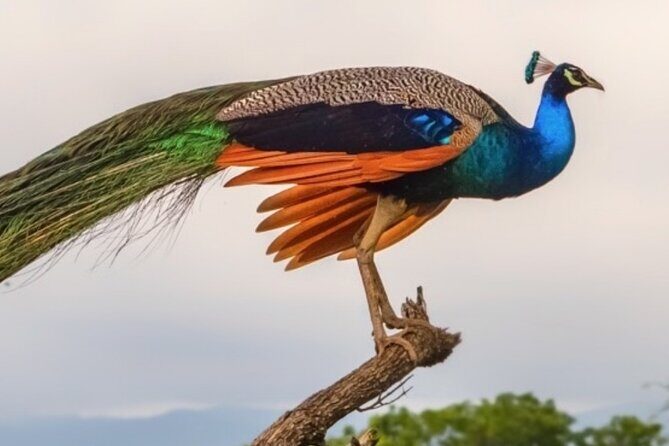
- Birds such as peacocks and eagles
That list is a clue about how the park’s ecosystem works. You’re not only scanning open grass; you’re also looking for edge habitat and waterline activity. That’s where “bonus sightings” tend to happen—things you didn’t plan to see, but that make the morning feel like more than just one big animal encounter.
If you’re into birding, this tour has potential. Peacocks and eagles are specifically mentioned, and bird activity often spikes when elephants move through. Expect to spend at least part of the safari scanning treelines and higher perches as much as searching the ground.
And yes, reptiles can be part of the picture. Even when you don’t see a crocodile, you can still keep an eye out for lizards and other movement that happens slower than mammals. The trekker’s spotting choices can help you focus on where reptiles may surface.
Picnic breakfast during the safari: simple food, real time savings
You’ll be served a packed morning breakfast during the experience—kept simple and local. The big advantage is timing. You don’t end up abandoning the safari for a long café break, and you don’t have to bring your entire breakfast logistics onto a long drive day.
Because it’s breakfast rather than a late buffet, plan for the fact that you’ll likely eat early and then stay in “watching mode.” That’s ideal for wildlife: less waiting around, more time in the jeep.
What I like about this setup is that it makes the experience feel continuous. You’re not turning the morning into a schedule of stops. You’re out there, you eat, you keep watching.
If you’re the kind of person who gets hungry quickly, bring small extras if you want them—but the included meal is meant to cover the basic fuel for the day’s first half.
Other Mirissa tours we've reviewed in Galle
Price and value: $80 per person plus entrance fees and the tip question
The advertised price is $80.00 per person, and the tour includes pickup/drop-off, a safari jeep with a trekker, and a packed breakfast. That’s the core value: transport + guided spotting + the animal-vehicle piece.
But two costs sit outside that sticker price:
- National park entrance fees are not included.
- Tips may come up during the day.
About entrance fees: you’ll want to budget for them on top of $80. That can turn the trip from “good deal” to “good day with extra add-ons,” depending on what you pay at the gate.
On the tip question, one drawback shows up clearly in people’s written comments: a few mentioned the guide asked about tips on multiple occasions. I can’t tell you what you personally should pay, but I can tell you how to plan. If you don’t want money to be discussed during the safari, decide your approach before you go. If you’re comfortable tipping, set a limit so it doesn’t turn into awkward math mid-ride.
So is it pricey? It can be, especially if you’re comparing only the headline rate. But when you factor in early pickup, private-group operation, and guided jeep time, the value becomes more reasonable. Still, entrance fees plus any optional spending can nudge the total upward—so budget like you’re buying a full-day guided outing, not a quick excursion.
The trekker-led experience: why guidance changes your odds
A lot of wildlife tours look similar on paper: jeep, park, hope. This one improves the “hope” part by having a trekker guide you to where you can encounter animals.
That’s not a fluffy promise. It affects where you look and how long you spend looking. When you’re inside a national park, time in the right spot can matter more than speed. A trekker’s role is to help you arrive where animals already are or where they tend to show up.
You also get a more educational feel. The safari’s animal list isn’t random; it’s geared toward what you might reasonably see in one morning: elephants and other mammals, plus bird and reptile chances. That structure helps you understand what you’re observing while you’re watching.
And because it’s private for your group, you’re more likely to get attention that fits your pace. If your group wants more bird focus, or you’re mostly there for elephant behavior, you can benefit from that flexibility—within the limits of what the park allows.
Who this Udawalawa safari drive suits best
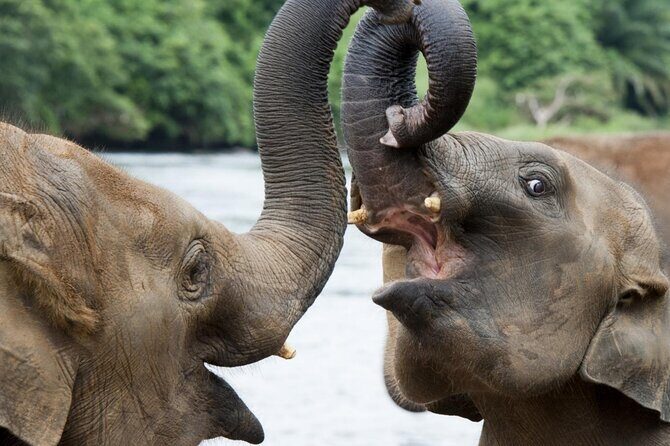
This works best if you’re starting from the south coast and you want a guided elephant morning without wrestling transport. If you’re based in Galle, Weligama, Mirissa, Matara, Talalla, Dickwella, or Tangalle, pickup convenience is a real advantage.
It’s also a strong fit for first-timers to Sri Lankan safari-style wildlife viewing. The day is designed to keep you moving and watching, with breakfast and guidance built in.
If you’re a hardcore wildlife photographer, the open jeep is useful, but consider comfort and early start fatigue. If you’re traveling with kids, it can still work well because the focus is clear: animals, jeep, breakfast, then back to your pickup point.
If you’re on an ultra-tight budget, this may feel heavy once you add entrance fees. And if you dislike any conversation about tips, go in with a plan—because some past comments pointed out that topic came up more than once.
Should you book this Udawalawa safari from the south coast?
I’d book it if you want a guided elephant-focused morning with hotel pickup and an open jeep, and you’re okay with paying extra for entrance fees. The timing is practical, the structure keeps the day efficient, and the guided trekker piece gives you a better shot at real sightings instead of just passing time.
I wouldn’t book it if you’re looking for a low-cost trip, or if you strongly prefer tours where tips are never discussed. In those cases, the total cost and the money conversation risk could sour the experience.
If you do book, go in with clear expectations: wildlife timing can change, but the early departure and guided spotting setup are meant to maximize your chance. Budget for park entrance fees, bring your morning patience, and be ready for those moments when an elephant appears close—fast enough to make you stop thinking and start watching.
FAQ
What time does pickup start?
Pickup is arranged early in the morning, around 5 AM, from areas including Galle, Weligama, Mirissa, Matara, Talalla, Dickwella, Tangalle, and nearby suburbs.
How long is the safari drive?
The duration is listed as 8 hours (approx.).
Is hotel pickup and drop-off included?
Yes. Hotel pickup/drop is included, and you’re returned to where you were picked up.
Is the national park entrance fee included?
No. National park entrance fees are not included.
What animals are you likely to see?
The experience focuses on wild elephants, with possible sightings of Sri Lanka sambar deer, wild boar, water buffalo, monkeys, crocodiles, and reptiles like lizards. Bird watching may include peacocks and eagles.
What food is included?
You get packed simple breakfast served during the safari (the listing also mentions breakfast or an evening snack as included, depending on the setup).
Is this tour private or shared?
It’s a private tour/activity. Only your group participates.
What kind of ticket do I receive?
You’ll receive a mobile ticket.
What is the cancellation policy?
The experience is non-refundable and cannot be changed for any reason. If it’s canceled because the minimum number of travelers isn’t met, you’ll be offered a different date/experience or a full refund.