REVIEW · ANURADHAPURA
Anuradhapura ancient city tour with Travandgo tours
Book on Viator →Operated by Ashan Sri Lanka Tours · Bookable on Viator
Stupas and stories, in one tight morning. This Anuradhapura ancient city tour with Travandgo tours is a well-paced run through the big-name Buddhist sights, using an air-conditioned vehicle and a private setup so you’re not sharing the day with random strangers. I especially liked the way the driver can stay flexible if you’ve already seen some temples, and I liked the extra care—like offering to take photos at the last stop. The only real drawback to plan around is that admissions are listed as not included for most stops, so your final spend will depend on what you choose to pay for.
What I love about this tour format is how the itinerary moves as a single circuit: you start at Isurumuniya, work your way through the Sacred Bodhi and major stupas, then end in the Abhayagiriya area with items tied to daily monastic life. Many stops are short, but each one has enough time to make sense of what you’re seeing instead of feeling rushed in every direction. If you’ve got a moderate fitness level, it’s a good fit—just be ready for walking around temple grounds.
At $25 for roughly 4 to 6 hours, the value is mostly in the ride and the comfort. Parking fees are included, and you’ll get a mobile ticket, but lunch isn’t, and the tour needs good weather to run smoothly.
In This Review
- Key things to know before you go
- A Value-Packed Anuradhapura Circuit for $25
- Your Morning Timing: 8:00 Start and a Realistic 4–6 Hours
- Isurumuniya Temple and Vessagiriya Ruins: Rock Temples Near Tissa Wewa
- The Sacred Bodhi Connection at Jaya Sri Maha Bodhi
- Mirisaveti Stupa: Dutugamunu’s Mahavihara Link
- Ruwanwelisaya: A Great Stupa With Relic Math
- Dagoba of Thuparama: Early Buddhist Stupa After Buddhism Arrived
- Abayagiriya Stupa: Valagamba Era and a Complex Split
- Moonstone (Sandakada Pahana): The Carved Doorway Symbol
- Samadhi Statue and Kuttam Pokuna: Daily Life in Stone and Water
- Why the Driver Matters Here (and It’s Not Just About Driving)
- Budget Check: Admissions and the Lunch Gap
- What I’d Pack and How You’ll Feel After
- Who This Tour Fits Best
- Should You Book This Anuradhapura Ancient City Tour?
- FAQ
- What time does the tour start?
- How long is the Anuradhapura ancient city tour?
- Is pickup included?
- What is included in the price?
- Are admission tickets included?
- Is lunch included?
- Is this tour private?
- When will I get confirmation after booking?
- What if the weather is bad?
- What is the cancellation window?
Key things to know before you go
- Private, pickup-based touring in an air-conditioned vehicle, with parking fees handled
- A site-hopping route across major Anuradhapura complexes in about half a day
- Two stops marked free: Vessagiriya Ruins and Mirisaveti Stupa
- Most admissions not included, so budget for tickets along the way
- Flexible guiding that can adjust if you’ve already visited some places
- Photo help at the end so you leave with something to remember
A Value-Packed Anuradhapura Circuit for $25
This is one of those tours that makes sense if you want structure without turning your day into a checklist drill. You pay a low base price, and you get the logistics taken care of: pickup is offered, you ride in a/c, and parking fees are included.
The trade-off is that the tour price doesn’t automatically cover every entry ticket. The itinerary clearly marks many stops as admission not included, so you’ll want to treat it like a guided circuit where you still pay for a handful of sites depending on what you’re willing to enter.
Other Anuradhapura tours we've reviewed in Anuradhapura

Your Morning Timing: 8:00 Start and a Realistic 4–6 Hours
The tour starts at 8:00 am, which is great in Sri Lanka when you want to see temples before the hottest part of the day. The day is designed for a total of roughly 4 to 6 hours, with short focused stops rather than long, slow museum-style time.
That matters because it shapes your experience. You’ll see a lot of sacred architecture—Isurumuniya, Bodhi associations, multiple dagobas/stupas, and the Abhayagiriya area—without spending half the day parked outside one monument.
Isurumuniya Temple and Vessagiriya Ruins: Rock Temples Near Tissa Wewa

You begin at Isurumuniya Temple, described as Isurumuniya Vihara, located near Tissa Wewa. The itinerary also notes a bit of temple geography: the original Isurumuniya Vihara is a few hundred meters away and is now called Vessagiri Vihara.
You’ll likely appreciate this context on-site because it explains why you may see names that sound similar but aren’t exactly the same. Time on this stop is about 30 minutes, which is enough to orient yourself and connect what you’re viewing to its place in the broader Anuradhapura layout.
From there, the tour moves to Vessagiriya Ruins (around 20 minutes), located a few hundred meters left of current Isurumuniya on the old Anuradhapura–Kurunegala road. This stop is set around three boulder formations spread across a larger area, and it’s marked with admission ticket free.
Practical tip: because this area includes rock formations and temple grounds, wear footwear that handles uneven surfaces. Your tour mentions a moderate fitness level, so comfortable shoes aren’t a luxury here.
The Sacred Bodhi Connection at Jaya Sri Maha Bodhi
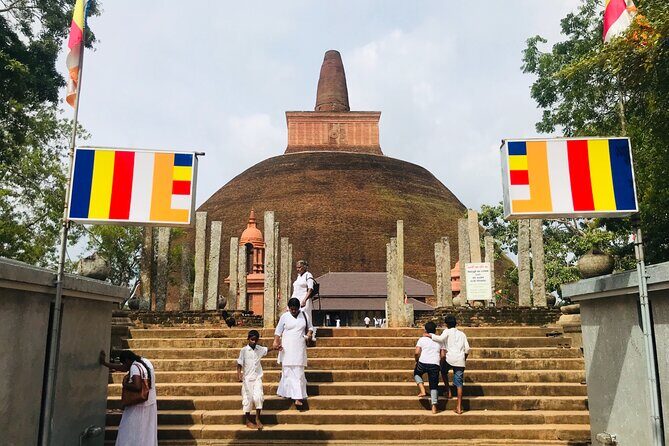
Next up is Jaya Sri Maha Bodhi, with about 20 minutes allocated. This stop isn’t only about the monument itself—it’s tied to a key moment in Buddhist history, when Buddhism was brought to Sri Lanka.
The itinerary highlights the story of Emperor Asoka sending his daughter Theri Sanghamitta to the island with a branch of the Sacred Bodhi from Bodh Gaya. Whether you know the story already or not, it gives you a framework for why this site is treated with such importance.
One consideration: this stop is marked as admission ticket not included. If you want the deeper inside experience, budget time and money for tickets here.
Mirisaveti Stupa: Dutugamunu’s Mahavihara Link
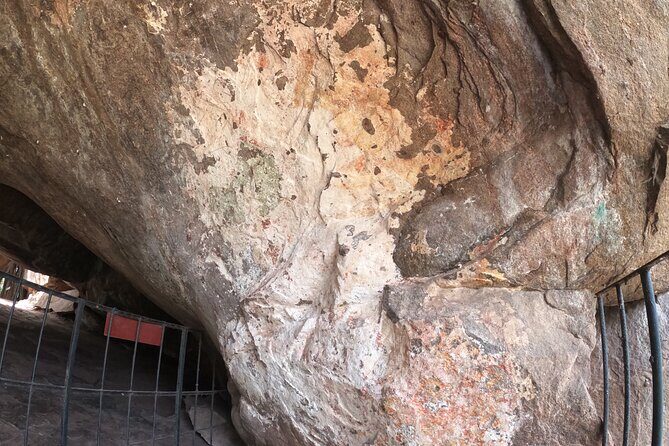
After Bodhi, you head to Mirisaveti Stupa, with about 15 minutes. This one is identified as Mirisawetiya Dagaba, built by King Dutugamunu (161–137 BC). The tour info also connects him to a long conflict story—he’s described as defeating Tamil invaders who ruled for 30 years and then bringing the island under his control.
Mirisaveti Stupa is noted as belonging to the Mahavihara Complex, which helps you understand why multiple sites feel related even when they’re different buildings. The itinerary marks this stop with admission ticket free, which is a nice win for keeping costs down.
If you prefer a steady pace, this is a good moment to slow down. Fifteen minutes is short, but it’s long enough to notice the stupa’s prominence in the surrounding sacred space.
Other city tours we've reviewed in Anuradhapura
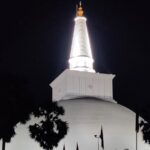
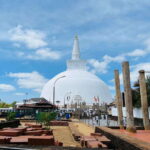
Ruwanwelisaya: A Great Stupa With Relic Math
Your next stop is Ruwanwelisaya (about 15 minutes). The itinerary describes it as Ruwanweli Maha Seya, also called the Mahathupa, and explains it as a hemispherical stupa containing relics.
The text notes “two quarts” or “one Dona” of the Buddha’s relics are enshrined in the stupa. That’s the kind of specific detail that turns a generic stupa photo into something with meaning.
This stop is marked as admission ticket not included, so plan for the possibility of adding tickets if you want full access. Even if you don’t pay, you’ll still get the atmosphere of a major Anuradhapura monument.
Dagoba of Thuparama: Early Buddhist Stupa After Buddhism Arrived
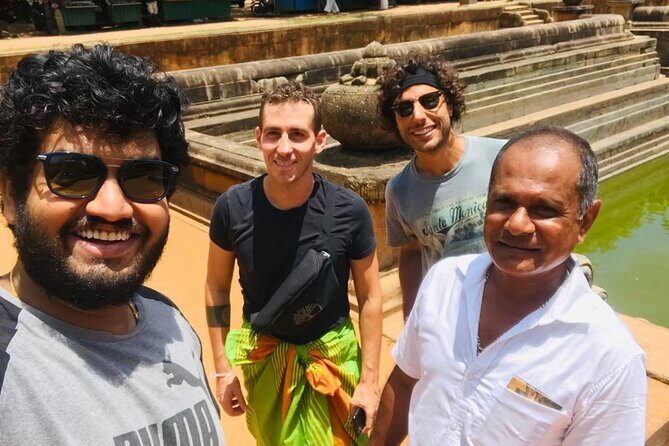
Next is the Dagoba of Thuparama, about 15 minutes. The itinerary calls it the first stupa built in the country after the introduction of Buddhism to Sri Lanka.
It also links it to King Devamnampiyatissa (250BC–210BC) and adds that the site was both a stupa and an Aramic complex (monastery). That detail matters because it helps you see these aren’t just tomb-like structures. They’re tied to monastic life and learning.
Again, admission is marked not included here. If you’re keeping a tight budget, this is one place to decide in advance what level of entry you want.
Abayagiriya Stupa: Valagamba Era and a Complex Split
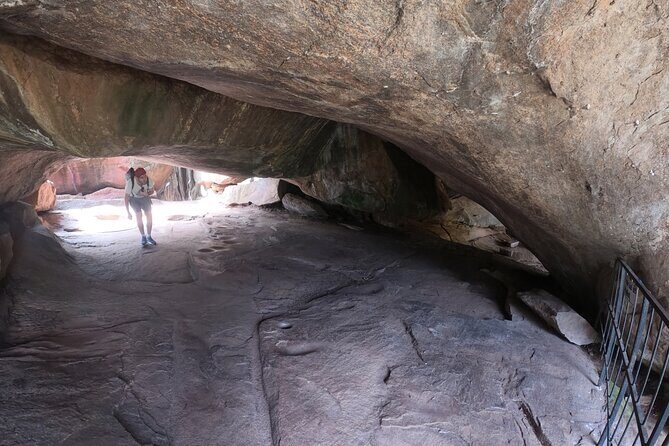
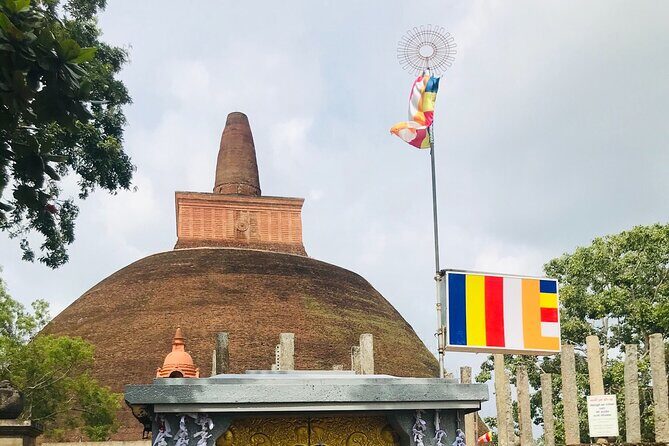
Now you reach Abayagiriya Stupa, also on an about 15-minute stop. The description ties it to the Abhayagiri monastic complex, built in the reign of King Vattagamini Abaya, also known as King Valagamba, in the 1st Century BC.
This section is valuable because it’s where Anuradhapura starts to feel like more than a set of monuments. The itinerary later adds a key twist: a disagreement between monks of the Maha Vihara Monastery and the Abhayagiri Monastery about a doctrine called Vetulya, with King Gothabhaya siding with Maha Vihara.
Even if that sounds like classroom material, it explains why different complexes can coexist and still feel separate in your walk around town. You’re not only seeing buildings—you’re seeing outcomes of belief and political support.
Admission at this stop is also marked not included.
Moonstone (Sandakada Pahana): The Carved Doorway Symbol
After Abhayagiriya, you’ll pause at the Moonstone, also called Sandakada pahana, about 10 minutes. The itinerary notes that no monument has been clearly discovered that belongs to the period before Arahath Mahinda’s visit to the island in the 3rd century BC.
But it also says chronicles record an earliest form of Buddhist architecture in Sri Lanka was linked to the Mahiyang area (as noted in the text you provided). The point for you: this stop helps connect the architecture to the recorded timeline, even when archaeology is still catching up.
This is marked as admission ticket not included, and it’s a shorter stop. Don’t rush past it; even in ten minutes, you can usually understand why moonstones became iconic—because they’re carved and placed to guide your eye as you approach.
Samadhi Statue and Kuttam Pokuna: Daily Life in Stone and Water
The tour continues to Samadhi Statue, placed between the gigantic Abhayagiriya Stupa and the Kuttam Pokuna (Twin Ponds). Time here is about 15 minutes, and the itinerary calls it one of the greatest works of sculptural art of the early period of Anuradhapura.
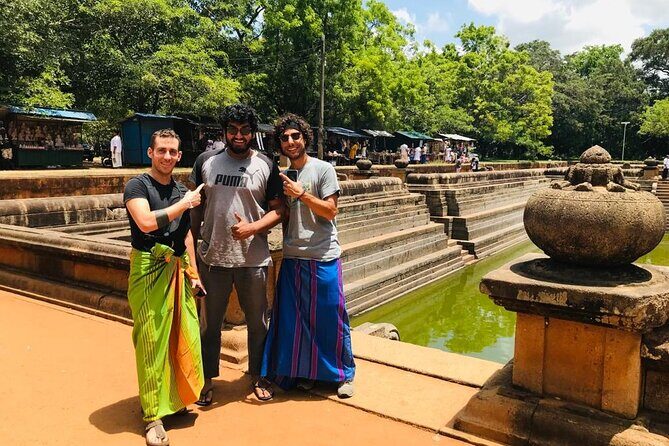
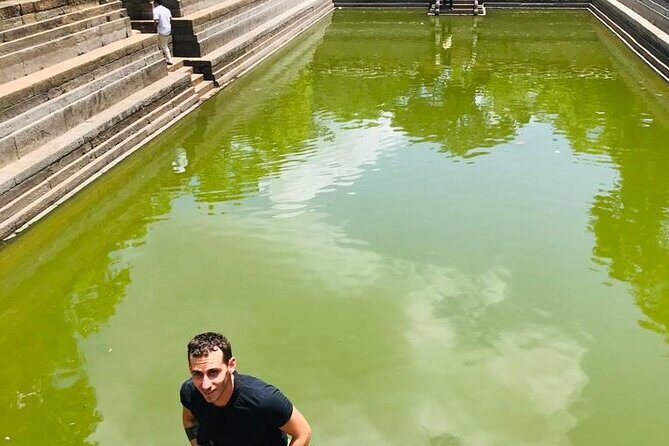
Then you move to Twin Baths (Kuttam Pokuna) for about 10 minutes. This stop is described as a hydrologic engineering marvel of ancient Sri Lanka, with two ponds likely used by monks for bathing.
This is one of the most “you can feel it” parts of the route. Stupas are the headline, sure. But a water system used for everyday ritual life hits differently because it makes the site feel lived-in, not only sacred.
Admission at both Samadhi Statue and Twin Baths is marked not included in the itinerary.
Why the Driver Matters Here (and It’s Not Just About Driving)
The best part of this tour is the service style. The reviews you shared highlight an extremely pleasant tour and a great driver, with one detail that really stands out for practical travelers: if you’ve already visited most temples on your own the previous day, the driver can be flexible and substitute lesser-known sites.
That’s smart because it saves you from the dreaded feeling of paying for repeats. It also means you can keep the day fresh, even if Anuradhapura temples are already familiar.
Another service detail from the review: the driver offered to take photos at the last site and send them along. That’s a small thing, but it solves a real problem—temple crowds, awkward angles, and your phone suddenly dying at the worst moment.
Budget Check: Admissions and the Lunch Gap
Let’s do the dollars honestly. The tour costs $25, and it includes air-conditioned vehicle and parking fees. It also includes pickup and a mobile ticket.
But lunch is not included, and admissions are listed as not included for most stops (with Vessagiriya Ruins and Mirisaveti Stupa marked free). So your real cost will come down to how many of the paid-entry sites you choose to go into.
My advice: if you’re doing the Bodhi and major stupas with full entry, set aside some extra money. If you’re skipping tickets at one or two points, you can still have a strong day because you’ll be surrounded by monumental architecture either way.
What I’d Pack and How You’ll Feel After
This is a temple circuit with multiple sites in a few hours, so you’ll walk, stand, and look up a lot. Your tour mentions moderate physical fitness, so think about stairs, uneven ground, and the general reality of outdoor ancient sites.
If you want to keep the day pleasant, wear comfortable shoes, plan for sun, and treat the morning start as your advantage. Since lunch isn’t provided, it helps to be ready with your own snack strategy or a plan for later food.
Who This Tour Fits Best
This tour is a strong match if you:
- want an organized 4–6 hour Anuradhapura day without bouncing between stops on your own
- like Buddhist architecture and want a guided sense of how sites relate
- care about service and value a flexible driver who can adjust the route
- are traveling as a group that wants the privacy of only your party
It may be less ideal if you want a slow, long-form tour with lots of time per monument. Many stops are set around 15 to 20 minutes, so you’ll be making quick connections rather than settling in for hours.
Should You Book This Anuradhapura Ancient City Tour?
If you want a guided, efficient Anuradhapura morning with air-conditioned comfort and a driver who’s willing to adjust, I think this is worth booking. At $25, the included vehicle and parking make the base price feel like the best part of the bargain.
Do book with eyes open: most admissions are not included, lunch isn’t covered, and the tour needs good weather to run. If that lines up with your plans, you’ll get a solid cross-section of Anuradhapura—Isurumuniya to Bodhi, Mahavihara and beyond, plus the twin ponds and the sculptural details that many quick visits miss.
FAQ
What time does the tour start?
The start time is 8:00 am.
How long is the Anuradhapura ancient city tour?
It runs about 4 to 6 hours.
Is pickup included?
Pickup is offered.
What is included in the price?
The price includes an air-conditioned vehicle and parking fees.
Are admission tickets included?
Admission tickets are not included for most stops. Vessagiriya Ruins and Mirisaveti Stupa are marked free.
Is lunch included?
No, lunch is not included.
Is this tour private?
Yes. It’s a private tour/activity, and only your group participates.
When will I get confirmation after booking?
Confirmation is received within 48 hours of booking, subject to availability.
What if the weather is bad?
The experience requires good weather. If it’s canceled due to poor weather, you’ll be offered a different date or a full refund.
What is the cancellation window?
You can cancel for a full refund up to 24 hours in advance of the experience’s start time. If you cancel less than 24 hours before, the amount paid is not refunded.