REVIEW · ANURADHAPURA
Delve Into Ancient Anuradhapura with Optional Visit to Mihintale
Book on Viator →Operated by Lucky Lanka Expedition · Bookable on Viator
Ancient Anuradhapura is more than ruins. This private, about 6-hour morning tour is built to cover major Buddhist sites without you getting lost or missing the important bits, and you can ask your licensed guide as many questions as you like. I especially liked the tight route that hits the highlights and the way the guide turns stones, ponds, and buildings into clear stories. One thing to consider: the tour price and UNESCO admission are separate, so you’ll want to budget for the World Heritage site ticket too.
You’ll start with an easy, central pickup and end back where you met, which keeps the day simple. I also liked that many stops are marked with free admission, so the day feels like a good deal once you understand what’s included vs. what costs extra. The only practical drawback is that some areas along the way list admission as not included, and you should expect you’ll pay for those through the UNESCO system.
In This Review
- Key highlights that make this tour worth your time
- Why Anuradhapura rewards a guided morning start
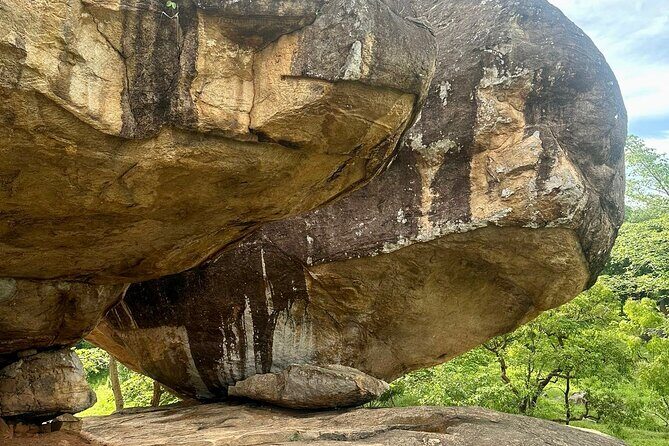
- Vessagiriya Forest Monastery: getting the setting right fast
- Sakwala Chakraya (Star Gate) near the Royal Goldfish Park
- Sri Maha Boodhi Temple: the sacred Bodhi Tree moment
- Lovamahapaya: standing pillars and a brazen palace clue
- Ruwanwelisaya stupa: the big center you measure everything against
- Gedige Ruins to Kuttam Pokuna: a city built around monks and water
- Abhayagiri monastery refectory details: troughs and old records
- Rathna Prasadaya, Eth Pokuna, and Sandakada pahana: art you notice once you know what to look for
- What you actually pay: tour price plus UNESCO admission
- Optional Mihintale: how to decide if it fits your day
- Who this tour suits best (and who might feel it’s too much)
- Should you book this Anuradhapura guided tour?
- FAQ
- How long is the Anuradhapura guided tour?
- Is this a private tour?
- What time does the tour operate?
- Where does the tour start and end?
- What’s included in the price?
- Is UNESCO admission included?
- Do the stops require entrance tickets?
- What’s the cancellation policy?
Key highlights that make this tour worth your time
- Licensed, professional guide who stays in “show you the why” mode, not just “point and move on”
- A compact route that keeps you from skipping major Anuradhapura sites
- Free-admission stops in the route for several top landmarks
- Real details at oddball places like Star Gate (Sakwala Chakraya) and Moonstone (Sandakada pahana)
- Ancient water and medicine features such as Twin Baths (Kuttam Pokuna) and the steam bath building
- Private group experience so you’re not squeezed into someone else’s pace
Why Anuradhapura rewards a guided morning start
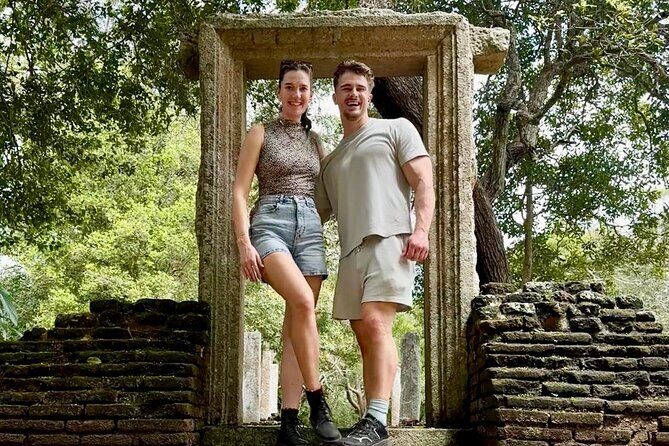
Anuradhapura is one of those places where you can walk around for hours and still miss the point. The ruins are spread out, the names are similar, and it’s easy to focus only on the biggest structures while smaller elements—the ones that explain how the city worked—slip by.
This tour solves that by keeping your morning moving, starting at 7:30 AM and running until the tour window ends around 10:30 AM. You get a focused route that aims to hit the key sites, then slows down when the details matter. And since it’s private, you can ask questions on the spot instead of saving everything for the end.
Other Anuradhapura tours we've reviewed in Anuradhapura

Vessagiriya Forest Monastery: getting the setting right fast
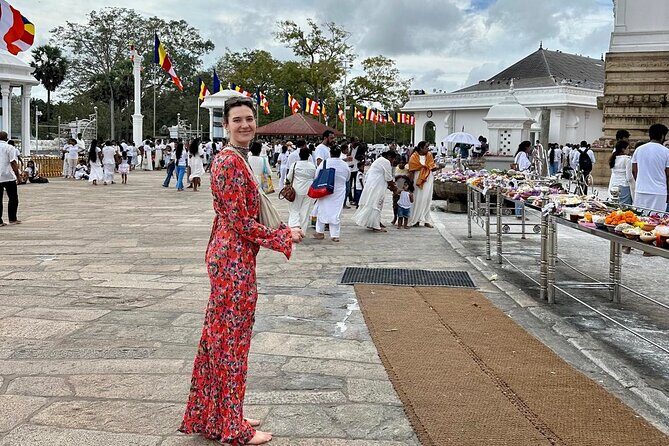
The day begins at Vessagiriya Forest Monastery, described as one of the oldest Buddhist monks’ living dwellings on the island. Even if you’re not a “temple-nerd,” this stop helps you understand what you’re looking at later. You’re not just seeing buildings—you’re seeing how Buddhist practice shaped daily life and architecture.
You’ll spend about 1 hour 30 minutes here. The time is long enough to notice the monastery’s role and not just snap a few photos and run. The big value: the guide can connect this place to the wider story of Anuradhapura, so later stops don’t feel random.
Practical note: this is a morning tour, so come prepared for Sri Lanka’s sun and bring water. Bottled water and a King Coconut drink are included.
Sakwala Chakraya (Star Gate) near the Royal Goldfish Park

Next up is Sakwala Chakraya (Star Gate). It’s described as hidden on the side of a boulder face at the Ran Masu Uyana (Royal Goldfish Park), wedged between the Tissa Wewa and the Isurumuniya Rock Temple.
This is the kind of stop I love on guided tours because it shows you how careful ancient builders were. The name is memorable, but what makes it interesting is the placement—sandwiched between landmarks and tied to the movement of people around temples and ponds. Even better, the stop is marked as free admission, so it doesn’t add extra cost to your day.
You’ll have about 35 minutes, which is enough time to appreciate where it sits and why it matters without turning the stop into a long detour.
Sri Maha Boodhi Temple: the sacred Bodhi Tree moment
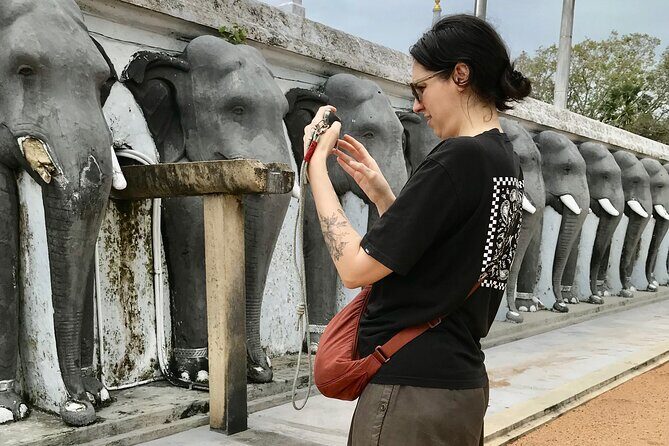
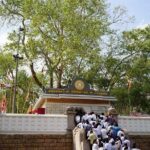
The tour then reaches the Sri Maha Boodhi Temple, home to the Sri Maha Bodhi Tree (a fig or pipal tree known scientifically as Ficus religiosa). This tree is described as regarded as the first of the eight sacred places in Anuradhapura, and the guide can explain the recording and significance behind that claim.
You’ll spend around 20 minutes here. In my experience, this is one of those stops where the atmosphere does part of the work. The guided value comes from understanding the sacred ranking and what “eight sacred places” means for how people treat this site.
Admission for this stop is marked free, which makes it a good “time for meaning” stop.
Lovamahapaya: standing pillars and a brazen palace clue
From the Bodhi Tree, you head toward Lovamahapaya Brazen Palace. The key detail is the huge collection of standing granite pillars—identified as the dilapidated building of the ancient Brazen palace, which served some role connected to the royal court (the description cuts off, but the palace concept is clear).
You’ll only have about 15 minutes, so don’t expect a slow museum-style explanation. The payoff is that a good guide can point out what the pillars are likely representing, and how to read a “ruin” as a building plan rather than just scattered stone.
This is another free-admission stop, so it fits perfectly into a compact route.




Ruwanwelisaya stupa: the big center you measure everything against
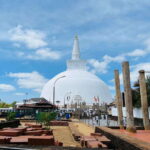
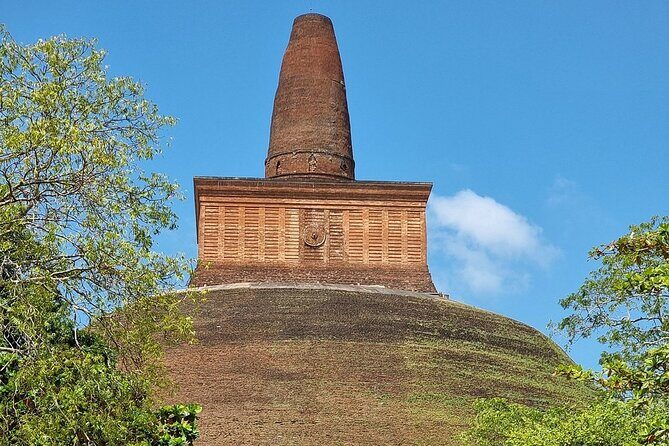
Next is Ruwanwelisaya, described as the Ruwanveliseya stupa, also known as the Ratnamali or Mahathupa. The description says it was constructed under the guidance of King Gamini Abhaya in the second century BC.
This is the emotional and visual anchor in Anuradhapura. Even if you’re tired, this is the place where your brain finally goes: Okay, I get what kind of city this was. A guide helps you look at the stupa with the right timeline and terms, instead of treating it like just another dome.
You’ll spend about 25 minutes, and it’s long enough for you to get your bearings, notice architectural details, and still move on with the rest of the group.
Gedige Ruins to Kuttam Pokuna: a city built around monks and water
After Ruwanwelisaya, you reach Gedige Ruins at the premises of Mahapali Alms Hall. The stop focuses on ruins of different buildings, with the largest being the Mahapali Refectory, described as supplying meals for Buddhist monks from the royal (the description cuts off, but the function as a food-serving hall is explicit). This is one of those stops where a guide matters a lot—because “ruins” become meaningful when you understand what the space was for.
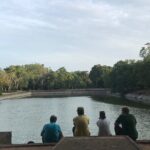
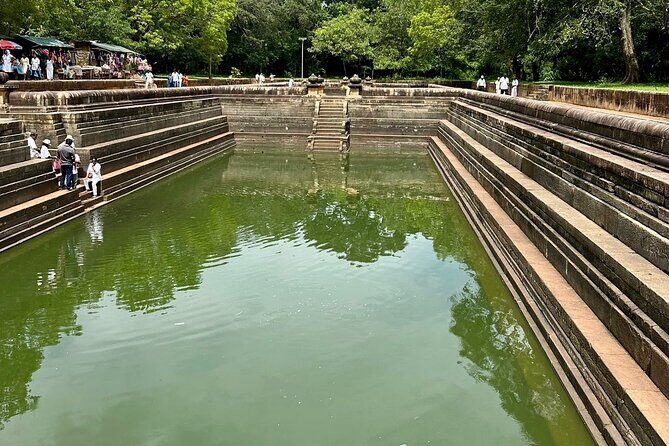
Then comes Twin Baths (Kuttam Pokuna). The description calls them a picturesque pair of ponds and credits them as a great example of ancient landscape architecture and a hydraulic system showing ancient technical talent. I’ll translate that into what you’ll actually enjoy: you’ll be able to see water engineering as part of the religious world, not just random ponds.
Finally, you visit the steam bath building (Janthagara). The description explains it’s not just for steam bathing with warm water, but tied to a well-developed Sinhalese medication system from the 4th century AC onwards. In other words: this wasn’t only comfort. It was health practice.
Timing here: about 25 minutes at Gedige, 15 minutes at the Twin Baths, and 15 minutes at the steam bath building. Admission is not included for Twin Baths and the steam bath building, so have your UNESCO ticket plan ready.
Abhayagiri monastery refectory details: troughs and old records
Next is the Main Refectory of Abayagiri Monastery. The description points to a large granite trough in canoe shape with an intaglio, and it also mentions the Chinese monk Fa-hsien, who was studying in the monastery.
This stop is short—about 15 minutes—but it’s a strong example of what this tour does well. It doesn’t only chase the biggest structures. It pauses at the working parts of monastic life: where food was handled, where daily routines left physical traces, and where travelers’ records connect to the site.
If you like archaeology and “how did they actually live,” this is the kind of stop that makes you feel like you’re learning real context.
Admission for this stop is listed as not included.
Rathna Prasadaya, Eth Pokuna, and Sandakada pahana: art you notice once you know what to look for
A few of the next stops focus heavily on sculptural detail and symbolism:
- Rathna Prasadaya & Guardstone (Pohoy Ge and Muragala): described as one of the finest works of art in Sri Lanka, dating around the 8th century AC, showcasing the aesthetic sense of ancient craftsmen.
- Eth Pokuna (Elephant Pond): described as a large man-made pond built in the 3rd century (the description cuts off, but the date is clear), and called Eth-Pokuna by locals.
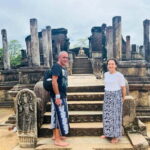
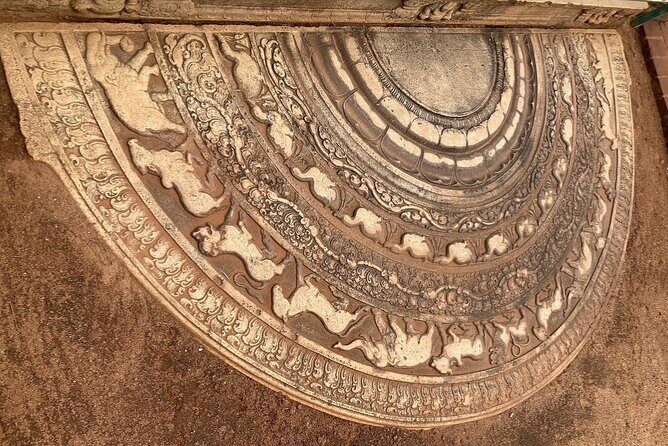
- Moonstone (Sandakada pahana): described as a beautiful sculptor’s creation used as a doormat at the foot of a flight of steps to a Buddhist shrine, transformed into a wider visual narrative by the ancient sculptor.
You’ll spend 10 minutes at Rathna Prasadaya, 15 minutes at Eth Pokuna, and 15 minutes at the Moonstone.
These are not just quick photo stops. A good guide helps you spot the difference between decoration and function—especially with the Moonstone. When you understand that it’s located at the start of a sacred stairway, suddenly it feels like part of the ritual entrance sequence instead of a random slab.
Admission is not included for these last three stops, so again, treat your UNESCO ticket as part of the cost reality.
What you actually pay: tour price plus UNESCO admission
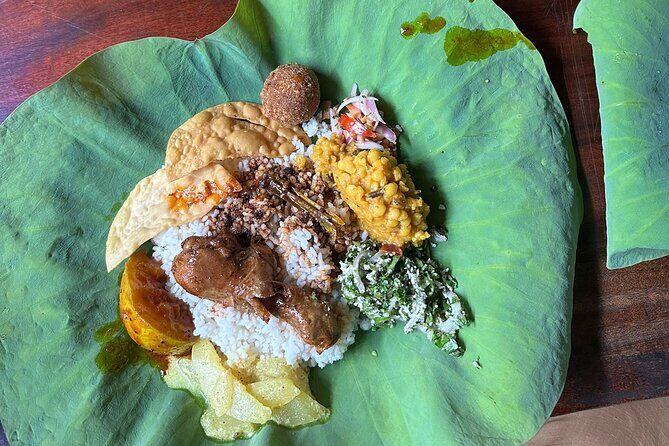
The tour is listed at $30 per person, and it’s a private guided experience with a professional licensed guide, bottled water, and King Coconut included. That’s a solid base price for a morning with a lot of stops and a guide who can connect them.
However, the big budget item you need to know is UNESCO admission: Entry Admission to UNESCO World Heritage Sites is listed at $30 per person and is not included. On top of that, private transportation is not included.
Here’s how I’d think about value:
- If you already have a way to get to the meeting point (or you’re using public transport), the tour price is a fair way to pay for a guided, structured route.
- If you’re adding UNESCO ticket costs, your total day cost is basically tour guide + UNESCO entry. So plan for that upfront instead of being surprised at the wrong time.
- Many stops in the route are marked free admission, which helps your day feel lighter, but the paid sections still exist.
Also note: there’s a mobile ticket and group discounts mentioned. This can matter if you’re traveling with a friend or two and want to keep total costs down.
Optional Mihintale: how to decide if it fits your day
The tour title includes an optional visit to Mihintale, but the provided details here focus on Anuradhapura stops. That means you should treat Mihintale as a possible add-on rather than a guaranteed full extra itinerary.
So how do you decide? Ask yourself:
- Do you want more time among ancient sites, even if it means a longer day?
- Are you the type who enjoys religious and archaeological context, or do you want fewer stops and more breathing room?
Then ask the guide directly whether time allows and what you’ll get from Mihintale compared to the Anuradhapura stops you’ll already see. A good guide will help you choose without rushing.
Who this tour suits best (and who might feel it’s too much)
This tour fits best if you:
- Want a guided route through the main Anuradhapura sites without sorting details on your own
- Enjoy learning meanings behind structures, ponds, baths, and stonework
- Prefer a private group where you can ask questions and chat
It may feel like a lot if you:
- Want a slow, roaming photo day with minimal talking
- Don’t like structured stop timing and prefer to wander freely
- Are sensitive to walking in the morning heat (bring sunscreen and water)
Given the included drinks and the early start, the pace is manageable for many people, but it’s still an organized run through multiple key landmarks.
Should you book this Anuradhapura guided tour?
If you want Anuradhapura to make sense—and not just look like scattered monuments—this is an easy yes. The most praised strength is the guide: people highlight that the guide is detailed, thorough, intelligent, enthusiastic, and that you learn actual real context. You also get the benefits of a compact route that tries not to miss the major local sites, plus the chance to go off the obvious track with places like Sakwala Chakraya, Kuttam Pokuna, and the Moonstone.
Just book it with your eyes open on cost. Make sure you account for UNESCO World Heritage admission ($30 per person, not included) and any additional paid areas. If you do that, you’ll likely feel like you got your money’s worth in learning and in how much you see in one focused morning.
FAQ
How long is the Anuradhapura guided tour?
It runs for about 6 hours.
Is this a private tour?
Yes. It’s private, so only your group participates.
What time does the tour operate?
It operates daily during the listed opening hours, Monday through Sunday, from 7:30 AM to 10:30 AM.
Where does the tour start and end?
It starts at Pothanagama Junction and ends back at the same meeting point.
What’s included in the price?
A professional and licensed tour guide, bottled water, and King Coconut soda/pop are included.
Is UNESCO admission included?
No. Entrance admission to UNESCO World Heritage Sites is not included and is listed at $30 per person.
Do the stops require entrance tickets?
Many stops are marked as free admission (for example Vessagiriya Ruins, Sakwala Chakraya, Sri Maha Boodhi Temple, Lovamahapaya, and Ruwanwelisaya). Some stops are marked as not included, so you should expect separate admission costs in those parts of the route.
What’s the cancellation policy?
Cancellation is free. You can cancel up to 24 hours in advance for a full refund.