REVIEW · COLOMBO
Muthurajawela Bird Watching Tour From Colombo & Negombo
Book on Viator →Operated by Sigiritrip Tours · Bookable on Viator
Muthurajawela birding is quieter than you expect. This private boat trip takes you into Sri Lanka’s coastal marsh world—saltwater peat bog, mangroves, and channels—where birds show themselves when you’re in the right spots and looking the right way. You get door-to-door pickup and a guide focused on helping you spot and photograph what’s out there.
What I like most is the combination of a naturalist-style guide and the actual habitat. You’re not just cruising for views. You’re gliding around mangroves and waterways with someone there to help you interpret bird behavior, which matters when birds are small, fast, and easy to miss. I also love that the tour is built around the Muthurajawela Marsh Centre approach, guiding visitors through sanctuary areas to avoid serious harm.
One thing to keep in mind: this is still a nature trip, not a guaranteed checklist. Birds can be quiet on a given morning, and the experience quality can hinge on the guide and boat setup. If birdwatching is your priority, choose your departure time wisely and confirm you’ll have true bird-spotting guidance from start to finish.
In This Review
- Key things to know before you go
- Why Muthurajawela is such a good birdwatching target
- Colombo or Negombo pickup: saving time without losing the vibe
- The boat-and-guide setup: what you should expect on the water
- Muthurajawela Marsh: the stop that makes the whole trip worth it
- Bird spotting: species to watch for and how to improve your chances
- Monkeys, mangroves, and the ecosystem lesson you’ll actually use
- Timing, duration, and managing expectations (2 to 5 hours)
- What the private tour feel changes for your group
- Price and value: is $85 per person worth it?
- What to bring for better sightings and better photos
- Who this tour suits best
- Should you book this Muthurajawela birdwatching tour?
- FAQ
- Where does the Muthurajawela bird watching tour operate from?
- How long is the tour?
- Do I get hotel pickup?
- Is this a private tour?
- Is admission included for the marsh area?
- What animals can I expect to see?
- Will there be a guide on the boat?
- Are there different departure times?
- Do I need a printed ticket?
- Can I cancel for free?
- Are service animals allowed?
Key things to know before you go
- Prime coastal wetland setting: Muthurajawela is Sri Lanka’s largest saline coastal peat bog
- Private boat experience: only your group participates, with a guide on the water
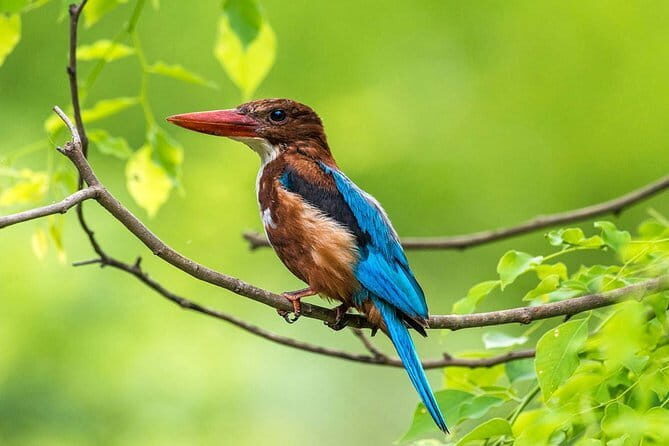
- Naturalist-focused bird spotting: kingfishers, egrets, herons, and waders are specifically mentioned
- Sanctuary-area guidance: marsh visitors are guided through protection zones to limit ecosystem impact
- Strong odds for good sightings: feedback shows the guide approach is the main reason people rate it highly
Why Muthurajawela is such a good birdwatching target
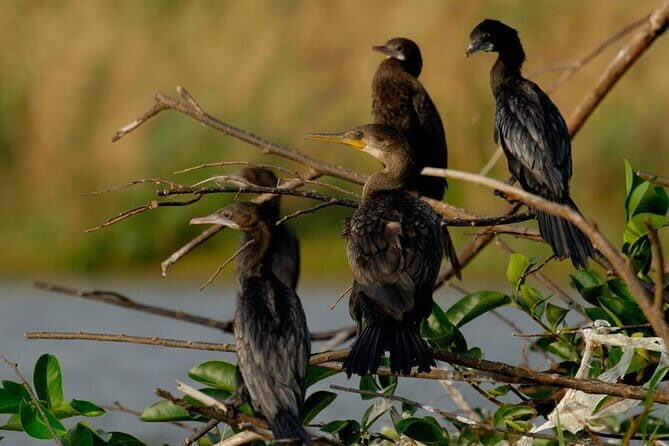
Muthurajawela isn’t just scenery. It’s a working wetland system that links the marsh and the Negombo Lagoon into one coastal habitat. The area is estimated to have originated around 5000 BC, and the northern section—1,777 hectares—was declared a sanctuary in July 1996.
That protection history matters because it shapes what you can expect from the trip. You’re going into an ecosystem managed for wildlife, not a random canal. In plain terms, you’re more likely to see birds doing bird things—feeding, perching, and moving along the edges—when the habitat is intact and not constantly disturbed.
Also, it’s a saline coastal peat bog. That combination of salty water influence and peat wetland conditions tends to create edges and micro-habitats birds love. The result is a lot of “reading the shoreline” birdwatching. If you enjoy noticing small changes—mud flats vs. mangrove shadow lines—this place can be very rewarding.
Other Colombo tours we've reviewed in Colombo



Colombo or Negombo pickup: saving time without losing the vibe
This tour works well because it starts close to two major bases: Colombo and Negombo. After pickup, you head toward the Muthurajawela area and then shift from road travel into boat travel.
Door-to-door transfers are a big deal here. Wetlands are one of those spots where the last mile can be annoying, especially if you’re juggling buses, taxis, and walking. With pickup, you spend less time negotiating and more time watching.
You also get choice of departure times. That flexibility helps a lot because bird activity changes across the day. If your schedule allows it, I’d treat this like a morning-first outing rather than something you squeeze in at midday.
One more practical note: this is near public transportation, so if you’re not doing pickup for some reason, you might still be able to reach the starting area. Still, pickup is the easy win.
The boat-and-guide setup: what you should expect on the water
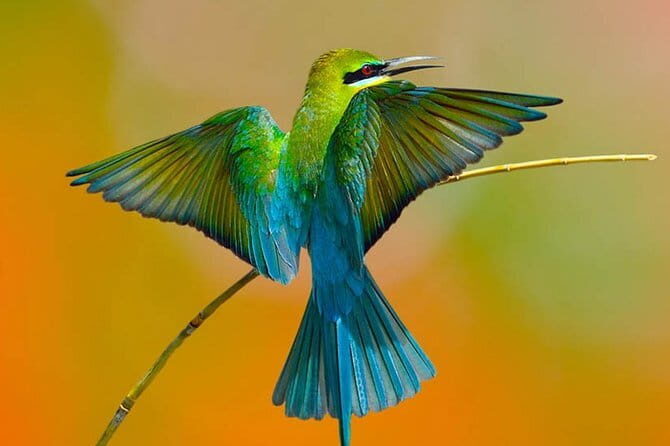
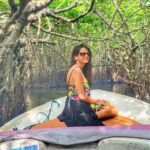
The boat portion is the heart of the experience. You’re sailing on Muthurajawela’s waters and mangroves by private boat, guided by an expert naturalist-style guide. The guide’s job isn’t just to point and smile—it’s to help you boost sightings and get better photos.
In birding, that’s everything. A kingfisher can be obvious once it’s pointed out, but the harder part is spotting the cues: where it hunts, what it’s reacting to, and how fast it may relocate. Same with egrets, herons, and waders that may look “similar from far away” until you have someone helping you match the shape and behavior.
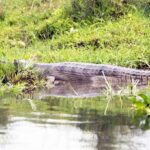
The tour also highlights that you may glimpse other wildlife like monkeys. That’s not a guarantee, but in mangrove and marsh areas, it’s common enough to factor into your expectations. If you’re the type who enjoys scanning branches and shorelines while still focusing on birds, you’ll likely get more out of the experience.
And yes, it’s private. Only your group participates, which usually makes it easier to ask questions, slow down for a bird, or recheck a spot without feeling rushed.
Muthurajawela Marsh: the stop that makes the whole trip worth it
The main stop is the Muthurajawela Marsh. This isn’t described as a generic sightseeing loop. It’s framed as a visit to a protected sanctuary area, with visitors guided through zones by the staff of the Muthurajawela Marsh Centre.
That staff guidance is a quiet but important detail. Wetlands are sensitive. If people run around wherever they want, you get erosion and disturbance. With guidance through the sanctuary areas, you’re more likely to stay on routes that reduce harm and keep the habitat functioning for wildlife.
The tour duration for this stop is listed as about 2 hours, with admission ticket included. In a good birdwatching morning, two hours on water can be plenty. Birds don’t always cooperate, but your guide can often reposition you to likely feeding zones and perching spots.
What I find especially useful is the way this marsh visit is tied to the larger wetland system with Negombo Lagoon. You’re not just looking at one small patch of nature. You’re moving through a connected coastal environment, which can spread out bird activity—some species favor open edges, others stay near mangrove structure.
Bird spotting: species to watch for and how to improve your chances

The tour specifically calls out birds such as kingfishers, egrets, herons, and waders. Those are a practical shortlist. You can prepare mentally: kingfishers often mean you’ll want to watch water surfaces and sudden dart movements, while egrets and herons often show up on perches or shallow edges.
Here’s how to make your time count. Pick a strategy before you feel overwhelmed. For example:
- Focus on one water edge at a time and scan for movement first, then use your eyes to confirm shape and color.
- Watch for stillness. Many waders pause longer than you expect.
- Treat mangrove lines like a set of lanes. Birds tend to use travel corridors along the structure.
One tip that came through strongly is timing. If you can, go early—one guide-led outing noted that booking for sunrise meant more birds were up and active. That fits the logic of bird behavior: mornings tend to bring feeding activity and lower wind noise, so you can see and hear more.
Even if you can’t do sunrise, choosing an early departure is still smart. You’re trading later heat and thicker glare for steadier observation.
Also, bring your patience. Marsh birds can be brief. Your guide’s guidance helps you catch those short windows where a bird lands, feeds, then disappears.
Other Negombo tours we've reviewed in Colombo


Monkeys, mangroves, and the ecosystem lesson you’ll actually use
You might spot monkeys during the trip, and the route through mangroves and channels is also a nature education moment. The tour description emphasizes learning about the unique ecosystem as you glide through the marsh.
This kind of “learn while you watch” matters because it changes how you see the habitat. If you understand that this is a saline coastal peat bog and part of a larger marsh-lagoon complex, you start expecting patterns: where water sits, where edges form, and why birds choose certain places.
Mangroves aren’t just green scenery. They act like living structure for perching, nesting, and protective cover. Once you start noticing the relationship between structure and wildlife, you’ll feel less like you’re hunting and more like you’re following a route birds already use.
If you’re the type who enjoys quiet moments—no pressure to rush to the next “thing”—you’ll probably like the pace. It’s built to feel like a calm ride where your brain turns into a scanning tool.
Timing, duration, and managing expectations (2 to 5 hours)
Duration is listed as about 2 to 5 hours. That spread is real, and it affects how you plan the rest of your day in Colombo or Negombo. If you’re trying to fit this between other tours, I’d avoid stacking too tightly.
The marsh stop is about 2 hours. The rest of your time goes into pickup, travel, and boat sailing. If you’re traveling with children or you hate waiting, plan for a short buffer afterward rather than scheduling a hard appointment.
Expect the experience to be “birdwatching by boat,” not an all-day wildlife safari. The value is in a focused time window where you can learn, scan carefully, and hopefully catch multiple sightings as birds move through the wetland.
And here’s the honest expectation-setting part: birds are still wild animals. Even with an expert guide, there’s no guarantee of constant action. If you go in expecting that, you’ll be happier. If you go in expecting a guaranteed hit list of birds every minute, you might feel let down.
What the private tour feel changes for your group

Private tour format can change the whole dynamic. With only your group participating, you get:
- more room to ask questions
- more flexibility to pause when you find a bird
- less pressure from strangers to keep moving
That’s a big quality-of-life upgrade, especially for birdwatching where the best moment might last ten seconds. When you’re not sharing the boat with multiple groups, you’re less likely to feel rushed and more likely to get real help from the guide.
Quality can still vary, though. One caution that matters: if the trip is marketed as bird-focused, pay attention to whether you’re actually getting expert guidance during the ride. If the boat setup is loud or the guide isn’t taking the lead on identification, your experience can slide from birdwatching into “a boat ride near birds.”
That’s not something you can fully control, but you can choose a departure time that supports good activity and make sure you’re clear on what’s included.
Price and value: is $85 per person worth it?
At $85 per person, this sits in the mid-range for Sri Lanka nature tours. Is it worth it? For me, it comes down to what you care about.
You’re paying for:
- a private boat experience
- a naturalist-style guide focused on bird spotting and photography help
- door-to-door transfers from Colombo or Negombo
- an admission ticket included for the marsh portion
- a guided approach through sanctuary areas
If you’re already a birdwatcher with decent patience, the guide’s help is what makes the money pencil out. Birds are tricky. A good guide turns “I saw something” into “I know what it was and why it was there.”
If you’re more casual—someone who mostly wants nature views and a slow boat cruise—then value depends on sightings that morning. When birds are active, you’ll feel like you got your money’s worth fast.
If birds are quiet, it can still be enjoyable, but it won’t feel like a guaranteed wildlife extravaganza. I’d treat it as a focused morning/half-day birding chance, not a sure-fire bird parade.
What to bring for better sightings and better photos
You’ll get the most out of this kind of tour when you come prepared to scan and shoot. Even if you’re not bringing a big camera, these items help:
- sunglasses or a cap for glare on water
- a light layer for early morning chill
- a phone or camera with enough storage and battery
- binoculars if you use them (not required, but useful in marsh environments)
- shoes that handle damp surfaces around docks
Also, keep your expectations flexible. In wetland boat trips, you’re often looking at birds at different distances. If you’re ready for quick ID moments, you’ll get more satisfying results even when the action is brief.
Who this tour suits best
This tour fits best if:
- you want a realistic birdwatching outing without driving far on your own
- you enjoy nature learning that connects to what you’re seeing
- you prefer a calmer experience with a guide rather than a fast-paced sightseeing schedule
It’s a good choice for couples, solo travelers who want a guide-led plan, and small groups who don’t want to share the boat with strangers.
Most people can participate, and service animals are allowed. If you have strong mobility limitations, you’d want to check what getting on and off the boat looks like in your exact departure conditions, since details aren’t listed here.
Should you book this Muthurajawela birdwatching tour?
If your priority is bird spotting with a guide and you like wetlands, I’d book it. The combination of a private boat, a naturalist guide, and a real sanctuary-area marsh stop is the kind of focused value you don’t always find near big cities.
Book it especially if you can choose an early departure. Sunrise is the kind of small planning move that can seriously improve your odds.
Just don’t treat it like a factory-produced bird show. It’s nature first. If you go in expecting a guided birdwatching experience and you pick an early time slot, you’ll be in the best position to have a memorable morning on the water.
FAQ
Where does the Muthurajawela bird watching tour operate from?
It runs from Colombo and Negombo in Sri Lanka.
How long is the tour?
It lasts about 2 to 5 hours, with the Muthurajawela Marsh stop listed as about 2 hours.
Do I get hotel pickup?
Yes, pickup and door-to-door transfers are offered.
Is this a private tour?
Yes. Only your group will participate.
Is admission included for the marsh area?
Yes. Admission ticket is included for the Muthurajawela Marsh stop.
What animals can I expect to see?
The tour mentions birds such as kingfishers, egrets, herons, and waders, and you may also glimpse monkeys.
Will there be a guide on the boat?
Yes. The tour includes a naturalist expert guide.
Are there different departure times?
Yes. You can choose departure times.
Do I need a printed ticket?
No. A mobile ticket is used.
Can I cancel for free?
Yes. Free cancellation is available up to 24 hours before the experience starts.
Are service animals allowed?
Yes, service animals are allowed.