REVIEW · NEGOMBO
From Colombo to Galle Fort and Unawatuna Beach Day Trip
Book on GetYourGuide →Operated by Ceylon Mafa Tours and Travels · Bookable on GetYourGuide
Turtles, fort walls, and ocean time in one day. This south-coast day trip from Colombo moves fast but stays focused, mixing conservation stops with coastal views and a proper visit to Galle Dutch Fort. You’ll take the coastal route, ride in air-conditioned comfort, and get a small-group pace that still lets you enjoy the beaches instead of just rushing between tickets.
I love the Kosgoda turtle hatchery stop. Kosgoda began conservation work in 1981 and is known for showing all five turtle species that nest along Sri Lanka’s beaches, plus education on how hatchings actually work. I also like how the day gives you the UNESCO World Heritage feeling you expect from Galle Fort, not just a quick glance at walls.
One key consideration: the full Madu River boat safari isn’t included. If you’re expecting a long boat ride on the river, you may need to pay extra separately or adjust what you hope to see on the river itself.
In This Review
- Key things that make this day trip work
- Price and logistics: $48 that makes sense if you want a structured day
- Getting picked up in Colombo and riding the coastal route
- Kosgoda turtle hatchery: more than a quick wildlife photo stop
- Madu River area: the wetlands are the point, but the boat safari costs extra
- Moonstone mine in Meetiyagoda: blue stone made by hand
- Hikkaduwa Coral Beach: the best kind of break in the middle of the day
- Tsunami village: a sobering stop that adds meaning to the coast
- Galle Dutch Fort UNESCO World Heritage: Portuguese, Dutch, and today’s street life
- Unawatuna Beach: ending with sand instead of more driving
- What I’d do differently if I were planning your day
- Comfort, pacing, and the human factor (your guide matters)
- Price breakdown: where your money goes (and where it doesn’t)
- Who should book this day trip (and who should skip it)
- Should you book the Colombo to Galle Fort and Unawatuna Beach day trip?
- FAQ
- How long is the Colombo to Galle Fort and Unawatuna day trip?
- What’s included in the price?
- Is the Madu River boat safari included?
- Is there a guide during the tour?
- Can I reserve and pay later?
- What is the cancellation policy?
Key things that make this day trip work
- Kosgoda turtle hatchery with a real conservation focus: You’re not just looking at turtles, you’re learning how the hatchery process works.
- Madu Ganga wetlands area without the boat ride included: The river stop is part of the route, but the boat safari is not included.
- Meetiyagoda moonstone pits by hand: A hands-on look at how blue moonstones are mined, with methods that have existed for a long time.
- Galle Dutch Fort as a living UNESCO site: European fort planning meets South Asian street life inside active neighborhoods.
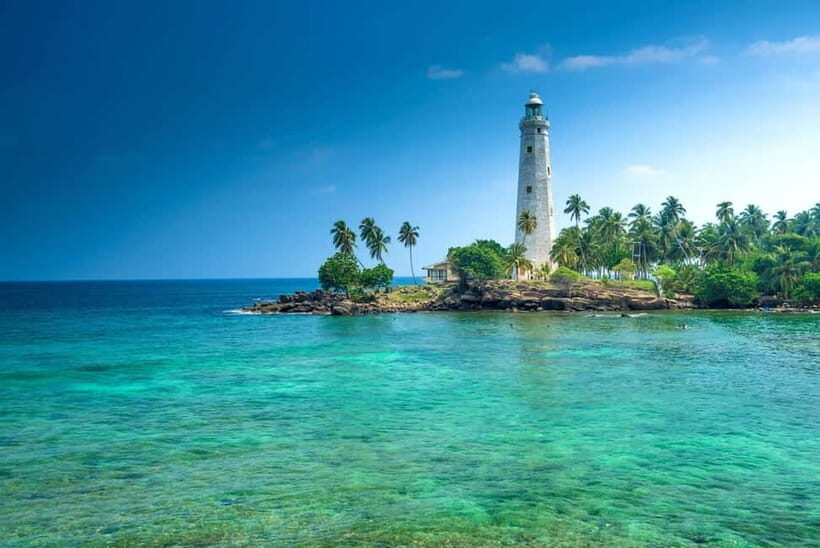
- Beach time at Unawatuna plus coastal stops: The day finishes with downtime so you don’t end up feeling like you only drove.
- Small group size (up to 15) with an English-speaking guide/chauffeur: It helps you ask questions and move efficiently.
Price and logistics: $48 that makes sense if you want a structured day
At $48 per person for a one-day trip, the value comes from how many paid sights are wrapped into one plan. You’re not just paying for a drive. Entrance tickets are included for the turtle hatchery and Galle Dutch Fort, plus a visit to Tsunami village and small extras like a king coconut and bottled water.
This is also a good price point if you’re staying in or near Colombo and don’t want to figure out transport, ticket timing, and route changes yourself. The car or van is air-conditioned, and the group stays limited to 15 people, which usually means less waiting around than larger bus tours.
The trade-off is time. This is designed as a day trip, so you’ll be moving between places, not lingering all day. If you’re the type who loves slow museum hours, you’ll want to treat beach breaks as your main “slow down” moments.
Other Colombo tours we've reviewed in Negombo
Getting picked up in Colombo and riding the coastal route
Pickup is from Colombo, and the day runs as a loop back to Colombo at the end. That matters because the route across the southern coast can be easier if someone else handles the driving, especially when you want to spend your energy on the stops, not navigation.
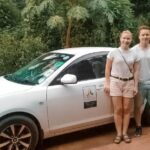
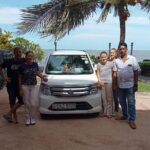
You’ll also have a bottled water included, and the vehicle is air-conditioned—useful because some of the day involves walking around outdoor sites and waiting your turn at entrances. The tour includes an English-speaking chauffeur/guide, and this makes a real difference at the fort. When the guide explains what you’re looking at, the walls stop being just scenery and start making sense.
Kosgoda turtle hatchery: more than a quick wildlife photo stop
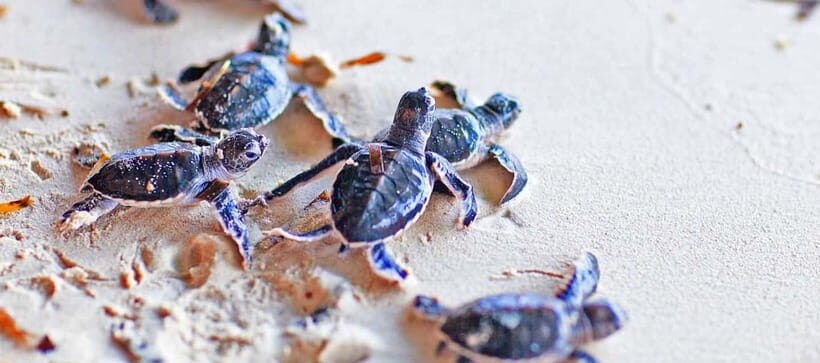
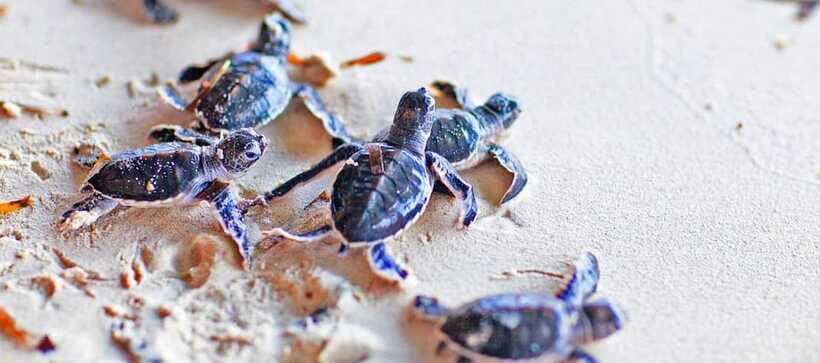
The turtle hatchery is one of the best reasons to book this kind of route. Along Sri Lanka’s south coast there are multiple turtle hatcheries, and Kosgoda stands out for conservation history that goes back to 1981. On top of that, it’s known for working with multiple turtle species, and specifically for being a place where all five turtle species seen on Sri Lankan beaches can be observed.
Here’s what makes the stop valuable for you: you get a look at the full turtle story, from nesting and hatching processes to how the hatchery supports survival on the shore. The hatchery doesn’t just point at nature. It also runs educational activities and volunteer-style programs for locals and international visitors to understand how hatching works.
What to expect on the ground:
- You’ll be walking around the hatchery area and observing the conservation setup.
- The guide can help connect what you see to how turtles survive in the wild.
- It’s usually easier to appreciate this if you ask simple questions like what happens next after the hatchings.
One practical tip: go in knowing this isn’t a guaranteed “hold a baby turtle” experience. The value here is the conservation knowledge and the process you can learn.
Madu River area: the wetlands are the point, but the boat safari costs extra
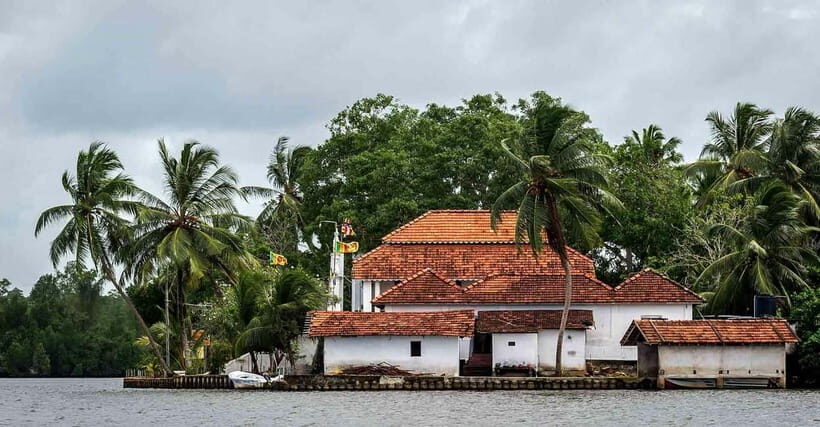
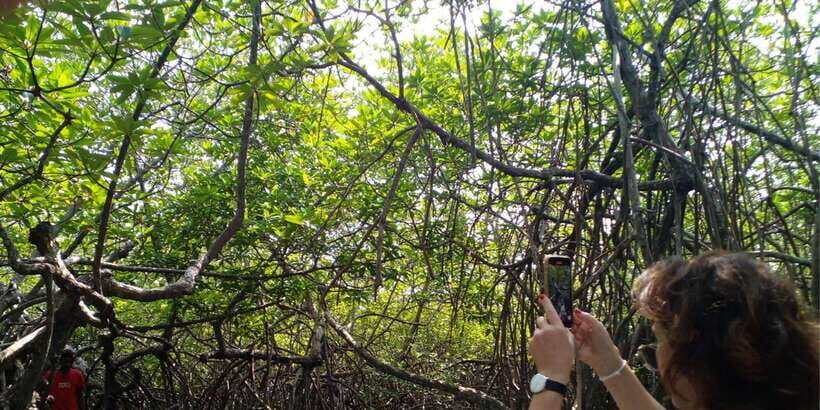
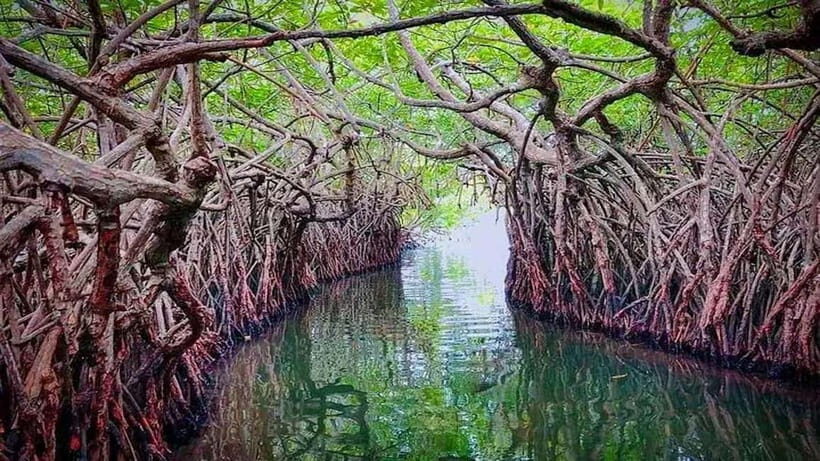
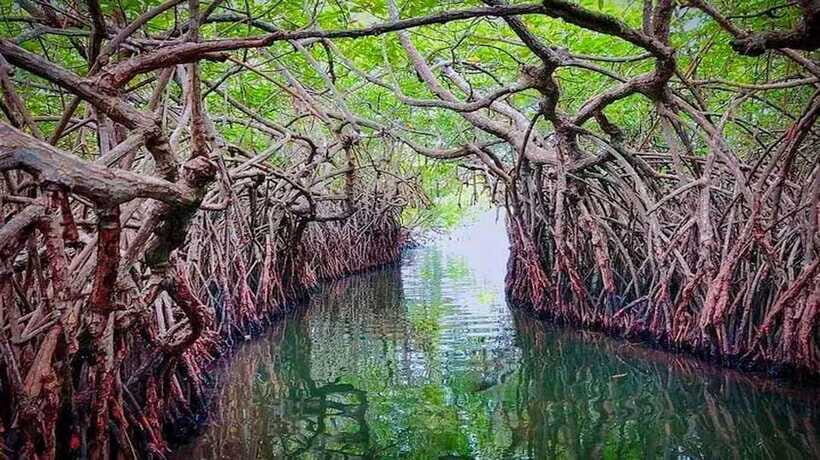
The Madu Ganga River runs through coastal wetlands in the Galle district, moving roughly 64 kilometers from the Akuressa Hills down to the Indian Ocean. The wetland area is huge—about 915 hectares—so even if you don’t get a boat ride, the river ecosystem idea is central to the visit.
The tricky part is expectations. The highlights mention a river safari, but the Madu River boat safari is not included in what you pay for. That means the stop may be more about getting you near the river/wetlands experience and letting you see the environment rather than taking a full boat tour.
If you want the boat safari experience specifically, plan on adding it yourself. If you’re more about seeing the region and learning about how these wetlands connect to the coast, you’ll still get a lot out of the day.
Moonstone mine in Meetiyagoda: blue stone made by hand
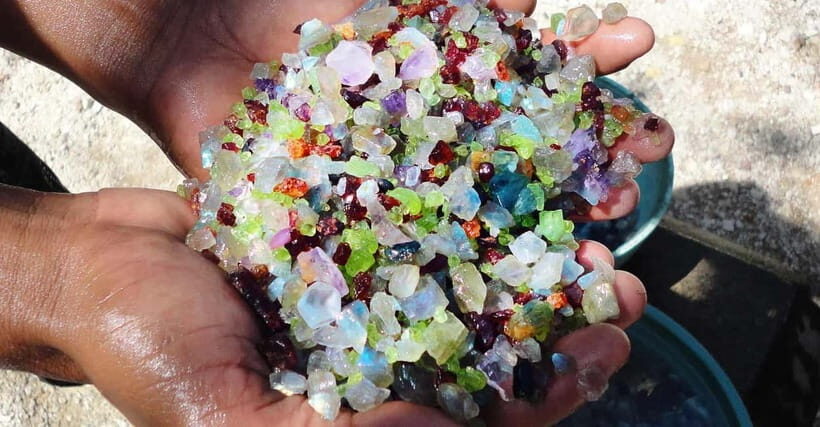
Meetiyagoda, near the coast between Ambalangoda and Hikkaduwa, is famous for blue moonstone mining. The area sits above what’s described as the earth’s largest pegmatite vein of moonstone. The ten mines there have been operating in a way that hasn’t changed much in a long time: mining happens in primitive, waterlogged pits, by hand.
Here’s what I like about this stop as part of a day trip: it gives you a clear, practical connection between a souvenir idea and the real place it comes from. You’re not just hearing a sales pitch about gems. You’re seeing the work environment and the fact that these stones come from small-scale extraction methods that have been around since 1906.
What to watch for:
- This stop can involve time spent inside a shop area or viewing items. If you hate shopping pressure, keep your budget and boundaries in mind from the start.
- Ask questions about where the stones come from and how mining works, then decide if you want to buy anything.
Other Galle tours we've reviewed in Negombo


Hikkaduwa Coral Beach: the best kind of break in the middle of the day
After the inland-ish stops, you’ll get to a coastal mood. Hikkaduwa Coral Beach is where the day shifts from conservation and mining to sea air and shoreline views.
Even if you don’t have big plans like snorkeling or long swims, it’s a helpful pacing tool. You’ll likely have time to walk a bit, cool down, and reset before Galle Fort. In a packed itinerary, a beach stop isn’t just for leisure—it keeps the day from feeling like a checklist.
If sun is intense when you visit, bring sunscreen and plan for shade breaks. You’ll be outdoors in multiple places.
Tsunami village: a sobering stop that adds meaning to the coast
This tour includes a stop at Tsunami village. Even without extra details about what you’ll see there, the purpose of a visit like this is to connect the coast you’re enjoying with the reality that the sea can bring huge disaster as well.
I appreciate including a reminder like this inside a fun day trip. It changes the tone. You don’t just look at beach scenes; you understand that the coastline carries history and consequences, not only sunsets.
Keep your pace respectful here. It’s not the moment for phone scrolling or rushing.
Galle Dutch Fort UNESCO World Heritage: Portuguese, Dutch, and today’s street life
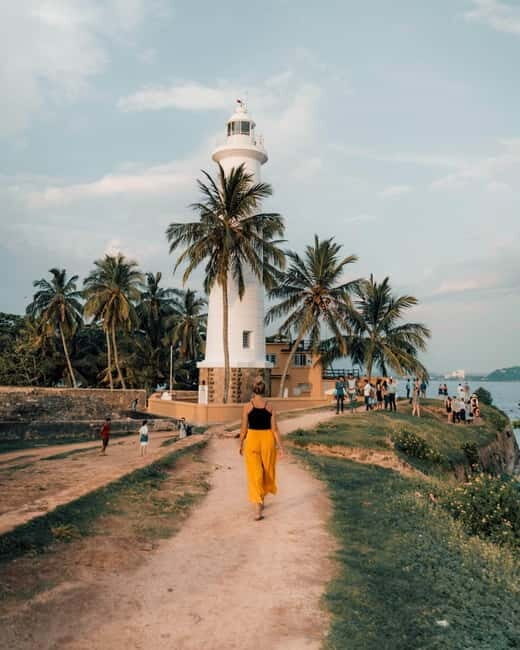
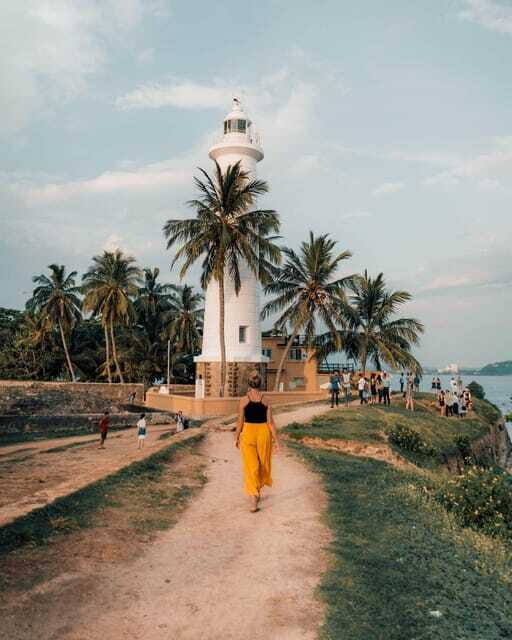
Galle Fort is the anchor of the day. It sits in the Bay of Galle on the southwest coast and is a UNESCO World Heritage Site. The fort’s story starts with Portuguese construction in 1588. The Dutch then fortified it extensively from 1649 onward.
What makes it more interesting than many other fort sites is the way it still functions like a neighborhood. Even today, the area has a multi-ethnic and multi-religious population. You’re not touring empty ruins. You’re walking through streets where people still live, worship, and run daily routines.
UNESCO highlights the value as an urban ensemble showing how European architecture and South Asian traditions interacted from the 16th to the 19th centuries. You can feel that interaction when you walk around and notice how the fort planning meshes with local life.
What you need to know to enjoy it:
- Ask your guide to point out what’s European versus what reflects local adaptation. It’s much easier when you have context.
- Wear comfortable shoes. Fort streets can mean uneven stone and lots of steps.
- If your guide gives less detail than you expected, you can still enjoy it by focusing on streets, viewpoints, walls, and the layout.
Unawatuna Beach: ending with sand instead of more driving
The day finishes with relaxation at Unawatuna Beach. This is a smart ending. After turtle conservation, river/wetlands, a gemstone mining stop, and walking inside Galle Fort, you need time where your brain doesn’t have to work.
Unawatuna gives you that reset. It’s also a chance to see the coast as a working place—fishermen, beach activity, and the simple reality of waves and wind.
I recommend you keep this “easy time” truly easy. Don’t fill it with extra plans unless you’re traveling with a lot of spare energy.
What I’d do differently if I were planning your day
If you’re the kind of traveler who wants photos and storytelling, you’ll do best if you:
- Arrive with a short list of questions for the guide about turtles, the fort’s European-Dutch-Sri Lankan mix, and how moonstones are mined.
- Keep expectations realistic about the Madu River boat safari. If you want that specific boat experience, plan to pay extra since it’s not included.
- Treat any souvenir browsing as optional, not mandatory.
Also, keep an eye on timing. This is a one-day structure, so late questions or extra stops can push your beach time later.
Comfort, pacing, and the human factor (your guide matters)
The tour includes an English-speaking chauffeur/guide, and that’s huge. In a day packed with multiple sites, what makes or breaks the experience is whether the guide connects the dots.
When the guide is strong, like Dilip or Tuan, explanations can make each stop feel connected rather than random. But there’s also a possible downside: if your guide doesn’t give enough fort context, you might feel a bit lost inside Galle Fort and have to rely on your own curiosity.
If that happens, you can fix it quickly by asking one question early, like what to look for first inside the fort, or what era you should focus on. One good question gets you out of “wandering mode” fast.
Price breakdown: where your money goes (and where it doesn’t)
Here’s how the included items help your value equation:
- Air-conditioned car/van: saves you mental energy and fatigue.
- Hotel pickup and drop-off in Colombo: time saver.
- Turtle hatchery entrance tickets: paid attraction covered.
- Galle fort entrance tickets: paid attraction covered.
- Tsunami village: included stop adds meaning.
- King coconut and bottled water: small comfort perks.
- Skip the ticket line: you lose less time at entrances.
- Small group up to 15: helps pacing.
What’s not included:
- Madu River boat safari: this is the biggest “missing piece” if you want the full safari experience.
If you’re okay with that trade-off—seeing the river/wetlands area without an included boat ride—this is a very practical $48 day. If you strongly want the boat safari, you’ll still likely find it worth it, but budget extra.
Who should book this day trip (and who should skip it)
This tour fits best if you want:
- A structured day without planning transport and ticket timing.
- Big highlights in one go: turtles, a UNESCO fort, and beach time.
- A small group pace that still feels efficient.
It’s not suitable for people over 95 years old.
If you prefer deep, slow travel—long stops, lots of free time, and minimal driving—you may find the schedule a bit tight. In that case, consider splitting the region into two separate days instead of trying to compress everything.
Should you book the Colombo to Galle Fort and Unawatuna Beach day trip?
Book it if you’re short on time in Colombo and you want a one-day plan that hits the coast’s major emotional beats: conservation, coastal wetlands, a hands-on look at moonstone mining, a UNESCO fort you can walk, then a beach finish.
Think twice if:
- You’re expecting an included Madu River boat safari. It’s not part of what’s included.
- You dislike shopping-focused stops. Some experiences like the moonstone mine can feel more sales-adjacent than you want, so set your expectations early.
If you do book, go with a mindset of curiosity. Ask questions at the turtle hatchery and fort, keep your pace steady, and let the beach time be truly yours. That’s where the day earns its keep.
FAQ
How long is the Colombo to Galle Fort and Unawatuna day trip?
It runs for one day. Starting times depend on availability.
What’s included in the price?
Included items are air-conditioned transport, hotel pickup and drop-off in Colombo, entrance tickets for the turtle hatchery and Galle Dutch Fort, English-speaking chauffeur/guide service, Tsunami village, king coconut, and bottled water. The tour also includes skip-the-ticket-line access.
Is the Madu River boat safari included?
No. The Madu River boat safari is specifically not included.
Is there a guide during the tour?
Yes. The tour includes an English-speaking chauffeur/guide.
Can I reserve and pay later?
Yes. The activity offers reserve now & pay later, so you can book without paying immediately.
What is the cancellation policy?
You can cancel up to 24 hours in advance for a full refund.