Surf lessons can be simple. Getting the right coaching is not.
Surf with Apple is a private surf lesson in the Weligama area (starting at Kurumba Bay) built for beginners through advanced surfers, with lots of hands-on technique and feedback so you know what to work on next. It is also a short session, which means your time is spent moving, not waiting around.
I really like the coaching approach, especially for people who are nervous in the water. It is patient and clear, with instructors who focus on fundamentals like safe board handling, paddling, and the pop-up, then add timing and wave reading as you level up. I also like that you get feedback at the end, not just generic praise.
One drawback: 90 minutes is not long. You will learn a lot, but you still need a couple practice sessions afterward to feel automatic.
In This Review
- Key things to know before you paddle out
- Kurumba Bay in Weligama: a practical place to learn
- What a 90-minute session really looks like
- Beginner coaching: pop-up, paddling, and confidence in whitewater
- Intermediate focus: reading waves and reaching the line-up safely
- Advanced session: spots, channels, and turn practice
- Apple’s coaching style: clear cues, good vibe, and lots of feedback
- Price and value: $35 for a private group lesson that actually targets progress
- Timing, weather, and what to do if the ocean turns moody
- Where you will start and what to bring
- Who should book Surf with Apple
- FAQ
- Where does Surf with Apple start?
- How long is the surf lesson?
- Is this a private lesson?
- What skill levels are offered?
- What do beginners work on?
- What do intermediate surfers work on?
- What does the advanced session include?
- When will I get confirmation after booking?
- What happens if weather is poor?
- Should you book this surf lesson?
Key things to know before you paddle out
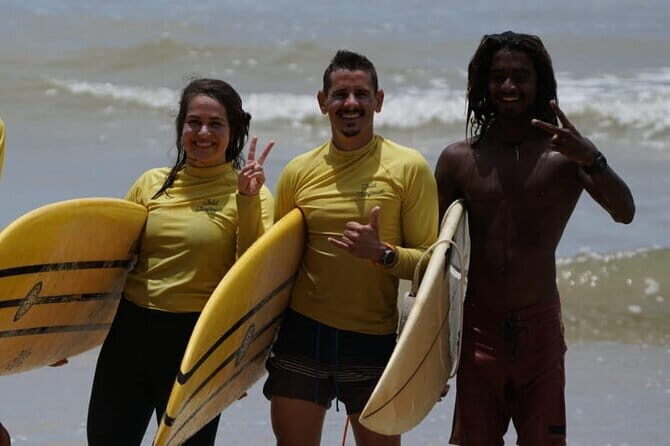
- Private 1-on-1 style attention for up to 1 person per group, so you are not competing for cues
- Kurumba Bay (Weligama) as the consistent start point, which helps you stay oriented
- Level-based lesson plans: beginner, intermediate, and advanced each with a different goal
- Technique + safety first, then reading waves and building to the next step
- End-of-session feedback, so your next practice has a target
- Weather matters: if conditions are poor, you will be offered a different date or a refund
Kurumba Bay in Weligama: a practical place to learn
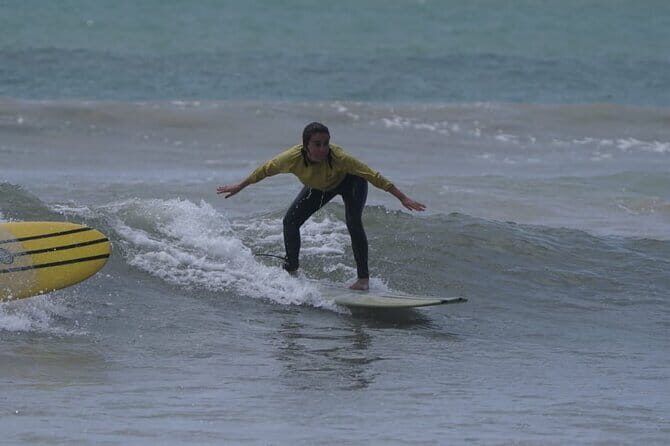
Your lesson starts at Kurumba Bay, Weligama, with the session ending right back at the same spot. For learning, that matters more than you might think. When you know exactly where you started and where you return, you waste less energy on logistics and more on surfing.
Kurumba Bay is also a sensible choice for a lesson because it is the kind of shoreline where many surfers train and where conditions can be appropriate for different levels (depending on the day). If you are new, you want a spot where you can build confidence in a controlled way. If you are improving, you want access to waves that help you practice timing and takeoff without constantly fighting the ocean.
One more practical note: the experience is described as near public transportation, so you should not feel stranded if you are coming from elsewhere in the area. It is not a “hard-to-reach only by tuk-tuk” situation.
If you're still narrowing it down, here are other tours in Galle we've reviewed.


What a 90-minute session really looks like
This is a mobile ticket experience, with a lesson duration of about 1 hour 30 minutes. The time is short by design, so the structure is meant to give you maximum value for minimum fuss.
In plain terms, you should expect three phases:
1) Quick setup and safety focus so you are comfortable with how to handle the board and move in the water.
2) Surf practice guided by your level, with the coach correcting technique while you go.
3) A wrap-up with feedback so you know what to keep and what to change.
Because it is private, the instructor can adjust how you learn. If you stall during pop-up drills, they do not just watch and hope you figure it out. If you are already standing but losing position, the coach can focus on wave reading and line-up behavior. That is the difference between a lesson that sounds good and one that actually helps you progress.
Beginner coaching: pop-up, paddling, and confidence in whitewater
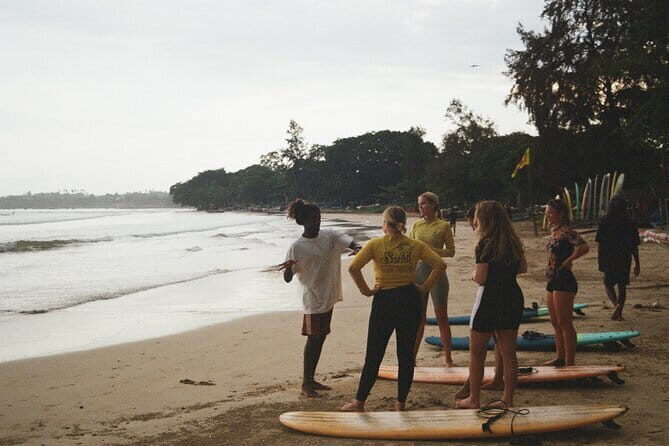
For a beginner lesson, the goal is to get you competent in the basics first. The beginner session is set up around safe board handling, the right paddling technique, and perfecting your pop-up. You also get feedback at the end, which is huge for beginners. When you are new, it is easy to think you are doing the right thing when you are not. Feedback cuts through that.
Here is what the beginner-focused items translate to on the beach:
- Safe board handling means you learn how to avoid awkward, dangerous moments when you are carrying or getting on the board.
- Right paddling technique helps you move efficiently. If you paddle well, you spend less effort just trying to get into position.
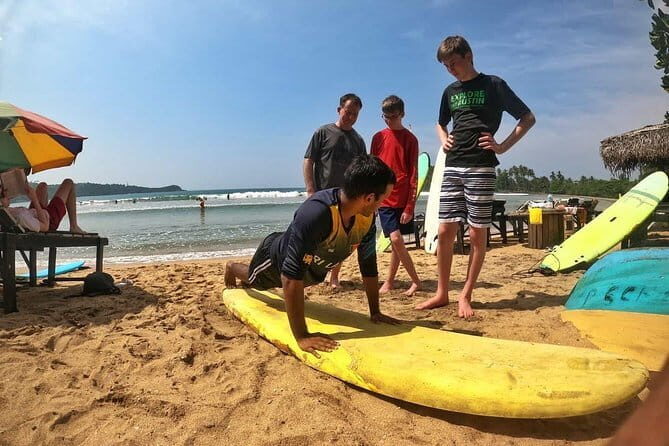
- Pop-up practice builds muscle memory for the transition from prone to standing. The early wins usually come from repeating the exact motion pattern, not from random guessing.
From the way the instructors are described, you will also feel a strong push for confidence. One beginner example mentions going from occasional standing in early conditions toward more consistent performance on a long board. That kind of improvement typically happens when someone is patient with your pace and gives you a clear next step instead of piling on too many corrections at once.
Intermediate focus: reading waves and reaching the line-up safely
Once you are past the brand-new stage, the lesson shifts toward performance and decision-making. The intermediate session (about 120 minutes in the provided level description) is built around refining technique and learning to read waves, catch them at the right moment, and reach the line-up safely. You also get feedback to track progress.
If beginner lessons teach you how to move, intermediate lessons teach you when to move. Wave reading is not mystical. It is mostly pattern recognition:
- When you see the wave setting up, you need the timing for the takeoff.
- When you aim for the right moment, you do not just stand up. You stand with momentum.
- When you understand the line-up entry, you avoid chaotic situations and stay safer around other surfers.
The intermediate coaching goal is also about efficiency. You do not want to waste paddling energy on the wrong waves. You want fewer, better attempts. With a private coach, you can get corrections tuned to what you are doing in real time.
Advanced session: spots, channels, and turn practice
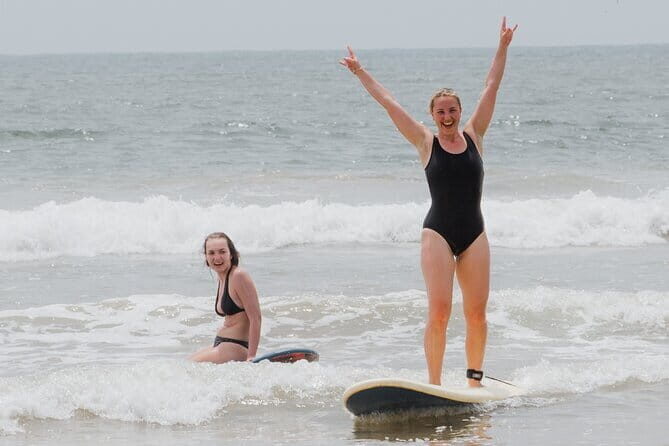
Advanced lessons are described as 120 minutes and include guidance on surf spots, channels, and risks. The coaching also targets advanced maneuvers like cutbacks and snap turns, plus tailored feedback for the specific techniques that interest you.
This is the part of the ocean where a simple “just ride” approach can get you into trouble. Risk awareness is not just theory. Channels, currents, and how waves break can change your route and your safety. A good advanced coach helps you understand where the hazards are likely to be and how to navigate them with more intention.
For maneuvers, cutbacks and snap turns are about control and speed management. The instruction you get should connect those moves to what the wave is doing right then, not just generic skateboarding-style movements. If you are already getting turns, the best advanced feedback tends to focus on small things that create big results, like body position at the moment of rotation or how you set up your line.



Apple’s coaching style: clear cues, good vibe, and lots of feedback
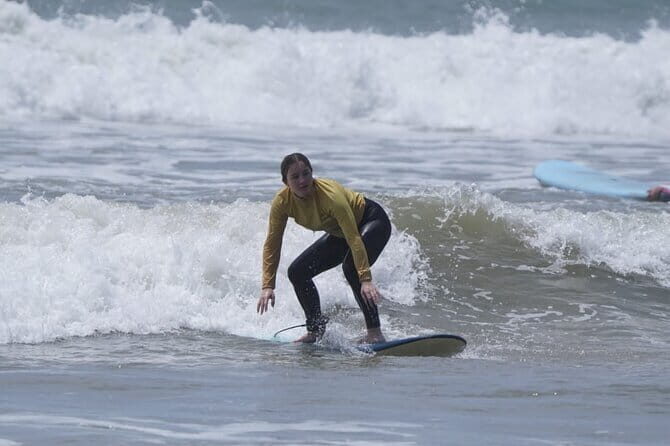
What really elevates this experience is the human part. The instructor vibe is described as patient, encouraging, and even humorous. Humor is underrated in surf lessons. You will wipe out at least once, maybe more, and if the mood stays light, you learn faster.
Several details show up repeatedly in the way lessons are described:
- The coach gives clear explanations of movements instead of vague advice.
- There is a safe feeling in the water because the instruction is structured and watchful.
- Feedback is repeated and specific enough that you can actually act on it.
- The coach’s energy helps beginners stay in the water long enough to improve.
Also, one beginner account mentions Vishwa by name as being patient and helping with pop-up technique and confidence. Since the provider is Surf with Apple, you will want to treat this as a clue that you may meet different instructors in the same coaching team. If having the exact instructor is important to you, message in advance to confirm who will teach your session.
Price and value: $35 for a private group lesson that actually targets progress
The price is listed as $35.00 per group (up to 1). That is effectively budget-friendly for private instruction, especially compared with lessons that cost a lot more just for generic group time.
The value part is not just the number. It is what you get for that money:
- You receive targeted instruction for your level (beginner, intermediate, advanced).
- You get end-of-session feedback, so you leave with a plan.
- The private setup means your corrections are not delayed by other people’s questions.
- The session is short enough to be easy to fit into a day in Weligama.
If you are traveling with someone and each of you needs coaching, that is a separate decision based on your own goals. The listing states up to 1 per group, so in practice you may end up paying per person for private attention.
Timing, weather, and what to do if the ocean turns moody
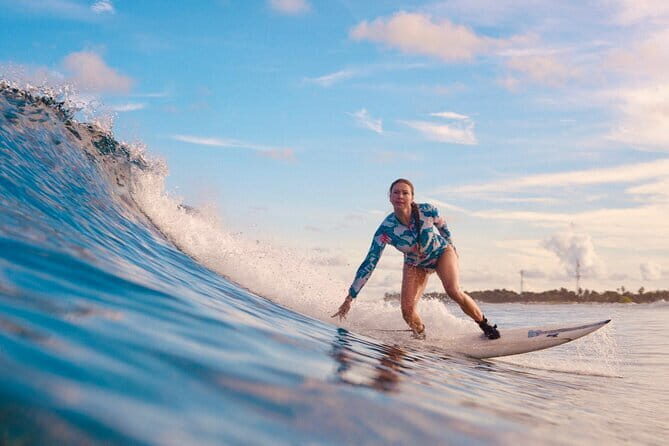
This experience requires good weather. If it is canceled due to poor weather, you will be offered a different date or a full refund. Surf is always weather-dependent, so treat this as a normal part of the sport, not a surprise.
A practical way to plan: schedule your lesson earlier in your trip if you can. That way, if conditions force a reschedule, you still have time to try again. If your dates are tight, ask for a specific time window and keep your schedule flexible.
The experience confirmation is described as happening within 48 hours, subject to availability. Also, the average booking advance is about 19 days, so if your dates are fixed, booking sooner is a smart move.
Where you will start and what to bring
You will meet at Kurumba Bay – Weligama, Weligama 81700, Sri Lanka, and the lesson ends back there. Because the provided details do not spell out gear or what is included, I suggest you show up ready to ask. At minimum, you will want to be comfortable in the heat and able to get in the water.
If you have specific concerns (knee issues, fear of wiping out, or you want extra help with the pop-up), tell the coach early. In a private lesson, that kind of context helps the instructor tailor the coaching.
One more small thing: bring your patience. Surf improvement rarely happens in one session, but a good coach helps you make real progress fast by getting you aligned with the right technique.
Who should book Surf with Apple
You will likely love this lesson if:
- You are a beginner who wants clear, calm help with basics like pop-up and paddling.
- You are already standing but feel stuck, and you want coaching on timing and wave reading.
- You are chasing more control and want advanced practice for cutbacks, snap turns, and better understanding of surf zones.
You might think twice if:
- You want a long, all-day surf experience. This is short and focused, not a multi-session surf day.
- You need very specific lesson details not mentioned in the description. The structure is level-based, but the exact on-water drills are adjusted to conditions and your progress.
FAQ
Where does Surf with Apple start?
The lesson starts at Kurumba Bay – Weligama, Weligama 81700, Sri Lanka, and ends back at the meeting point.
How long is the surf lesson?
The duration is listed as about 1 hour 30 minutes.
Is this a private lesson?
Yes. It is listed as a private tour/activity, and only your group participates.
What skill levels are offered?
The lesson descriptions include Beginner, Intermediate, and Advanced options, each with different coaching focus.
What do beginners work on?
The beginner session focuses on the basics like safe board handling, right paddling technique, and pop-up progress, with feedback at the end.
What do intermediate surfers work on?
The intermediate session focuses on refining technique, learning to read waves, catch them at the right moment, reach the line-up safely, and then get feedback.
What does the advanced session include?
The advanced description includes surf spot insights, channels and risks, and practice of advanced maneuvers like cutbacks and snap turns, with tailored feedback.
When will I get confirmation after booking?
You should receive confirmation within 48 hours of booking, subject to availability.
What happens if weather is poor?
The experience requires good weather. If it is canceled due to poor weather, you will be offered a different date or a full refund.
Should you book this surf lesson?
If you want a straightforward way to improve without guessing, I think you should book. The private format, the level-based coaching (from pop-up basics to advanced turns), and the emphasis on clear instruction plus feedback are a strong combo for real progress. It is also realistically timed for a vacation day, and the location at Kurumba Bay keeps things simple.
Just go in with the right mindset: the ocean is unpredictable, and 90 minutes moves fast. If you want to learn, get coached, and then practice immediately after, this is a smart bet.