REVIEW · GALLE
Sinharaja Rain Forest Tours (Full Day)
Book on Viator →Operated by Sinharaja Tour Guide · Bookable on Viator
Rainforest time moves slower than you expect. This full-day Sinharaja Rain Forest tour takes you deep into the reserve for 7+ hours, with leech protection items included so you can focus on the living jungle. You’ll also have a couple of waterfall moments at Kakunalla Falls and Pathanoya Falls, plus a strange-but-fun pause for natural fish therapy.
I especially like how much explanation you get along the way, not just a walk and a photo stop. With guides like Achi (noted for real biology training and serious forest work), you’re pointed to what you’re actually looking at—endemic birds, reptiles, plants, and the details that make Sinharaja special.
One consideration: this is not a casual stroll. The route involves serious time moving through thick forest, so you’ll want moderate fitness, and if you plan to bathe in the stream you’ll need extra clothes to change afterward.
In This Review
- Key things I’d circle before you go
- Why Sinharaja Rain Forest Tours feel different from a generic hike
- Deniyaya meeting point and the real timing of a full day
- Entering the reserve: leeches, safety, and the gear question
- Kakunalla Falls and Pathanoya Falls: water breaks that reward effort
- Natural fish therapy: what it is and when it fits
- Spotting Sri Lankan endemics: why the guide makes or breaks the day
- Lunch on a jungle day: fuel without breaking the rhythm
- What to expect in the walking: moderate fitness, real time, wet ground
- Price and value: is $30 a fair trade for a long forest day?
- Who this tour suits best (and who should rethink it)
- Should you book Sinharaja Rain Forest Tours (Full Day)?
- FAQ
- How long is the Sinharaja Rain Forest full-day tour?
- Where does the tour start and end?
- Is admission included in the price?
- Will the tour provide help for leeches?
- What should I bring for photography?
- Can I swim or bathe in the forest stream?
- Is this a private tour?
Key things I’d circle before you go
- 7+ hours in the reserve: Expect a real trek, not a quick nature walk.
- Kakunalla and Pathanoya Falls: Two waterfall visits that break up the hike.
- Leech-safety items provided: You won’t be left to deal with it alone.
- Natural fish therapy: A quirky stream stop that’s built into the experience.
- Guided spotting of endemics: You get help finding birds, reptiles, and plants in context.
Why Sinharaja Rain Forest Tours feel different from a generic hike
Sinharaja Rain Forest is one of Sri Lanka’s big nature experiences, and the full-day format matters. The tour is designed around being in the reserve long enough to actually notice how the forest works: how trails funnel you through micro-habitats, how sound leads you to wildlife, and how the guide’s eyes can turn a slow walk into constant finds.
What I like is that it’s not sold as a lazy stroll. The itinerary tells you plainly that the trek can run more than 7 hours inside the forest, so you don’t show up expecting shortcuts. The payoff is time—time for birdsong, time for reptiles to show movement, and time for the guide to teach you what’s worth looking at.
You also get practical structure. Lunch is provided, and the tour is set up as a private experience for your group, so you can ask questions without the pressure of keeping up with strangers. That makes a difference when you’re trying to track small things—like birds you can hear but can’t immediately see.
And yes, there are waterfalls. Kakunalla Falls and Pathanoya Falls give you those visual rewards outside the constant “green on green” of the forest interior. It’s a good way to break up the day so it doesn’t feel like the whole experience is one long grind.
A few more Galle tours and experiences worth a look
Deniyaya meeting point and the real timing of a full day
This tour starts and ends in Deniyaya, Sri Lanka. In practice, that’s important: it means you’re organizing your day around a morning departure and returning to the same area later the same day.
The advertised duration is about 6 to 8 hours, but the experience is described as traveling deep through the forest for more than 7 hours. One past schedule example puts it around an 8 am to mid-afternoon window, with roughly 7 to 8 kilometers of walking. So don’t plan this like a short add-on. Treat it as your day’s main event.
If you’re staying around Galle (common for visitors), you should expect a drive into the Deniyaya area before the forest trek begins. Since the tour starts at Deniyaya, it’s smart to build in buffer time for traffic and road conditions. You’ll have a better day if you’re not stressed before the hike even starts.
Entering the reserve: leeches, safety, and the gear question
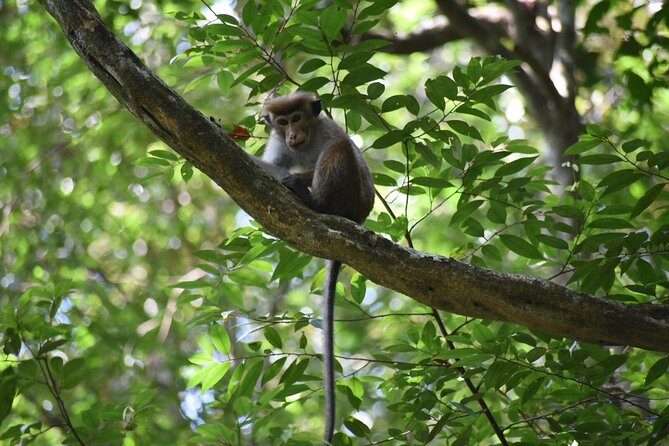
The tour doesn’t sugarcoat the environment. You’re going to be walking in a place where leeches exist, and that can scare people off if they hear vague warnings. The good news here is that the tour provides necessary things to get rid of leeches and to be safe from them.
That matters because it removes the guesswork. You don’t need to reinvent a leech plan. Still, do yourself a favor and come prepared for the reality of humidity and wet ground. Wear clothing that you’re okay getting muddy, and bring your footwear mindset accordingly.
There’s also a clear photography note: please bring the required equipment to take photographs. Since you’ll be moving through a jungle where light can be dim and subjects can be quick, bring what works best for you—smartphone, camera, whatever you’re comfortable handling with wet hands and limited time.
Finally, the tour format includes guidance throughout. You’ll get details and explanations about flora and fauna species during the trek, so you’re not left staring at plants hoping you guessed right.
Kakunalla Falls and Pathanoya Falls: water breaks that reward effort
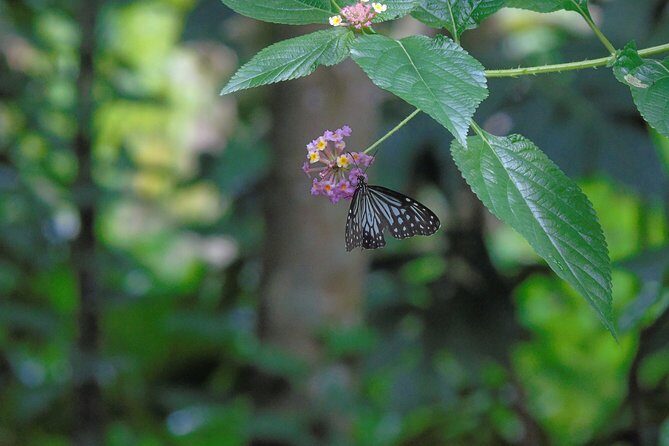
Waterfalls are one of the best “mental reset buttons” in a rain forest. Kakunalla Falls and Pathanoya Falls offer exactly that during the day.
Here’s the practical angle: the tour includes visits to both. That means the day isn’t only about staying focused on tiny wildlife. You’ll also have those wider, open moments where you can look for movement in the spray, spot birds using the area around water, and get photos with more dramatic backgrounds than just forest undergrowth.
One extra detail matters if you’re considering swimming: if you wish to bath in the stream flows in the forest, you must bring extra clothes. That’s not a casual suggestion. The stream experience is tied to the forest environment, so you’re likely to get wet, then need to change to avoid cooling down for the rest of the trek.
If you don’t plan to bathe, still think about comfort. Falling water often means slippery footing and cooler air. Wear gear you can move in confidently.
Natural fish therapy: what it is and when it fits
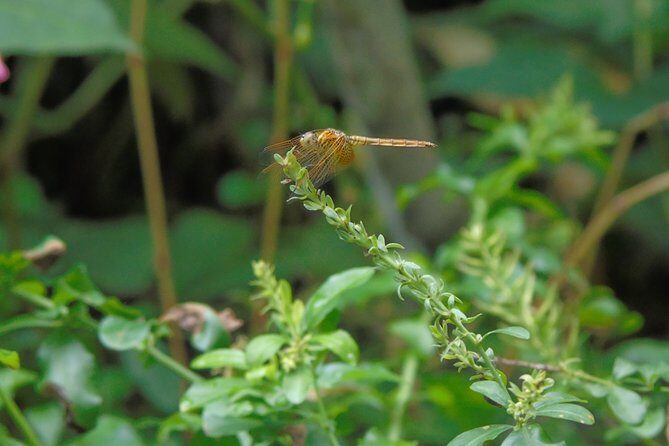
Natural fish therapy is included as a stop during the tour. That means there’s a specific moment in the day when you’ll be near the stream and invited into a quirky water-based experience.
What I think is valuable about including it is that it’s not tacked on randomly. It’s placed where your pace slows and you get a chance to do something different from walking and photographing. Also, it’s very “Sinharaja”: this is the kind of rainforest interaction you won’t find in a dry-zone park.
Just go in with the right mindset. Even if you’ve heard of fish therapy before, treat it like a short intermission, not the main reason for booking. The real heart of the day is the full forest trek and the wildlife spotting with explanations.




Spotting Sri Lankan endemics: why the guide makes or breaks the day
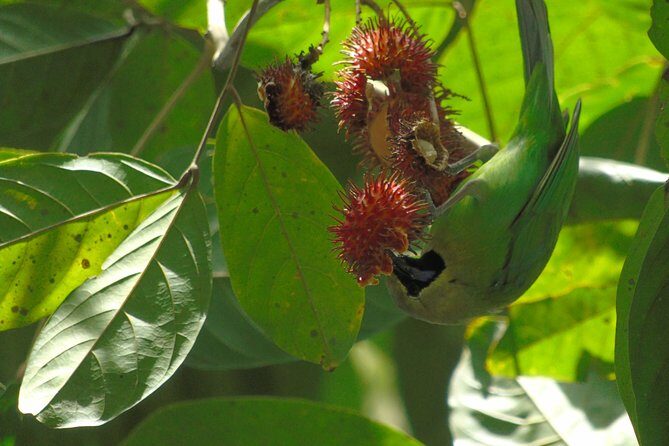
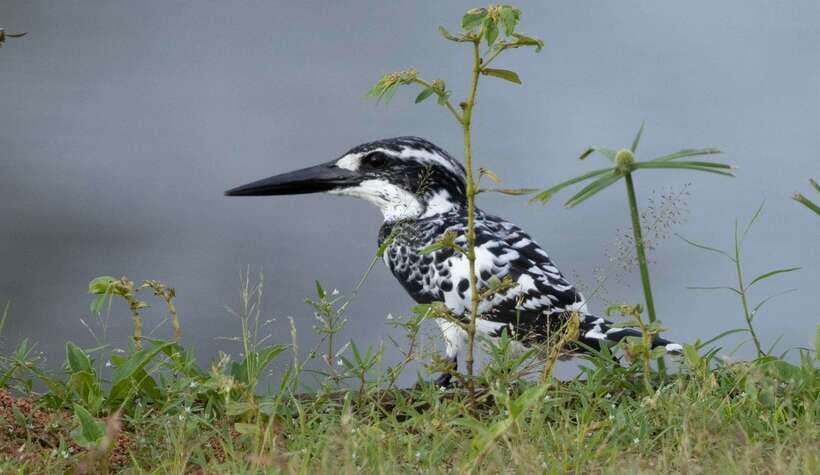
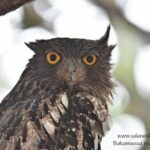
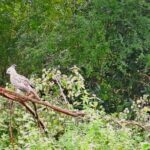
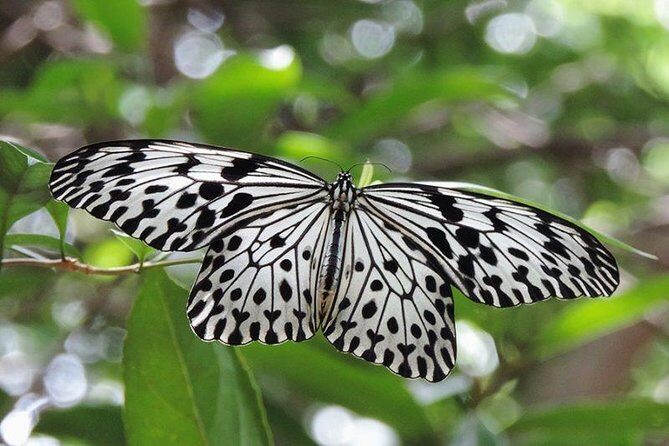
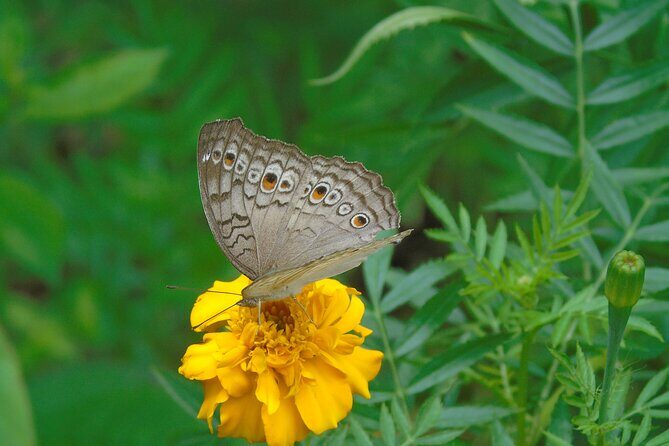
This is a bird-and-bio kind of tour. You’re going to see Sri Lankan endemic birds, animals, reptiles, and plants, and you’ll be provided all necessary details and explanations about the flora and fauna species throughout the tour.
That last part is key. In forests, you can walk for hours and still feel like you saw nothing. A guide who knows what to look for changes the game because it turns random greenery into identifiable species and behavior.
A standout from the tour’s feedback is the guidance style of Achi, praised for real biology education and serious passion for the forest. The same name shows up repeatedly, and people describe him as helpful with communication ahead of the tour and extremely good at spotting animals. The takeaway for you is simple: if you want a rainforest day that feels like you learned something, this tour’s guiding approach is a major reason people recommend it.
Also, the tour is private. That matters because wildlife spotting is timing-based. If your group wants slower pacing to watch a bird move, you’re more likely to get it than in a crowded group.
Lunch on a jungle day: fuel without breaking the rhythm
Lunch is provided by the tour. That’s not just convenience—it helps you stay on schedule during a long trek.
For a 6 to 8 hour experience with 7+ hours in the forest, hunger can wreck your patience and your ability to notice details. With lunch taken care of, you can focus on the trek and the guide’s explanations instead of spending your energy hunting for food.
The itinerary indicates you’ll have this built into the day, so you’re not guessing when you’ll eat. That makes planning easier if you’re coming from outside the Deniyaya area.
What to expect in the walking: moderate fitness, real time, wet ground
You’ll want a moderate physical fitness level. That’s the honest requirement stated for the tour.
Why moderate matters: the route runs long—more than 7 hours in deep forest. Even if the trail is navigable, the day is still physically demanding because of humidity, uneven footing, and the constant attention needed to move safely.
One practical note from a sample schedule: the whole journey can be described as a 7 or 8 kilometer trek. That’s not a distance you should take lightly when you’re moving through rainforest conditions. Expect slower walking than you’d do on a city path.
The tour is private, so your group’s pace can be adjusted, but the environment itself won’t. Come ready for the fact that the day is active.
Price and value: is $30 a fair trade for a long forest day?
At $30, this tour is priced like a serious deal for a full-day rainforest experience.
Here’s what you’re getting value-wise based on the details provided:
- A full day (about 6 to 8 hours) with a deep forest section
- Admission ticket free indicated in the itinerary
- Leech-safety help provided
- Lunch provided
- Endemic wildlife spotting with explanations
- Private tour for your group
- Waterfall visits at Kakunalla Falls and Pathanoya Falls
- Natural fish therapy
- A mobile ticket approach for easier entry
The one thing you pay for beyond the headline price is your comfort and prep: photography equipment, and extra clothes if you want to bathe in the stream. But those are normal personal items for this kind of trip.
So for many visitors, $30 isn’t just cheap—it’s competitive because the day includes more than “see the forest.” It includes safety support, teaching, food, and multiple highlights.
Who this tour suits best (and who should rethink it)
This is a great fit if you:
- Want a guided rainforest day focused on endemics, not just photos
- Are curious about Sri Lanka’s birds, reptiles, and plants
- Prefer a private experience where your questions are part of the trip
- Don’t mind a long trek and can handle moderate fitness demands
It may not be the best choice if you:
- Want a low-effort walk with minimal time in thick vegetation
- Get easily put off by wet environments and the fact that leeches exist in rain forests
- Are not comfortable with the idea of moving for 7+ hours in rainforest conditions
If you’re the kind of person who likes nature but wants it to feel organized and explained, you’ll likely enjoy this more than an unguided trail.
Should you book Sinharaja Rain Forest Tours (Full Day)?
If your goal is a real rainforest day with wildlife you can learn about, I’d book this. The strongest selling points are the long time in the reserve, the guide-led endemics, and the fact that leech safety items and lunch are handled for you. Add in waterfall visits at Kakunalla and Pathanoya, plus natural fish therapy, and you get a day with multiple kinds of rewards.
The decision hinge is your comfort with moderate fitness and a longer trek through thick forest. If you’re up for that, this tour looks like a very solid value for Sri Lanka’s nature lovers.
FAQ
How long is the Sinharaja Rain Forest full-day tour?
The tour lasts about 6 to 8 hours. It includes traveling deep into the forest for more than 7 hours.
Where does the tour start and end?
It starts in Deniyaya, Sri Lanka, and ends back at the same meeting point.
Is admission included in the price?
Admission ticket is shown as free in the itinerary, so you should plan on not paying separate admission for this tour.
Will the tour provide help for leeches?
Yes. The tour notes that necessary things are provided to get rid of leeches and to be safe from them.
What should I bring for photography?
You should bring the required equipment to take photographs, since there are opportunities to photograph wildlife and scenery.
Can I swim or bathe in the forest stream?
If you wish to bath in the stream flows in the forest, you must bring extra clothes with you.
Is this a private tour?
Yes. It’s listed as a private tour/activity, with only your group participating. Confirmation is subject to availability.