Cooking in a real home changes things fast.
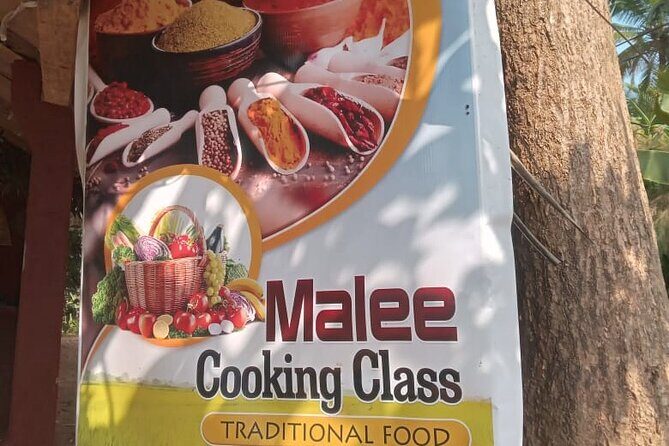
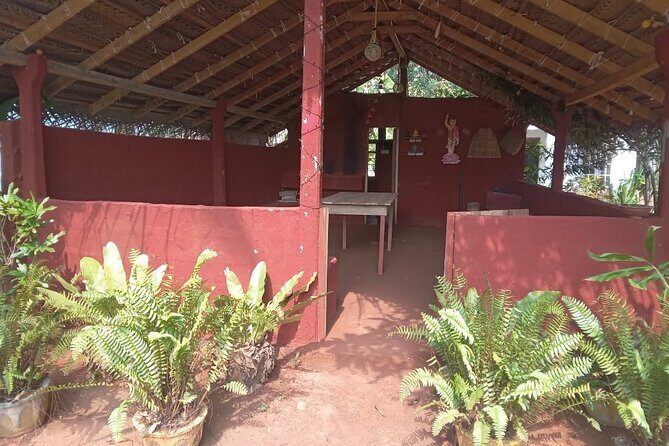
This 3-hour Malee Cookery Lesson in Sigiriya is built around an authentic village kitchen and an old-school way of cooking Sri Lankan healthy curries. I love that you’re not just watching a demo—you’re actively involved, using primitive tools alongside a few modern helpers. I also like that the meal is designed to show regional differences across the island, so you get more than one flat version of curry. The one thing to consider: you’ll likely want an appetite on day one, because you’ll end up eating a lot of what you cook.
The biggest win is the family setup. You’re welcomed into Malee’s home kitchen, and the experience stays relaxed even while you work through multiple dishes. I love the hands-on pacing and the fact that the ingredients come from Malee’s garden, which keeps it tasting fresh and grounded. One possible drawback: since it’s a home setting, the exact flow and emphasis may vary by day depending on what’s ready in the garden and what ingredients are in season.
If you want a true taste of Sri Lanka beyond a restaurant menu, this is an easy yes.
In This Review
- Key Points Before You Go
- A Village Kitchen in Sigiriya: What the Lesson Really Means
- The 3-Hour Flow: From Welcome to the Big Eat-What-You-Make Meal
- The Menu: 8 Curries, Sambal Side Dishes, and a Seafood Dish
- Traditional Tools, Real Technique: How You Learn Beyond the Recipe
- Malee and Family Hospitality: The Relaxed Atmosphere That Makes You Want to Learn
- Price and Value in Context: Why $30 Works Here
- Logistics Without Stress: Pickup, Timing, and How to Plan Your Afternoon
- Who Should Book This Class (and Who Might Skip It)
- Should You Book Malee Cookery Lessons in Sigiriya?
- FAQ
- How long is the Malee Cookery Lesson?
- What time does the lesson start?
- Is pickup offered?
- How many dishes do you cook?
- Is it private or shared with other groups?
- What is the cancellation policy?
Key Points Before You Go
- Village-home cooking with a local family: you learn in the kitchen where the food routine actually happens
- Hands-on cooking, not a spectator show: you work the food as you go and eat what you make
- 8 dishes total, including a seafood curry: you’ll come away with a wider map of Sri Lankan flavors
- Garden-sourced ingredients: fresh produce is part of the experience, not a marketing line
- Primitive tools plus modern aids: you get traditional technique, without making it impractical
- Private group experience: only your group participates, so it feels personal and questions actually get answered
A Village Kitchen in Sigiriya: What the Lesson Really Means
This is the kind of cooking class that feels like you’re visiting someone, not running through a checklist. The setting is an authentic village kitchen hosted by a local family, and that matters because the focus stays practical: ingredients first, then technique, then taste.
You start in the early afternoon with a 1:00 pm meeting time, and (if you choose it) pickup is offered. Either way, you’re dealing with a real neighborhood rhythm, not a tourist hub kitchen. That’s a plus for your learning because you see how Sri Lankan cooking fits into daily life—prep, cook, eat, repeat.
What you’re learning is also clearly framed: Sri Lankan healthy curries made in a traditional way, with help from both primitive tools and a few modern ones. That mix is smart. Traditional tools teach muscle memory and texture, while modern aids help you avoid getting stuck on basics you can’t easily replicate at home.
It’s also designed to be beginner-friendly. One review specifically points out that the class is easy to follow even if you don’t know how to cook—so if your spice skill starts and ends at instant curry powder, you’re not automatically out of luck.
A few more Sigiriya tours and experiences worth a look

The 3-Hour Flow: From Welcome to the Big Eat-What-You-Make Meal

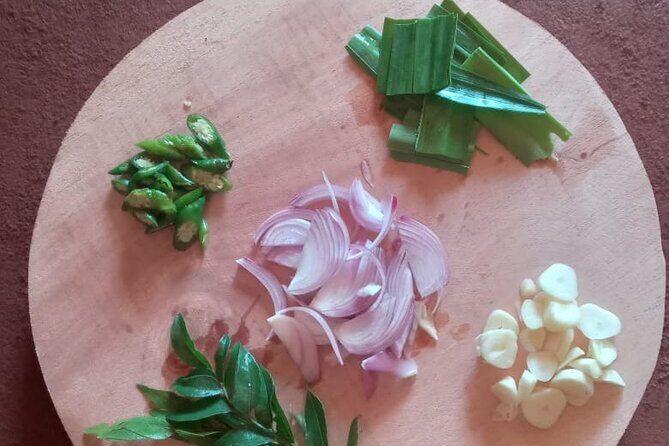
This lesson runs about 3 hours, and the structure is simple: you arrive, get settled, then cook your way through a full spread of Sri Lankan dishes. Since it’s hands-on, you’re not standing still for long. Expect to help with prep and cooking tasks, and you’ll likely rotate through different roles as the food moves from raw to simmering to ready.
A helpful detail is that the class is private, meaning it’s only your group. That usually makes the teaching feel more tailored. If you’re uncertain about timing—when something is ready, when to add something, how to judge flavor balance—having the space to ask matters.
You’ll also get a full meal out of it. Reviews call out that the portions can be generous, and that it can be hard to finish everything you make. That’s not a complaint—it’s a sign you’re not getting a token sample. One review even suggests you should not eat before the class, because you’ll end up regretting how much you ate beforehand.
So plan your day like this: eat light in the morning, wear clothes you can get slightly food-dusted, and bring a willingness to do real cooking work. It’s still relaxed, but you’re participating, not just learning.
The Menu: 8 Curries, Sambal Side Dishes, and a Seafood Dish
The headline promise is 8 different curries, including one seafood dish. That range is the main reason this class is great value for people who like variety and want to build a Sri Lankan cooking reference at home.
From the dish examples shared, you can expect a mix of:
- Chicken curry
- Vegetable curries
- A dhal (lentil) component
- Two sambal sides
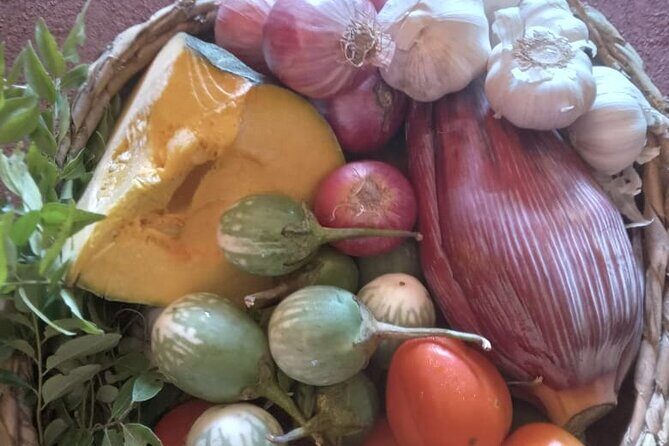
- A sambal that includes banana flower (so yes, it’s as interesting as it sounds)
- Plus rice and likely other meal extras like fruit
The key point for your decision-making: even if you don’t care about learning every single recipe, the class trains your palate. You’ll start understanding how Sri Lankan curry flavor is built—what feels different between a coconut-forward curry, a spice-forward sambal, and the way lentils round out the meal.
Also, that seafood curry matters. Many cooking classes keep things entirely chicken/vegetarian, so including seafood gives you a more complete picture of Sri Lanka’s menu logic. You’ll be better prepared to make seafood curries later, because you’ll have seen how the flavor style shifts when the main protein changes.
If you love spicy food, you may have a big grin moment here. Sambal is a big deal in Sri Lankan eating, and the fact that you’ll make multiple sambals means you won’t leave with just one spicy taste memory.
Traditional Tools, Real Technique: How You Learn Beyond the Recipe

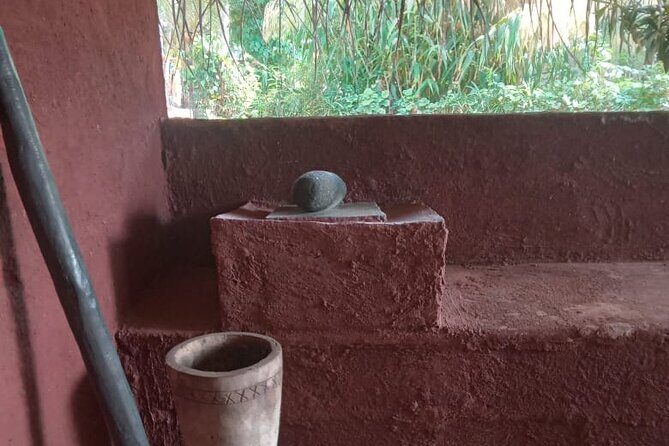
One of the most valuable parts of this lesson is the tool approach. The class uses old traditional methods with primitive tools, plus a few modern tools so you can still reproduce the results at home.
Why that’s important: most cooking classes teach ingredients and steps, but they skip the physical process. Here, you get a feel for technique—how texture changes as food cooks, how certain ingredients behave, and how the overall cooking rhythm influences flavor.
You also learn in the middle of a working kitchen, not a staged classroom. That means the teaching tends to be practical. If something needs more time, you see it. If a flavor needs balancing, you understand it through taste and adjustment rather than memorizing a line in a cookbook.
And because the ingredient sourcing is tied to the Malee garden, you’re working with produce that’s fresh. That can change everything. Fresher vegetables hold shape and flavor better, which makes curries taste more alive and less flat. It’s one of those details you don’t fully appreciate until you compare how bland a dish can taste when ingredients are tired.
Bottom line: you’re walking away with cooking instincts, not just a list of recipes. That’s what makes the class stick.
Malee and Family Hospitality: The Relaxed Atmosphere That Makes You Want to Learn
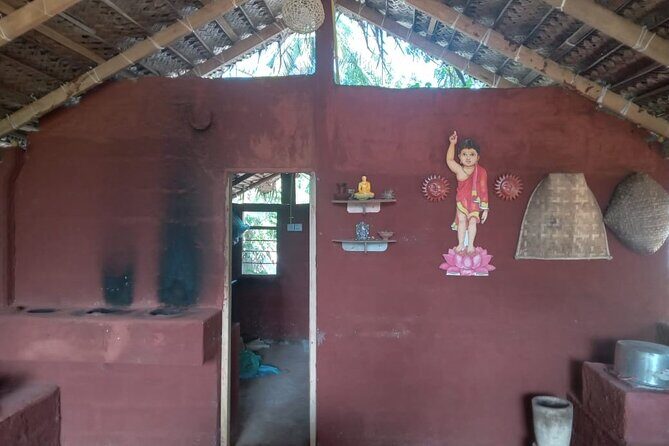
The vibe matters more than people think. Cooking instruction can become stiff if the setting feels like a performance. Here, the home setting stays chilled while still being genuinely focused.
Reviews highlight a warm family atmosphere, and the experience sounds very “everyone helps” rather than “one person talks, others watch.” Malee and family members guide the process and assist with prep and cooking. That team approach is a big deal if you’re worried about messing something up. When someone’s watching and helping, you gain confidence fast.
The hospitality also shows up in the way the lesson is described: you’re welcomed into the home, and you get the chance to eat together after cooking. That social part is not just nice. It gives you a feedback loop. You taste what you made right away, and you can ask questions while the flavors are fresh in your head.
So if you’re the type of traveler who likes cultural experiences that don’t feel staged, this fits well.





Price and Value in Context: Why $30 Works Here
At $30.00 per person for about 3 hours, this class prices itself like an activity, not a restaurant meal. The value is in what you actually get:
- A private group format, so it’s not one big shared show
- Hands-on cooking across 8 dishes
- A meal that includes what you cook, so the class ends with a full eating experience
- Ingredients sourced from Malee’s garden, which supports quality
- Traditional technique using primitive tools, plus practical modern support
If you think of cooking classes as entertainment, $30 might feel like a steal. If you think of it as a full meal plus instruction, the deal gets even clearer. You’d likely spend more than this on a single dinner in a tourist area—and you’d still leave without the ability to recreate the flavors.
That doesn’t mean it’s automatically right for everyone. If you strongly dislike hands-on activities or you’re short on time, you might feel the cost as “too much for too much work.” But if you enjoy learning by doing, this is a rare combo of culture, food, and value.
Logistics Without Stress: Pickup, Timing, and How to Plan Your Afternoon
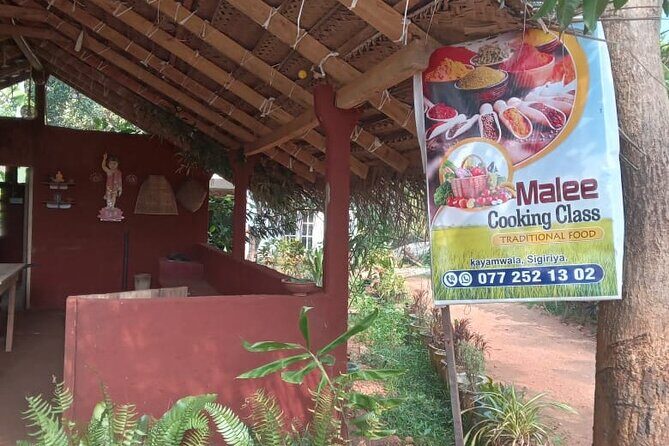
The lesson starts at 1:00 pm and runs about 3 hours. That timing works well if you’ve got a slower morning or you’ve already done a Sigiriya sightseeing block and want something rewarding without being rushed.
Pickup is offered, and the experience is near public transportation. That gives you flexibility. If you want the easiest route, choose pickup. If you prefer to keep things independent, you can still get there without it feeling impossible.
It’s also a private tour/activity, meaning only your group participates. That usually helps with comfort and questions.
One practical tip: bring a small amount of patience for a home-kitchen environment. This is not a commercial cooking studio with perfect lighting and timed stations. That’s a feature, not a bug. Just plan to dress comfortably and expect a lived-in kitchen.
And yes, eat less before you go. You’ll likely be cooking and then eating a lot.
Who Should Book This Class (and Who Might Skip It)
This cookery lesson is a strong match if you:
- Want to learn Sri Lankan flavors you can actually reproduce
- Enjoy hands-on experiences more than passive tours
- Like spicy and fresh sides such as sambal
- Prefer authentic settings over copy-paste tourist experiences
- Want a complete meal, not a small tasting
It might be less ideal if you:
- Hate cooking work or get stressed by multitasking
- Are very short on time
- Prefer very structured, classroom-style lessons with exact measurements every step (this is more practical than academic)
If you’re traveling with a group, private format makes it more enjoyable. If you’re solo, it can feel like a small, personal invitation rather than a crowded class.
Should You Book Malee Cookery Lessons in Sigiriya?
Yes, if your goal is real Sri Lankan cooking you can bring home. The combination of hands-on instruction, a family-run village kitchen, garden-fresh ingredients, and a menu that includes 8 curries (including seafood) makes this one of the more complete ways to learn the cuisine in the area.
Book it especially if you’re excited by curry variety and you want to understand how different dishes and sides work together on one plate. If you show up hungry, willing, and curious, you’ll likely end the afternoon with cooking confidence and a dinner you didn’t have to guess your way through.
FAQ
How long is the Malee Cookery Lesson?
It lasts about 3 hours.
What time does the lesson start?
The start time is 1:00 pm.
Is pickup offered?
Yes, pickup is offered.
How many dishes do you cook?
You cook 8 dishes, including one seafood dish.
Is it private or shared with other groups?
It’s private—only your group participates.
What is the cancellation policy?
You can cancel for a full refund up to 24 hours before the experience’s start time. If you cancel within 24 hours, the amount paid is not refunded.