REVIEW · COLOMBO
Colombo: Local Market Tour & Cooking Demo with Lunch
Book on GetYourGuide →Operated by Aktivitar · Bookable on GetYourGuide
Sri Lanka turns dinner prep into a real adventure. In about 4 hours, you go from a local market to a countryside home kitchen, where you help cook a Sri Lankan lunch and even make dessert. I love that you handpick seasonal ingredients yourself, and I also love the personal, family-style teaching from the hosts. One thing to consider: if you have specific dietary needs, you should message in advance so the menu and ingredient choices work for you.
You’ll start with hotel pickup and a short ride by tuk-tuk, then meet your English-speaking guide. The market part is practical and sensory: pick produce, then connect those choices to what ends up on your plate. If weather is rough, the experience may be rescheduled, so build in a little flexibility.
In This Review
- Key Highlights You’ll Care About
- Colombo’s Market-to-Kitchen Plan in 4 Hours
- Tuk Tuk Pickup and the First Stop: The Local Produce Market
- What You Pick Matters: Vegetables, Fruits, and Meat for Sri Lankan Cooking
- Inside the Countryside Home: Your Hands-On Sri Lankan Cooking Session
- Spices, Techniques, and Family-Style Tips You Can Reuse
- Lunch You Actually Eat: Locally Inspired Feast and Dessert
- Price and Value for a Market + Cooking Experience in Colombo
- Who This Tour Fits Best (And When to Choose Something Else)
- Should You Book This Colombo Market and Cooking Tour?
- FAQ
- How long is the Colombo local market and cooking experience?
- What does the $55 per person price include?
- Is the cooking class hands-on or just watching?
- Where does the tour start in Colombo?
- Do I need to speak another language besides English?
- Is gratuity included?
- What should I wear or bring?
- What happens if weather is bad?
Key Highlights You’ll Care About
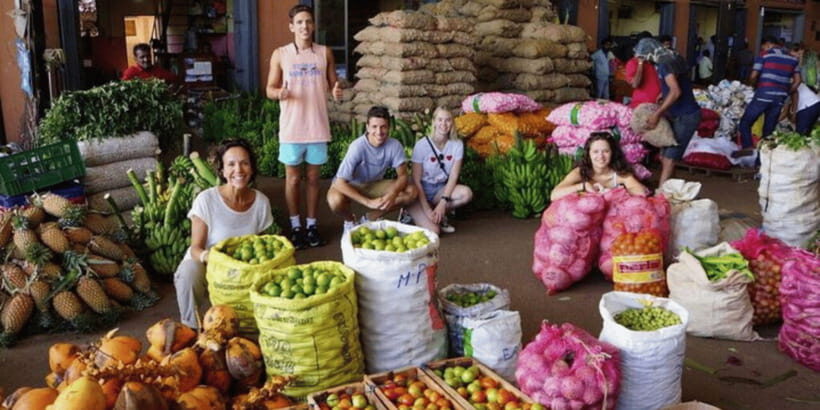
- Market picking first: You choose vegetables, fruit, and even meat ingredients for the meal.
- Hands-on Sri Lankan cooking: You don’t just watch—you work the recipes with guidance.
- Family-style teaching: Hosts like Roman and Delrin Vanhoff share techniques and secret-style know-how.
- Healthier-style flavors: Expect a Sri Lankan approach that can be tasty without feeling heavy.
- Eat what you cook: Lunch includes a locally inspired feast plus time for dessert.
Colombo’s Market-to-Kitchen Plan in 4 Hours
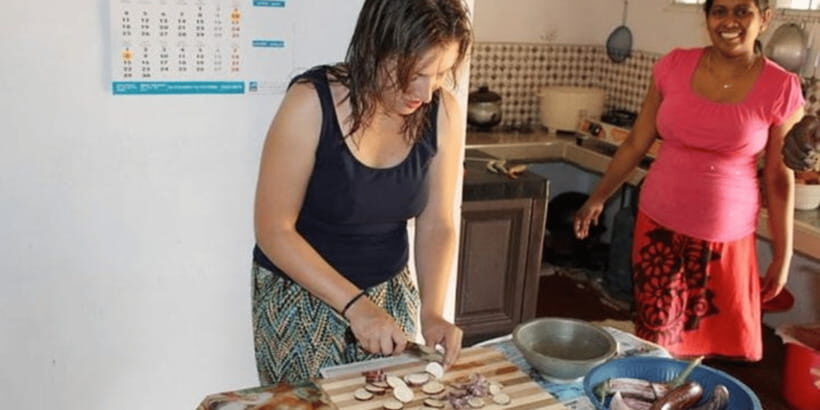
This isn’t a long, slow food tour. It’s a fast, focused plan that gets you doing the work: selecting ingredients and cooking them for lunch. The value here is the pairing—most half-day tours show you food culture, but fewer also get you into the kitchen long enough to understand why the flavors work.
I like the structure because it respects your time. You’re not spending the afternoon commuting across half the city. You’re doing one main thing, in the right order: market first, then cooking, then eating. That flow makes everything click, especially if you’re the type who wants to understand what you ate, not just taste it.
At $55 per person, it’s positioned as a genuine experience rather than a tasting-only stop. You’re getting hotel pickup and drop-off, tuk-tuk transport, an English guide, lunch, and refreshments—plus the cooking instruction itself. For Colombo, that can be a solid deal when you compare it to standalone cooking classes that usually don’t include the ingredient shopping stage.
Other Colombo tours we've reviewed in Colombo


Tuk Tuk Pickup and the First Stop: The Local Produce Market
Your day starts with pickup from centrally located Colombo hotels, and you’ll want to be ready in the lobby 15 minutes before your scheduled time. Then you’ll travel by tuk-tuk, which is part practical and part fun. It helps keep the schedule tight, and it also gets you out of the hotel bubble fast.
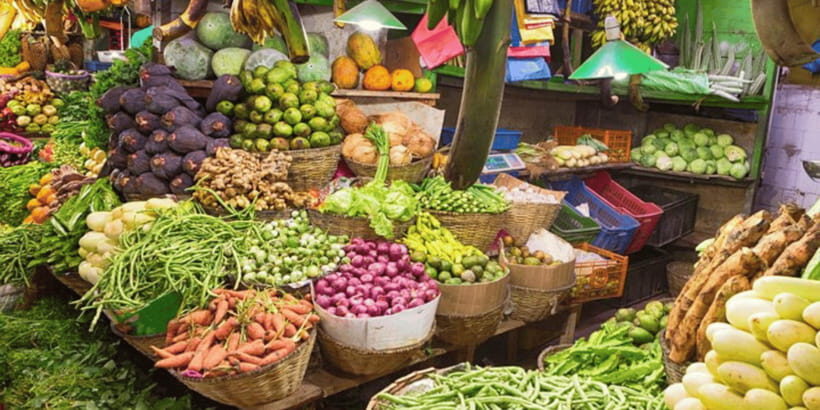
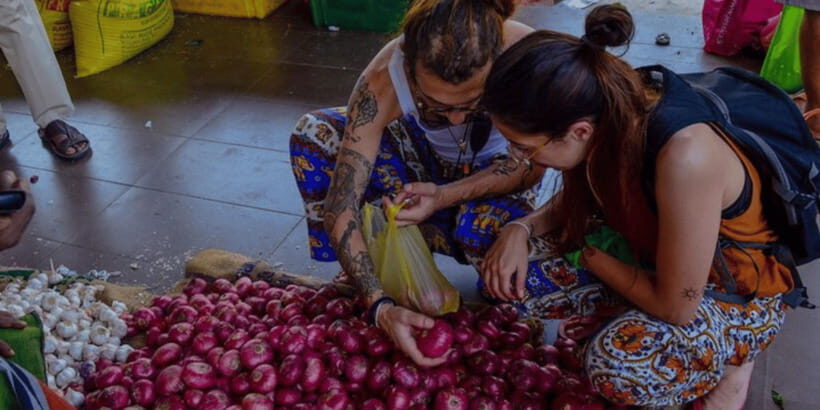
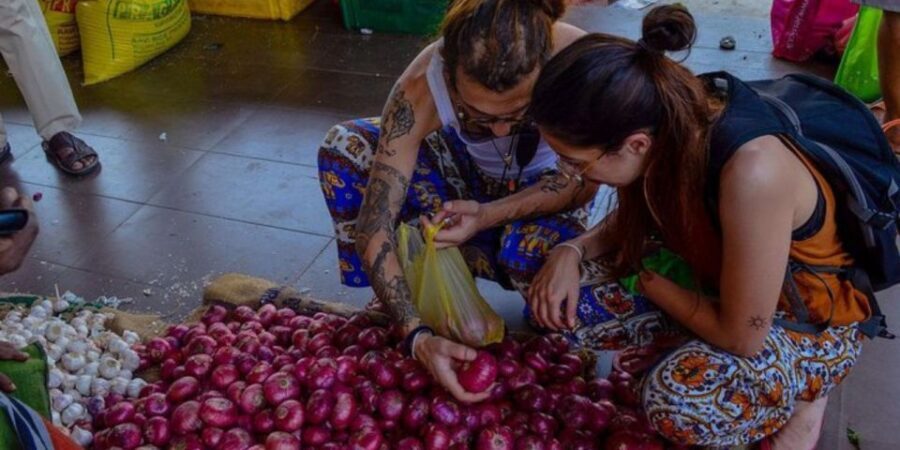
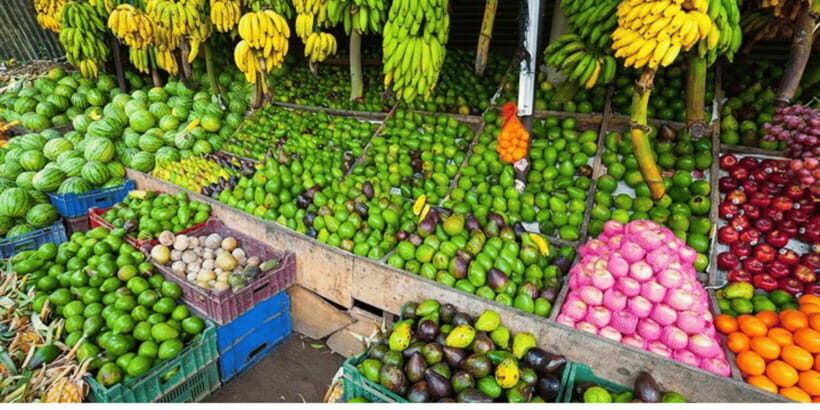
The first real moment is the market. This is where you see the ingredients up close—color, smell, and freshness—before anyone starts talking recipes. It’s not just a walkthrough. Your guide supports you as you select vegetables and fruit for the cooking session, and that selection becomes part of the story of your lunch.
What I like about the market portion is that it teaches you to cook with decisions, not guesswork. When you pick the ingredients yourself, you learn what matters: freshness, seasonal availability, and how different produce behaves during cooking. That means the cooking class feels less like a show and more like training.
A small consideration: markets mean sensory overload—noise, smells, and lots of movement. Wear comfortable clothes and expect to walk and stand at least a bit.
What You Pick Matters: Vegetables, Fruits, and Meat for Sri Lankan Cooking
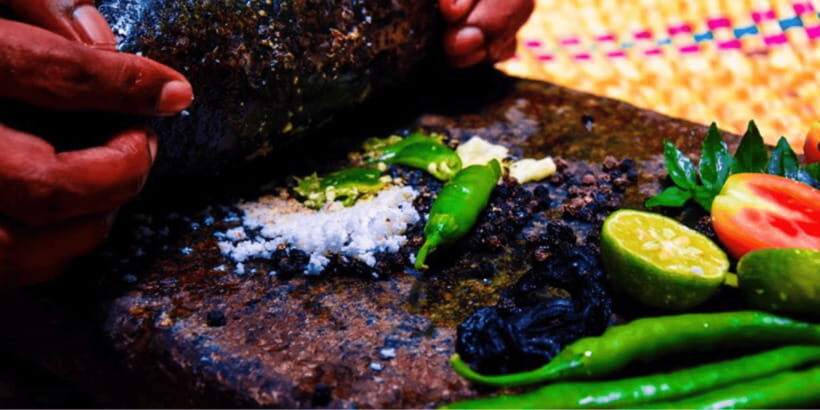
The best cooking lessons start with ingredient logic. Here, you’re not just grabbing whatever looks good—you’re choosing what the recipe relies on. You’ll handpick fresh seasonal ingredients, and the meal may include meat ingredients along with vegetables and fruit, depending on what’s planned for your group.
This is also where dietary planning becomes important. In a positive note from one host experience shared in earlier feedback, the cooking felt healthy and tasty, not oil-heavy. Still, another piece of practical advice came through: ask about ingredient selection and how they’ll handle different diets. If you’re vegetarian, avoiding pork, or have allergies, don’t wait until you’re in the kitchen. You’ll get better results if you confirm beforehand so you’re not stuck with an awkward mismatch.
If you can be flexible, the market-to-kitchen flow makes the food feel more personal. You’re tasting what you chose, and you’re learning how Sri Lankan spice and technique turn basic ingredients into something satisfying.
Inside the Countryside Home: Your Hands-On Sri Lankan Cooking Session
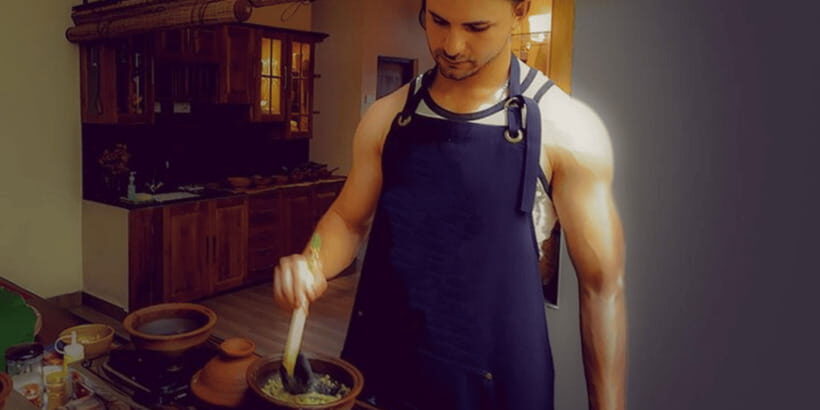
After the market, you move to a traditional countryside home for the cooking portion. This is the part that changes the whole experience. A home kitchen lets you see real routines: how ingredients are handled, how tools are used, and how recipes are remembered and adapted.
The class is guided, and you’ll follow instruction from the host family. One shared experience specifically highlighted Roman and Delrin Vanhoff as excellent teachers, with a mother-daughter approach that made the process feel welcoming and clear. That kind of teaching matters because Sri Lankan cooking depends on more than one simple technique—you’ll pick up method as well as flavor.
What you’ll do is hands-on cooking, guided from start to finish. You’ll learn the traditional approach behind Sri Lankan dishes, including how to manage spices and how to bring different components together. And yes, you’ll get support to make it work even if you’re not used to working with unfamiliar spices.
Spices, Techniques, and Family-Style Tips You Can Reuse
Sri Lankan flavor isn’t just about one spice. It’s about balance—how you layer heat, aroma, and depth so the meal feels cohesive. In this cooking session, the guide and host family explain how the spice work fits into the dish, not just what goes in the bowl.
I also appreciate the way this experience treats cooking as technique. One review praised the food as healthy and tasty, which lines up with the idea that Sri Lankan cooking often uses oil more thoughtfully than many people expect. You’re there to learn the logic behind the method, like when flavors need time to bloom and when ingredients should stay brighter.
You’ll also hear about “secret” family-style recipes—those are often less about mysterious magic and more about small decisions: a specific balance of spices, a texture choice, or a timing step. When you learn those, you can recreate parts of the meal later, even if you don’t copy every ingredient.
And you don’t just focus on savory. You’ll learn a sweet element too.
Other shopping tours in Colombo



Lunch You Actually Eat: Locally Inspired Feast and Dessert
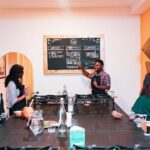
After cooking, you get to enjoy the meal you made. The plan includes a Sri Lankan lunch, and you’ll sit down to a locally inspired feast using the ingredients you picked earlier.
This is more than a reward. Eating the meal right after cooking helps you connect taste to technique. If something tastes extra fragrant, you remember how the spices were handled. If a dish feels comforting, you recall the steps that built that consistency.
Dessert is part of the experience as well. You’ll indulge your sweet tooth by crafting your own dessert during the session. That matters because it broadens the skill set. Cooking classes that skip dessert leave you with half the story.
One more practical note: the schedule is compact, so you should plan to be hungry when you arrive. This is not a grazing tour.
Price and Value for a Market + Cooking Experience in Colombo
Let’s talk money in plain terms. At $55 per person for 4 hours, you’re paying for four things that don’t always come together in one package:
1) Hotel pickup and drop-off
2) Tuk-tuk transportation
3) An English-speaking guide
4) A hands-on cooking session plus lunch (and refreshments)
That’s why the price can feel fair. You’re not only paying for food tasting. You’re paying for instruction, ingredient selection, and a full meal experience. The market step is a big part of the value because it turns the class into something you can understand, not just watch.
The main “cost” isn’t financial—it’s attention. You’ll need to stay engaged through the market and cooking. If you’re expecting a sit-back photo tour, this will feel too hands-on.
Who This Tour Fits Best (And When to Choose Something Else)
This experience is a strong match if you:
- Want a hands-on cooking session, not just a demo
- Like food that comes from fresh seasonal ingredients
- Enjoy spice-driven cooking and learning how techniques work
- Want an authentic home-kitchen setting in Colombo’s wider area
It’s also great if you’re traveling with limited time. Four hours is enough to experience the market-and-kitchen rhythm without turning your day into a logistical puzzle.
Choose a different option if:
- You need very specific dietary accommodations and don’t want to plan ahead. The best approach is to contact the hosts before arrival, since ingredient choices should match your needs.
- You dislike markets or standing/walking during the ingredient selection.
- You want a long, sightseeing-heavy day. This is focused on food, with the countryside home as the main setting.
Should You Book This Colombo Market and Cooking Tour?
I’d book it if your goal is to leave Colombo with more than photos and memories—if you want a real skill: buying ingredients, understanding Sri Lankan flavor logic, and cooking enough to enjoy the lunch while it’s still connected to the process.
It’s especially worth it if you appreciate the idea that cooking classes are only fun when you actually do the work. The combination of market selection, family-style instruction, and eating what you make is what gives this tour its edge.
Just do one smart thing: if you have dietary restrictions or preferences, communicate clearly before the day. You’ll get a smoother experience, and you’ll be able to enjoy the full menu without compromise.
FAQ
How long is the Colombo local market and cooking experience?
It lasts about 4 hours.
What does the $55 per person price include?
It includes hotel pickup and drop-off, tuk-tuk transportation, a tour guide, Sri Lankan lunch, refreshments and water bottles, and all government taxes.
Is the cooking class hands-on or just watching?
It’s hands-on. You’ll learn traditional techniques with guidance and help prepare the meal, including dessert.
Where does the tour start in Colombo?
Pickup is available from most centrally located Colombo hotels. You should arrange pickup from your hotel or a nearby location when you confirm your reservation.
Do I need to speak another language besides English?
The live tour guide speaks English.
Is gratuity included?
No. Gratuity is not included and is left to your discretion.
What should I wear or bring?
Wear comfortable clothing. The tour also involves being ready in your hotel lobby before pickup.
What happens if weather is bad?
The activity can be canceled due to inclement weather. It can be rescheduled, or you may receive a refund.