REVIEW · SOUTHERN PROVINCE
Yala National Park Safari FULLDAY and HALFDAY Expert Guided Tour
Book on Viator →Operated by Flamingos Jeep Safari Yala · Bookable on Viator
Five a.m. in Yala is pure energy. This full-day safari is built around the park’s best chances early, with an expert driver-guide and a customized 4×4. You also get a rare-feeling break with a picnic breakfast by the beach inside the park, then another meal later to keep the whole day from turning into one long grind.
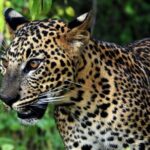
I love the way the tour runs on a clear wildlife plan, targeting Yala’s big three (leopards, elephants, sloth bears) more than once instead of doing a quick lap and calling it done. I also like the practical extras: free hotel pickup and drop-off, bottled water, and a jeep setup with front-facing seats that makes it easier to spot animals quickly.
One thing to plan for: the park entrance fee is not included in the $20 tour price. The fee listed is $45 for adults (with children charged half), so your real total cost is higher than you first expect.
In This Review
- Key highlights worth planning around
- Why Yala’s early drive is the smartest use of your day
- Getting from your hotel to the park: what the jeep setup means
- Big three strategy: leopards, elephants, and sloth bears without wasting daylight
- Beach breakfast and lunch inside Yala: the meal breaks you’ll remember
- Afternoon wildlife: what changes after 2:00 PM
- Price and Logistics: the real cost you should calculate
- What to wear (and how to not mess up your spotting chances)
- Safari ethics and the reality of sharing the park
- Who this full-day Yala safari fits best
- Should you book this Yala safari tour?
- FAQ
- What time does the full-day safari start?
- Is the national park entrance fee included in the price?
- What meals are included during the safari?
- What vehicle and comfort can I expect?
- How long is the tour?
- Is the safari dependent on weather?
Key highlights worth planning around
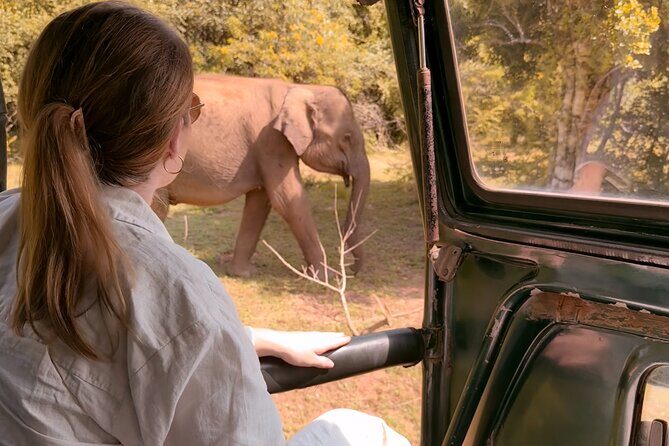
- Big three, repeated searches for leopards, elephants, and sloth bears across the morning and late hours
- Breakfast and lunch as picnics on the beach inside the park, so you don’t spend the day hungry or bored
- 4×4 safari jeep with front-facing seats, built for spotting, not comfort-posing
- Expert driver-guides who check in and drive safely, including names like Sanjeewa from past experiences
- Small-group feel with a maximum of 24 travelers
- Neutral-color tip and comfort gear, which actually matters in a safari setting
Why Yala’s early drive is the smartest use of your day
Yala rewards timing. Starting around 5:00 AM means you’re on the move when animals often feel less disturbed and visibility is usually better. The tour leans into that reality by focusing on the “big three” first—leopard, elephant, and sloth bear—while the park is at its most active.
This early start also changes the feel of your day. Instead of arriving midday, where you may only catch the tail end of action, you build your chances from the first hours. And because the plan includes another push later in the afternoon and evening, you’re not betting everything on one moment.
If you’re doing Yala for wildlife photos, the morning drive is the part that really makes the whole experience worth it.
Other Yala safari tours we've reviewed in Southern Province
Getting from your hotel to the park: what the jeep setup means
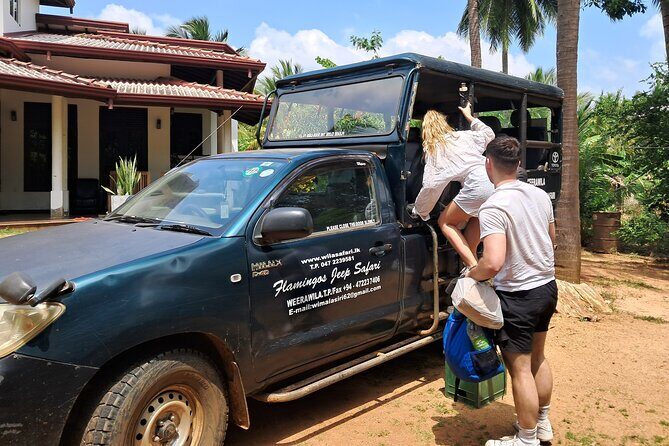
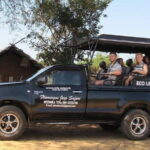
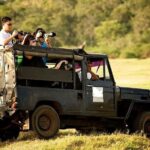
You get free hotel pickup and drop-off, which is a huge value add in Southern Sri Lanka. It saves you from figuring out transport schedules, bargaining, and the stress of arriving late. Then you’re placed in a customized safari 4×4 with front-facing seats—nice for both spotting and keeping your neck from doing gymnastics all day.
The tour includes an experienced driver-guide. That matters because Yala isn’t a zoo. Roads, sightlines, and animal behavior all shift, and a good guide helps you use time efficiently. In past experiences, guides have been described as attentive, receptive to questions, and careful about not chasing animals—exactly what you want when you’re sharing the park with other vehicles.
Also, the tour provides bottled water. You’re going to be out for a long day in a hot sun, and having that handled keeps you from overpacking or rationing too early.
Big three strategy: leopards, elephants, and sloth bears without wasting daylight
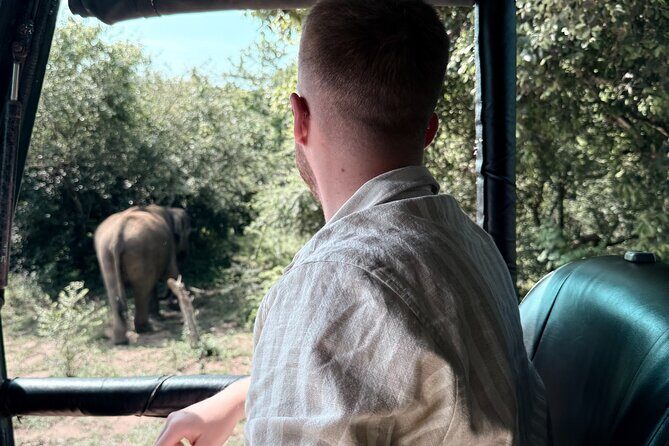
The safari is structured like a wildlife hunt with breaks. First comes the morning search for leopards, elephants, and sloth bears. Then you reset with breakfast, continue exploring, pause for lunch around noon, and head back out again at 2:00 PM for more chances. In the last hours, the plan returns to the big three again.
That repetition is not just a nice-sounding marketing line. It’s a practical way to deal with wildlife reality. Leopards move, elephants roam, and sloth bears are less predictable than the more obvious animals you might hope to see. With multiple time blocks dedicated to them, you’re giving yourself more opportunities instead of treating the safari like a single roll of the dice.
It also keeps the day from feeling random. Even when you’re not seeing the exact species you came for, you’re still moving through the park with a purpose: locate, observe, reposition when the pattern changes.
A good guide helps you understand what you’re looking at. And if your guide happens to be the type who stays calm and respectful—names like Sanjeewa show up in past experiences—that mindset often improves the whole outing.
Beach breakfast and lunch inside Yala: the meal breaks you’ll remember
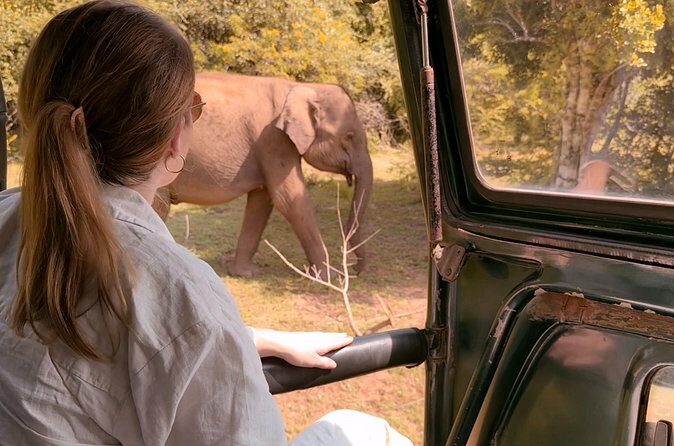
One of the standout features here is food, and not just “something to eat.” You get a picnic breakfast by the beach inside the park around 8:30 AM. Then there’s a picnic lunch on the beach around 12:00 noon. These are timed breaks that help your brain reset between wildlife stops.
Why it matters: safari days can blur together—dust, sun, waiting, scanning. A proper picnic break gives you shade, a real meal, and a moment to recover before the afternoon search. It also helps avoid the common problem where you spend the whole day thinking about when you’ll finally eat.
Practical tip: eat well, but don’t overdo it. You’ll still be in motion and doing a lot of looking. Bring a small layer if you feel cold easily in shaded areas after sun exposure—nothing fancy, just something you can throw on during breaks.
Afternoon wildlife: what changes after 2:00 PM
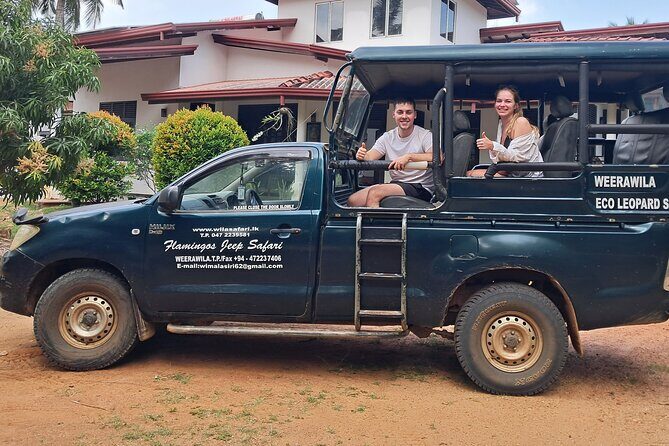
At 2:00 PM, you resume safari time with continued chances for wildlife and bird species. This part of the day can be excellent, because animals often shift their routines as temperatures change. The tour’s structure also helps you stay focused: after lunch, you know you’re heading back out for more viewing, not just “the rest of the day.”
Also, the afternoon is where bird life can become more noticeable. The tour explicitly mentions more bird species across Yala’s varied habitats, and that’s a smart addition. Even when you’re waiting on a leopard or sloth bear, birds give you constant activity—movement, calls, and small moments that make the vehicle stops feel productive.
The takeaway: don’t treat the afternoon as a consolation prize. In Yala, it can be the time you get lucky in a new way.
Other guided tours in Southern Province
Price and Logistics: the real cost you should calculate
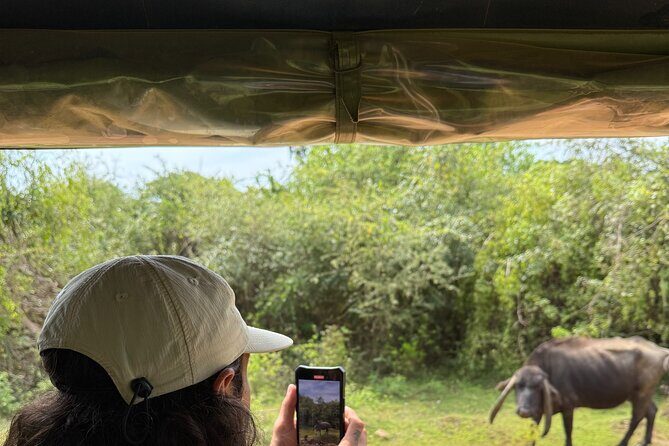
The tour price shown is $20 per person, and it’s clearly positioned as great value. But here’s the important budgeting reality: the national park entrance fee is not included. The fee listed is $45 for adults, and children pay half.
So your “tour + park fee” total is closer to:
- Adult: $20 + $45 = about $65 per person (before tips)
On top of that, tipping the driver-guide is not included, and it’s usually expected in some form for a job done well. The tour also notes a small group limit (maximum 24 travelers), which can help you feel less cramped than some larger tours.
One more money-saving detail: free pickup and drop-off are included. That’s a real cost saver if you’d otherwise need local transport.
If you’re price-sensitive, do the math early. The low tour price is only part of the story.
What to wear (and how to not mess up your spotting chances)
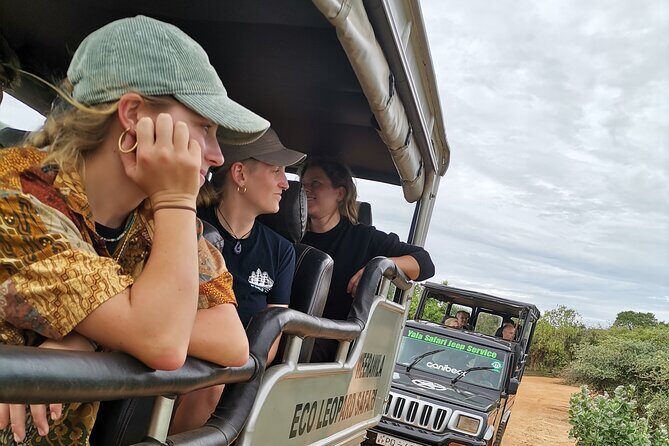
Yala safaris work best when you blend in and keep yourself comfortable. The tour advises neutral colors and comfortable shoes—sandals or slippers are mentioned as options. That’s practical because you’ll be seated most of the time, then getting in and out for chances to see animals.
My advice for comfort and spotting:
- Wear neutral-toned clothing you won’t mind dusting
- Choose shoes you can move in fast if the guide adjusts the plan
- Bring sun protection (a hat and sunscreen), because you’ll be outside for most of the day
You’ll be scanning for movement and shapes, so anything distracting—bright colors, restrictive gear—can make the experience harder than it needs to be.
Safari ethics and the reality of sharing the park
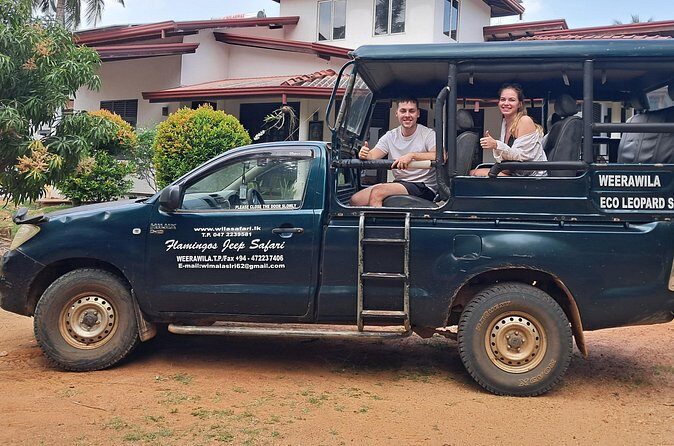
Yala is popular, and you share viewing areas with other jeeps. One negative experience mentioned a serious problem: old, fuel-emitting vehicles driving aggressively and some drivers blocking roads and even a path of a young elephant calf. That kind of behavior is the exact opposite of what you want from a responsible safari.
At the same time, the provider response emphasized training and strict instruction to follow park regulations and wildlife ethics. In real terms, what you can do is ask how the guide handles road positioning and animal viewing. Pay attention to the driving style during your tour. A respectful guide avoids pointless chasing and tries to keep interactions calm.
If you walk away thinking the vehicles were crowding or behaving badly, that’s a fair concern. It also makes you realize why the guide’s attitude matters as much as the animal list.
Who this full-day Yala safari fits best
This is a strong pick if you want:
- A full-day wildlife plan with multiple attempts at the big three
- An organized structure with timed breaks (breakfast and lunch)
- A small-group feel (up to 24 travelers)
- Pickup and drop-off handled for you
It’s also a good match if you don’t want to manage logistics in the heat. The tour takes care of transport, a guide, and basic hydration, which leaves you free to focus on spotting.
If you hate early mornings, you might prefer a half-day option—but your best odds for a “full safari story” usually come from the longer schedule where the park is searched again later.
Should you book this Yala safari tour?
I’d book it if your priority is a well-paced day with guided spotting, easy pickup, and the bonus of picnic meals on the beach inside the park. The early start plus repeated searches for leopards, elephants, and sloth bears is the right formula for Yala.
I’d be cautious if you’re extremely cost-sensitive, because the park entrance fee is not included and brings the total up fast. And since Yala can attract lots of vehicles, do a quick check on how the guide drives and how your jeep positions itself around animals.
If you’re ready for an 11–12 hour day with a serious wildlife focus, this one looks like a solid value choice.
FAQ
What time does the full-day safari start?
The full-day safari starts with a 5:00 AM hotel pickup.
Is the national park entrance fee included in the price?
No. The tour price does not include the national park entrance fee. The fee listed is $45 for adults, and children pay half.
What meals are included during the safari?
You get a breakfast and a picnic lunch, both included. The breakfast is around 8:30 AM and the lunch is around 12:00 noon, both on the beach inside the park.
What vehicle and comfort can I expect?
You travel in a customized 4×4 safari jeep with front-facing seats and an experienced driver-guide.
How long is the tour?
The duration is listed as about 11 to 12 hours, and it includes travel time.
Is the safari dependent on weather?
Yes. The tour requires good weather. If it’s canceled due to poor weather, you’ll be offered a different date or a full refund.