REVIEW · SOUTHERN PROVINCE
Nandana Tea Walking Tour in Sri Lanka
Book on Viator →Operated by Nandana Tea Factory · Bookable on Viator
Tea and plants, up close.
This Nandana Tea Walking Tour is a family-run style visit where the focus isn’t on flashing machinery. You start in the herbal garden with Sri Lankan Ayurvedic plants, then move through tea-growing and processing so the cup you’re drinking feels connected to a real place.
Two things I really like are the hands-on tea tasting and the fact you’re walking through the story of the leaves, not just watching a video. You’ll also get warm, personal hospitality from hosts like Mr. Wanigasekara and his team (names like Gunasoma, Manshijt, and ChoopoolMandrit show up in guides’ introductions). One drawback to consider: at $78 and about 2 hours, it’s a focused experience, not a long, slow-country day with lots of extra stops.
In This Review
- Key Things That Make Nandana Worth Your Time
- Akuressa tea country: where the Blue River meets tea estates
- Herbal Garden Walk: the Ayurvedic plants part you’ll actually remember
- Tea plants and processing: learning what orthodox black tea really means
- Inside the factory: what you’re really touring
- Tea tasting: comparing multiple teas like a grown-up
- Optional banana-leaf or lotus-leaf meal: what to expect
- Is $78 good value for tea lovers in Sri Lanka?
- Practical details: timing, tickets, and how to plan your day
- Who should book this Nandana tea walking tour
- Should you book Nandana?
- FAQ
- How long is the Nandana Tea Walking Tour?
- What does the tour cost?
- What is included in the experience?
- Is lunch included?
- Where does the tour start?
- What if the weather is bad or I need to cancel?
Key Things That Make Nandana Worth Your Time
- Herbal Garden + Ayurvedic plants: You’ll see endemic herbs and learn how they’re used.
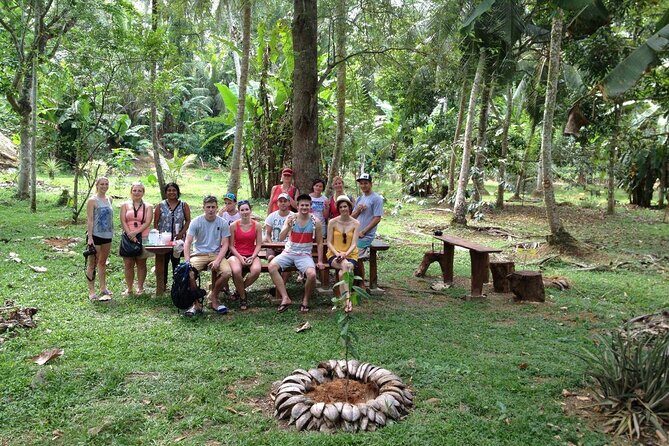
- Small-group feel: A maximum of 10 travelers means you’re more likely to get real answers.
- Factory visit with context: You connect tea estates to what lands in your cup.
- Guided tasting: Expect a structured compare-and-contrast, not random sipping.
- Optional leaf-wrapped meal: You can add an organic home-cooked meal wrapped in banana or lotus leaf.
Akuressa tea country: where the Blue River meets tea estates
Nandana Tea Factory sits in Akuressa in southern Sri Lanka, near the Nilwala Ganga, often called the Blue River. That setting matters because it helps explain why tea can be more than a commodity. In this part of Sri Lanka, tea culture has roots that go back to early pioneers like Mr. D.A Wanigasekara (1860–1955), who ventured into tea culture in 1910.
What I like about the way Nandana runs things is that it feels tied to the land and the people who maintain it. You’re not being rushed through a checklist. Instead, you’re guided from plant basics to processing, so the experience stays grounded.
Also, the factory is open daily from 9:30 AM to 4:30 PM, which makes it easier to fit into a typical coastal itinerary. And you’ll start and end at the Nandana Tea Factory (Pvt) Ltd address in Akuressa (81400).
If you're still narrowing it down, here are other tours in Southern Province we've reviewed.



Herbal Garden Walk: the Ayurvedic plants part you’ll actually remember
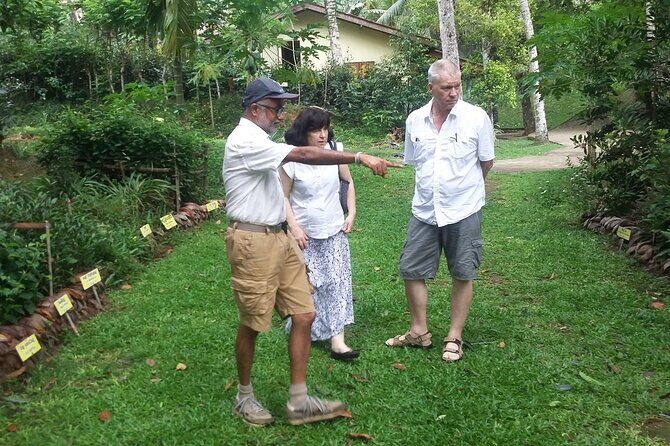
The first stop is the herbal garden, and this is where the tour shifts from tea production into everyday Sri Lankan plant knowledge. You’ll see Ayurvedic herbs endemic to Sri Lanka and hear how people use natural products around them.
The best part is that it’s not treated like a museum display. It’s more like a guided walk where you’re encouraged to notice details—leaf shape, plant form, and what different plants are known for. One guide-style experience highlighted getting aloe vera applied to a sunburn, which tells you the tour leans practical, not just academic.
If you like botany, you’ll appreciate how the guide connects plants to tea and flavor. That background is useful because tea is still a plant story, even when it’s processed in a factory setting. If you dislike anything “planty” (no shame—some people just want the tasting), you might want to mentally prep for a more educational start.
Tea plants and processing: learning what orthodox black tea really means
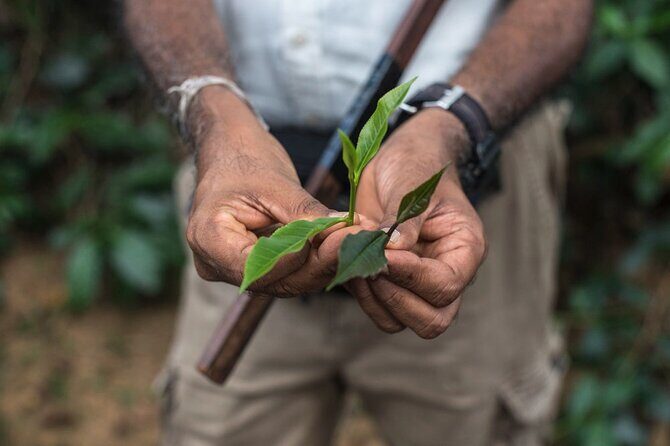
After the herbal garden, you move into the tea-plant side of the experience. This is where you learn the different types of tea plants, and you start to understand how tea becomes tea.
Nandana makes premium orthodox black tea, and that detail isn’t just marketing language. Orthodox processing changes how the leaf is shaped and handled, and it can affect the look and character of the final brew. The tour’s goal is to connect those processing steps to what you’ll taste later.
I also like that the tour stays honest about the journey from leaf to production. You’re asking the natural question: how does the tea from estates end up in your cup? The answer isn’t complicated for the visitor, but it’s explained step by step so it makes sense.
A small caution: this is still a short 2-hour experience. If you’re a tea-nerd who wants every step and every machine model, you may wish you had more time in the factory. The upside is that it’s efficient, so you’re not stuck on a long industrial tour.
Inside the factory: what you’re really touring
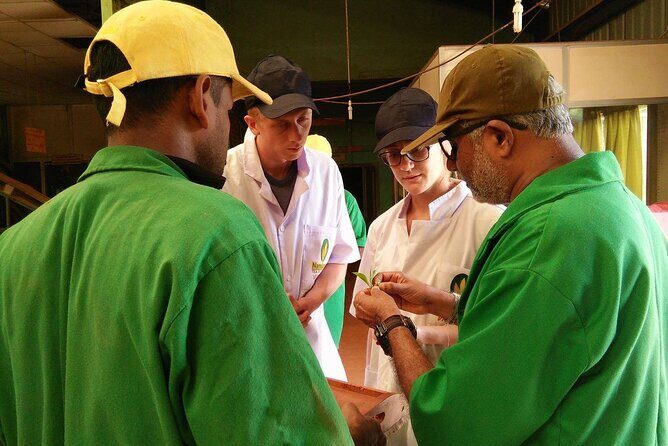
The factory portion is the core “from leaf to cup” moment. You’ll see how tea is processed, and you’ll get the kind of overview that helps you understand what orthodox black tea looks like in action, not just on a package.
One of the strengths here is that the tour is paired with tasting. That combo is how you avoid the most common tea-tour problem: learning a bunch of facts, then forgetting them because you didn’t connect them to flavor.
Another practical note: the tour includes a comfortable break inside the factory space. Some visits note the area felt clean with air conditioning, which can matter if you’re visiting in warmer parts of the day.
And because the group cap is 10 travelers, you’re less likely to feel lost in a crowd. In a small group, questions land faster, and you can follow along without constantly playing catch-up.
Tea tasting: comparing multiple teas like a grown-up
The tasting is a big reason people rave about this stop, and it’s easy to see why. You’re given a structured session where you can compare different teas produced there. One highlight mentions tasting 7 different types of tea.
Here’s how to make the tasting actually work for you. Pay attention to aroma first. Then sip small and let it sit for a second. Finally, notice how the finish feels—light, drying, smooth, or more bold. In other words: don’t treat it like party sampling. Treat it like a mini flight.
If you’ve been drinking Sri Lankan tea mostly as iced tea or sweetened drinks, this tasting helps you reset your palate. It also helps you understand why leaf size and processing choices can matter, especially when you’re comparing teas made from different leaf characteristics.





Optional banana-leaf or lotus-leaf meal: what to expect
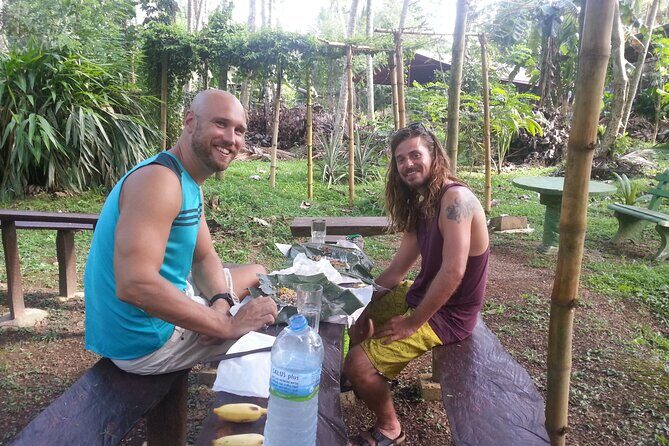
Lunch is not automatically included, so you should plan around that. The experience includes an optional organic home-cooked meal at the end of the tour, and it’s wrapped in banana or lotus leaf.
That wrapping matters because it’s part of the cooking style, and it keeps things simple and practical. You’re eating something that’s meant to feel like Sri Lankan home food, not a tourist buffet.
Some visits also mention additional hospitality like ice cream being offered alongside the meal. If food is a major part of your travel day, this is one of those options where the extra cost (if any) can feel worth it because the meal ties back to the whole theme: local ingredients, local handling, and straightforward hospitality.
Is $78 good value for tea lovers in Sri Lanka?
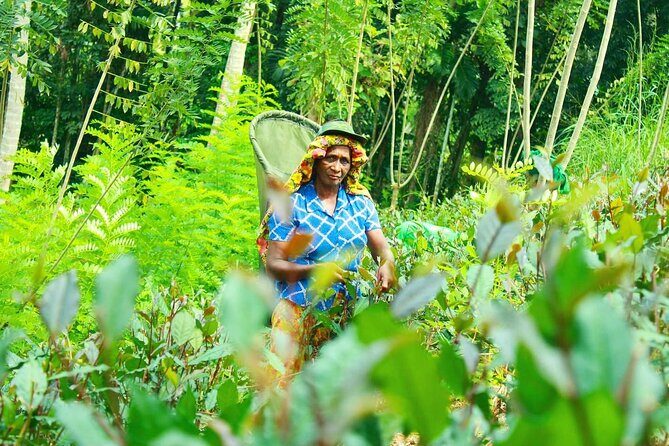
Let’s talk money honestly. At $78 for about 2 hours, this isn’t a budget tea stop. But it can be good value if you care about the experience, not just collecting stamps.
Here’s where the value comes from:
- You get more than a quick factory walk. The herbal garden visit, plant learning, and tasting are part of the package.
- The tasting adds real “why it matters” context, which turns tea knowledge into something you can taste immediately.
- The group size is limited to 10 travelers, so the guide time isn’t diluted.
Also, there’s a tea-buying incentive. The offer says that purchases up to USD 39 will be free if you buy tea at the end of the tour. That can offset part of the cost if you were already planning to take some tea home.
Who might feel it’s overpriced: if you only want a short, casual look and you’re not interested in herbal garden education or tasting. In that case, you might prefer a cheaper factory viewing option elsewhere.
Practical details: timing, tickets, and how to plan your day
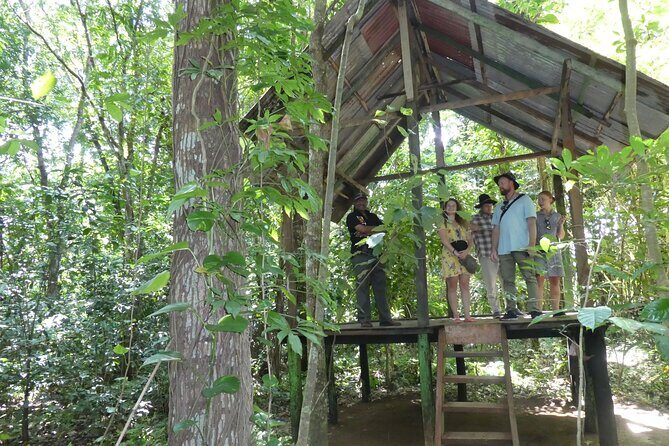
This tour runs through the day during 9:30 AM–4:30 PM. The duration is roughly 2 hours, so you can usually fit it between beach time and dinner.
You’ll receive a mobile ticket, and it’s a straightforward start-to-finish experience that ends back at the meeting point: Nandana Tea Factory in Akuressa. The activity is near public transportation, which helps if you’re not hiring a private driver for every stop.
The experience is described as requiring good weather. If conditions are poor, you’ll be offered a different date or a full refund. So if you’re visiting during a rain-heavy stretch, keep a little flexibility in your schedule.
And if you’re traveling with a service animal, note that service animals are allowed.
Who should book this Nandana tea walking tour
I think this tour fits best if you:
- Want an authentic tea experience focused on plants, processing, and tasting
- Enjoy learning in a small group with time to ask questions
- Like the idea of a herbal garden that connects to Sri Lankan natural-product traditions
- Want a guided tea purchase afterward, especially with the USD 39 free offer tied to buying
It may be less ideal if you’re strictly price-sensitive and only want a quick photo stop. It’s also not built like a long walking trek; it’s a guided experience that happens to include walking through the garden and grounds.
Should you book Nandana?
If you’re on the south coast and you want a tea stop that feels thoughtful—herbs first, tea processing next, tasting to tie it together—this one makes sense. The price isn’t low, but the structure justifies it: you’re paying for guided interpretation and the chance to compare teas you can’t really understand from a store shelf.
If you’re the kind of traveler who remembers guides’ plant stories and compares flavors like you’re grading a lineup, you’ll probably enjoy your time here. If you’re only chasing a quick factory peek, you may find it a bit too “lesson-based” for your taste.
FAQ
How long is the Nandana Tea Walking Tour?
It lasts about 2 hours.
What does the tour cost?
The price is $78.
What is included in the experience?
The experience includes the Nandana Tea Factory visit along with the herbal garden/garden tour and a tea tasting session. Iced tea (coffee and/or tea) is also included during the garden tour, and admission is included.
Is lunch included?
Lunch is not included. The tour offers an optional organic home-cooked meal wrapped in banana or lotus leaf at the end.
Where does the tour start?
The meeting point and start location is Nandana Tea Factory (Pvt) Ltd, Nandana Tea Factory, Akuressa 81400, Sri Lanka. It ends back at the meeting point.
What if the weather is bad or I need to cancel?
The experience requires good weather. If it’s canceled due to poor weather, you’ll be offered a different date or a full refund. You can cancel for free up to 24 hours in advance for a full refund.