REVIEW · GALLE
Galle/Mirissa: Yala & Udawalawe Safari Day Trip with Picnic
Book on GetYourGuide →Operated by Shehan Safari Jeep Tours · Bookable on GetYourGuide
Two parks, one sunrise, one long day. I like that this trip connects Yala and Udawalawe with proper jeep time in each place, not just a drive-through. I also like the elephant-focus break at Udawalawe Elephant Transit Home, timed for feeding so you get that real, chaotic baby-elephant energy.
You’re in the field from early light until sunset, with an English-speaking driver/guide and an air-conditioned vehicle handling the long stretches between stops. The one caution is the trade-off: it’s a full 16 hours, and park entry fees are extra (and paid in cash), so your final cost won’t be just the advertised price.
If you want maximum wildlife time in a single day and you’re okay with a packed schedule, this is a strong way to do Sri Lanka’s south-east safari circuit.
In This Review
- Key points before you go
- Yala and Udawalawe in one long day: why it works
- Sunrise hunting at Yala National Park: mammals, birds, and big chances
- Elephant Transit Home feeding hours at Udawalawe: the moment that sticks
- Udawalawe jeep safari: concentrated elephants plus crocodiles
- Picnic lunch, air-conditioned transport, and how to stay comfortable
- Price and logistics: where the real cost shows up
- Who this safari day trip suits best (and who should skip it)
- Notable guides and what to look for in the jeep
- Should you book this Yala & Udawalawe Safari Day Trip with Picnic?
- FAQ
- Does the tour include hotel pickup and drop-off?
- How long is the experience?
- Are the Yala and Udawalawe national park entry fees included?
- What’s included for food?
- Is the guide available in English?
- What wildlife stops are included besides the safaris?
- Is the transportation air-conditioned?
Key points before you go
- Two national parks, back-to-back: You visit both Yala and Udawalawe in one long outing.
- Golden hours at Yala: You start early enough to hunt animals in the best light.
- Feeding time at Udawalawe Elephant Transit Home: You see baby elephants when they gather to feed.
- Included picnic plus drinks: Lunch is provided, and bottled water/soft drinks are included.
- Entry fees are not included: Yala and Udawalawe park charges are extra and are typically paid in cash.
- It’s a long day: Only lunch is provided, so plan for energy and comfort.
Yala and Udawalawe in one long day: why it works
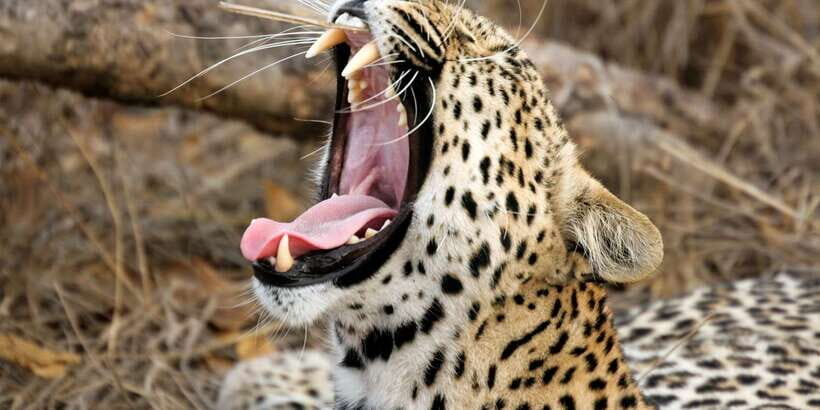
This is the kind of safari schedule that makes sense if you don’t have a lot of time in Sri Lanka’s south. Instead of choosing between Yala and Udawalawe, you get both—so your chances of seeing different animals go way up. One day also means less hotel time spent moving around, and more hours looking out of the jeep windows.
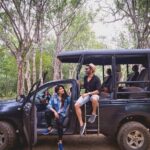
The ride plan is practical, too. You’ll be picked up from your accommodation and then transported in an air-conditioned vehicle between activities and parks. Once you reach the park, you switch to a sturdier 4×4 jeep setup for the safari roads, where you actually need the clearance and suspension for uneven terrain.
The big thing to understand is pacing. This isn’t a slow scenic tour. It’s a wildlife day built around timing: early light for animal movement, feeding hours for elephants, then another safari stretch to catch activity as the day moves toward evening.
Other Galle tours we've reviewed in Galle

Sunrise hunting at Yala National Park: mammals, birds, and big chances
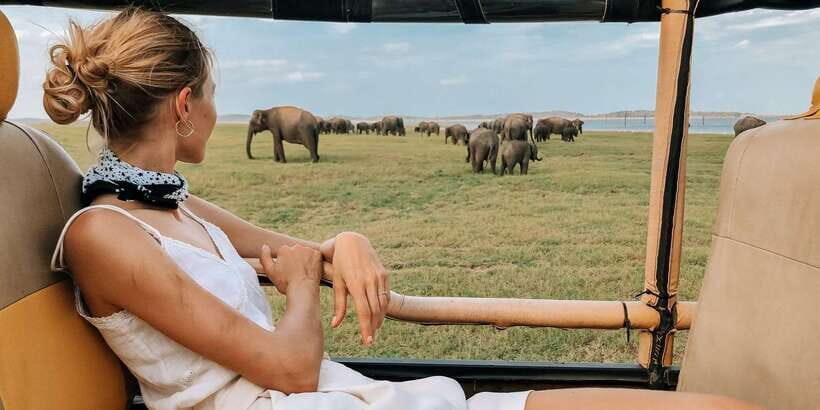
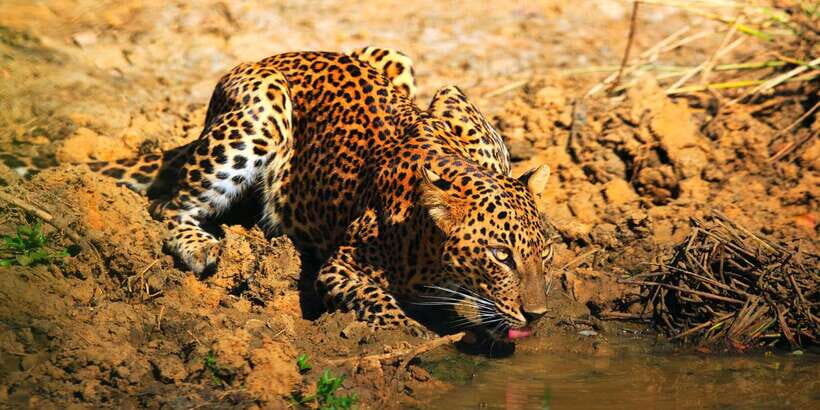
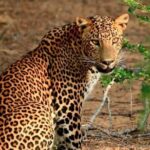
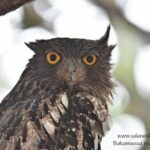
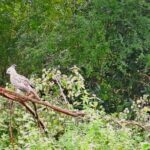
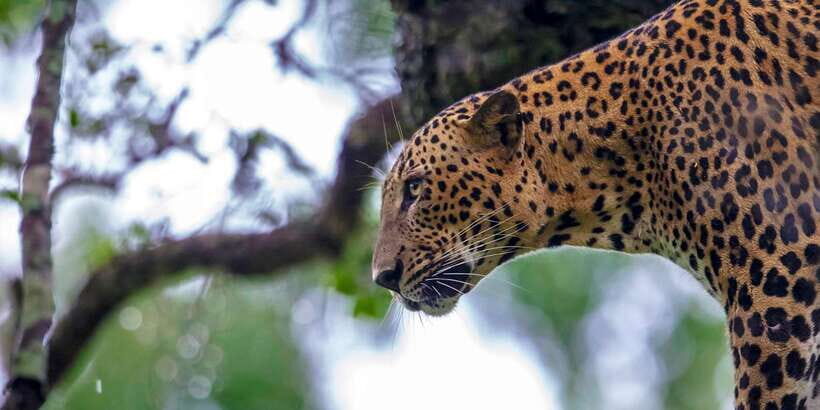
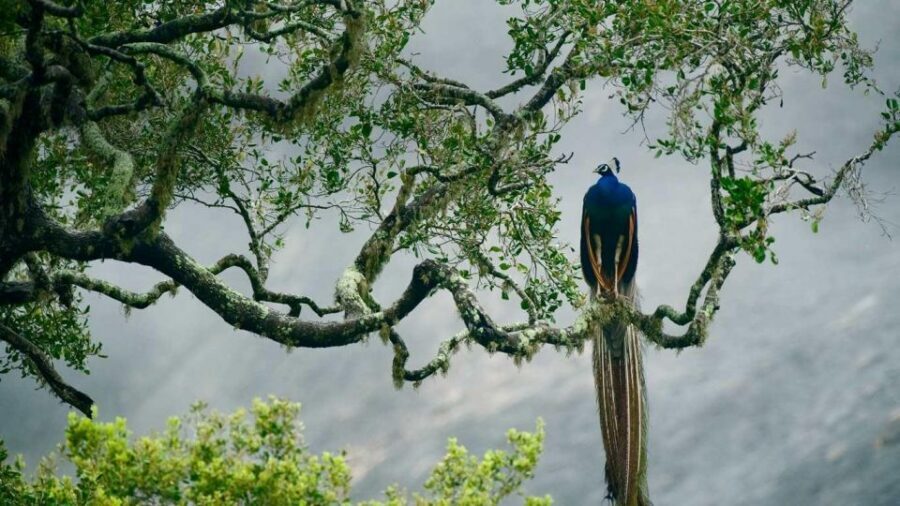
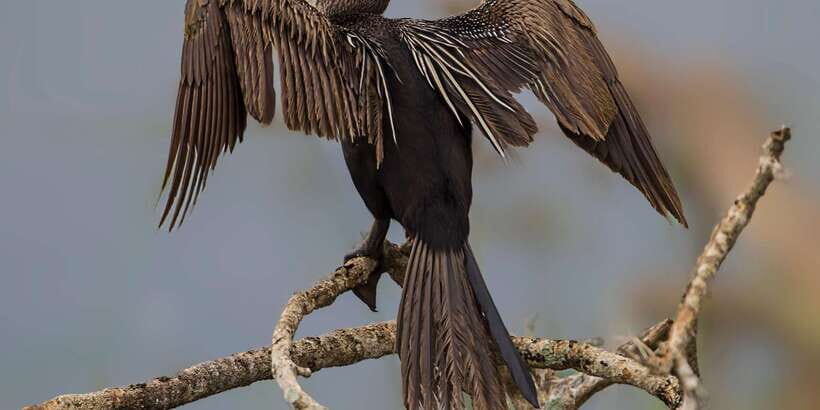
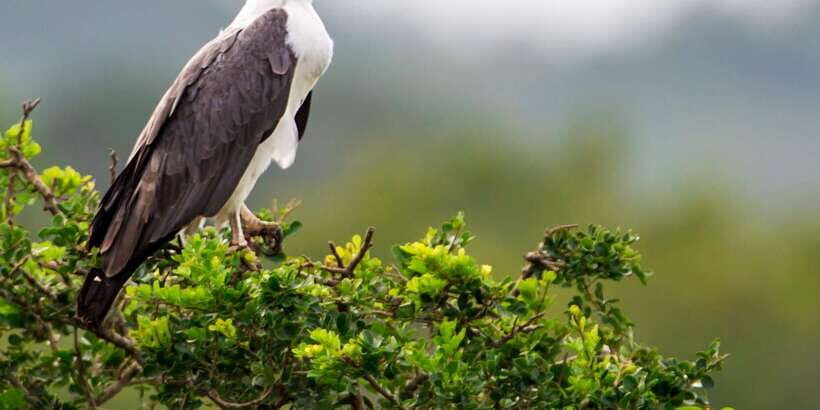
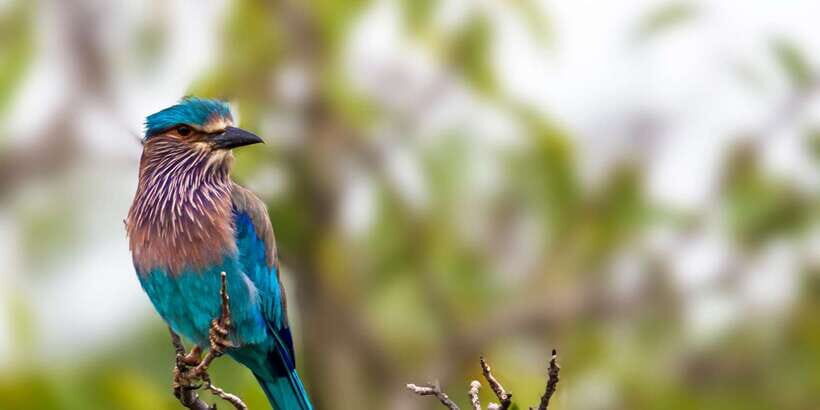
Yala National Park is the star for early-morning wildlife energy. It’s known for a serious mix of animals and birds, with 44 varieties of mammals and 215 bird species. What that means for you on a jeep safari: you’re not just waiting for the big cats. You’re also scanning for birds, reptiles, and the steady parade of herbivores that draw predators.
The timing matters. You’ll aim for sunrise, often called the golden hours. That’s when many animals are moving more and shadows are longer, which makes spotting easier (and photography more forgiving). Your guide takes you through the park’s different habitats—light forests, scrubs, grasslands, and lagoons—so your search pattern doesn’t get stuck in one scenery type.
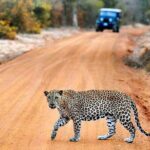
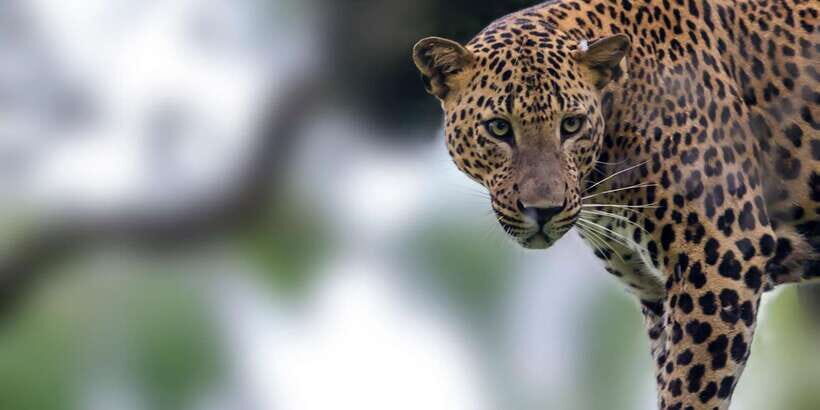
What I’d pay attention to in Yala is how the guide drives your route. The animal sightings you get depend on reading the environment: where water sits, where cover thickens, and how animals react to traffic. If you’re lucky, you’ll see the headline species listed for this route—elephants, crocodiles, water buffalo, jackals, and possibly leopards. Even when you miss one of the rarest animals, Yala still tends to deliver variety because the habitat mix is so wide.
One more practical note: park fees are extra. So don’t be caught surprised when you’re asked for Yala entrance and service charges at the gate. It’s also worth bringing a cash-ready plan (more on that later).
Elephant Transit Home feeding hours at Udawalawe: the moment that sticks
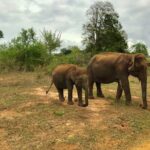
After Yala, you break up the day with Udawalawe Elephant Transit Home. This is one of the most emotionally memorable stops in the whole circuit because it’s built around feeding time. The setup is designed for the transit phase of wild elephant babies, so when you arrive during feeding hours, you can watch a large number of youngsters gather.
This is where the tour earns its place on most wildlife checklists. Seeing baby elephants up close is one thing. Seeing them during feeding is another. Their behavior is fast, noisy, and intensely curious, and it gives you a sense of real scale—hundreds of young elephants showing up when the time is right.
From the experience angle, it’s also a good reset. You’ve been scanning wildlife in a jeep for hours, and now you shift to a calmer, observation-focused break. Still, expect it to be active. You’re not watching a quiet display; you’re watching feeding-time behavior.
Udawalawe jeep safari: concentrated elephants plus crocodiles
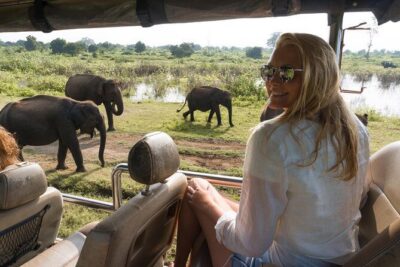
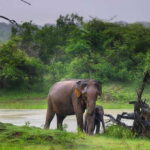
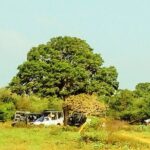
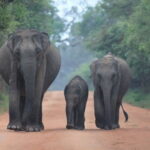
Udawalawe National Park is known for its elephant density, and the tour is structured to take advantage of that. You’ll do a jeep safari here after the transit home visit, searching for the animals this park is famous for: elephants, spotted deer, jackals, wild boar, wild buffalo, and crocodiles.
Crocodiles are included in the headline list here, so keep an eye on water edges and slow-moving channels as the jeep moves through the park. The elephants often become easier to spot once you’re in the right zones—big bodies stand out against vegetation and water lines.
This is also where a strong driver/guide shows up. Jeep safaris aren’t just about where you go; they’re about how you get there. The best guides read tracks, watch movement, and position the jeep so you can see without pushing the animals unnecessarily. In this kind of route, that driving skill can turn an average day into a standout one—especially for sightings like leopards, which are never guaranteed but are sometimes possible when the timing and terrain line up.
If you’re doing this as your first safari, Udawalawe can be a great way to “learn the language” of spotting—where eyes should go, how to interpret distance, and how quickly animal sightings can change once you’re near a water source.
Picnic lunch, air-conditioned transport, and how to stay comfortable
The tour includes a picnic lunch, plus bottled water and soft drinks. In practice, that lunch doesn’t always mean a classic roadside picnic blanket. One part of the experience is that the picnic stop can be at a local restaurant setting, which can be easier for service and seating during a long safari day.
Either way, lunch is the main food break you’ll get. The day is long, and you may feel it in your legs and patience if you don’t snack smart before you set off. The simplest advice: bring some extra snacks that won’t melt in your bag, and keep your water situation under control even though bottled water is included.
Comfort-wise, you’re in an air-conditioned vehicle for the longer transfers between stops. That helps a lot when you’re traveling between parks and doing early-morning pickup routines. Once you enter the safari jeeps, you’re moving at the mercy of the park roads, but the transport piece keeps you from arriving at Yala or Udawalawe already cooked.
Also plan your expectations for a day like this: it’s 16 hours, and you’re constantly switching gears—driving, scanning, waiting for animals, then moving again. If you go in with that mindset, you’ll feel like you got your money’s worth.
Other Mirissa tours we've reviewed in Galle
Price and logistics: where the real cost shows up

At $101 per person, this day trip can be good value because so much is bundled in. You get hotel pickup/drop-off, air-conditioned transport between activities, jeep safari time at Yala and at Udawalawe, a visit to Elephant Transit Home, and an English-speaking driver/guide. You also get the picnic lunch plus bottled water and soft drinks.
The catch is the one line that can surprise people: entrance and service fees for Yala (and Udawalawe) aren’t included. You should budget extra cash for the park gates. For Yala specifically, you’ll see a service fee figure around 13,000 Sri Lankan rupees (around $40), and some people end up paying about 26,000 rupees in total for both parks.
Here’s the practical way to handle it. Before you go, confirm how much cash you’ll need for entrance and service fees, and have it ready in the currency the park requires. Based on real-world experience from the field, cash is important.
There’s also a small but real “human factor” at park entry points. If a guide or helper asks you for additional money while entering, one common expectation mentioned is around 10,000 LKR, and the right move is to ask what it’s for before you hand anything over. It’s not about being suspicious; it’s about keeping control of your day.
Who this safari day trip suits best (and who should skip it)
This tour fits best if you want two parks in one shot and you don’t want to plan separate safari days. It’s ideal for people staying around Galle or Mirissa who want big wildlife payoff without adding another night of logistics.
It also suits first-time safari-goers. You get sunrise driving at Yala, a major elephant-focused stop with feeding time, then a second safari at Udawalawe to round out the species mix. That pacing helps you see more than one “style” of wildlife.
You might want to choose a different option if:
- You’re sensitive to long days and minimal downtime (this is a full 16 hours).
- You don’t like schedules that run early and late, including sunrise hunting.
- You strongly prefer all-in pricing where nothing changes at the gate (because park fees are extra and typically cash-based).
The tour is led in English, but like any international setup, communication can occasionally feel less smooth if language gets layered with local logistics. Still, the focus of the day stays on spotting animals and keeping the driving efficient.
Notable guides and what to look for in the jeep
This safari has a reputation for skilled wildlife spotters. Names you may hear include drivers like Shuresh (recognized for efficient transportation and expert spotting) and guides such as Yashara. Even if you don’t get the same names, the pattern is clear: the best results come when your guide understands animal behavior and routes.
When you’re in the jeep, look for how the guide behaves. Good signs:
- They stop or slow down when the environment changes, not just when they see something obvious from far away.
- They adjust the position of the jeep for visibility and comfort.
- They explain what you’re seeing in simple terms while still focusing on the road.
And when you’re not seeing a rare animal (like leopards), the right guide will still keep you engaged: birds, crocs, elephants feeding, and predator-prey dynamics can all happen in the same stretch of time.
Should you book this Yala & Udawalawe Safari Day Trip with Picnic?

I’d book it if your priority is wildlife variety in a single day, and you’re okay budgeting extra for entrance fees. The combination is strong: sunrise hunting at Yala, elephant feeding time at Udawalawe’s transit home, then a second jeep safari that targets elephants plus other key species like crocodiles.
I’d hesitate if you need a lighter schedule, want guaranteed leopard sightings, or dislike cash-based park fees. Also, do a quick double-check of the total you’ll pay before final confirmation, since one booking experience noted a price jump during checkout.
If you’re game for a long day and you want to squeeze real safari time into one trip, this is a solid value setup.
FAQ
Does the tour include hotel pickup and drop-off?
Yes. You’re picked up from your accommodation and returned after the safari day.
How long is the experience?
The total duration is listed as 16 hours.
Are the Yala and Udawalawe national park entry fees included?
No. Entrance and service fees for Yala and Udawalawe are not included in the package.
What’s included for food?
Picnic lunch is included, and the tour also includes bottled water and soft drinks.
Is the guide available in English?
Yes. The live tour guide is English-speaking.
What wildlife stops are included besides the safaris?
You’ll visit Udawalawe Elephant Transit Home during feeding hours.
Is the transportation air-conditioned?
Yes. Transfers are in an air-conditioned vehicle, and the safaris are done with jeep vehicles for park driving.