REVIEW · GALLE
Whale Watching Experience in Mirissa
Book on Viator →Operated by ZRI Adventures · Bookable on Viator
Whales are the whole point. This Mirissa whale-watching cruise is a focused morning trip out into the Indian Ocean, built around one goal: finding whales (and a lot of other sea life) as the light gets good. The ride is on a comfortable double-decker boat, with on-board guides helping you track sightings, plus snacks to keep you going for about 4 hours.
What I like most is how the experience works like a real search at sea. When there’s a sign, the crew can shift attention fast—so you’re not just drifting and hoping. I also like the added extras that make a morning outing feel complete: snacks onboard, guidance out on the water, and tuk-tuk transfers in Mirissa so you’re not trying to figure out local logistics at dawn.
One thing to consider: whale sightings are never guaranteed, even on well-run trips. Add that to the fact that the trip depends on good weather, and you should plan your expectations around the experience of watching for life at sea, not a guaranteed big whale sighting.
In This Review
- Key highlights I’d plan around
- Mirissa’s early start: 6:00am and the boat mood
- The hunt itself: what species you’re actually looking for
- What makes this cruise feel well-run on the water
- Mirissa Beach stop: setting expectations before you leave
- Snacks, guidance, and how to stay comfortable for 4 hours
- Tuk-tuk pickup and drop-off: why it’s more valuable than it sounds
- Price and value: what $70 covers in a whale search
- Weather reality: how this affects what you see
- Who this trip suits best (and who should rethink)
- Should you book this Mirissa whale watching cruise?
- FAQ
- FAQ
- What time does the whale watching tour start in Mirissa?
- How long is the Mirissa whale watching experience?
- Where does the tour begin and end?
- Is pickup included?
- What marine animals might you see?
- What boat will you ride on?
- How big is the group?
- What happens if weather is poor?
Key highlights I’d plan around
- 6:00am start from Mirissa: early light gives you the best chance for activity out on the water
- Double-decker boat comfort: more room to move and find a good viewing spot
- Crew response to sightings: when there’s a signal, the boat focuses in
- A broad species list: whales, dolphins, turtles, flying fish, manta rays, and more may show up
- Snacks plus onboard guides: you’re not stuck hungry while scanning the horizon
- Group stays manageable: up to 50 people on the max-capacity boat
Mirissa’s early start: 6:00am and the boat mood
This is a morning trip, starting at 6:00am in Mirissa. That early departure matters more than people expect. Sea life activity often feels strongest around the daylight window, and a calm morning ride helps you actually enjoy scanning for spouts and blows instead of rushing the whole thing.
You meet in Mirissa (at Mirissa Beach) and the activity runs for about 4 hours, then ends back at the meeting point. That timing is ideal if you want a proper outing without losing your whole day to tides and weather.
It’s also the kind of start that rewards planning. Have water ready, wear something you don’t mind getting a bit salty, and expect it to feel cool at first. Sri Lanka sun can hit fast once the boat gets out, but the early hours can still be chilly enough that a light layer helps.
Other Mirissa tours we've reviewed in Galle


The hunt itself: what species you’re actually looking for
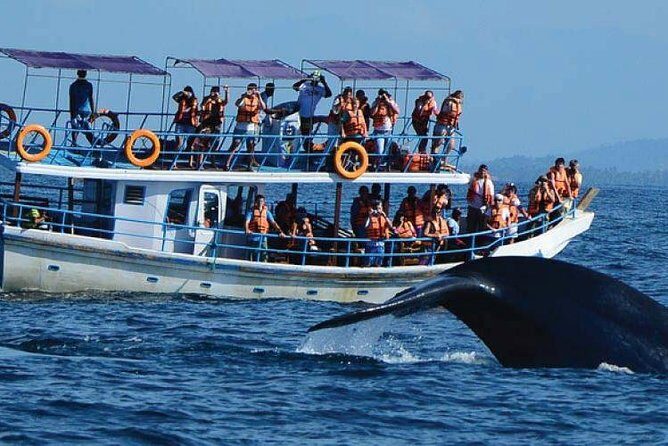
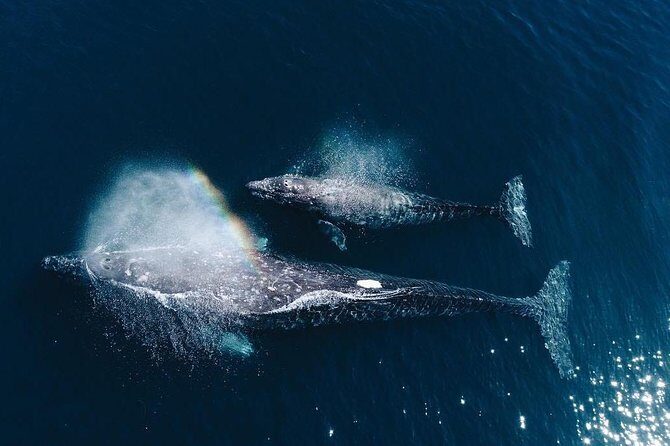
The trip is built around seeing whales first, with dolphins and turtles close behind as real possibilities. The whale list includes blue whales, Bryde’s whales, sperm whales, killer whales, and fin whales. That’s a wide range, and it tells you the search is taken seriously—different whale types can show up in different conditions.
On the “other life” side, you might see:
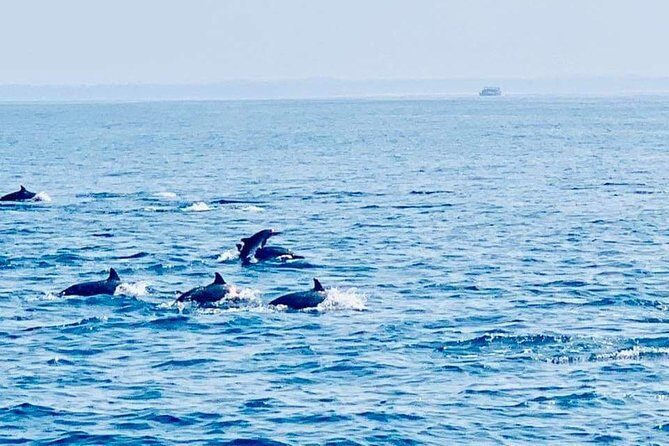
- Dolphins such as common dolphins, bottlenose dolphins, spinner dolphins, Risso’s dolphins, and striped dolphins
- Turtles, manta rays, and even sharks (if the conditions line up)
- Flying fish
Here’s how to think about this list practically: you’re not just hunting for one animal. Even if whales are quiet that day, you still have multiple “targets” that can pop up—especially dolphins, which tend to react to the boat and move around more visibly than many larger whales.
Also, pay attention to your guide’s instructions on where to look. The best sightings often come down to knowing what you’re looking for: a quick blow on the horizon can be easy to miss, while a moving pod can be easier to track once you know what behavior to watch.
What makes this cruise feel well-run on the water
A whale-watching cruise lives or dies by execution: spotting, positioning, and communication. The big practical advantage here is that the crew isn’t treating sightings as luck-only. When there’s a sign, they can shift focus quickly and start moving to improve your chance of a close encounter.
You’ll also have on-board guides with you during the sail. That matters because guides can help you translate what you’re seeing into something meaningful. Instead of staring and guessing, you get context for which species might be in the area and what patterns to watch for.
Comfort helps, too. This is on a double-decker boat, which gives you flexibility. When you find a good side of the deck, you can settle in rather than crowding into one tiny spot. With 4 hours, that breathing room makes a real difference to your mood.
Mirissa Beach stop: setting expectations before you leave
The activity kicks off at Mirissa Beach. That early start can feel rushed if you’re not ready for morning travel, so I’d treat the first 15–30 minutes as a warm-up.
Once you’re out, the key is to keep scanning without getting locked into one “spot.” Ocean sighting works like this: one moment you’re watching nothing, the next moment you’re watching everything. If the crew calls attention to a signal, don’t hesitate to move to where you can see best—even if it means giving up your original view.
A small but useful mindset: don’t only chase the biggest whales. Dipping your attention toward dolphins, turtles, and flying fish gives you more chances for real, memorable moments even when whales are distant.
Snacks, guidance, and how to stay comfortable for 4 hours
You’re out for about 4 hours, and that’s long enough to feel it if you start cold, hungry, or unprepared. This cruise helps with snacks onboard, which means you can focus on watching instead of keeping an eye out for food.
Guidance also keeps the experience smooth. If you’re new to whale watching, it can be overwhelming. Having someone on-board who can point out what you’re likely seeing and what to watch for makes the whole outing feel less like waiting and more like participating.
What to bring (based on what actually matters at sea):
- A light layer for the early morning
- Sunglasses and sunscreen for later when the sun climbs
- A phone/camera strap or safe place for gear, since boats move
- Water, even though snacks are provided
Other whale watching tours we've reviewed in Galle


Tuk-tuk pickup and drop-off: why it’s more valuable than it sounds
Mirissa pickup and drop-off by tuk-tuk is included, which removes a headache that can otherwise ruin a sunrise plan. For many people, the hardest part of early tours isn’t the ocean—it’s getting to the right place on time without stress.
This matters in Galle/Mirissa area planning because dawn transport can be unpredictable if you’re trying to organize it last minute. With transfers included, you can treat the day like a single plan: meet, ride, watch, and return.
If you’re staying somewhere near Mirissa, that’s great. If you’re coming in from farther away, this kind of included transfer still helps, because you’re not gambling on finding transport at 6:00am.
One small “be ready” tip: confirm the meeting time and be at the starting point early. Even good operators can shift details, and arriving early is the easiest fix.
Price and value: what $70 covers in a whale search
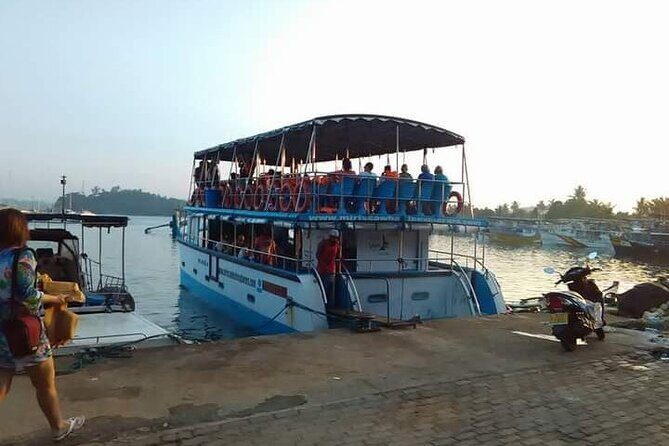
At $70.00 per person, this isn’t a budget toy—so you should look at what you actually receive. Here’s the value math that makes the price feel reasonable:
- You get a full 4-hour boat outing rather than a short cruise
- You’re paying for an active search for multiple whale types, not just a scenic trip
- On-board guides are included, which lifts the experience from passive viewing
- Snacks are included
- Pickup and drop-off by tuk-tuk are included
- Tickets are handled via mobile ticket
Also consider group size. The experience has a maximum of 50 travelers, which usually helps keep the deck usable and the boat experience from turning into an overcrowded event. Even with a big search area, a moderate group size makes it easier to move when a sighting happens.
And timing: this tour is commonly booked about 43 days in advance on average. That’s a sign it’s popular enough that planning ahead helps you avoid “wishful thinking” closer to your dates.
Weather reality: how this affects what you see
This experience requires good weather. That’s not just legal wording—ocean conditions shape everything about whale watching: visibility, comfort, and how safely the crew can position the boat.
If weather is poor and the trip can’t run, you should expect a different date offer or a full refund. Practically, that means you should avoid locking yourself into a tight travel schedule where you can’t move dates if needed.
A useful way to think about it: whale watching is a nature event. Your best move is to protect flexibility and stay open-minded. The most satisfying days are often the ones where you keep watching even if the whales stay out of sight for a while—dolphins and turtles can still turn the morning into a win.
Who this trip suits best (and who should rethink)
This cruise fits well if:
- You want a classic whale watching Mirissa morning with a clear focus
- You enjoy learning while you watch, thanks to the onboard guides
- You’re traveling with limited time and want a 4-hour outing
- You want simple logistics with tuk-tuk transfers and mobile tickets
It might be less ideal if:
- You need guaranteed whale sightings for the trip to feel “successful”
- You’re extremely sensitive to early mornings and sea movement
- You don’t have any flexibility if weather changes
The good news is the experience notes that most people can participate. That suggests the operator expects a broad range of visitors, rather than building it only for a niche crowd.
Should you book this Mirissa whale watching cruise?
If you want a well-structured morning on the water with help from guides, snacks included, and transfers taken care of, I’d say this is a smart booking. You’re not just buying a ticket—you’re buying a system for finding sea life: a timed 6:00am departure, a comfortable double-decker boat, and a crew that pays attention when there’s a signal.
But book with the right mindset. Your goal is to experience the hunt and enjoy what appears, not to demand a specific whale species. When that mindset is in place, the day can still deliver plenty of excitement—even on days when whales are shy.
If you’re going from Mirissa and you want the simplest path to whale watching without getting tangled in transport details, this one is an easy yes.
FAQ
FAQ
What time does the whale watching tour start in Mirissa?
It starts at 6:00am.
How long is the Mirissa whale watching experience?
The duration is approximately 4 hours.
Where does the tour begin and end?
It starts in Mirissa, Sri Lanka and ends back at the meeting point.
Is pickup included?
Yes. Mirissa tuk-tuk pickup and drop-off are included.
What marine animals might you see?
You’re looking for blue whales, Bryde’s whales, sperm whales, killer whales, and fin whales, plus dolphins, turtles, flying fish, manta rays, and even sharks (depending on conditions).
What boat will you ride on?
You’ll be on a comfortable double-decker boat.
How big is the group?
The tour has a maximum of 50 travelers.
What happens if weather is poor?
The experience requires good weather. If it’s canceled due to poor weather, you’ll be offered a different date or a full refund.