REVIEW · SIGIRIYA
Minneriya National Park Wildlife & Elephant Safari from Sigiriya
Book on Viator →Operated by Shan Jeep Safari & Tours · Bookable on Viator
Elephants do not do boring. This jeep safari from Sigiriya gives you a real shot at seeing Sri Lanka’s big cats and biggest animals in the same outing, with park choice tied to seasonal elephant activity. Depending on the day, you’ll go where sightings are strongest, from the famous Minneriya Tank area to Kaudulla’s open stretches and Hurulu Eco Park’s quieter corners.
What I like most is how practical it feels. You get pickup and a 4×4 jeep setup, plus an experienced guide who’s focused on wildlife spotting and safety rather than just driving you past trees. One thing to factor in: the tour price does not include park admission, so your final cost can jump, especially if you end up in Minneriya.
In This Review
- Key Points to Know Before You Go
- From Sigiriya To the Safari: How the Day Flows
- Minneriya National Park: Chasing the Elephant Gathering at Minneriya Tank
- Kaudulla National Park: Herds on the Move, Plus Monkeys and Birds
- Hurulu Eco Park: A More Peaceful Set of Chances for Elephants and Beyond
- What Else You Might See Besides Elephants
- The Guide and Jeep Experience: How Shan Makes It Work
- Price Breakdown: Is $33 Good Value After Park Fees?
- What to Bring for a Rain-Adjustable Safari
- Who This Safari Suits Best
- Should You Book This Minneriya, Kaudulla, or Hurulu Safari from Sigiriya?
- FAQ
- FAQ
- What parks can this safari visit?
- How long does the safari last?
- Is hotel pickup included?
- What is the price of the tour?
- Are park admission fees included in the price?
- What wildlife can I expect to see?
- Is there a guide, and what do they do?
- How many people are on the tour?
- How do I get the ticket?
- What is the cancellation policy?
Key Points to Know Before You Go
- Seasonal park selection means you may go to Minneriya, Kaudulla, or Hurulu based on elephant activity
- Pickup from Sigiriya makes the day easy, without you figuring out transport on your own
- 4×4 jeep wildlife driving helps you get strong viewing angles when elephants wander near roads
- Small-ish group cap (up to 50) keeps things organized while still feeling like a shared safari
- Extra park fees apply (Minneriya and Hurulu have listed admission costs)
From Sigiriya To the Safari: How the Day Flows
Your morning (or daytime window) starts with hotel pickup in Sigiriya or nearby accommodations, then you’re set up for a wildlife-focused ride in a comfortable jeep. The route is simple: get you to the park, find animals with the help of an experienced guide, then bring you back. For a 3 to 5 hour experience, that timing is what you want—enough time to actually spot animals, not so long that you feel dragged around.
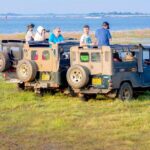
The vehicle choice matters here. You’re not on foot, and you’re not in a big bus. A 4×4 jeep is the right tool for roads that can be uneven and for keeping sightlines open when the vegetation gets thick. In the reviews, people specifically called out how close the elephants could feel from the jeeps and how the driver positioned the vehicle to keep the animals the focus.
And one more detail that makes the whole day smoother: communication before pickup is reported as excellent, and the guide and driver are described as prompt. That’s a big deal in Sri Lanka, where a few minutes can turn into an annoying wait if the day isn’t organized.
Other Sigiriya tours we've reviewed in Sigiriya
Minneriya National Park: Chasing the Elephant Gathering at Minneriya Tank
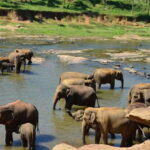
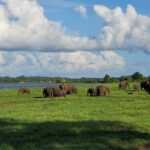
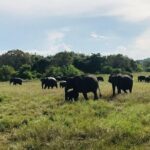
If you get Minneriya, you’re aiming for one of Sri Lanka’s most famous scenes: elephants congregating around the Minneriya Tank. This is where “hundreds grazing” becomes real—at least in the right season and at the right moment. The landscape around the tank gives elephants a water-and-food magnet, so your chance to see multiple herds in the same area tends to be stronger than in spots where animals are spread out.
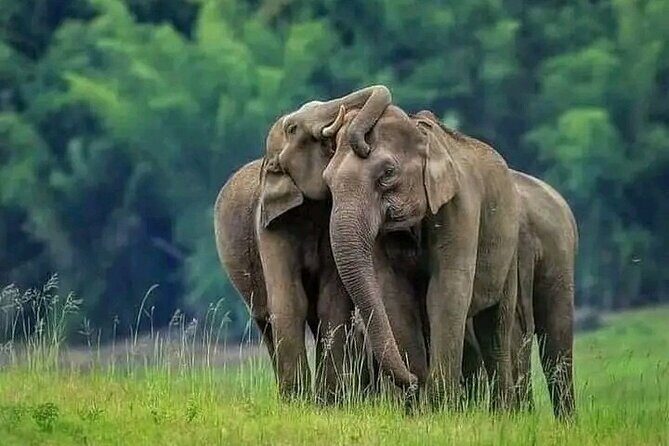
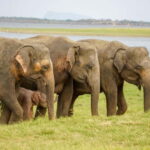
What you’re looking for isn’t just elephants standing still for photos. It’s the movement: herds drifting, grazing, and sometimes bringing younger elephants into view. In one review, people highlighted seeing elephant babies and said the elephants came close and were comfortable around the jeeps. That close viewing is exactly what you want out of a safari like this—because you can finally look at details, not just silhouettes.
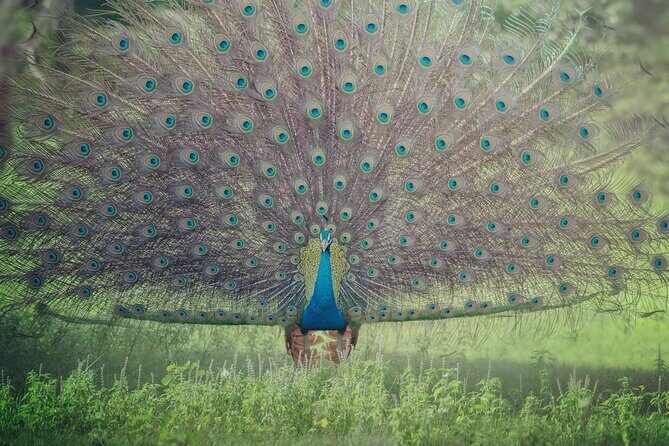
Minneriya also has a chance for other wildlife. Based on what’s been reported and what the safari route is designed to support, you might see deer, buffalo, and even sloth bears (which is not something you want to assume, but it’s a real possibility on the right day). If peacocks are around, they can be an easy win for photos, too—bright color against the greyer-brown tones of park life.
A practical note: elephants can be unpredictable. If you’re unlucky, they might be a bit farther away than you hoped. But the whole point of this operator’s approach is flexible park choice and guide-driven positioning, so you’re not “stuck” with a one-size-fits-all plan.
Kaudulla National Park: Herds on the Move, Plus Monkeys and Birds
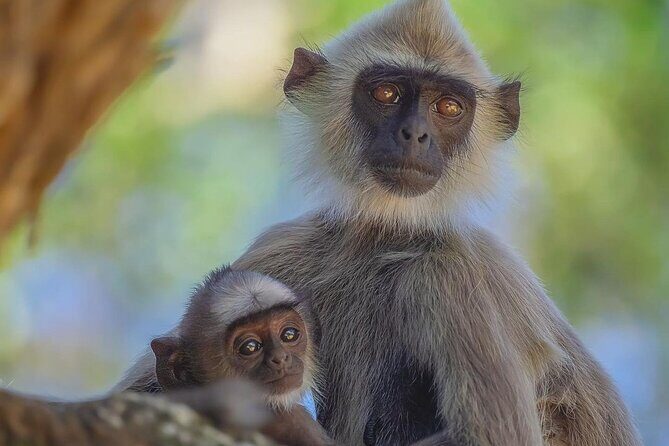
Kaudulla is the second big elephant stop option, and it works a little differently in feel. Where Minneriya centers on a tank, Kaudulla’s elephant viewing often comes from following herds across a mix of landscapes. That means you’re more likely to catch elephants in motion—walking, gathering, and then changing position as the group shifts.
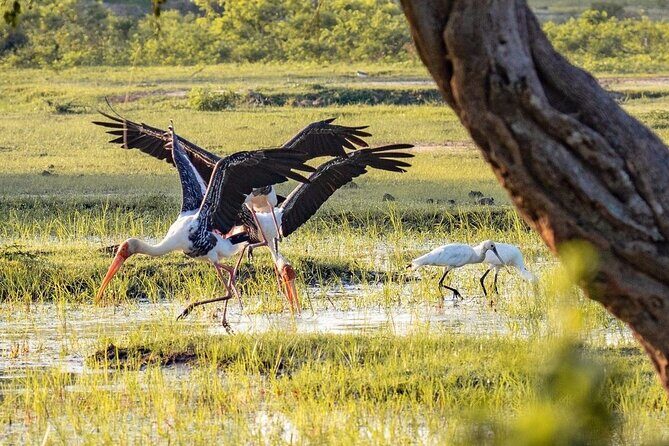
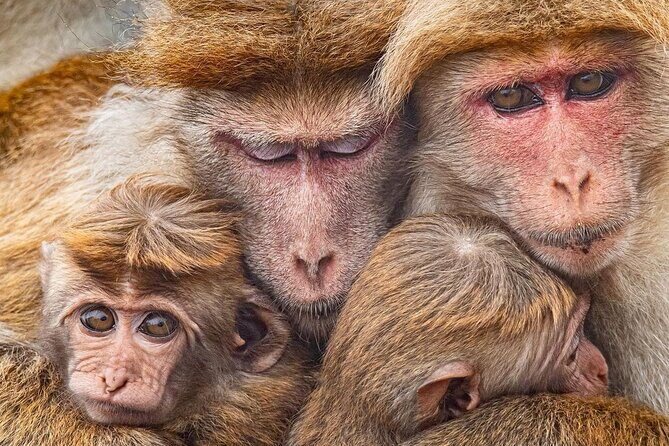
The other bonus at Kaudulla is variety. Along the drive and in viewing areas, you may spot monkeys, wild boar, and colorful bird species. Even when elephants aren’t right next to the road, the guide can still keep your eyes busy with smaller wildlife, which helps make the hours feel full rather than repetitive.
In one review, the guide’s skill stood out: finding the right spots so elephants were visible close up, even when rain started. That’s a good sign for Kaudulla because weather can change visibility and how animals move. A guide who knows where elephants tend to pass and where the viewing points are workable can make the difference between a “we saw some elephants” day and a memorable one.
The main tradeoff with any elephant park is the same: you’re sharing roads and viewing areas with other vehicles. This safari’s guidance focuses on comfort and positioning—one review specifically mentioned the driver placing the jeep so they weren’t constantly bothered by other jeeps. That’s not magic, but it’s a sign the driver is paying attention to your experience, not just maximizing distance traveled.
Hurulu Eco Park: A More Peaceful Set of Chances for Elephants and Beyond
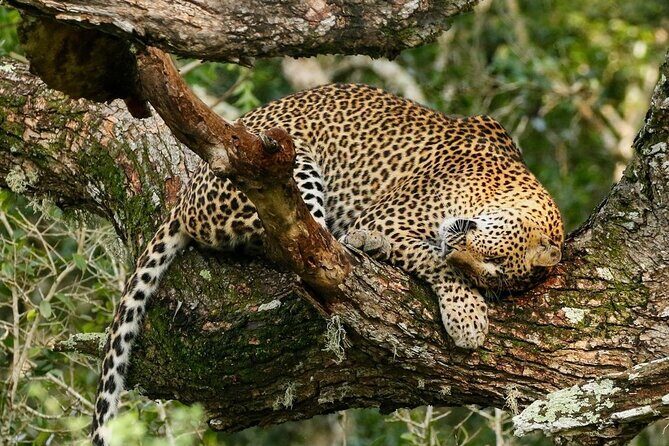
Hurulu Eco Park is the third option, and it’s often chosen when the timing and elephant activity make it worthwhile. The big pitch here is less crowding and a different set of landscapes—ancient forests and serene water bodies. In other words, you’re not only chasing elephants; you’re also getting a calmer park vibe.
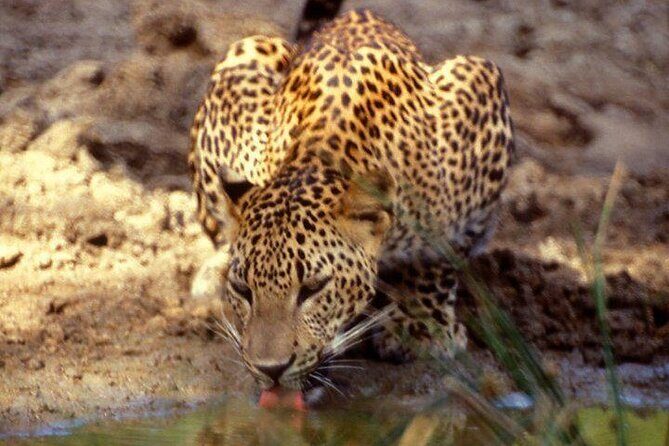
Hurulu can also broaden your wildlife odds. Along with elephants and deer, Hurulu is listed as a place where leopards may be encountered. That’s not something you should count on every trip, but it’s exactly the kind of possibility that makes a safari feel like a real wildlife outing rather than a one-note elephant show.
You might also notice that Hurulu’s “feel” is different from the tank and open-area energy of other parks. If you like wildlife photography with less noise and fewer interruptions, Hurulu is the type of place to consider. And if rain or heat changes animal movement, the guide’s ability to find workable viewing areas still matters.
One thing to keep your expectations grounded: you’re going to see a lot more if you accept that nature runs the schedule. Your goal is to be in the right area at the right time, and that’s where the operator’s flexible park selection becomes your edge.
What Else You Might See Besides Elephants
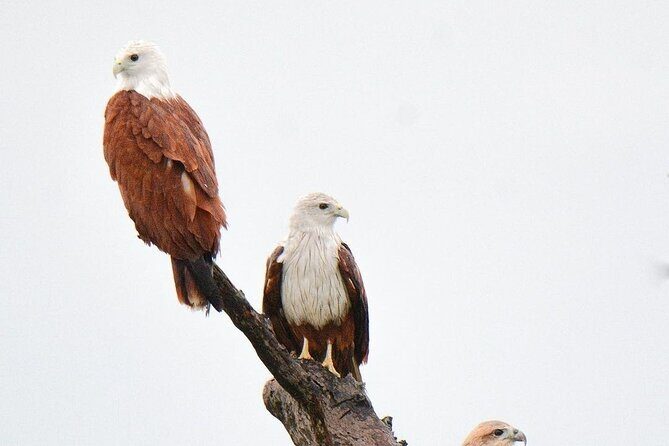
Elephants are the star, but this safari is designed to keep you busy with other wildlife. Depending on the park and the day, expect chances at animals like:
- Deer and monkeys
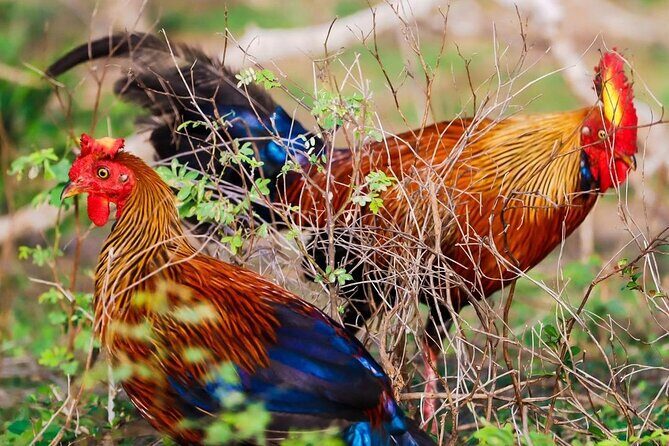
- Peacocks and a variety of birds
- Crocodiles (listed as possible)
- Water buffalo (noted in Minneriya viewing context)
- Wild boar (noted for Kaudulla)
- Sloth bears (listed for Minneriya)
- Leopards (listed as a possibility in Hurulu)
This matters for two reasons. First, wildlife spotting becomes more fun when the outing has multiple “wins” rather than only one. Second, animal sightings don’t always line up in perfect timing. If elephants are slower that day, smaller wildlife keeps the safari from feeling stalled.
Also, elephants aren’t always visible for the full outing. The guide’s job is to read the area and adjust. In reviews, guides were praised for being informative and for finding spots where elephants came close enough to actually observe from the jeep—again, not just “seen from far away.”
Other Minneriya safari tours we've reviewed in Sigiriya
The Guide and Jeep Experience: How Shan Makes It Work
This safari is run by Shan Jeep Safari & Tours, and the name Shan comes up in reviews as the kind of guide who helps you see more with less stress. People praised promptness, communication before pickup, and a driving style that aims for comfort.
One review highlighted that the guide was able to find the right spots for close elephant viewing despite rain. Another noted that the jeep was positioned so the group wasn’t constantly bothered by other jeeps. Those details are worth your attention because they show what you’re buying with your money: not only animal access, but also decision-making in the moment.
A good guide does three things well:
- Reads animal behavior so you’re not wasting time.
- Manages viewing distance so you get real observation time.
- Keeps the group comfortable so everyone stays engaged.
If you value a smooth day more than a rigid script, this is a strong fit.
Price Breakdown: Is $33 Good Value After Park Fees?
The safari price is listed at $33 per person, but two park admissions are noted as separate. Minneriya National Park has an admission fee of $35 per person, and Hurulu Eco Park has an entrance fee of $10 per person. That means your all-in cost depends on which park you get.
Here’s the practical math:
- If you end up in Minneriya, you’re looking at $33 + $35 = $68 per person (before any currency/processing quirks).
- If you end up in Hurulu, you’re looking at $33 + $10 = $43 per person.
- For Kaudulla, no admission fee is stated in the info you provided, so you’ll want to confirm the exact entry cost when your park selection is finalized.
Is it worth it? In most cases, yes—because this isn’t just a transfer. You’re paying for a guided wildlife search in a 4×4 jeep with pickup and drop-off included. If you’re lucky enough to see elephants close and in multiple herds, that experience is exactly what you’d typically pay more for on a private safari.
Still, do the simple check: if your budget is tight and you’re sensitive to fees, ask yourself if you’re okay with Minneriya being the most expensive outcome. If you’d rather keep costs lower, you might prefer the idea of Hurulu as a calmer option, but you don’t control the final park—seasonal elephant activity does.
What to Bring for a Rain-Adjustable Safari
The info doesn’t specify weather or exact start times, but rain is clearly on the table based on review comments about seeing elephants closely despite wet conditions. That’s your clue: pack for weather changes.
Bring:
- A light rain layer (or poncho-style protection)
- Sun protection (cap and sunscreen)
- Closed-toe shoes you don’t mind getting dusty
- A phone camera strap or secure setup (jeep rides can get bumpy)
Also, keep your attitude flexible. Safari success depends on where elephants move. Your best strategy is to be ready to watch quietly when you’re told to stop, and ready to move when the guide calls it.
Who This Safari Suits Best
This experience is a strong match if you:
- Want an elephant-focused day from Sigiriya without planning park logistics
- Prefer a guided search over trying to figure out wildlife viewing on your own
- Enjoy a mix of big animals and smaller wildlife like deer and birds
- Like the idea that your park choice can change to chase the better sightings
It’s also a good fit for couples, families, and solo travelers who want a real safari structure but don’t want a private-tour price tag. With a max of 50 travelers, it’s not a tiny boat, but it also isn’t presented as a massive crowd experience.
Should You Book This Minneriya, Kaudulla, or Hurulu Safari from Sigiriya?
If your priority is elephants and you want the day to feel organized, I’d book it. The combination of pickup from Sigiriya, a 4×4 jeep, and guide-driven positioning is what turns a wildlife outing into a memory. Add in the flexibility to go to the park with better seasonal elephant activity, and you’re not just taking a gamble—you’re leaning on a plan.
The only clear reason to hesitate is cost transparency. Because Minneriya can add a sizable admission fee on top of the tour price, double-check your total budget and be ready for the park fee to be the biggest variable.
If you can handle that, this is a very practical way to spend a half-day in Sri Lanka with a genuine chance to see elephants up close—and also spot enough extra wildlife to keep the safari interesting the whole time.
FAQ
FAQ
What parks can this safari visit?
It can visit Minneriya National Park, Kaudulla National Park, or Hurulu Eco Park, depending on the season and where elephants are most active.
How long does the safari last?
The duration is approximately 3 to 5 hours.
Is hotel pickup included?
Yes. Hotel pickup and drop-off from Sigiriya or nearby accommodations are included.
What is the price of the tour?
The tour price is $33.00 per person.
Are park admission fees included in the price?
No. Admission fees are not included. The information lists Minneriya National Park admission at $35.00 per person, and Hurulu Eco Park entrance at $10.00 per person. (A Kaudulla fee is not stated here.)
What wildlife can I expect to see?
You can expect chances to see elephants and also animals such as deer, monkeys, peacocks, crocodiles, and various birds. Specific options are also mentioned per park (for example, sloth bears in Minneriya and leopards in Hurulu).
Is there a guide, and what do they do?
Yes. You’ll have an experienced safari guide with in-depth knowledge of local wildlife to help with spotting and safety.
How many people are on the tour?
The maximum group size is up to 50 travelers.
How do I get the ticket?
A mobile ticket is provided, and confirmation is received at the time of booking.
What is the cancellation policy?
There is free cancellation. You can cancel up to 24 hours in advance for a full refund based on local time.