REVIEW · UDAWALAWA NATIONAL PARK
Udawalawe: National Park Safari & Elephant Transit Home Tour
Book on GetYourGuide →Operated by Shehan Safari Jeep Tours · Bookable on GetYourGuide
Elephants first, comfort built-in. This Udawalawe National Park safari is one of Sri Lanka’s most practical ways to see wildlife on real tracks, then switch gears at the Elephant Transit Home when the baby elephants are feeding. I like the straightforward 4-hour rhythm and how the tour balances “look longer” wildlife time with a guaranteed stop for elephant interaction.
Two things I especially like: you’re riding in a 4×4 jeep (so you’re not stuck watching from the back of a bus), and you get a focused elephant stop during feeding hours rather than a rushed pass-through. One consideration: the park entrance fee and snacks are on you, and if you go at a busy time of day, you may spend more time surrounded by other jeeps than you’d like.
In This Review
- Key points to know before you go
- A half-day safari that keeps your day efficient
- Entering Udawalawe in a 4×4 jeep (and why it matters)
- Wildlife viewing tips that will make your safari better
- Elephant Transit Home during feeding hours: the main event
- Why the best guides change everything
- Timing matters: morning tends to feel calmer than afternoon
- Price and value: $15 plus what you’ll pay at the gate
- What the total 4 hours feels like on the ground
- Practical advice for photos and respectful wildlife moments
- Who should book this Udawalawe safari
- Should you book the Udawalawe National Park Safari & Elephant Transit Home tour?
- FAQ
- Is the Udawalawe National Park entrance fee included?
- What’s included in the tour price?
- How long is the experience?
- Do I get to visit the Elephant Transit Home?
- Are food and drinks included?
- Do you have hotel pickup and drop-off?
- What about hotels outside the listed pickup area?
- Is the tour guide available in English?
- How many people are in each safari jeep?
- Can I cancel and get a full refund?
- Does it offer reserve now and pay later?
Key points to know before you go
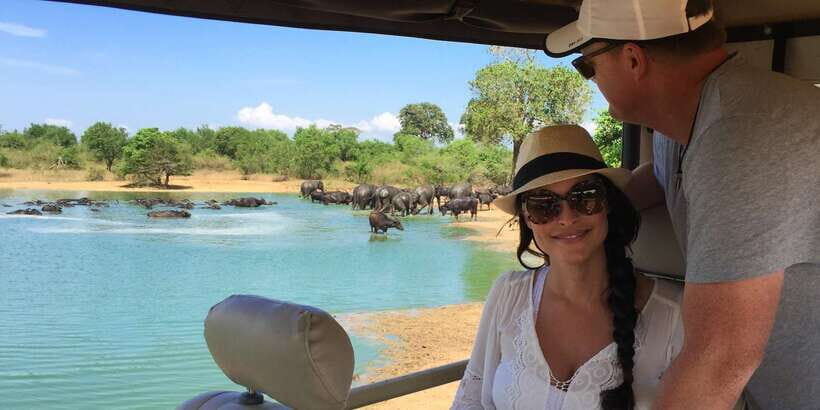
- 4×4 jeep wildlife time inside Udawalawe, with an experienced driver/guide
- Elephant Transit Home feeding hours for up-close baby elephant moments
- Big animal list potential: deer, buffalo, boar, jackal, crocodiles, and many snakes
- Small-group feel on a jeep (max 6 passengers)
- Timing affects the vibe: afternoons can bring lots of vehicles around elephant crossings
- Extra costs: park entrance fees and food/drinks are not included
A half-day safari that keeps your day efficient
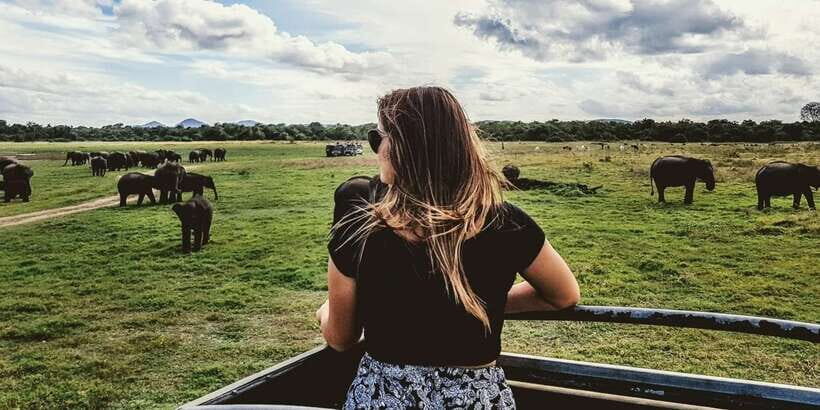
This is a 4-hour tour that fits cleanly into a travel schedule. You’ll get hotel pickup from the Udawalawa area (or pickup at the park entrance), then head straight into Udawalawe National Park in a 4-wheel drive jeep. It’s ideal if you want serious wildlife time without surrendering your whole day to logistics.
I also like that it’s designed around the two main reasons Udawalawe is famous: the park’s thriving elephant population and the chance to observe other animals in their natural areas. The tour’s structure makes it hard to “miss the point,” because both the jeep safari and the Elephant Transit Home stop are tied to the same theme—wildlife, close to real life, and at the times it makes sense to see it.
Other Udawalawe safari tours we've reviewed in Udawalawa National Park
Entering Udawalawe in a 4×4 jeep (and why it matters)
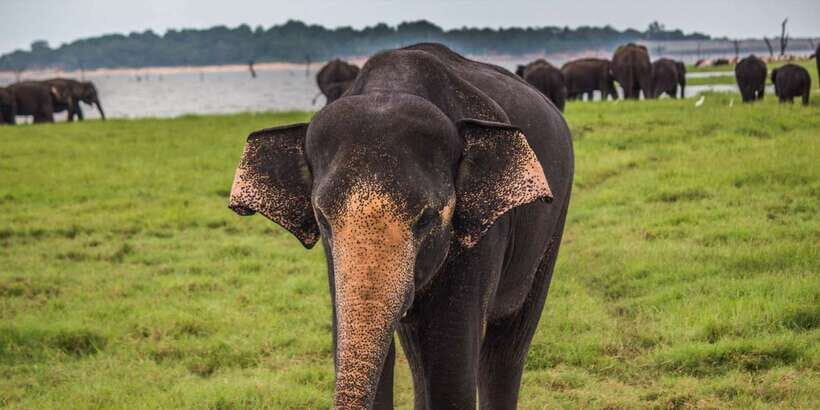
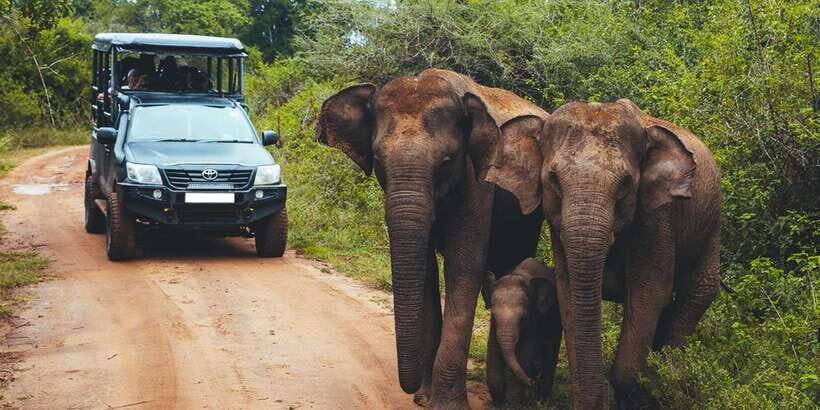
Once you’re in, the safari is about finding animals the old-fashioned way: by following the landscape, water sources, and animal movement. The tour enters the reserve via a 4-wheel drive jeep, which matters because Udawalawe’s routes aren’t always friendly to standard vehicles. A good guide also helps you read what’s happening—where animals pause, where they cross, and what signals you should watch for.
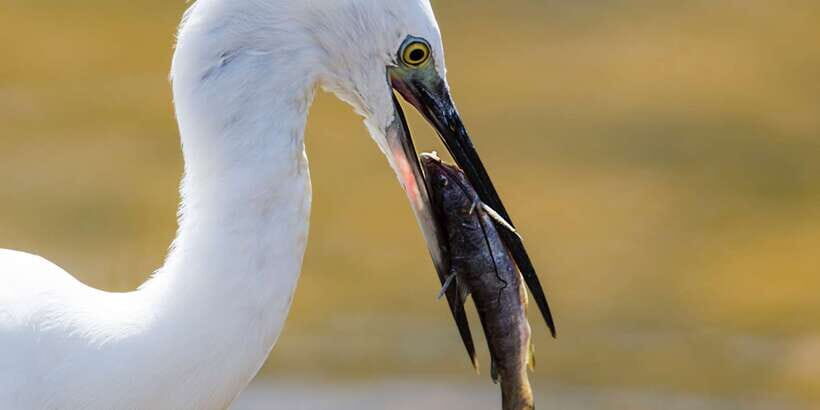
Udawalawe is known for more than elephants. You can have a shot at wild buffalos, spotted deer, barking deer, wild boars, and sambars, plus smaller species like hares and mongoose. You’ll also be in crocodile country, and the park’s reptile life includes many snakes (the tour description lists 30 species of snakes).
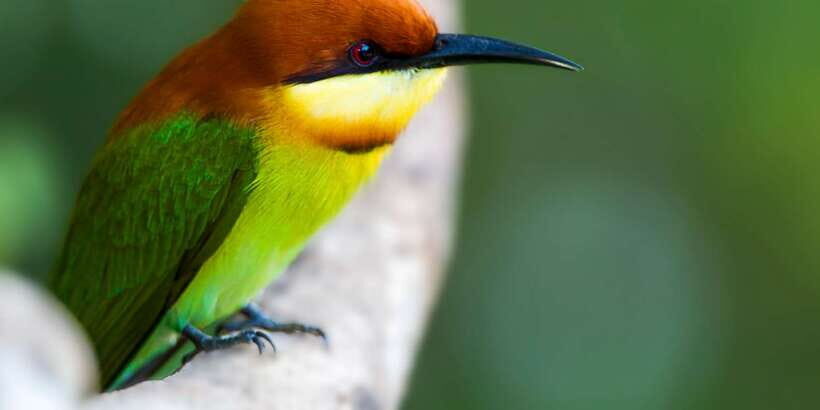
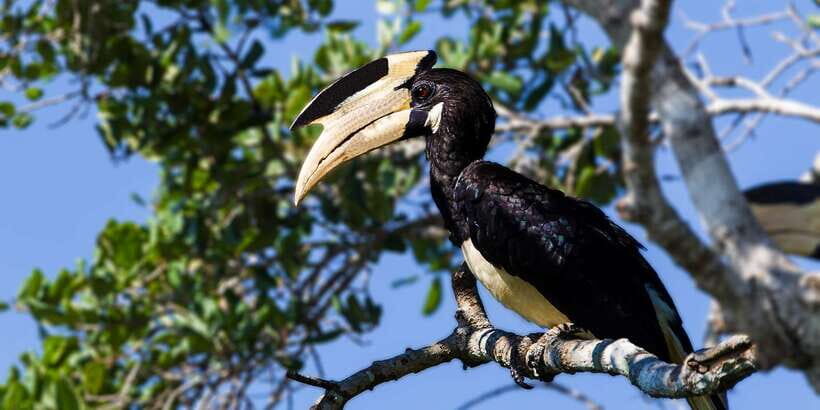
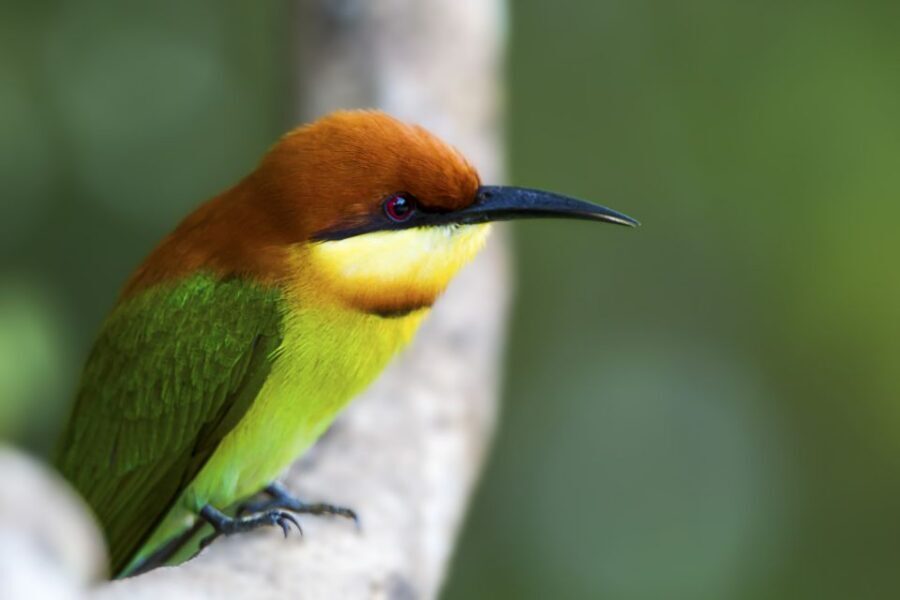
And yes, there are birds and insects worth paying attention to. The park is home to many species of birds (not just the loud ones), and you can also find 50 species of butterflies. If you’re the type who notices details—tracks on the ground, birds perched at odd angles, or the movement of leaves because an animal passed nearby—you’ll appreciate that this isn’t only an elephant show.
Wildlife viewing tips that will make your safari better
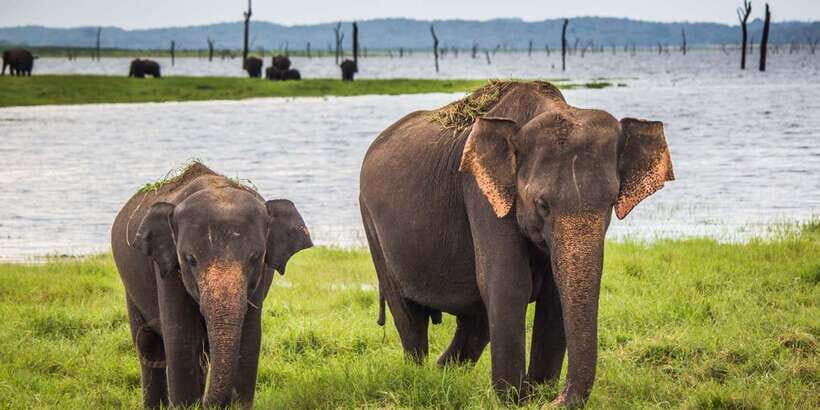
Even with a good driver, wildlife viewing has a rhythm: animals don’t all appear on a schedule. That means your best “strategy” is patience and paying attention when your guide slows down.
Here’s how to get more from the time:
- Keep your eyes moving. Elephants often draw attention fast, but deer, boar, and mongoose can be easy to miss if you fixate on one big target.
- Watch for water and shade. The Elephant Transit Home stop connects to this idea, because the wider region supports elephants thanks to abundant water sources.
- Don’t fight the group stop. If your guide halts for a reason, the best viewing usually comes from staying ready rather than repositioning.
What I really like is that the better guides don’t treat other jeeps like a scoreboard. In real operation, guides like Koshala have shown the habit of stopping to point out birds and animals you might not notice on your own. They also use common sense when elephant crossings gather heavy vehicle attention—driving away to give the animals space. That small change can turn a chaotic moment into a calmer one, and you’ll feel the difference.
Elephant Transit Home during feeding hours: the main event
After the safari, you shift to the Elephant Transit Home, timed for feeding hours. This part is where the tour goes from “watch animals in the wild” to “see very young elephants up close.” You’re looking at hundreds of wild elephant babies during feeding time, and the whole facility exists to support young elephants coming through a natural and human-assisted safety net.
This stop is valuable for two reasons:
- You’re not just seeing elephants. You’re seeing elephant life early on, when the babies’ movements and behavior are their own whole story.
- The park’s elephant population is tied to water. The tour explanation makes it clear that Udawalawe sustains large elephant numbers thanks to abundant water sources, and the transit home’s presence reflects the broader conservation ecosystem.
How close you get depends on what’s happening at feeding time, but the tour is specifically designed to let you take a closer look rather than only walk past. If your idea of a perfect animal moment is calm, steady observation, this stop usually delivers.
One practical note: if you’re sensitive to short attention windows, set expectations that elephant feeding is a timed activity and the babies won’t pose like models on command. In other words, your time can feel brief if the moment is busy or the elephants move through their feeding rhythm quickly. A smooth guide makes a big difference here, and the better ones focus on keeping you positioned for viewing without crowding the animals.
Why the best guides change everything
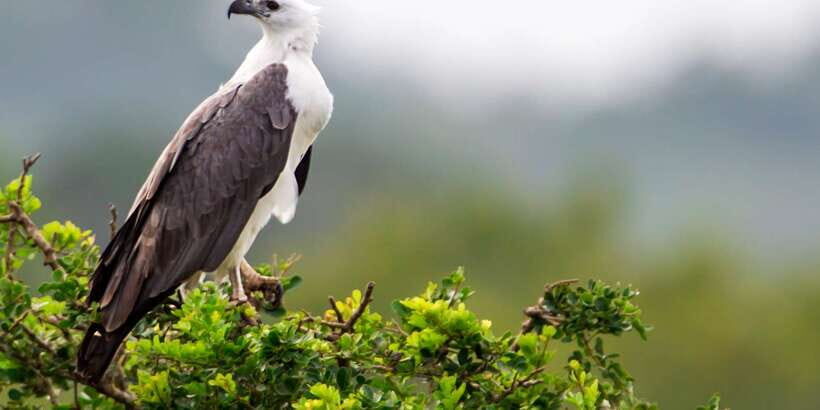
Udawalawe tours can look similar on paper. What changes the day is the driver/guide.
I love that this experience includes an experienced driver/guide and that the jeep holds up to 6 passengers, which tends to keep the group tone calmer. And the guide’s job is not only spotting. It’s communicating what you’re seeing.
In the real world, guides such as Pathum, Koshala, and Pettum have been described as:
- Punctual with hotel pickup and smooth returns to your pickup spot
- Willing to explain what you’re looking at, not just where to look
- Able to spot animals far off and bring you to the right viewing area
- Attuned to animal comfort, including stepping back when there’s too much vehicle pressure around elephants
If you want more than a checklist, look for a guide who treats the animals like the main characters—not the traffic around you.
A few more Udawalawa National Park tours and experiences worth a look
Timing matters: morning tends to feel calmer than afternoon
You’ll notice quickly that elephants are popular. And when elephants start crossing or feeding along key routes, other jeeps often show up fast.
One helpful pattern from real scheduling: going in the afternoon can mean more vehicles on the roads and more crowd energy when elephants move across or pause. That doesn’t automatically ruin the day. But if your goal is quiet, spacious viewing—more personal time with the scene—consider starting earlier in the day when possible.
So how should you decide?
- If you like maximum comfort and fewer vehicles around crossings: aim earlier.
- If you’re stuck with an afternoon slot because of your itinerary: go anyway, but lean into patience and follow your guide’s call when they choose where to stop.
Your best defense against crowds is a guide who understands animal behavior and can reposition responsibly without making the experience feel like a race.
Price and value: $15 plus what you’ll pay at the gate
The listed price is $15 per person, and that’s the first reason this tour is attractive: it’s positioned as a budget-friendly way into one of Sri Lanka’s best elephant settings.
But the real value comes from what that price covers. In this case, you’re paying for:
- A 4×4 jeep safari
- An experienced driver/guide
- Transportation in the safari jeep (max 6 passengers)
- Hotel pickup/drop-off in the defined areas, or pickup at the park entrance
What’s not included is the Udawalawe National Park entrance fee and food or drinks. That’s important because your total cost will be the safari price plus those on-the-ground extras. Still, even with the added entrance fee, the setup often works out well if you’d otherwise pay separate transport or struggle to arrange a good jeep safari yourself.
If you’re cost-sensitive, bring a simple plan:
- Budget extra for entrance.
- Decide whether you’ll pack water/snacks (since food/drinks aren’t included).
- If you want longer elephant viewing time, remember that feeding schedules can affect how the moment plays out.
Also, keep in mind what caused some negative feedback in general terms: when people feel the elephant time was brief, it can feel expensive. The fix isn’t to avoid the tour—it’s to choose the timing wisely and go with flexible expectations about animal movement.
What the total 4 hours feels like on the ground
This isn’t a full-day outing. It’s a “hit the highlights” half-day. A typical experience flows like this:
- Pickup from your hotel area or the park entrance
- Entry into Udawalawe by jeep and time spent searching for wildlife
- A stop at the Elephant Transit Home during feeding hours to see baby elephants up close
- Return transfer to your pickup spot
Because the time is limited, you’ll want to stay engaged. The best moments tend to happen when you’re alert and ready to look quickly as your guide slows down or changes direction. If you’re the type who plans to rest and check your phone the whole time, you’ll miss a lot of the payoff.
Practical advice for photos and respectful wildlife moments
Udawalawe can give you close wildlife sightings, but you still need to treat it like real wildlife habitat, not a theme park.
A few practical moves:
- Bring a light layer. Early or late sessions can feel cooler than you expect, and jeep time means you’ll be outside for stretches.
- Have your camera ready but don’t rush. When an animal appears, your guide may want a controlled viewing distance.
- If you see elephants and the area is getting congested, trust your guide’s judgment. In real operation, guides like Koshala have been willing to move away when too many vehicles gathered—because the animal’s comfort matters.
This is one of those tours where your enjoyment improves when you stop thinking like a spectator and start acting like a calm observer.
Who should book this Udawalawe safari
This is a strong fit if:
- You want elephants and other wildlife in one compact half-day outing
- You prefer a small jeep group experience (max 6 passengers)
- You like guided interpretation—knowing what you’re seeing as you go
- You want elephant baby interaction at the Elephant Transit Home during feeding hours
You might skip it if:
- You only want guaranteed long elephant contact time in one fixed spot. Feeding is feeding, and elephants aren’t trapped in place.
- You hate crowds and can’t adjust plans. Afternoon departures can bring more jeep traffic around key sightings.
For most people, though, it’s a smart way to get a serious wildlife experience without turning it into a whole-day ordeal.
Should you book the Udawalawe National Park Safari & Elephant Transit Home tour?
I think it’s worth booking if your priority is a well-run 4×4 wildlife safari plus a meaningful stop at the Elephant Transit Home during feeding hours. The value is strongest when you treat it as a half-day adventure where the guide’s driving and animal sense drive the quality—not a promise of fixed “minutes with elephants.”
If you’re flexible on timing, try to aim for a less crowded window (often earlier in the day) and arrive ready to be calm and attentive. Factor in extra costs for park entrance fees and plan your own water/snacks since food and drinks aren’t included.
If that sounds like your style—then this is a good, efficient way to experience Udawalawe’s elephants and beyond.
FAQ
Is the Udawalawe National Park entrance fee included?
No. The entrance fees are not included in this package.
What’s included in the tour price?
You get a 4×4 jeep safari, an experienced driver/guide, and transportation in a safari jeep (up to 6 passengers). You also get hotel pickup in the Udawalawa area or pickup at the park entrance.
How long is the experience?
The duration is 4 hours.
Do I get to visit the Elephant Transit Home?
Yes. You stop at the Elephant Transit Home during feeding hours to interact with baby elephants.
Are food and drinks included?
No. Food or drinks are not included.
Do you have hotel pickup and drop-off?
Yes, pickup and return transfer are included from the Udawalawa area. Pickup is also available at the Udawalwe National Park entrance.
What about hotels outside the listed pickup area?
Pickup is available from any hotel outside the stated areas for an additional charge.
Is the tour guide available in English?
Yes. The live tour guide is in English.
How many people are in each safari jeep?
The safari jeep has a maximum of 6 passengers.
Can I cancel and get a full refund?
Yes. Free cancellation is available up to 24 hours in advance for a full refund.
Does it offer reserve now and pay later?
Yes. It offers reserve now & pay later, so you can book your spot and pay nothing today.