REVIEW · GALLE
Great Whales Education Programe Dolphins and Whales are in SL
Book on Viator →Operated by Great Whales · Bookable on Viator
Dolphins and whales, minus the lottery. Great Whales brings a 1-hour education programme to Matara, where you learn how the animals fit into Sri Lanka’s waters and how watching works in real life. It’s a smart choice when you want more than a quick photo stop.
What I like most is the way it’s built around Sri Lanka’s whale-watching history, so the facts connect to the local season and sites. I also like that the session includes free refreshments (tea/coffee, snacks, bottled water), which makes it comfortable for families and seniors.
One thing to consider: this is an education session, not a guaranteed boat-trip viewing. If your main goal is seeing whales or dolphins on the water, you’ll want to pair this with a boat day in Mirissa when conditions allow.
In This Review
- Key highlights worth knowing
- Why this one-hour programme can feel smarter than chasing sightings
- Meet Ms. A.H. Deepika Kumari and get the local perspective
- Your hour in Matara: what you’ll actually talk about
- Comfort details that make a difference: snacks, tea/coffee, water
- Where it fits in your south-coast plan: Mirissa, Weligama, and Polhena
- Price and value: what $25 buys you
- Who this is best for (and when you might skip it)
- What to bring and how to get the most from the Q&A
- Should you book Great Whales in Matara?
- FAQ
- How long is the Great Whales education programme?
- How much does it cost per person?
- Where do I meet for the programme?
- What’s included during the session?
- Is air-conditioned transport included?
- Do I get a mobile ticket?
- Is this a private tour?
- Are service animals allowed?
- What are the opening hours?
- What is the cancellation policy?
Key highlights worth knowing
- One hour, for kids and adults: An easy format with discussion built in
- Led by Ms. A.H. Deepika Kumari: Over 12 years in whale and dolphin watching
- Built around current sightings and best methods: Practical advice for live viewing days
- Free tea/coffee plus snacks and water: Stops the session from feeling like a lecture
- Talks cover boats, timing, and weather: Helps you understand why some days are better than others
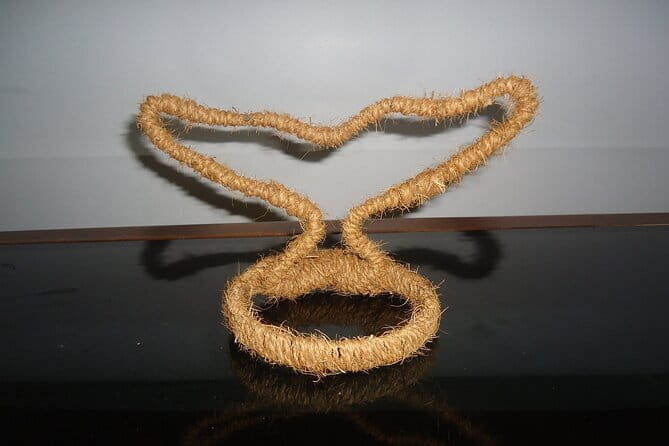
- You can buy locally made whale and dolphin souvenirs: A nice take-home from Matara
Why this one-hour programme can feel smarter than chasing sightings
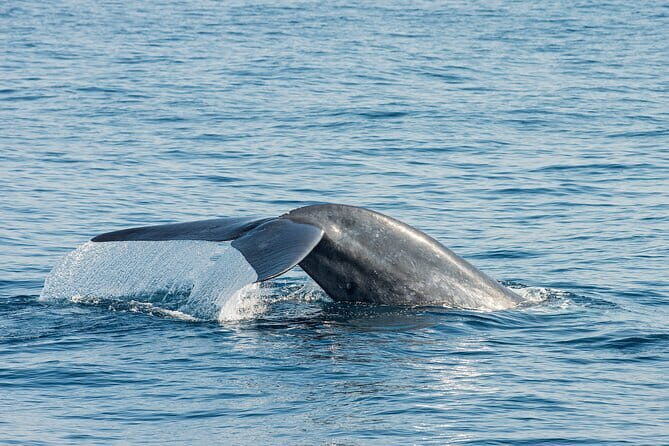
In the south of Sri Lanka, dolphin and whale watching can be magical. It can also be unpredictable, because weather and sea conditions decide what’s possible. That’s where Great Whales makes sense.
Instead of hinging your day on whether the sea gives you what you want, you get a focused education programme that helps you understand what you’re looking for and why you might not see much on certain days. I like this approach because it turns disappointment into something useful: you leave knowing more, even if the ocean is calm but quiet.
You can also use it as a confidence boost before you go to the big watching areas nearby. Matara is about 30 minutes from Mirissa and 15 minutes from Polhena beach, so you can pair this with your time on the coast without it becoming a whole new trip.
Other whale watching tours in Galle

Meet Ms. A.H. Deepika Kumari and get the local perspective
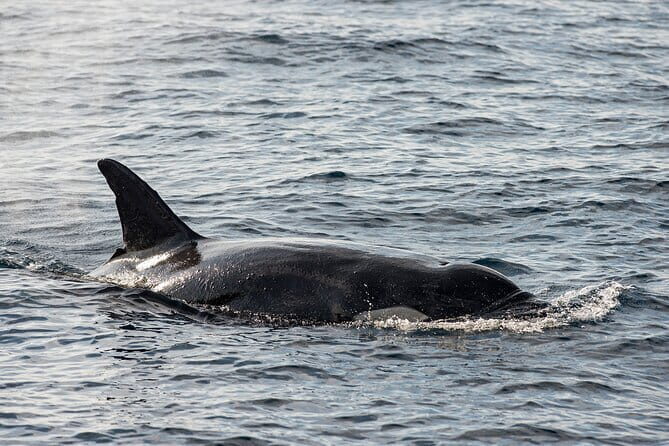
This programme is conducted by Ms. A.H. Deepika Kumari, one of the early members involved in whale and dolphin watching in Sri Lanka. The simple reason this matters: she’s not just sharing general marine facts. She’s sharing how whale and dolphin watching actually plays out off Sri Lanka, where it’s done, and what to expect when you go out.
In the best sessions, the guide doesn’t just talk at you. This one is designed as open discussion, so you can swap questions and experiences with the group. That format works well for mixed ages too—children usually have a hard time with long, silent lectures, while adults often want context and practical explanations.
If you’re traveling with family, this is the kind of guide-led session that can keep everyone engaged. And if you’re traveling solo, it still feels social, because you’re encouraged to talk back with what you’ve seen or heard so far.
Your hour in Matara: what you’ll actually talk about
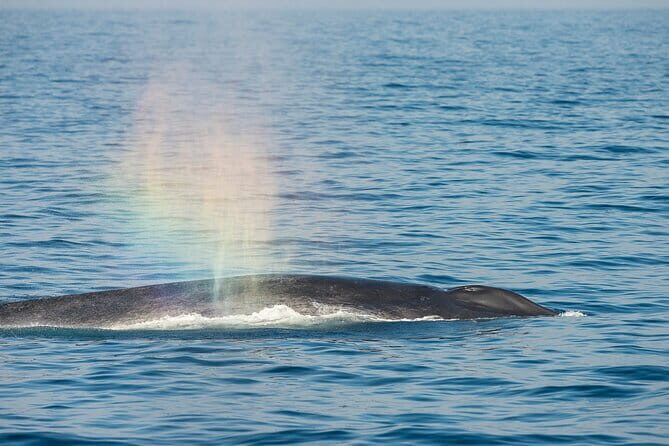
Great Whales runs for about 1 hour. You start and end back at the meeting point at No: 12 Paramulla Rd, Matara 81000. It’s a private activity, meaning your group is the only group participating.
Here’s what you’ll cover during the session, in plain terms. This isn’t random marine trivia—it’s the stuff that changes how you watch when you go back out.
Commercial whale and dolphin watching history in Sri Lanka
You’ll learn how watching became a regular activity, and how the industry developed over time. Why that’s useful: it helps you understand the logic behind certain watching zones and the way boat operators think about timing.
Main whale and dolphin watching points in Sri Lanka
You’ll get the names of the main areas and where people focus their effort. Even if you don’t remember every location afterward, it helps you build a mental map for your next day on the water.
Why whales and dolphins are in Sri Lankan waters
This is where the guide connects the animals to the local ocean reality. It helps you stop viewing whale watching as pure luck and start thinking about habitat and movement—at least at the level a visitor can use.
Main common species in Sri Lankan waters
The session includes discussion of the main common species. The key is that you’ll learn what types are more typical in Sri Lanka waters, rather than just hearing about a few famous animals.
Current sighting discussion
This part is practical. You’re not just getting a lecture—you’re getting an update on what’s being seen now. Even if your own tour day doesn’t match the current sightings, you’ll know what “current” usually means in this region.
Watching trip duration, weather, and boat types
This is one of the most valuable parts for planning. The session talks about weather conditions and the types of boats/yachts used for whale and dolphin watching, plus the facilities you can expect from operators.
If you’ve ever wondered why some outings run longer or why some days feel more productive, this section gives you the reasons. It also helps you ask better questions before you pay for a boat day elsewhere.
Best method for live watching
The guide includes advice on how to improve your chances during live viewing. I like this section because it’s not about guarantees—it’s about habits: what to pay attention to, how to adjust to changing sea conditions, and how to make the most of the time you have.
Comfort details that make a difference: snacks, tea/coffee, water
A lot of marine education can feel like sitting through slides. Great Whales does the opposite of that by keeping it human and comfortable.
You get coffee or tea, plus snacks and bottled water during the session. That matters more than you’d think, especially if you’re traveling with kids, or if you’ll be moving from the coast in heat and sun.
Also, the ticketing is simple: you receive a mobile ticket, and you get confirmation at the time of booking. Opening hours run from 7:00 AM to 7:00 PM, Monday through Sunday (with the programme operating during the listed date range).
Where it fits in your south-coast plan: Mirissa, Weligama, and Polhena
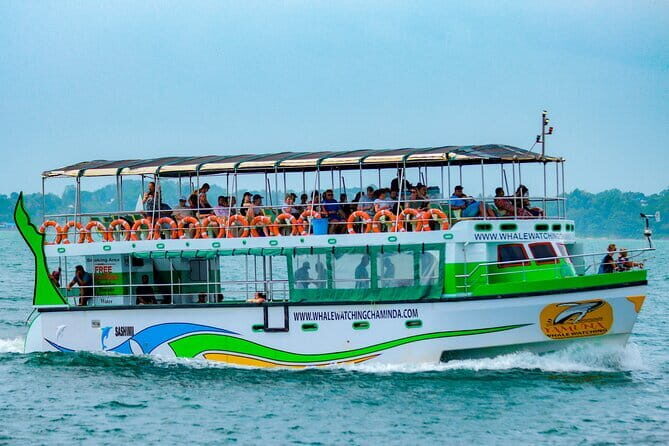
Great Whales is located in Matara, and the drive times help you place it in a realistic day plan. Expect roughly 30 minutes to Mirissa and about 15 minutes to Polhena beach.
That means you can schedule this as:
- a morning education stop before heading toward the main viewing areas
- an alternative option on a day when the sea conditions feel uncertain
- a “value add” if you’re already spending time around Weligama/Mirissa area
One common travel pattern in this part of Sri Lanka is booking boat tours for dolphins and whales, then discovering that the ocean has its own schedule. When that happens, Great Whales gives you something meaningful to do that still connects to your goals: you’re learning how to interpret what you see (or why you might not).
Other dolphin watching tours in Galle
Price and value: what $25 buys you
The price is $25.00 per person, and it’s booked on average about 25 days in advance, which tells me it has steady demand.
Is it worth $25? For me, the value comes from two things:
1) You’re not only paying for talk time. You’re paying for structured guidance on watching points, species basics, and how watching trips work with weather and boat operations. That helps you plan better for any future viewing day.
2) You get included comforts: tea/coffee, snacks, and bottled water, plus all fees and taxes.
It also helps that this is a private activity for your group. That private feel is often what keeps a Q&A session useful, because you can ask questions without feeling rushed.
A small cost consideration: an air-conditioned vehicle is not included. If you’re starting farther away or want comfort, you’ll need to handle transport yourself. The good news is that the meeting point is described as near public transportation, and the session itself is still easy to reach.
Who this is best for (and when you might skip it)
I’d call this ideal for:
- Families with children who need an engaging, not-too-long activity
- Young adults and adults who want practical context before a boat day
- Seniors who may prefer a calmer indoor-style session rather than choppy water
- People who want more than luck from their whale and dolphin plans
It’s also a great match if you’ve ever faced a whale-watching day where sightings didn’t happen as hoped. In that kind of situation, the education part still gives you something you can use: better expectations, better planning, and a clearer sense of how different days work.
You might skip it if your entire goal is purely visual and you only want the water experience. Even then, I’d still suggest considering it as a backup plan for uncertain weather days, because the session is designed around the reality of live watching.
What to bring and how to get the most from the Q&A
The session is low fuss. You’ll be in a guided discussion for about an hour, with refreshments provided. So your main job is mental: come with questions.
If you want to get more value, ask things like:
- what species are typically more likely in Sri Lankan waters
- how weather affects viewing plans and boat operations
- which local watching points people focus on and why
- what you should look for when you’re out on a boat
And if you’re traveling with family, let kids ask first. The guide will likely adjust explanations to keep it understandable for different ages.
Should you book Great Whales in Matara?
If you’re in the south coast and you want a whale-and-dolphin experience that teaches you something practical, I think Great Whales is an easy yes. It’s short, family-friendly, and structured around the same questions you’d have before a live viewing trip—weather, timing, species basics, where people watch, and how boat operators handle different conditions.
If you’re mainly chasing photos and can’t imagine doing anything that doesn’t end with a dolphin sighting, then book it only if you’ll accept the chance that live viewing won’t happen the way you hoped. But as a planning tool and a confidence builder, it’s one of the most sensible ways to spend an hour in Matara.
FAQ
How long is the Great Whales education programme?
It lasts about 1 hour.
How much does it cost per person?
The price is $25.00 per person.
Where do I meet for the programme?
Meet at No: 12 Paramulla Rd, Matara 81000, Sri Lanka. The activity ends back at the meeting point.
What’s included during the session?
Tea or coffee, snacks, bottled water, and all fees and taxes are included.
Is air-conditioned transport included?
No. An air-conditioned vehicle is not included.
Do I get a mobile ticket?
Yes, it uses a mobile ticket.
Is this a private tour?
Yes. It’s private, and only your group will participate.
Are service animals allowed?
Yes, service animals are allowed.
What are the opening hours?
It runs Monday through Sunday from 7:00 AM to 7:00 PM.
What is the cancellation policy?
You can cancel for a full refund up to 24 hours in advance of the experience start time. Canceling less than 24 hours before the start time is not refundable.