REVIEW · MIRISSA
From Mirissa/Galle/Hikkaduwa: Udawalawa National Park Safari
Book on GetYourGuide →Operated by Wanderluxe Ceylon · Bookable on GetYourGuide
Big elephants, early light, and a rehab stop make this tour special. I love the door-to-door pickup that gets you from the south coast to Udawalawe without the stress of arranging rides. I also love how the safari is done in 4×4 safari jeeps, which means better viewing angles than most buses or vans.
One thing to consider: the national park is active and popular, so it can feel busy with other jeeps at sightings, especially around major elephant groups.
In This Review
- Key things that make this tour worth your time
- From Galle and Mirissa to Udawalawe: why the route works
- Pickup, comfort, and the “big day” rhythm
- Udawalawe National Park safari: how you’ll actually experience it
- Elephant Transit Home: the stop that changes the whole mood
- Wildlife beyond elephants: what else you should keep your eyes on
- Price and value: what $27 covers (and what it doesn’t)
- Practical tips that make the safari smoother
- Group size, jeep traffic, and how to handle busy sightings
- Who should book this Udawalawe + Transit Home day?
- Should you book this tour or pass?
- FAQ
- Where does this safari pick up from?
- How long is the tour?
- Is the safari done in a 4×4 vehicle?
- Are national park tickets included?
- Is food included?
- What time does the Elephant Transit Home open?
- Is the tour in English?
Key things that make this tour worth your time
- Elephant Transit Home timing options (10:30, 2:30, or 6:00) so your day can match your schedule
- Early departure to catch Udawalawe at its most active hour
- 4×4 safari jeeps made for wildlife viewing and photo angles
- A real guide on the safari route, helping you spot animals you’d miss on your own
- More than elephants, including deer, birds, water buffalo, and other wildlife you might not expect
From Galle and Mirissa to Udawalawe: why the route works
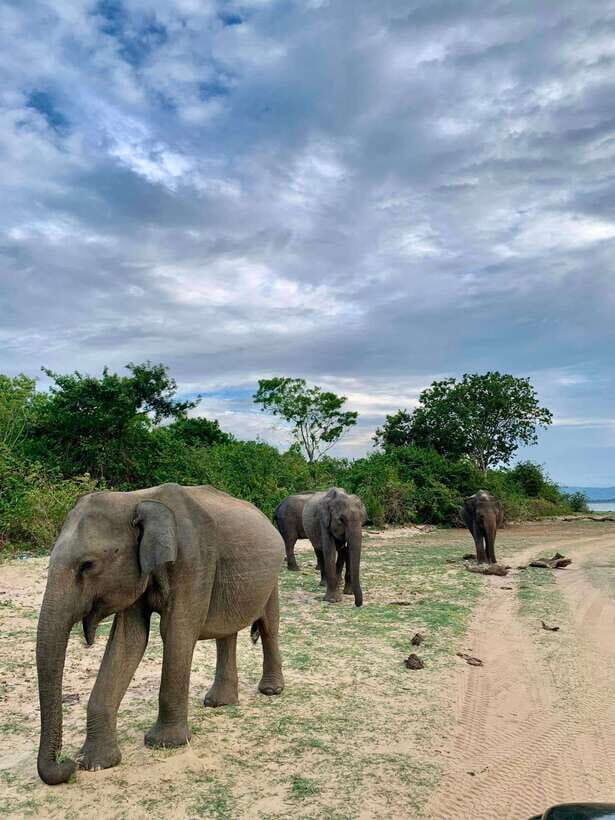
If you’re staying along Sri Lanka’s southern coast, Udawalawe is one of those “worth the drive” wildlife days. You’re not just going somewhere pretty and snapping a few pictures—you’re heading into a national park where elephants really move like they own the place. The tour’s structure helps a lot: you get picked up from common hubs like Galle, Mirissa, and Hikkaduwa (plus several others), then you’re set up for an early start.
Why that matters? Animal behavior often follows the day’s rhythm. When you arrive too late, you still see wildlife, but you miss the higher-energy moments. This tour aims to get you into Udawalawe in time for that peak activity window, which is exactly when elephants, deer, and birds tend to be easiest to spot.
You also get something many safari-only days skip: the Elephant Transit Home visit. That stop adds heart and context. Instead of only seeing elephants in the wild, you see the rehabilitation side of the story—how young elephants are fed and cared for before they can be released.
Other Galle tours we've reviewed in Mirissa
Pickup, comfort, and the “big day” rhythm
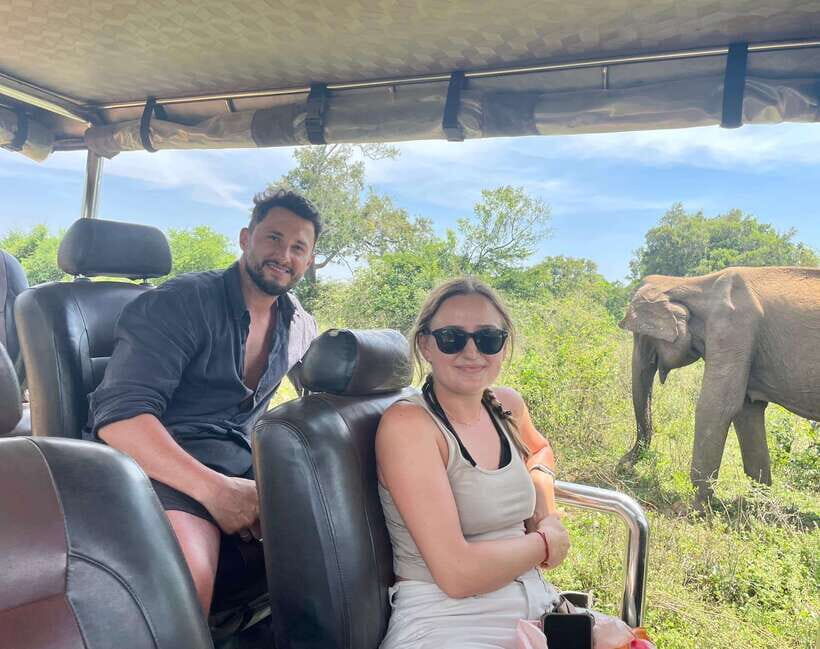
This tour is designed around comfort and minimizing wasted time. Your day starts with a complimentary pickup in an air-conditioned van from your hotel (or a selected pickup point). They ask you to be in the lobby about 10 minutes before pickup. Small detail, big payoff: you avoid that awkward long wait and keep your day moving.
From there, you transition into the safari side of the day using spacious 4×4 safari jeeps. In real terms, this means you’re not hunched in a cramped seat trying to “make do” with reflections on glass. It’s built for wildlife viewing and photos. Several guides help you keep your eyes up and your camera ready, and some even come with tools like binoculars to help you pick out distant sightings.
The timing is what makes the whole day feel smooth. The safari portion is planned as a morning experience (with an early start), then the transit home visit happens at one of the center’s open times: 10:30 AM, 2:30 PM, or 6:00 PM. That flexibility is useful. If you’re the type who hates rushing, you can often pick a time slot that feels more comfortable with your broader travel schedule.
Even with the “5–9 hours” range, plan for a full day mindset. This is not a quick add-on. One day out, then back to your hotel.
Udawalawe National Park safari: how you’ll actually experience it
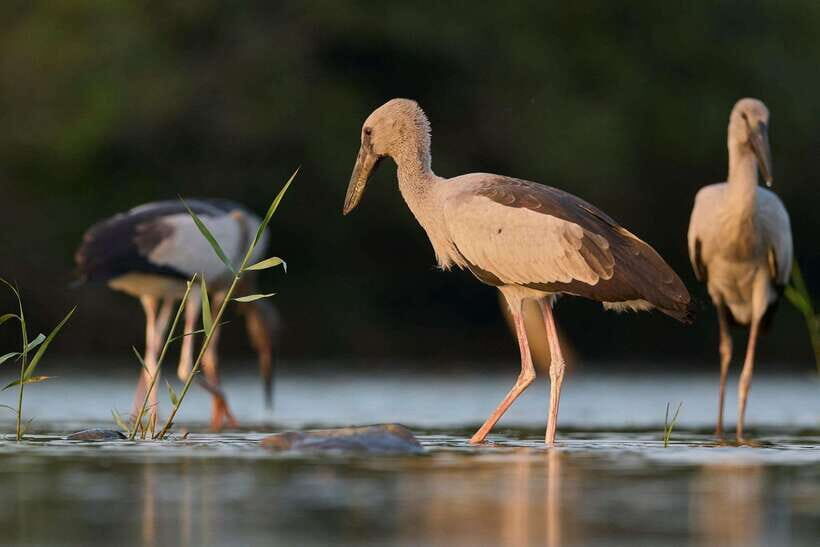
Udawalawe is famous for elephants, and the safari route is structured to give you good chances of seeing them more than once. The day includes a photo stop and guided sightseeing, then you’re out driving through the park with your guide/naturalist providing direction.
Here’s what you should expect on the ground:
- You’ll spend a significant chunk of time on the safari circuit, not just a drive-by.
- Your guide watches the landscape for movement and signs, not only for obvious animals standing in the open.
- You pause for sightings and take time to look, which is key for both real viewing and photography.
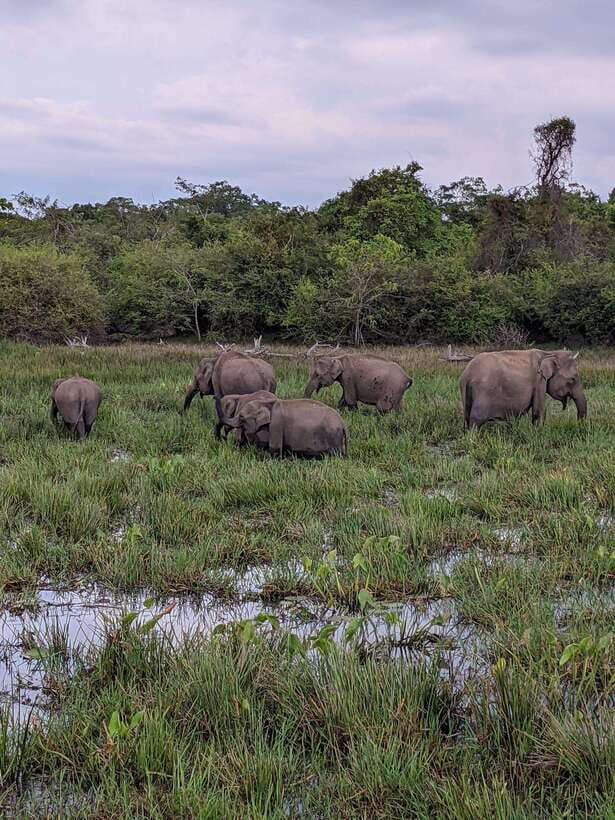
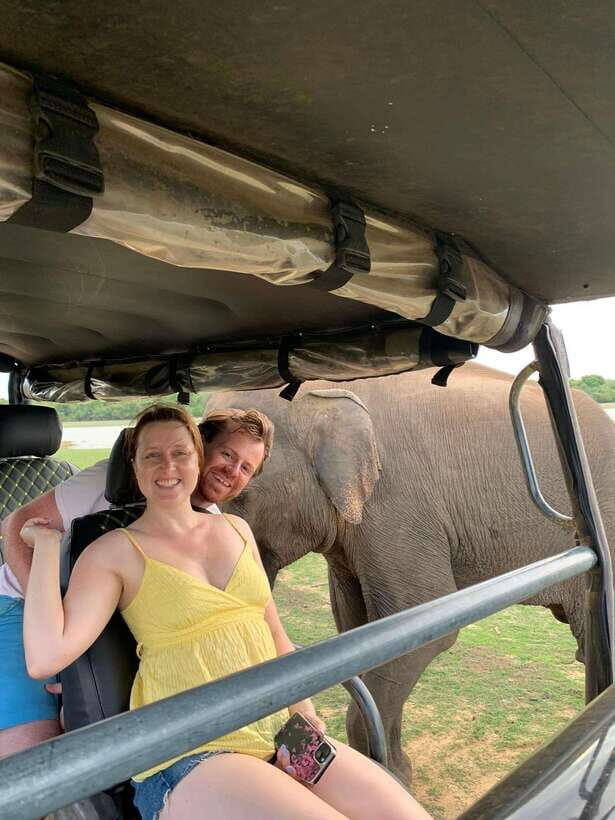
Elephant spotting in Udawalawe can feel almost unreal if you’re used to seeing elephants only from far away. At close range, you notice details—family groups moving together, the smaller calves staying close, and the way herds react when other animals show up nearby. In some cases, elephants can come very close to the safari vehicles, sometimes close enough that you feel the difference between a zoo and the real world.
That closeness is thrilling, but it’s also why this experience depends on your guide. A good guide helps you stay calm, keeps you positioned safely, and helps you understand what you’re seeing. It’s the difference between seeing an elephant and understanding why it’s there and what it’s doing right then.
Elephant Transit Home: the stop that changes the whole mood
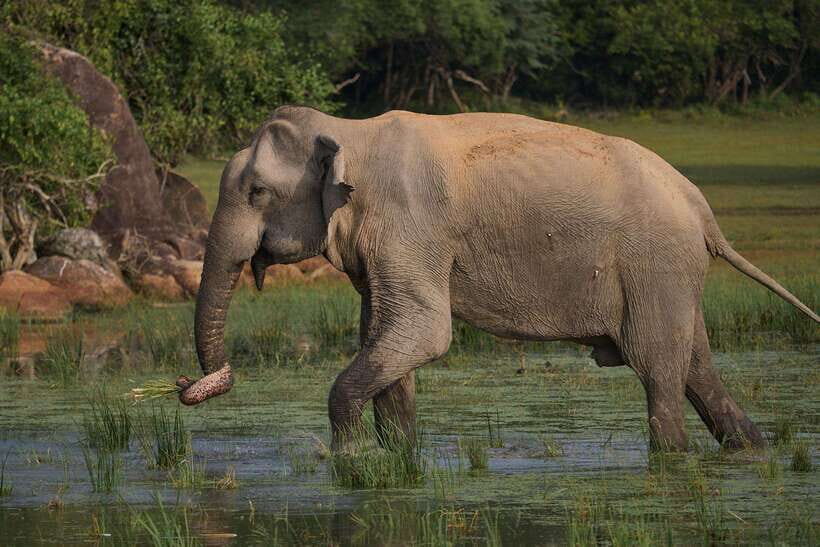
The Elephant Transit Home is the emotional pivot of the day. After the safari, you visit the rehabilitation center for young elephants, generally for about an hour. The center is for elephants that have been orphaned or injured. Watching feeding and daily care adds meaning to what you saw in the park.
What makes this visit valuable is the contrast:
- On safari, elephants are wild, moving freely through their environment.
- At the Transit Home, elephants are learning and recovering, with staff helping them build the foundation for life ahead.
You’ll see young elephants interact in the way young animals do—playful, noisy, and very expressive. It’s not just “cute footage.” The center’s purpose is serious, and seeing their daily routine helps you understand the conservation work behind the scenes.
Also, the visit times—10:30, 2:30, and 6:00—can help you shape your day. If you’re someone who likes morning starts, choose the earlier slot. If you’re traveling with heat-sensitive plans, the later slot can feel easier. If you’re trying to connect this day with other activities, the later slot gives you more flexibility.
Wildlife beyond elephants: what else you should keep your eyes on
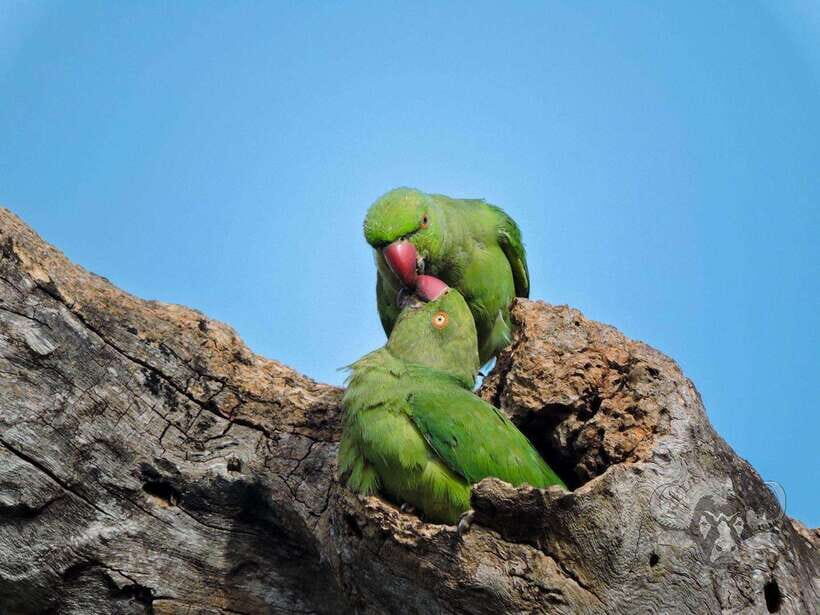
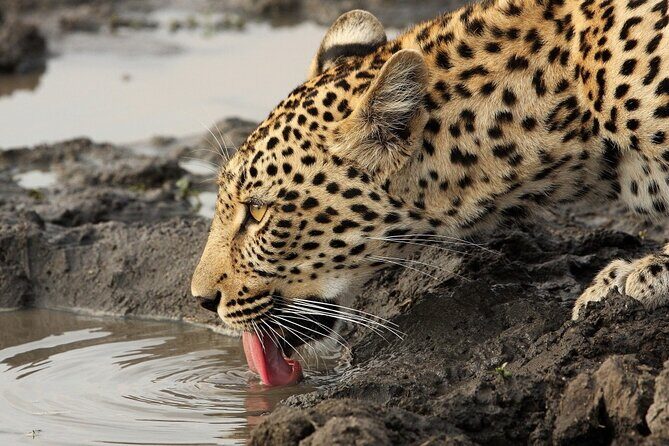
Yes, elephants are the headline act. But Udawalawe rewards patience because the park holds more than one “type” of animal.
Depending on where the sightings are that day, you might also see:
- Water buffalo (often in the same kinds of areas elephants move through)
- Deer, including spotting smaller shapes moving in brush
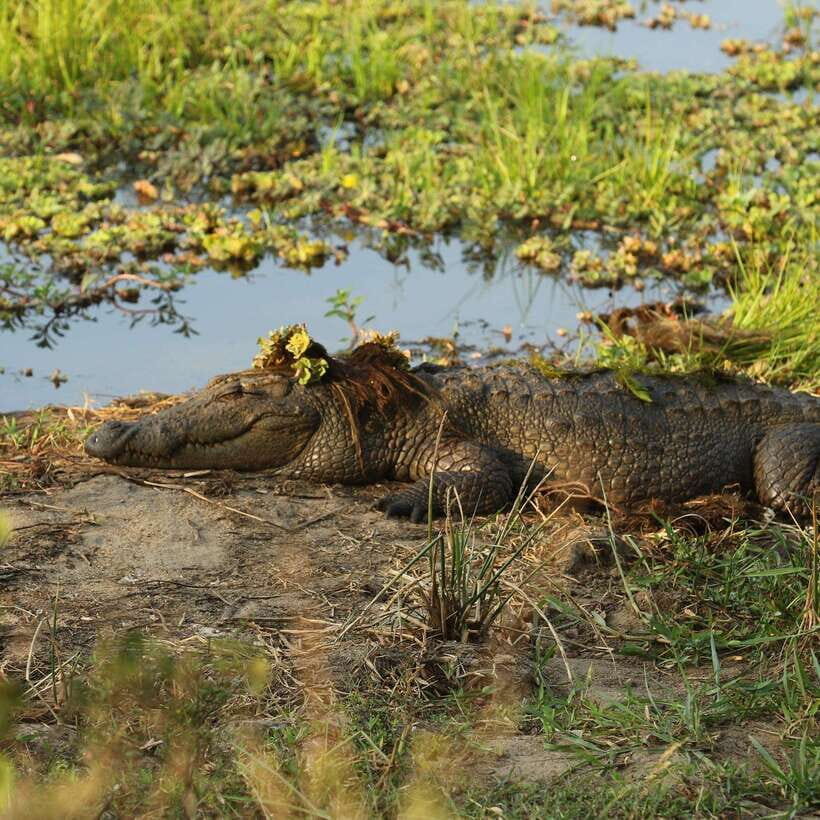
- Crocodiles around water areas (when you’re lucky and the timing is right)
- Birds in surprising variety, including eagles and other raptors
- Reptiles like chameleons and monitor lizards
- Other primates such as monkeys
- And yes, sometimes peacocks
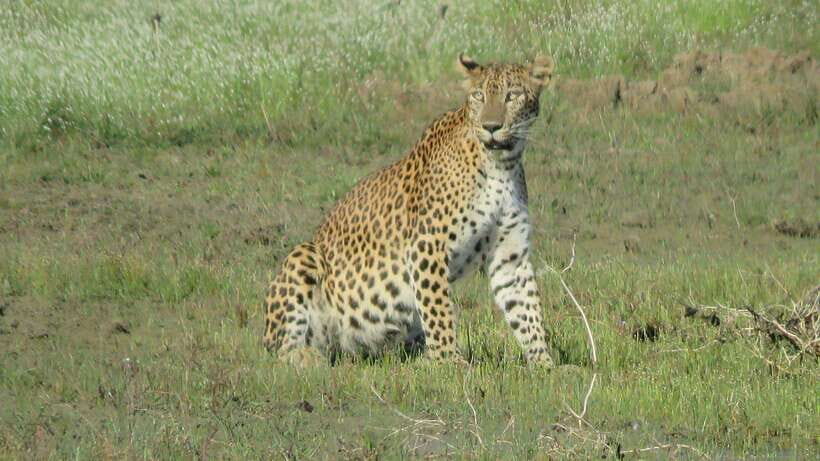
A big reason this tour works is that your guide helps you catch what you’d miss. Animals aren’t waiting for perfect visibility. You need a trained set of eyes to notice small motion in bushes or a bird perched in a spot that looks empty unless you know where to look.
If you’re serious about photos, bring a practical mindset: take shots when your guide tells you the animal’s about to move, not only when you first spot it. That’s where the best frames happen—when you have a chance to anticipate.
Other Mirissa tours we've reviewed in Mirissa



Price and value: what $27 covers (and what it doesn’t)
The listed price is about $27 per person, and that’s where value starts—especially because transport is included. You’re getting:
- Complimentary pickup and drop-off from selected southern coastal locations
- Air-conditioned transfer in the morning
- A safari in spacious 4×4 jeeps
- An experienced guide/naturalist during the safari experience
What’s not included matters for budgeting. You’ll need national park entry tickets (listed as about $37 per adult), and food and drinks are also not included.
So how do you judge whether it’s a good deal? In my view, the value is strongest if you’d otherwise struggle with transport logistics. If you’re traveling independently and would have to arrange a driver plus entrance plus an organized safari route, the “all-in style” convenience is the part you feel in your day.
Also, consider the elephant transit stop. That extra visit turns the day from only a wildlife chase into a wildlife-and-conservation story. For many people, that emotional payoff is the main reason they say yes to Udawalawe over other options.
One more small reality check: because the day runs longer (often closer to the upper end), you’ll want snacks and water. It’s not included, and you’ll feel it if you arrive hungry.
Practical tips that make the safari smoother
A few things will make this day easier and more enjoyable—without turning your trip into a checklist.
Bring snacks and water. Food and drinks aren’t included, and this is a long day. Even a small snack helps when you’re waiting for sightings.
Plan for heat and comfort. Udawalawe is an outdoors day. Wear light clothing, and think about sun protection.
Use a camera strategy, not a camera frenzy. Your guide will know when to pause and when to move. Waiting for the right moment beats taking 200 rushed shots.
Be ready for close elephant moments. If you’ve only seen elephants from far away, this can surprise you—in a good way. Stay calm, keep your space, and follow the guide’s instructions.
Don’t forget your ID/passport. The tour requests a passport or ID card.
And for comfort and mobility: this tour is listed as not suitable for pregnant women or people with back problems. If that’s you, it’s worth looking for alternatives that match your comfort needs.
Group size, jeep traffic, and how to handle busy sightings
Udawalawe is popular, and the park can have many safari jeeps at the same time. When elephants draw the crowd, you can feel that “everyone is looking at the same thing” moment.
Here’s how to handle it:
- Trust your guide to choose the best angles and keep the time efficient.
- Don’t waste your energy comparing your safari to some perfect vision of solitude. The park is shared.
- Focus on observation quality. Even if the area is busy, the guide can still help you watch behavior—how elephants move, how calves respond, how birds react.
The good news: when you’re in the safari jeep, with the guide helping you spot animals, you’re not passive. You’re actively working with the day’s best opportunities.
Who should book this Udawalawe + Transit Home day?
This is a great match if you:
- Want a straightforward wildlife day from the south coast
- Care about seeing elephants in a natural setting
- Like the idea of adding a rehabilitation/education stop
- Prefer door-to-door pickup and an organized safari route over DIY planning
It’s also a solid option if you’re doing multiple days in the area. Udawalawe often pairs well with other southern or inland wildlife plans, because it’s a different kind of experience than beach-based travel.
If you’re the kind of traveler who likes early starts, this will feel natural. If you’re not, choose the transit home slot that makes your day feel less rushed.
Should you book this tour or pass?
Book it if you want the mix of Udawalawe National Park sightings plus a meaningful stop at the Elephant Transit Home. The transport and safari setup make it an easy win from places like Galle, Mirissa, and Hikkaduwa. The price is reasonable for the convenience, especially once you factor in the guided safari and the transit home visit.
Consider passing or switching plans if:
- You hate long days with lots of time on the move
- You have mobility or back limitations (this tour is listed as not suitable)
- You’re hoping for a totally quiet, empty-park experience
If you’re flexible, bring a snack, and let the guide do the spotting work, this day delivers something that’s hard to recreate on your own: big elephant moments plus a close-up look at how rehabilitation supports their future.
FAQ
Where does this safari pick up from?
It includes pickup from several locations around Sri Lanka’s south, including areas such as Galle, Mirissa, Hikkaduwa, Matara, Tangalle, Weligama, Unawatuna, and other listed options. Pickup is complimentary.
How long is the tour?
The duration is listed as 5 to 9 hours, depending on the starting time and your route.
Is the safari done in a 4×4 vehicle?
Yes. The safari portion is done in 4*4 safari jeeps designed for comfort and wildlife viewing.
Are national park tickets included?
No. National Park entry tickets are not included and are listed as about $37 per adult.
Is food included?
No. Food and drinks are not included, so you’ll want to bring snacks and water for a long day.
What time does the Elephant Transit Home open?
The Elephant Transit Home has three open visit times: 10:30 AM, 2:30 PM, and 6:00 PM.
Is the tour in English?
Yes. There is a live tour guide in English, and pickup and drop-off are included.