REVIEW · MIRISSA
Sri Lanka: Cooking Class
Book on GetYourGuide →Operated by Tourlankaholidays · Bookable on GetYourGuide
Cooking on a real island timeline.
This 3-hour Sri Lanka cooking class in Kotapola is interesting because you’re not just following recipes. You’ll learn how the food fits together, from rice and coconut to spices shaped by trade and local culture. You also cook alongside local hosts, so the class feels like part lesson, part meal with friends.
What I love most is the hands-on instruction (you actively make multiple dishes) and the way the hosts share practical context, like why spices matter and how Sri Lankan cuisine builds flavor.
One thing to consider: spice control can be tricky. If you want less heat, say it clearly before you start, because one participant ended up with food too spicy for their comfort.
In This Review
- Key things to know before you go
- Kotapola Kitchen Reality Check: What This Costs and Why It’s Fair
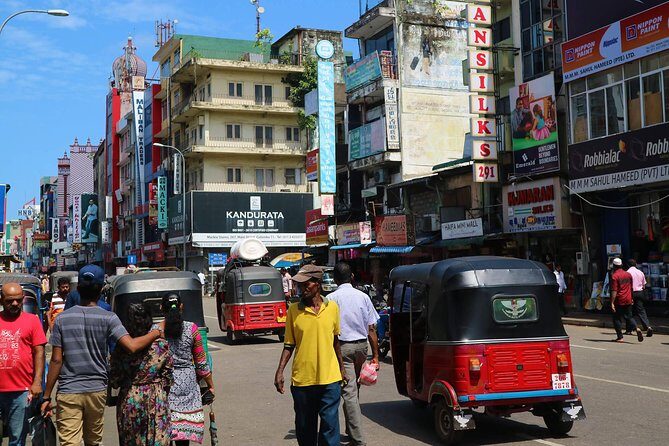
- Getting From Your Hotel to the Kitchen: Tuk Tuk Pickup That Keeps You on Time
- Sri Lankan Cuisine in Plain Terms: Rice, Coconut, Seafood, and Spices
- The Lesson Flow: Welcome, Kitchen Safety, and a Clear Cooking Plan
- Cooking 7 to 8 Dishes: How the Menu Teaches You Flavor Logic
- Spice level: the part you should manage before the first taste
- Learning Spice Secrets Without Feeling Like a Textbook
- Eating With Your Hosts: The Part That Makes It Feel Human
- English Guide and Real Instruction: When Communication Matters
- What to Wear and What to Avoid: Simple Clothes, No Drinking
- Accessibility Reality Check: The Conflicting Signals You Should Verify
- Who This Sri Lanka Cooking Class Suits Best
- Should You Book It: My Straight Answer
- FAQ
- Where is this cooking class located?
- How long is the experience?
- How much does it cost?
- What language is the guide?
- Is hotel pickup included?
- Is it wheelchair accessible?
Key things to know before you go
- You’ll cook a stack of dishes: some menus reach 7–8 items, so expect lots of active kitchen time.
- Spice education is part of the lesson, not just added at the end.
- English support is built in with a professional guide.
- Tuk tuk pickup is the vibe, including collection from your hotel or villa in the area.
- Host interaction is central: you eat with your hosts and hear about daily life.
- Communicate your spice tolerance early to avoid surprises.
Kotapola Kitchen Reality Check: What This Costs and Why It’s Fair
At $50 per person for about 3 hours, this is priced like a guided local experience, not a quick demo. You’re paying for access to the hosts’ kitchen skills, guided cooking time, and a structured lesson with an English-speaking guide. You also get hotel pickup and drop-off plus bottled water included, which usually saves you time and hassle on a day when you’ll be busy in the kitchen.
What’s listed as not included is meals and beverages. That said, the experience description includes dining with your hosts after cooking. My takeaway for budgeting: plan on eating what you make, but don’t assume any extra drinks or extras are covered. If you’re someone who wants a soft drink with lunch, you might want to budget for it separately.
Also note the provider says people can wear simple clothes to help them work well, and they ask you not to arrive drinking. That’s not just etiquette. It’s a safety and respect thing for cooking work with hot pans and sharp tools.
Other Sri Lankan cooking classes we've reviewed in Mirissa
Getting From Your Hotel to the Kitchen: Tuk Tuk Pickup That Keeps You on Time
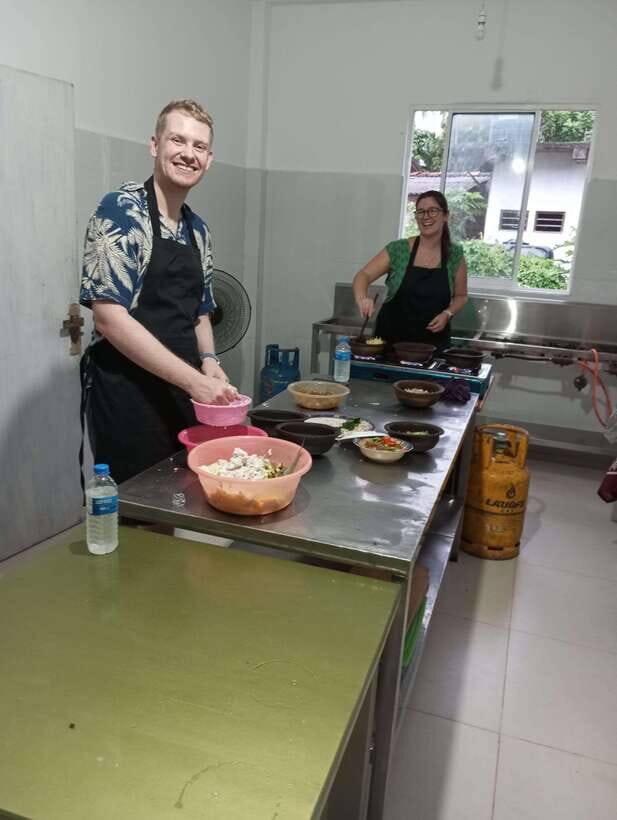
The class runs from a hotel/villa pickup in the Kotapola area. You’ll be collected by tuk tuk before 30 minutes (so you’re not waiting around forever in the wrong place). This matters because Sri Lankan day-to-day timing can move quickly, and kitchen lessons don’t pause for late arrivals.
You don’t need to bring a car or figure out local transport. The tour provider (Tourlankaholidays) handles pickup and drop-off, and you’ll travel to the cooking location with the guide in the same orbit as the activity. That’s part of why this option works well if you’d rather spend your energy learning food than planning logistics.
One practical note: this is cooking-focused, so wear shoes or sandals you can move around in comfortably. Even if you’re not doing heavy physical work, you’ll likely be standing, tasting, and leaning over ingredients.
Sri Lankan Cuisine in Plain Terms: Rice, Coconut, Seafood, and Spices
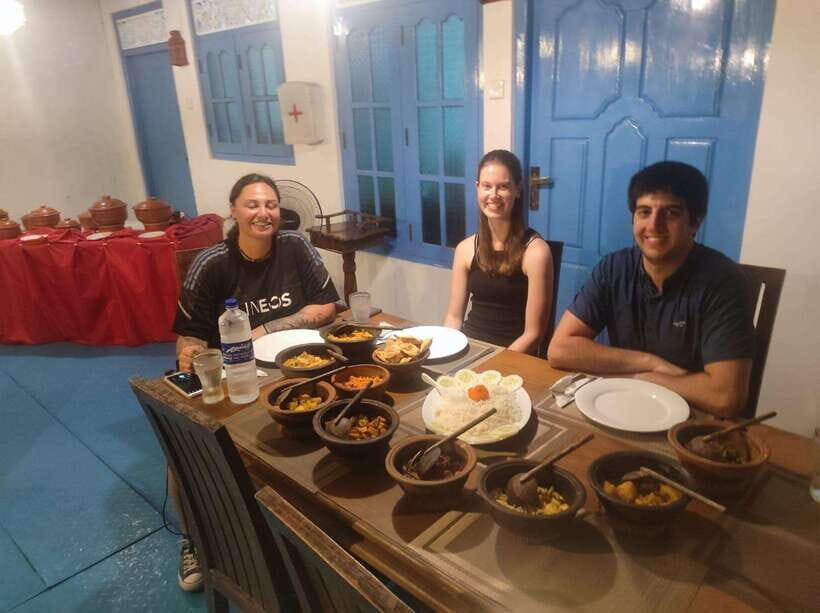
Sri Lankan food can sound complicated until someone explains the logic. This class does that. Sri Lanka cuisine is strongly centered on rice (with many varieties), and coconut shows up as a flavor engine throughout the country. Seafood also plays a major role, whether it’s fresh fish or preserved forms.
Then there’s the story layer. Sri Lanka sat along the historic oceanic Silk Road, which helped bring in food items and cultural influences from foreign traders. The local ethnic traditions stayed, but ingredients and techniques shifted over time. In a cooking class, that matters because you start to see why certain spice blends and cooking styles exist, rather than treating them like random magic dust.
This is where the class shines: the host and guide don’t just teach you to cook. They connect the spices to flavor purpose—heat, aroma, balance, and how those flavors build across a dish.
The Lesson Flow: Welcome, Kitchen Safety, and a Clear Cooking Plan
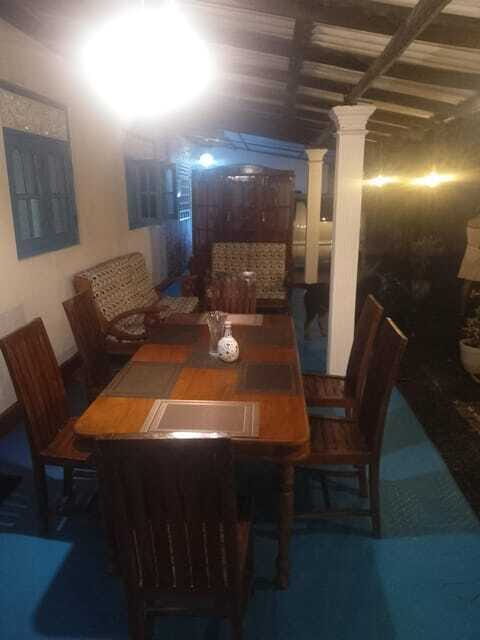
A typical cooking class can feel like chaos. This one is structured around active participation. You’ll likely start with a welcome and an explanation of the dishes you’ll cook, plus key techniques you’ll use along the way.
The provider gives a safety note before you cook: please don’t come drinking. That’s common sense in any kitchen, but it’s especially relevant when you’re handling spices, knives, and hot surfaces. They also mention simple clothing to help you work well, which tells me the class expects you to actually participate, not just watch from the back.
English instruction is live, not pre-recorded. That’s important in a spice-based lesson because small instruction differences change everything—when you add an ingredient, how long you toast spices, and how you build sauce thickness.
One more useful detail: at least one host asked participants about diet and preferences before the activity, then adjusted the kitchen accordingly. That means you should speak up in advance if you have dietary needs or strong preferences.
Cooking 7 to 8 Dishes: How the Menu Teaches You Flavor Logic
The reviews point to a busy menu. People reported cooking 7–8 different dishes, and one experience happened in about 1.5 hours. Even if your timing ends up slower (because everyone chops at their own pace), you can expect a lot of output for a 3-hour class.
What you’re learning is not just how to make food. You’re learning how Sri Lankan dishes are put together:
- Vegetables and meat both appear in the cooking (so you’ll likely work with a mix of prep styles).
- Spice isn’t treated like garnish; it’s part of the backbone flavor.
- Techniques are connected: sautéing aromatics, using spices in steps, and then letting flavors come together through cooking.
This kind of multi-dish class is great value because you’re not repeating the same recipe eight times. You get pattern recognition. For example, you might see how a spice blend changes when it’s used in a dry preparation versus a saucy one. That’s the difference between memorizing a recipe and actually understanding Sri Lankan cooking.





Spice level: the part you should manage before the first taste
Here’s the one detail I’d treat seriously: one participant specifically said they requested less spicy, but the food ended up extremely spicy for them and another person at the table. Their friend who handles spicy food managed, but the situation wasn’t ideal.
So do this: when you’re asked about your preferences, make your spice tolerance explicit. If you can’t handle heat, say so plainly. If you can handle some heat, mention what that means for you. That way the host can adjust as much as possible before you start cooking, rather than trying to fix it with water after the fact.
Learning Spice Secrets Without Feeling Like a Textbook
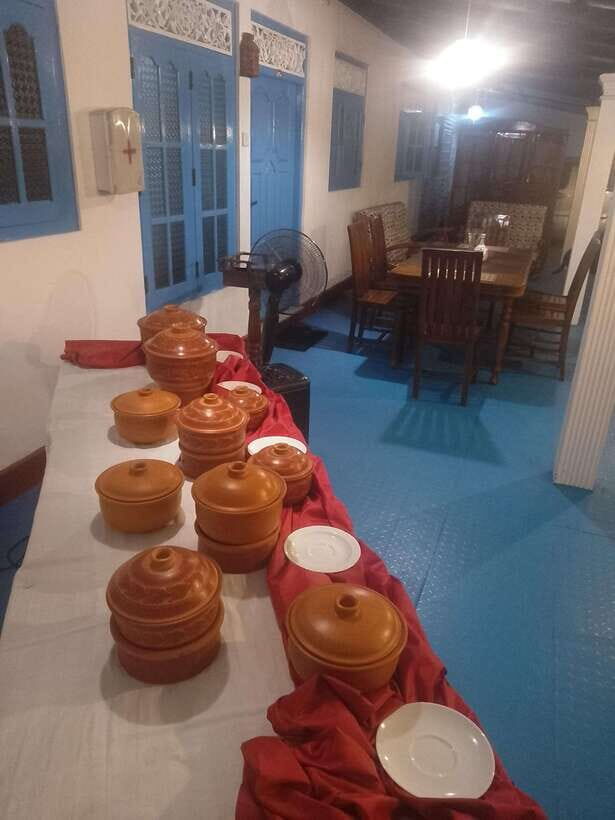
One of the best parts of a strong cooking class is how it teaches without turning into a lecture. The highlight here is the importance of spices—what they do and why they matter in Sri Lankan cuisine.
Spices in Sri Lanka aren’t just about being hot. They support aroma and depth. Some blends can taste complex even when the heat is mild, and others can be intense fast. When your instructor explains the purpose of the spices, you start tasting with a plan. You’re not only thinking, Is this spicy? You’re thinking, Where is the fragrance coming from? Is the dish balanced? Does it need more acidity or more depth?
And because you’re cooking several dishes, you get practice. You see how the same core spices can behave differently depending on how they’re handled.
Eating With Your Hosts: The Part That Makes It Feel Human
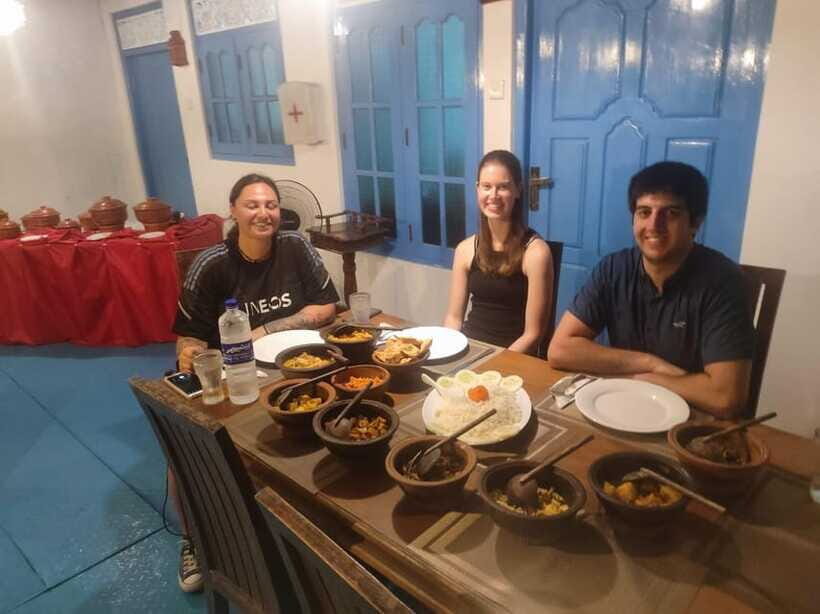
After you cook, you dine with your hosts. This is one of those experiences that can’t be replicated by a restaurant meal. You’re sitting in the same environment where the food was made, so the flavors come with context.
You also get to get to know your hosts and learn about their daily lives in Sri Lanka. That conversation piece shows up in the experience highlights, and it’s the kind of thing that turns a cooking lesson into a cultural exchange rather than a paid activity you forget the next day.
It also helps you appreciate why certain dishes are common. If someone explains how they shop, cook, and serve at home, you start understanding the food as a living thing, not a performance.
English Guide and Real Instruction: When Communication Matters
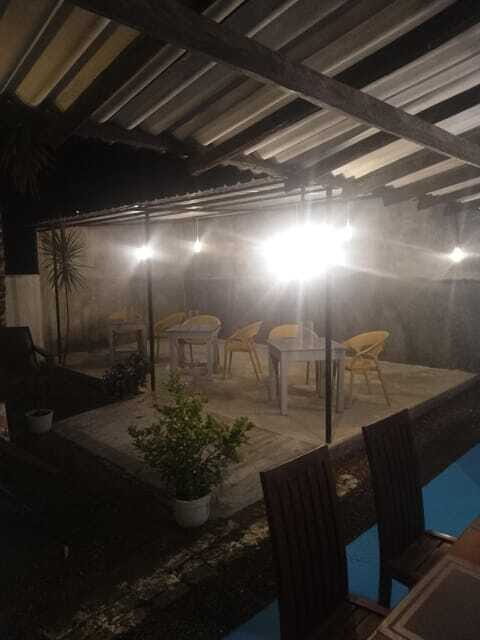
The class uses a professional English-speaking guide, so you’re not stuck playing culinary charades. Clear communication matters for two reasons:
1) cooking steps are precise, especially with spices
2) you need the chance to ask questions as you work
One review praised the host’s clarity and care—making sure participants were careful in the kitchen and giving straightforward instructions. That’s a big deal. When you feel safe and guided, you cook better, and you enjoy the mess (yes, cooking in a real kitchen is messy).
Language also helps if you have dietary preferences. At least one host asked participants about diet and preferences beforehand to prepare the kitchen accordingly. If you don’t speak up, you risk getting a menu that doesn’t match your needs.
What to Wear and What to Avoid: Simple Clothes, No Drinking
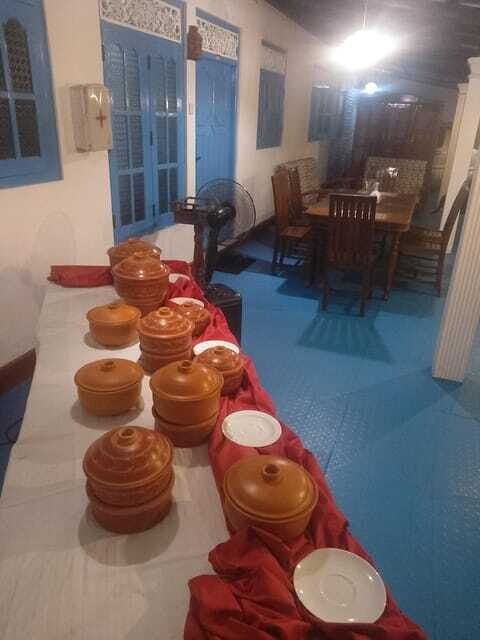
The provider gives two practical pre-cooking notes. Wear simple clothes that help you work well. That likely means something you don’t mind getting warm or possibly splashed. Comfortable footwear is also smart, because cooking lessons are standing and moving around.
And please don’t arrive drinking. It’s framed as a safety concern for the people running the offer, but the real reason is you’ll handle ingredients and equipment. Show up clear-headed and ready to learn.
If you’re the type who loves to taste spicy food, great. If you don’t, treat spice as a preference category, not a suggestion. Tell them before cooking begins.
Accessibility Reality Check: The Conflicting Signals You Should Verify
The activity info lists wheelchair accessibility, but it also states it’s not suitable for wheelchair users and people with mobility impairments. That’s not something to ignore.
If accessibility matters for you, confirm details directly with the provider before booking. Ask about step-free access, kitchen layout, and whether a wheelchair user can safely participate. Don’t rely on the word wheelchair accessible alone when the same activity description flags limitations.
Who This Sri Lanka Cooking Class Suits Best
This is a great fit if you:
- want a hands-on way to understand Sri Lankan flavors like rice, coconut, and spice blends
- enjoy learning from hosts, not just following a recipe
- like eating what you cooked while the experience is still fresh
- want an English-guided activity with practical instruction
It’s especially good for couples, friends, and solo travelers who enjoy conversation and don’t mind getting involved in prep and cooking.
If you’re hoping for a low-energy, sit-and-watch experience, this may feel too active. The class involves cooking vegetables and meat and includes hands-on work, so plan to participate.
And if you hate spicy food unless it’s extremely mild, go in prepared to communicate your spice preference clearly.
Should You Book It: My Straight Answer
Book this cooking class if you want real food skills and a kitchen-based understanding of Sri Lanka. At $50 for 3 hours with pickup, an English-speaking guide, bottled water, and access to the experience parts, the value is solid. You’ll leave with more than a full stomach; you’ll leave with flavor logic you can reuse later.
Skip or re-check details if spice sensitivity is a major issue for you. In that case, message your preference early and be explicit. Also double-check accessibility needs, because the information is internally inconsistent.
If you like learning by doing, and you enjoy talking with people while you cook, this is the kind of experience you’ll remember every time you smell toasted spices.
FAQ
Where is this cooking class located?
It takes place in Kotapola, Sri Lanka.
How long is the experience?
The duration is 3 hours.
How much does it cost?
The price is $50 per person.
What language is the guide?
The live tour guide is available in English.
Is hotel pickup included?
Yes. Hotel pickup and drop-off are included, and the pickup uses tuk tuk.
Is it wheelchair accessible?
The activity information includes wheelchair accessibility, but it also says it is not suitable for wheelchair users and people with mobility impairments. You should confirm accessibility details with the provider before booking.