REVIEW · MIRISSA
Whales & Dolphin Watching with The Pioneers
Book on GetYourGuide →Operated by Mirissa Water Sports (Pvt) Ltd · Bookable on GetYourGuide
Whales in the distance change your morning fast. This trip in Kotapola area is run by Mirissa Water Sports, a long-standing operator on Sri Lanka’s south coast, with an on-the-ground focus on blue whales and dolphin pods. I like that the day starts early and stays structured, and you’re not left guessing how it works.
Two things I’d call out right away: hotel transfers are included, and you get a full fresh breakfast plus onboard water and fruit. The main drawback to keep in mind is that the sea is the boss—there’s a 90% sightings aim, but you can still hit rough weather or an unlucky day where you don’t see whales.
In This Review
- Key points before you go
- Why Mirissa Sea Trips Start So Early
- Blue Whales and Spinner Dolphins: What MWS Tracks
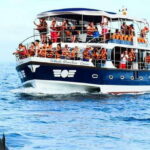
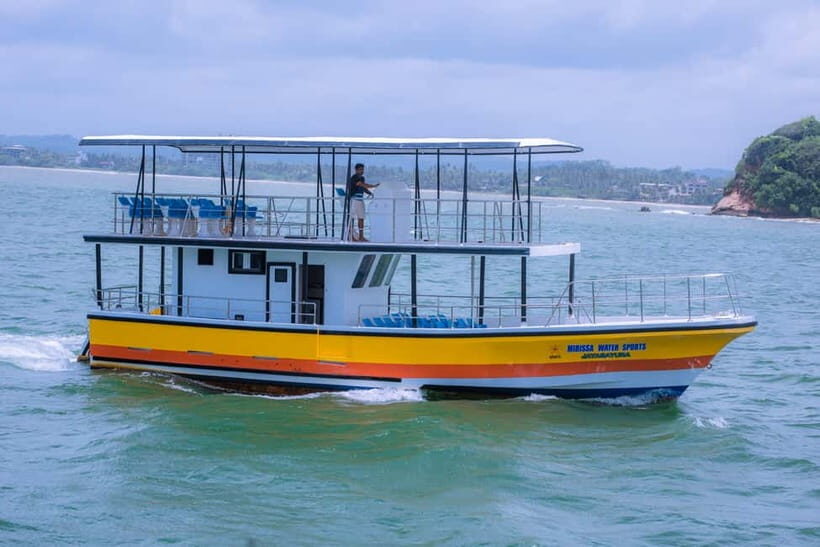
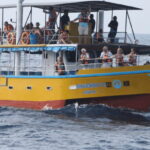
- The Boat Ride Setup: Breakfast, Water, Fruit, and Washrooms
- On the Water: What a 4–5 Hour Search Really Means
- Price Check: Is $75 Good Value for a Morning at Sea?
- Mirissa Logistics Made Simple: Transfers, English Guide, and Wildlife Ticket
- Who This Tour Fits Best (and Who Should Skip It)
- Real-World Cautions: Weather and Expectation Management
- Should You Book Whales & Dolphin Watching with The Pioneers?
- FAQ
- What time do I need to arrive for the morning tour?
- What is included for breakfast and onboard drinks?
- Is lunch served during the trip?
- How likely are sightings?
- If there are no sightings, will I get my money back?
- Do they provide sea sickness help?
- Are hotel transfers and washrooms included?
Key points before you go
- First-quarter blue whale pattern: blue whales are most frequently seen during the first quarter off the south and west coast.
- Predicting arrivals from logs: Mirissa Water Sports keeps accurate sighting logs to help plan future trips.
- Expert ID support: the team works closely with marine mammal expert Anouk Ilangakoon to identify whales and understand migration habits.
- 90% sightings aim: you’re given a strong probability of success, but it’s not 100%.
- Breakfast + washrooms on board: fresh breakfast, mineral water, fruit, and washroom access (both at the office and on the boats).
- Ocean reality check: dolphins and whales often show up 3–6 miles off Mirissa, meaning it can be a moving ride.
Why Mirissa Sea Trips Start So Early
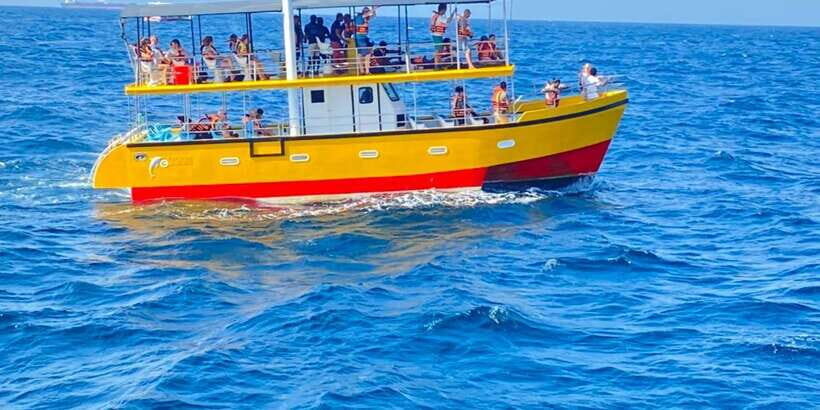
The key to this kind of wildlife watching is timing, and this tour leans hard into it. You’re asked to arrive at Mirissa Water Sports by 6:00 am, and the boats depart at 6:30 am. That early start matters because marine mammals don’t show up politely on your schedule—they move, feed, and surface in patterns, and the south coast can offer better chances earlier in the day.
Also, the tour’s “5.5 hours” timing is a promise, not a guarantee of one fixed ocean distance. The typical trip runs about 4 to 5 hours, but the actual time on the water can stretch or shrink depending on where animals are sighted. Translation: you’re paying for flexibility in the search, not just for a set route.
There’s a small but meaningful plus in the planning style: your experience is built around a morning run that includes breakfast and practical onboard comfort. If you’ve ever been on a boat that starts hungry and stays hungry, you’ll understand why this is worth noting.
Other whale watching tours in Mirissa
Blue Whales and Spinner Dolphins: What MWS Tracks
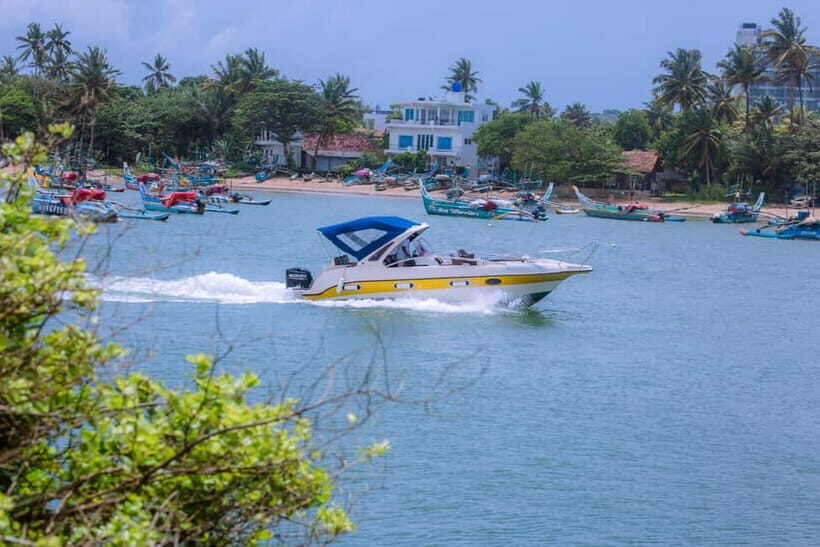
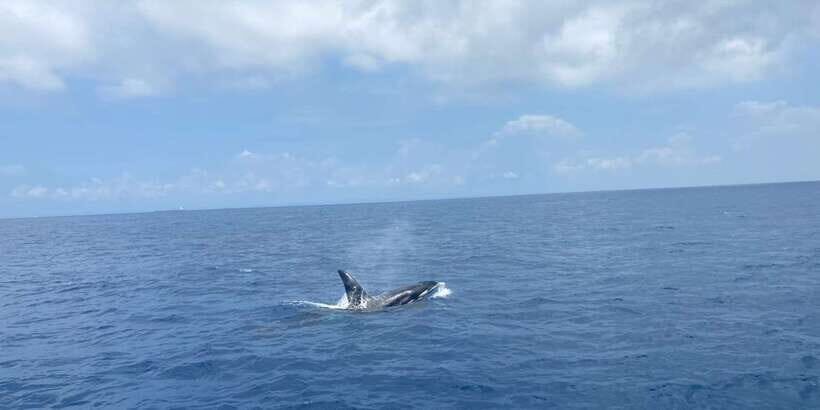
This isn’t just a generic “look for something big” outing. Mirissa Water Sports says their whales-and-dolphins operation has had over three consecutive seasons with sightings, and that matters because consistency usually beats one-off luck. Most sightings are expected around 3 to 6 miles off Mirissa, which is far enough to find open-water behavior, but not so far that you feel like you’re vanishing into the horizon.
Here’s what you can realistically aim at:
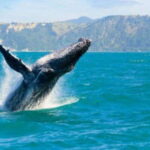
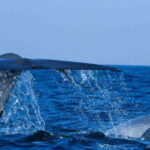
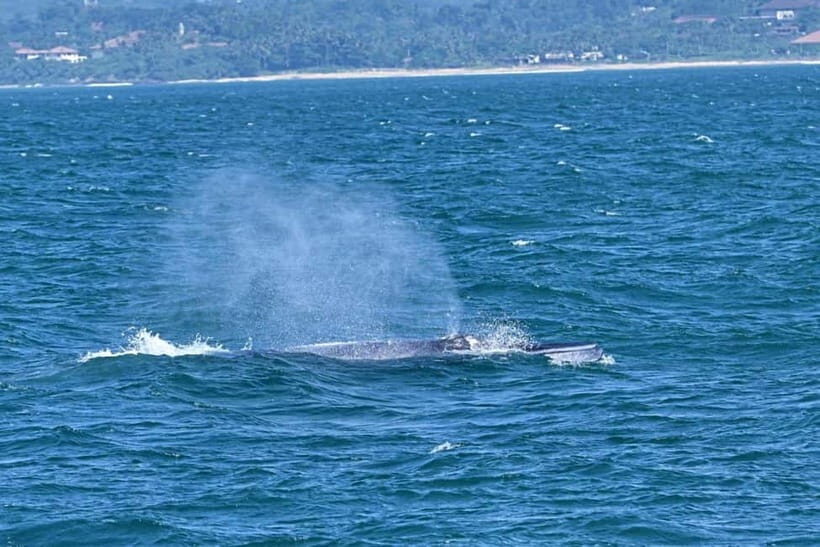
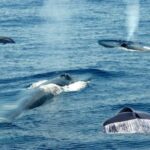
- Blue whales: they’re most frequently seen during the first quarter of the year off the south and west coast. The team frames it as part of a migration route pattern.
- Sperm and blue whale hot-spot status: the operator notes year-round sightings and that Mirissa/Sri Lanka is on the world list of hot spots for sperm and blue whales.
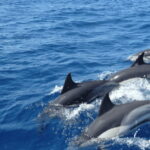
- Dolphins: January and April are called out as good times, often with spinner dolphin pods.
A smart part of the experience is that they don’t treat whale watching as guesswork. They work with marine mammal expert Anouk Ilangakoon, who helps with identifying types of whales and how they migrate. That’s not a detail you’ll feel in your hands—until you spot a whale and the crew can help you understand what you’re looking at instead of just calling everything “whale, big, wow.”
If you’re the kind of visitor who likes to know names and patterns, this adds value. And if you don’t care about species, you’ll still appreciate the crew’s confidence when they’re directing attention and reading the water.
The Boat Ride Setup: Breakfast, Water, Fruit, and Washrooms
Boat trips live or die on comfort, especially when you start before sunrise. This one tries to solve the common problems:
First, you get a full fresh breakfast before you head out. On paper that might sound like a nice extra. In practice, it’s huge. You’re often moving, sometimes in chop, and early mornings can leave you queasy even without ocean motion. A proper breakfast also helps you feel human if the search takes longer than expected.
Second, you’re not left rationing hydration. You get unlimited mineral water, plus a fruit bowl and other onboard refreshments. That means you can focus on scanning the horizon instead of hunting for a drink.
Then there’s the issue many tours handle poorly: washrooms. This tour specifically highlights decent washrooms on the board, and also says both the office and the boats have free washroom facilities. That’s one of those comfort points you don’t “notice” when everything’s fine, but you’ll be grateful when nature calls at the wrong moment.
Two small rules you should know before you step aboard:
- Everyone must wear safety jackets.
- Passengers must wear a face mask throughout the journey.
If you’re sensitive to masks or the trip is long for you, plan mentally for that.
On the Water: What a 4–5 Hour Search Really Means
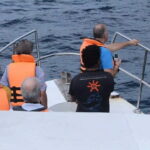
Most whale watching tours sound similar until you understand how the “search” portion works. Here, most sightings are expected 3 to 6 miles off Mirissa, and the tour runs an average of 4 to 5 hours on the water. That means you’re likely to spend a chunk of time scanning, slowing down, and adjusting your angle as the crew checks for surfacing patterns.
The operator says 90% sightings are guaranteed. I’d read that as a strong aim and a serious track record—not as absolute certainty. In your decision-making, treat it as: success is very likely, but you’re still buying an experience tied to nature.
This part matters: there’s no refund if there are no sightings. The trade-off is that they will arrange a free rescheduled trip depending on seat availability, under conditions. So instead of walking away with money back, you’re offered a do-over—if there’s space.
Another thing I like about how they set expectations is the acknowledgement of motion. They advise you to take sea sickness tablets if you’re prone to it, and they also list sea sickness medicines as part of what they provide. If you’ve reacted to boats before, don’t wait until you feel sick. Take your precautions early.
Also, no lunch is served, so plan on breakfast and snacks/refreshments onboard. If you’re someone who needs more food to stay steady in the morning, you’ll want to eat well beforehand and bring what’s appropriate for you (the tour data only asks parents with infants to bring necessary foods; it doesn’t say adults can bring a full meal).
Price Check: Is $75 Good Value for a Morning at Sea?
At $75 per person, this trip isn’t a bargain-basement option. But it also isn’t just a ticket to sit on a boat for a few hours.
Your money is going toward:
- Hotel transfers (included)
- A wildlife entrance ticket
- A fresh breakfast
- Unlimited mineral water plus a fruit bowl and other refreshments
- Sea sickness medicines
- Washroom access (office and boat)
When you total those pieces, the price starts to look more sensible. Boat trips often charge for transportation and snacks separately, and then you end up paying extra for comfort. Here, the tour bundles the basics that keep the experience smooth—especially early morning food and washroom access.
One more value point: the operator frames this as an established operation, described as the first and longest established whale-watching operator on Sri Lanka’s south coast. That long presence usually means better routines: faster coordination, repeatable searching, and more reliable crew action when conditions change.
So the value question comes down to you. If you want species education, good organization, and real comfort, this is a solid choice. If you’re only chasing whales and dolphins with a go-home-now attitude, you might find yourself disappointed on a no-sighting day even with a rescheduled option.
Other dolphin watching tours in Mirissa
Mirissa Logistics Made Simple: Transfers, English Guide, and Wildlife Ticket
If you’re staying around Mirissa, the main logistical win here is that hotel transfers are included. That cuts out the “how do I get there by 6 am” scramble, which is exactly when your energy is lowest.
The tour is also set up with an English live tour guide, which helps if you want to understand what the crew is pointing out. Even if you don’t know whale vocabulary, being able to follow instructions and descriptions matters when you’re on a moving vessel.
You also get a wildlife entrance ticket included. It sounds small, but it avoids the common last-minute frictions of paying extra at check-in.
And because the tour asks you to bring things like a passport (copy accepted) and basic personal items, it feels like a fully managed operation rather than a casual pickup.
Who This Tour Fits Best (and Who Should Skip It)
This is a morning boat activity, which means it’s not ideal for everyone.
The tour data says it’s not suitable for children under 3 and people over 70. If you’re in those groups, you should look for other options on land or shorter formats.
There are also medical considerations:
- Pregnant mothers and parents with children under 3 are asked to obtain doctor advice and approvals.
- Parents with infants should bring necessary foods.
If you’re older, or you have mobility limits, your main worry won’t be the “walking.” It’ll be the motion, early start, and the need to remain onboard with safety procedures.
That said, if you’re comfortable with boat rides and you want a structured wildlife outing rather than a casual pier watch, this trip is likely a good match. The inclusion of sea sickness medicines and breakfast makes it friendlier than many similar tours that treat comfort as optional.
Real-World Cautions: Weather and Expectation Management
Even with a strong 90% sightings aim, weather is always in charge. One reported issue connected to this kind of outing is simple and painful: someone arrived at the harbor early because the trip didn’t run due to weather, and they said they weren’t properly informed ahead of time. That’s not something you should assume will happen—but it’s a reminder to take responsibility for your end of the process.
Here’s what you should do:
- If conditions look questionable the evening before, confirm the plan directly.
- If you’re the type who hates surprises, build in flexibility (don’t schedule another tight morning immediately after).
There’s another kind of caution to keep in mind: expectation level. One visitor felt the experience was a little over hyped. That doesn’t necessarily mean the whales weren’t there—it can also mean people expected a specific outcome, closer looks, or a different pace than what nature and distance allow. Your best approach is to treat this as a high-probability search, not a guaranteed whale encounter.
Should You Book Whales & Dolphin Watching with The Pioneers?
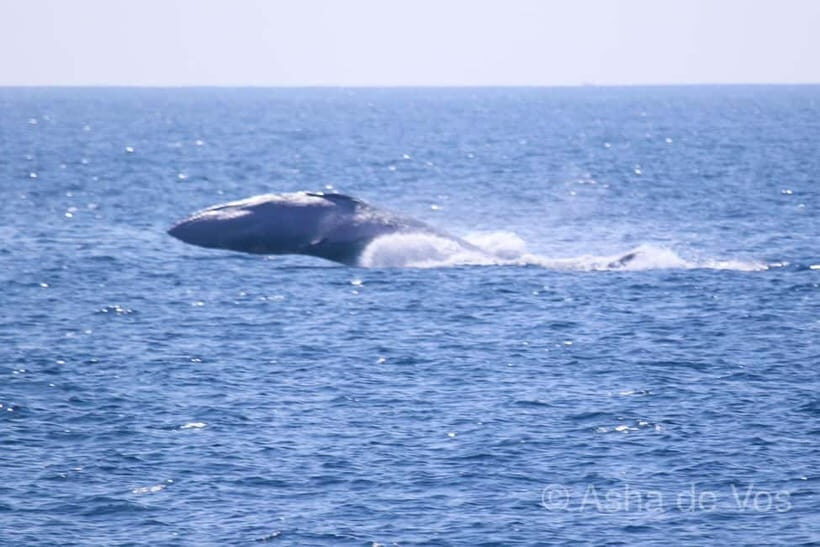
I’d book this if you fit three conditions: you can handle an early morning, you’re comfortable with being out on the water for several hours, and you want an organized operator with real search routines.
It’s especially worth your money if you value the practical stuff: transfers, breakfast, onboard drinks/fruit, sea sickness support, and washrooms. Those are the items that make a long morning feel manageable.
Skip it if you fall into the stated non-suitable groups (under 3 or over 70), or if you’re expecting a guaranteed whale sighting like a show. This is wildlife watching. Even with smart tracking and expert help from Anouk Ilangakoon, the ocean still decides what happens that morning.
If you go with a flexible mindset and you confirm if weather is turning, you’ll be in the best position to enjoy what Mirissa’s sea can deliver.
FAQ
What time do I need to arrive for the morning tour?
You’re asked to arrive at Mirissa Water Sports by 6:00 am, and the vessel departs at 6:30 am.
What is included for breakfast and onboard drinks?
The tour includes fresh breakfast, plus unlimited mineral water and a fruit bowl with other refreshments onboard.
Is lunch served during the trip?
No. No lunch will be served on this tour.
How likely are sightings?
The operator states 90% sightings are guaranteed.
If there are no sightings, will I get my money back?
There is no refund if there are no sightings, but the operator will arrange a free rescheduled trip depending on seat availability (conditions apply).
Do they provide sea sickness help?
They advise you to take sea sickness tablets if you get motion sickness, and sea sickness medicines are included.
Are hotel transfers and washrooms included?
Yes. Hotel transfers are included, and there are washroom facilities available at both the office and on the boats.