REVIEW · MIRISSA
Mirissa: Whale Watching Tour
Book on GetYourGuide →Operated by Lakpura® · Bookable on GetYourGuide
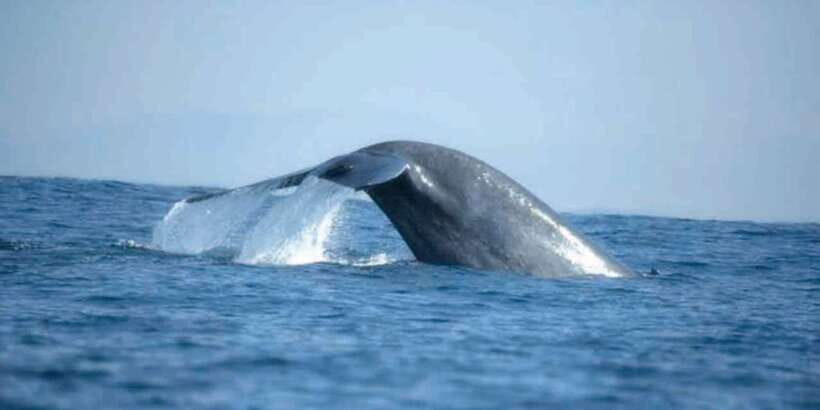
Blue whales are a big deal.
This Mirissa whale-watching tour takes you out from Mirissa Fisheries Harbor in the morning, with a naturalist onboard to help you spot what’s swimming past. I like that you’re not just rushing for photos—you’re learning how to identify whales and what to look for when they surface. I also like the built-in care for viewing: the boat slows down and keeps a safe distance so you can watch without crowding the animals.
One drawback to keep in mind: sightings aren’t guaranteed, and one past booking reported not seeing whales after an early wake-up. On other outings, the crew and boat behavior sound like a strong point, but it’s still worth mentally preparing for a morning at sea where you’ll mostly be waiting for the right moment.
In This Review
- Key Highlights You’ll Feel Right Away
- Mirissa Morning: From Fisheries Harbor to Open Water
- The 2-Hour Boat Ride: Comfort, Coffee, and Staying Ready
- Where You’ll Watch: Blue, Sperm, and Fin Whales in Motion
- Your Naturalist Guide: How to Spot Whales Like a Pro
- Responsible Whale Watching in the Real World
- It Feels Like a Short Trip, But It’s Still a Commitment
- Price and Value: Is $80 Worth It?
- What to Expect From the Day’s Flow (No Guesswork Needed)
- Who This Tour Suits Best (And Who Should Skip It)
- Before You Go: Packing List That Actually Matters
- Should You Book Mirissa Whale Watching From Fisheries Harbor?
- FAQ
- How long is the whale watching tour?
- Where do I meet for the tour?
- What whales might I see on this tour?
- What’s included in the price?
- Is hotel pick up or drop off included?
- What should I bring, and what isn’t allowed?
Key Highlights You’ll Feel Right Away
- English-speaking naturalist guide who helps you read whale behavior, not just count species
- Responsible viewing distances stated as at least 300 feet away, with a closest approach of 100 feet
- You get actual time on the water with whales, with about 1 hour at the site
- Breakfast and drinks included: packed breakfast plus fruit, or tea/coffee, plus 1 liter of bottled water
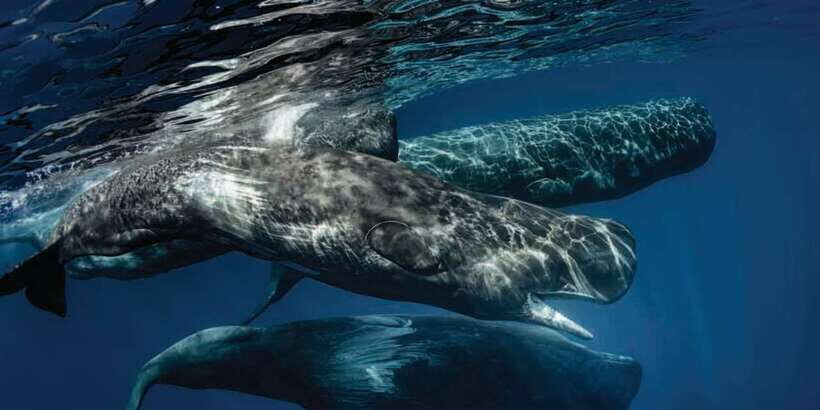
- Big wildlife variety: blue whales, sperm whales, fin whales, plus occasional orcas and many dolphins
Mirissa Morning: From Fisheries Harbor to Open Water
You’ll start at Mirissa Fisheries Harbor (Kotapola area) and head out early. The tour is built around a simple rhythm: get on the boat, search the sea, then spend time with whatever shows up. The whole experience runs about 5 hours, so it’s short enough to fit into a trip schedule, but long enough that you’ll feel the morning as a real commitment.
There’s no hotel pick-up here. Instead, you’ll be picked up at the harbor by a chauffeur. That’s good for people staying near Mirissa, and a heads-up for anyone who’s farther out—plan your transport so you don’t end up sprinting down the pier with wet hair and regret.
One more practical note: the tour isn’t listed as suitable for wheelchair users and pregnant women. That matters because whale-watching boats require shifting on uneven surfaces and getting into/out of small spaces, even when the crew is kind.
Other Mirissa tours we've reviewed in Mirissa

The 2-Hour Boat Ride: Comfort, Coffee, and Staying Ready
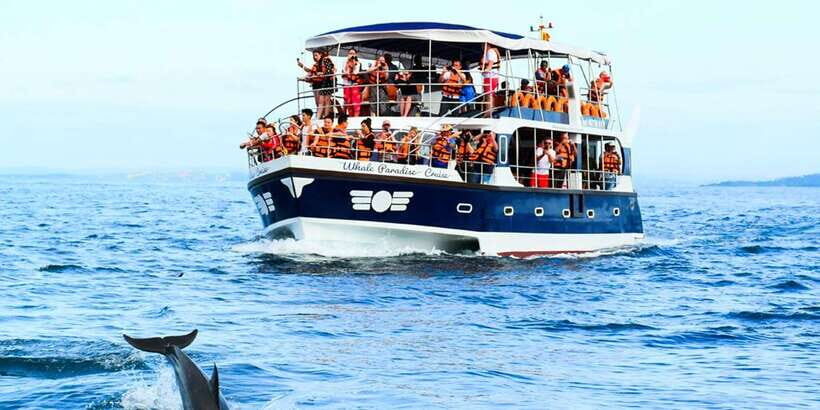
Before you ever see a whale, you’ll be on the water. The tour includes a 2-hour boat ride heading out, and it’s long enough that the included food and drinks aren’t a small perk. You’ll get a packed breakfast plus fruit and you’ll also have the option of tea or coffee. One review specifically praised the direct coffee/tea and said the breakfast was good, which matches the idea that early mornings need real fuel, not just vibes.
Bring the items the tour asks for—this is not the time to gamble with sun.
- Comfortable shoes (because you’ll be walking around the boat area)
- Sunglasses and a sun hat
- Sunscreen
- Passport or ID
Also, double-check what you’re bringing: pets aren’t allowed, and you shouldn’t plan on hauling luggage or big bags. Think simple: what you can carry easily during a boat day.
Where You’ll Watch: Blue, Sperm, and Fin Whales in Motion
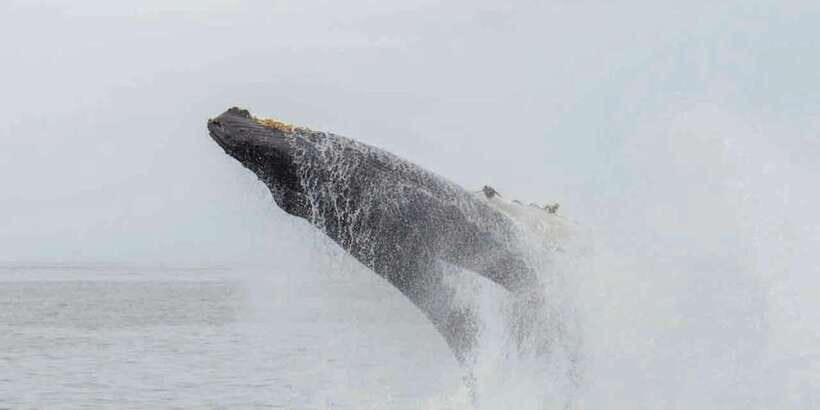
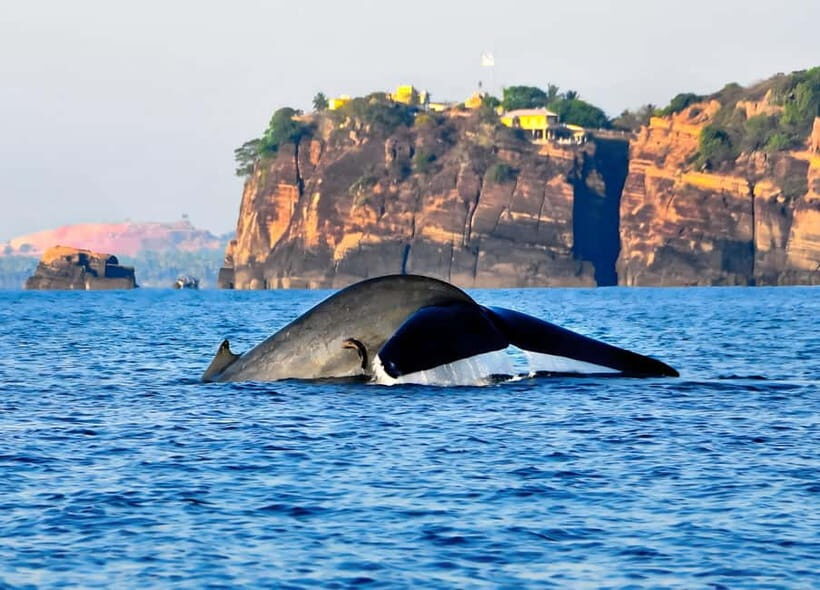
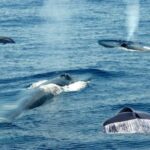
The point of the trip is clear: you’re aiming to see the world’s biggest mammals in their natural habitat. During your time offshore, the tour says you may encounter blue whales, sperm whales, and fin whales. You can also see occasional orcas and many types of dolphins, depending on what the sea gives you that day.
The boat slows down as you approach the whales, and the plan is built around distance and patience:
- You should watch from at least 300 feet away
- Your closest approach is stated as 100 feet
- You’ll spend about 1 hour at the site
That “1 hour at the site” piece is important. It means this isn’t the quick drive-by style where everyone stares for 60 seconds and leaves. One hour is long enough to notice patterns—how whales surface, how they move relative to the boat, and how quickly the scene can change.
Now, a realistic note: one past booking said they didn’t see whales at all, despite an early wake-up. That’s the hard truth with wildlife tours. If you’re choosing this because you really want to see whales no matter what, you should be emotionally ready for the possibility of a disappointing day, because you’re still out on the water for a long stretch.
Your Naturalist Guide: How to Spot Whales Like a Pro
This tour’s secret weapon is the onboard naturalist guide (English-speaking). The guide isn’t just there to be friendly—they help you watch in a more informed way, which makes the experience feel bigger and more personal.
Here’s what you can expect to learn:
- How to identify the whales you’re seeing
- How to tell when whales are coming up for air
- What whale behavior can look like as they surface and move
This is the difference between watching whales as random shapes in the distance versus recognizing them as animals with patterns. You’ll spend your whale-watching time watching what the guide teaches you to notice, so even if the viewing is brief, you’ll still leave with a clearer understanding of what you saw.
One extra quality point: a review praised the guide, but also asked for a public address system so everyone—especially people in the back and downstairs—could hear. If you’re the type who likes clear narration, consider positioning yourself where you can actually hear. Boats can have awkward acoustics.
Responsible Whale Watching in the Real World
The tour states that you’ll view whales responsibly from a safe distance, and that the boat slows down for viewing. It also states that the closest approach should be 100 feet, with viewing at 300 feet or more.
But responsible viewing isn’t only about what one boat does. One review described a situation that felt too aggressive: when a whale was spotted, multiple boats crowded around, and there were moments when distances seemed too close, with up to 12 boats reported. Another review said their own boat maintained safety distance more consistently.
So what should you do with that information? Simple:
- Pay attention to whether the boat is actually slowing down and holding distance, rather than rushing to the front.
- Follow the crew instructions. If the guide says to hold position or stay calm, doing so helps keep the viewing orderly.
- If you care deeply about wildlife ethics, accept that boat crowds can happen in popular whale areas.
The upside is that the tour includes a naturalist guide and explicitly talks safe distances. That’s a strong baseline. The reminder from reviews is just that the ocean is shared space, and not every boat day behaves perfectly.
Other whale watching tours we've reviewed in Mirissa
It Feels Like a Short Trip, But It’s Still a Commitment
On paper, it’s 5 hours. In practice, one past booking said the tour lasted almost 5 hours in the boat after an early start around 5 am. That doesn’t mean this is always the case, but it’s a useful expectation: you’ll likely spend most of the morning on the water, with a chunk of that time being travel and waiting.
What you’re trading for that time is the chance to see large whales without going on an all-day expedition. If you like morning adventures and you can handle being on a boat for a few hours, this works well.
What you’re not getting is food beyond the packed breakfast. The tour notes there’s no lunch or dinner included, so plan your next meal afterward. If you’re prone to getting hungry early, you’ll probably want to eat well the night before, then trust the included breakfast to carry you until you’re back.
Price and Value: Is $80 Worth It?
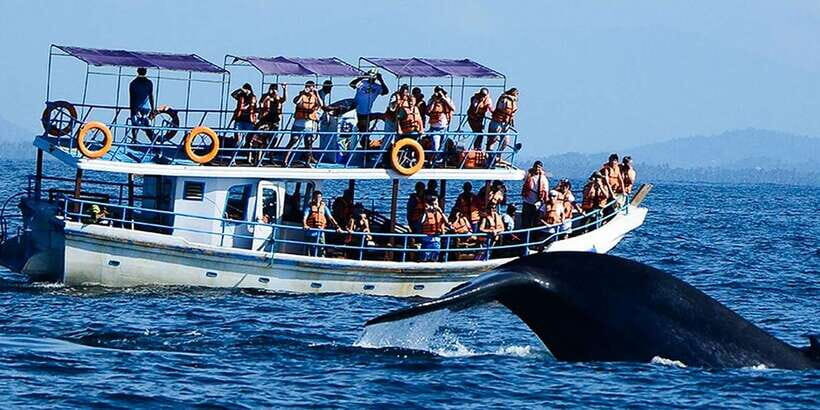
The price is listed as $80 per person for about a 5-hour whale-watching experience. That’s not cheap, but you’re also paying for real-world access: boat time out at sea, a guide onboard, and wildlife-focused logistics.
Here’s what your money covers:
- English-speaking naturalist guide
- Whale-watching safari out from the harbor
- Packed breakfast plus fruit, and tea or coffee option
- 1 liter of bottled mineral water
- All taxes and service charges
What’s not included:
- Additional food and drinks beyond what’s specified
- Hotel pick-up and drop-off
So, how do you judge value? I’d ask two questions:
1) Do you want a guided learning experience, or would you rather do a cheaper, less guided boat ride?
2) Are you comfortable with the fact that whale sightings can vary, and you could spend a long morning watching the sea without getting whales close enough to feel wowed?
If your answer is yes to both, $80 can make sense—especially because you’re not only chasing animals, you’re learning how to interpret what you’re seeing.
What to Expect From the Day’s Flow (No Guesswork Needed)
Here’s the practical flow you should expect, based on how the tour is structured.
First, you meet at Mirissa Fisheries Harbor and connect with the chauffeur pick-up arrangement. Then you head out on the boat and spend about 2 hours traveling. Once you’re in the right area, you work your way into the whale-watching moment, where the boat slows down and you’ll watch from a safe distance. You’ll then spend around 1 hour at the site with the whales, as your naturalist guide helps you identify and track what’s happening. Finally, you return to the harbor to end the tour back where you started.
The big “feel” point: the whale encounter portion is the payoff, but the waiting and travel are still a meaningful chunk of your time. Plan to treat this as a morning activity, not a quick stop.
Who This Tour Suits Best (And Who Should Skip It)
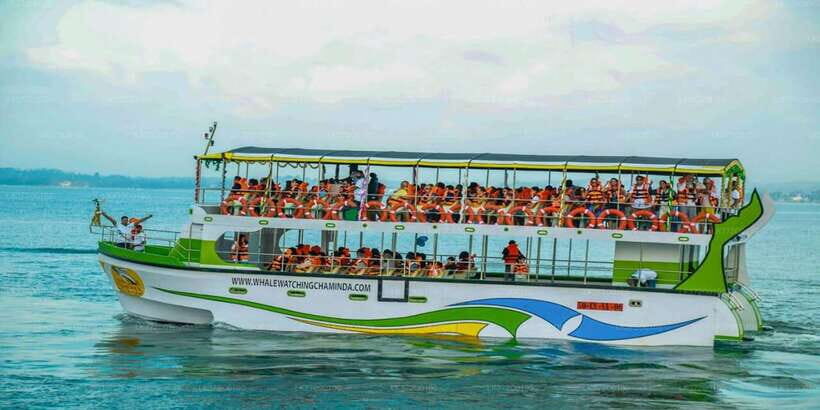
This is best for you if:
- You want wildlife viewing with an English naturalist guide rather than a minimal narration experience
- You enjoy structured tours where someone helps you identify whales and spot behavior
- You’re okay with an early morning and spending most of the time on a boat
This is a weaker fit if:
- You hate boat time and prefer land-based sights
- You need hotel pick-up and door-to-door convenience
- You’re traveling with constraints related to accessibility or pregnancy (the tour specifically says it’s not suitable)
Before You Go: Packing List That Actually Matters
Don’t overthink it, but do pack what’s required and what keeps you comfortable.
Bring:
- Passport or ID card
- Comfortable shoes
- Sunglasses
- Sun hat
- Sunscreen
Don’t bring:
- Pets
- Luggage or large bags
Also note the tour includes breakfast and water, so you’re mainly responsible for what you’ll eat after.
If you want flexibility, the tour offers free cancellation up to 24 hours in advance and also has a reserve-now-pay-later option. That’s useful for a whale trip because conditions can affect plans.
Should You Book Mirissa Whale Watching From Fisheries Harbor?
I’d book this if you want guided whale spotting with a clear focus on responsible distance, plus a morning that’s built around learning—not just staring. The inclusion of breakfast, tea/coffee, and water makes it feel more like a real experience than a bare-bones outing, and the guide element is the thing that can turn a “maybe we’ll see something” morning into a more satisfying story.
I’d hesitate if seeing whales is your only goal and you’d be very upset by the possibility of not seeing them. One review reported no whales at all, and that’s the main risk you should weigh. Also, if you’re strongly sensitive to wildlife crowding, be aware that not every day may feel perfectly controlled across boats in the area.
If you book, go with the right mindset: you’re paying for a structured try at a wild moment. When it works, it’s unforgettable. When it doesn’t, at least you’ll have learned what to look for the next time you’re out on the water.
FAQ
How long is the whale watching tour?
The tour lasts 5 hours.
Where do I meet for the tour?
You meet at Mirissa Fisheries Harbor.
What whales might I see on this tour?
You may see blue whales, sperm whales, and fin whales. Occasional orcas and many types of dolphins are also possible.
What’s included in the price?
An English-speaking naturalist guide, packed breakfast with fruit and/or tea or coffee, 1 liter of bottled mineral water, the whale watching safari, and all taxes and service charges are included.
Is hotel pick up or drop off included?
No. Hotel pick up and drop off are not included.
What should I bring, and what isn’t allowed?
Bring a passport or ID card, comfortable shoes, sunglasses, a sun hat, and sunscreen. Pets are not allowed, and luggage or large bags are not allowed.