REVIEW · DAMBULLA
All-Inclusive Dambulla Village Tour with Traditional Lunch
Book on GetYourGuide →Operated by Aktivitar · Bookable on GetYourGuide
That bullock cart pace is addictive. This Dambulla Village Odyssey mixes village walking through paddy fields with slow, rural rides and ends with a Sri Lankan lunch you actually build your day around. I like how the focus stays practical and local, but one possible drawback is that the working-ox moment may feel a bit sad if you’re sensitive to animals, and the water time can feel short.
I also appreciate the rhythm of the day: tuk tuk transfers, a guided village route, then a cooking session in a rural home with food tasting and local snacks. Expect warm hospitality and clear English guidance, plus plenty of outside time where heat and sun matter.
In This Review
- Key highlights I’d plan my day around
- Dambulla door-to-door: tuk tuk transfers and where you’ll start
- Paddy field walk with a guided route: what you’ll actually see
- Bullock cart ride: the slow way to travel the village
- Catamaran on the lake: calm water time plus bird-spotting odds
- Chena cultivation explained: turning scenery into context
- Cooking demo in a rural home: hands-on, not just watch-and-leave
- The traditional lunch: why it feels worth more than a meal stop
- Time, comfort, and who this tour fits best
- Price and value: is $30 a smart buy?
- Should you book this Dambulla Village Odyssey?
- FAQ
- How long is the Dambulla village tour?
- What does the tour cost?
- Where can pickup happen?
- How do you travel during the tour?
- Is the tour guide available in English?
- Is this tour private or group-based?
- What’s included in the price?
- What about cancellation or bad weather?
Key highlights I’d plan my day around
- Bullock cart ride through real village paths at a slow, photo-friendly pace
- Catamaran lake ride with a calm stretch of water time and chances to spot birds
- Chena cultivation lesson explained as part of everyday farming life
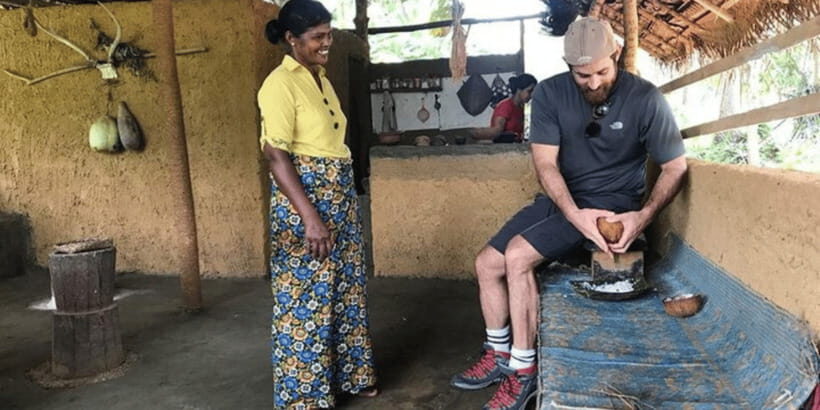
- Hands-on cooking demonstration in a local home, followed by tasting
- Authentic traditional lunch with local ingredients and familiar Sri Lankan flavors
- Private-group setup with an English live guide and door-to-door tuk tuk pickup
Dambulla door-to-door: tuk tuk transfers and where you’ll start
The tour is built around an easy pickup from four common bases: Kandalama, Dambulla, Sigiriya, or Habarana. That matters because it saves you from figuring out local transport on your own, especially if you’re staying in the Cultural Triangle where distances can add up.
You’ll ride in a tuk tuk for both the morning and afternoon legs. In real terms, that means the 4 hours door-to-door is a mix of driving and activities, not just “time on the ground.” If you tend to hate rushing, I’d still consider it manageable, since the walking and rides are paced by the group size and guide, not a strict sprint.
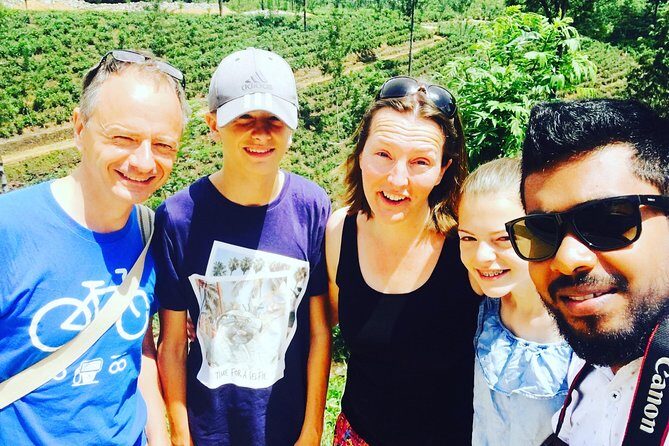
This is also a private group, so your schedule can feel more human than the big-bus style tours. The guide keeps the day flowing with a safety briefing before the walking portion, which is useful on uneven ground and around farming areas.
Practical tip: wear shoes you trust. You’re walking and stepping around village paths, and “tour sandals” don’t always make the cut.
Other Dambulla Cave Temple tours we've reviewed in Dambulla

Paddy field walk with a guided route: what you’ll actually see
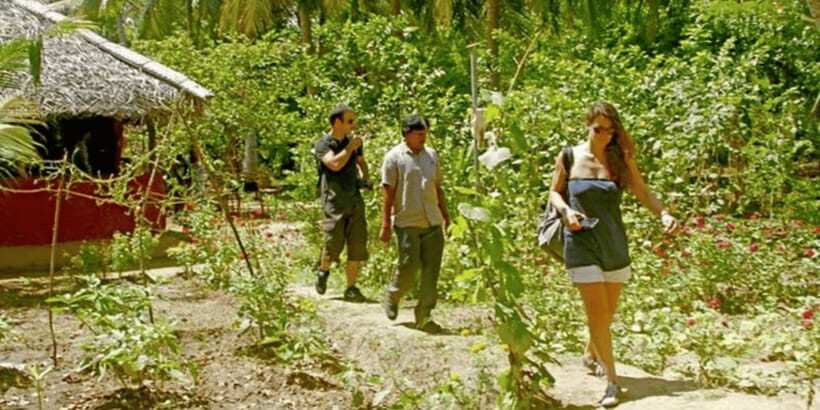
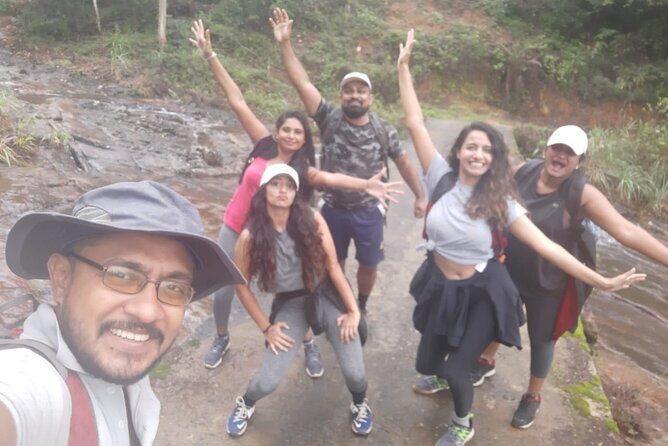
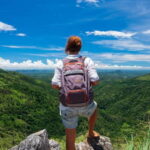
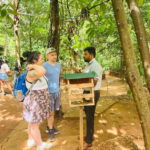
One of the strongest parts is the guided village walk through scenic green paddy fields. This isn’t a quick “look and move on” stop. You get time to slow down, notice what people are growing, and connect the scenery to daily work.
On this kind of rural route, the guide’s role matters. You’re not just collecting photos; you’re getting context while you walk. The day is set up so the scenery and the farming talk aren’t separate. It’s the same theme in different forms: land, water, and how people make it work.
Expect plenty of outdoor time with changing light. That’s great for pictures, but also a reminder to plan for sun. If you’re the kind of person who can’t handle strong midday heat, aim to go prepared (hat, water, light layer).
Also, keep your pace easy during the walk. The goal is to enjoy the route, not to “power walk” your way through it. You’ll get more out of the guide’s explanations when you’re not rushing past them.
Bullock cart ride: the slow way to travel the village
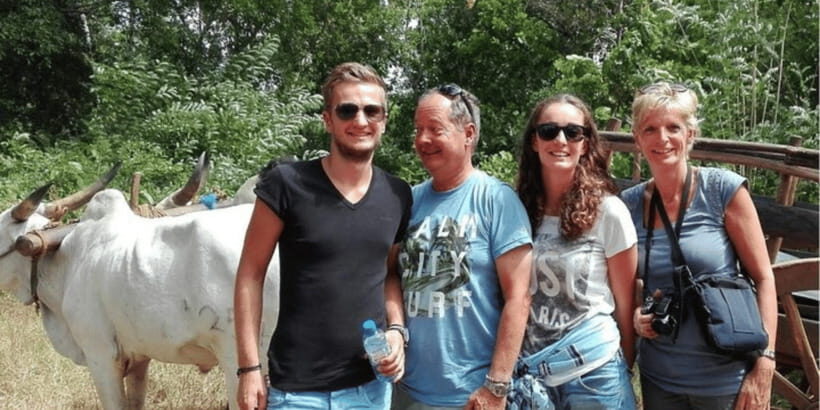
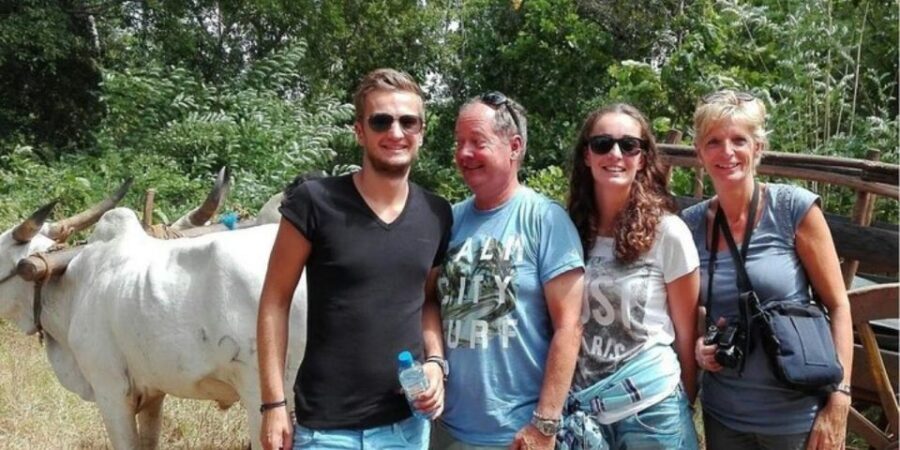
Then comes the traditional bullock cart ride, one of the most memorable experiences in the whole tour. It’s not fast, and that’s the point. You feel the pace of rural life—no engine roar, no sense of being herded through a checklist. It’s travel by rhythm.
You’ll get the chance to experience local movement through village paths and open areas in a way that walking alone can’t replicate. Plus, it tends to be photo-worthy without needing you to sprint to the next viewpoint.
The only caution I’d flag: an ox is part of the cart setup. If you’re uncomfortable seeing working animals, this segment could bother you. The experience is designed as a cultural ride, but feelings about animal labor are personal, and it’s worth acknowledging upfront.
If you’re okay with that trade-off, you’ll likely love how grounded the ride feels. It’s a calmer break from the usual sightseeing hustle.
Catamaran on the lake: calm water time plus bird-spotting odds
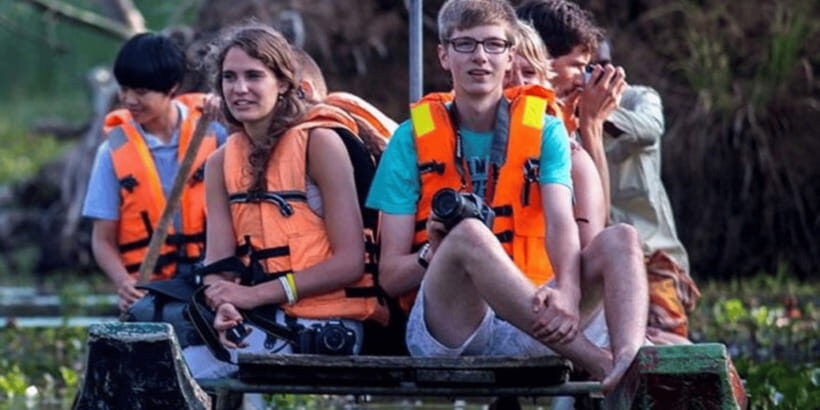
After the cart, the day shifts to water with a traditional catamaran ride. The goal here is simple: glide across a tranquil lake and let your senses reset. When tours get too packed, a quiet water segment can be the difference between a day that feels tiring and one that feels memorable.
There’s also a real chance to see birds during this part of the ride. On a calm day, the water activity often draws wildlife close enough for casual spotting, especially from the boat’s viewpoint.
This is also where the tour’s countryside theme clicks. You’re moving through the same natural systems people farm—fields, water routes, and the living environment around them. It helps the farming lesson feel less like a classroom moment.
Time-wise, the catamaran segment is part of a tight 4-hour schedule. If you’re the kind of traveler who wants long stretches on the water, you might wish it lasted a bit longer. Still, for a half-day format, it’s a strong payoff.
Practical tip: dress for mist-free comfort rather than rain gear. The ride is about breeze and calm, and you’ll likely be fine in light layers.
Chena cultivation explained: turning scenery into context
One of the most meaningful pieces is learning about chena cultivation, described as an ancient agricultural practice. The value isn’t in complicated facts—it’s in seeing how farming isn’t just background. It’s a livelihood, shaped by land and water and seasonal rhythms.
You’ll hear this explanation during the flow of the tour while you’re moving through the countryside. That matters: you’re less likely to zone out because the topic is tied to what you’re seeing right now. The guide can connect the dots between fields, paths, and the way villagers think about cultivation.
Even if you don’t consider yourself a farming-history person, the lesson can still feel relevant. It turns a pleasant half-day into something you remember with a bit of understanding.
If you like interactive tours with explanations you can picture, this section is a plus. If you only want motion and photos, you may find that you have to pay attention for the information to land.
A few more Dambulla tours and experiences worth a look

Cooking demo in a rural home: hands-on, not just watch-and-leave
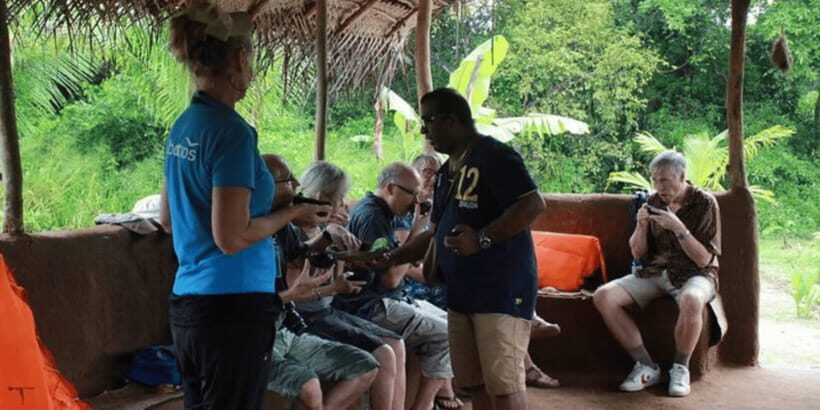
Next is the part most people end up talking about afterward: a traditional cooking demonstration in a welcoming rural home. This is not a stand-back-and-watch performance. The format includes a hands-on component and food tasting.
In practical terms, that means you’re doing more than observing. You get a sense of ingredients and how the flavors come together. And since the tour includes local snacks along with tasting, you’re not sitting hungry waiting for lunch to start.
This is where I think the tour earns its value. A cooking demo is often “generic cooking.” Here, the emphasis is on Sri Lankan cooking using local ingredients. It’s built to help you understand what you’ll be eating next, and that makes the lunch feel more satisfying.
Keep an eye on how the session is paced. Cooking demos can be quick if the tour group is large, but in a private group setting you’re more likely to get a smoother flow and time to ask questions.
If you’re a food traveler, you’ll probably love this portion most. If you’re not, you’ll still benefit because the lunch is tied directly to what you learned.
The traditional lunch: why it feels worth more than a meal stop
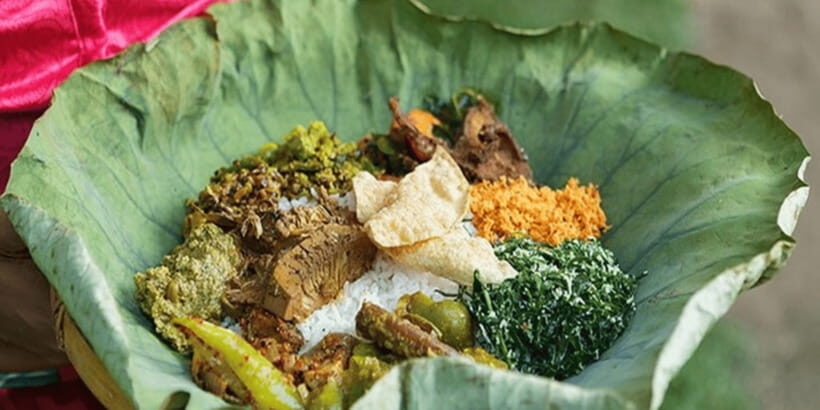
You’ll finish the main activities with an authentic Sri Lankan lunch prepared with local ingredients. It’s not described as a buffet experience; it’s positioned as a proper meal connected to the cooking session.
This matters because the best food tour value isn’t the price tag—it’s how the meal connects to the morning. When you’ve already watched a cooking process and tasted the ingredients, lunch becomes more than calories. It becomes a payoff.
I also like that the day includes both lunch and tasting, with local snacks in between. That makes the meal feel like part of an experience rather than an emergency stop.
One more realistic note: a 4-hour half-day format leaves less time for slow eating than full-day food tours. Still, the structure is set up so you can enjoy the meal without feeling like lunch is rushed off a schedule. If you’re a person who enjoys chatting and wants the full relaxed dining pace, plan to do that with your host guide during the tasting portion, not after everything is served.
Time, comfort, and who this tour fits best
This tour is designed as a focused 4-hour outing, which makes it ideal when you want a cultural experience without turning the day into a long logistics puzzle. The schedule balances walking, riding, and indoor time for cooking.
What I’d bring my best-fit traveler mindset to:
- You’ll likely enjoy it if you like practical culture: how people grow food and how they cook it.
- You’ll probably have a great time if you want a mix of scenic countryside and hands-on activities.
- It’s a solid choice for first-time visitors to the Dambulla area who want more than temples and viewpoints.
Who should pause before booking?
- If you strongly dislike seeing working animals, the bullock cart segment could be uncomfortable.
- If you want the most time possible on a single activity (like long boating), the half-day pace may feel limiting.
Comfort tips that actually help:
- Use sun protection. You’re outdoors during the field walk and on the water.
- Wear closed shoes for walking segments.
- Bring light water and small cash only if you plan personal purchases, since the essentials are handled by the tour.
Price and value: is $30 a smart buy?
At $30 per person for a half-day experience, the value mostly comes from the mix of included elements. You’re not just paying for a ride or just paying for lunch. You’re getting transport (tuk tuk pickup/drop-off), a local guide, both the bullock cart and catamaran rides, the cooking demo, and the traditional lunch, plus all government taxes.
In other words, it’s hard to replicate these pieces cheaply on your own in the countryside. Hiring transport plus a guide plus an activity like a cooking demo typically adds up fast, especially when you factor in time and hassle.
For a private-group feel, that price also makes it more comfortable. Big-group tours can be cheaper, but you lose some of the attention and rhythm. Here, the format is built to feel personal without turning into a luxury-priced production.
If you’re weighing this against a temple-only day, I’d frame it like this: this isn’t trying to replace the big famous sights. It adds a lived-in rural layer that most short visits miss.
Should you book this Dambulla Village Odyssey?
I’d book it if you want a balanced, hands-on countryside day: paddy fields, a slow cart ride, a calm lake glide, chena cultivation context, and a real cooking demo that ends in a proper Sri Lankan lunch. It’s the kind of experience that fits well into a first or second day around Dambulla because it shows how people live, not just what they’ve built.
I wouldn’t book it if you’re very sensitive to working animals or if you’d rather spend your time on longer water activities without a tight schedule. In that case, you may feel the best parts are too brief for your taste.
If you’re curious about rural Sri Lanka and you enjoy food-focused cultural moments, this tour is a strong bet for your time and money.
FAQ
How long is the Dambulla village tour?
The experience lasts about 4 hours.
What does the tour cost?
It’s $30 per person.
Where can pickup happen?
Pickup is available from Kandalama, Dambulla, Sigiriya, and Habarana.
How do you travel during the tour?
You’ll use a tuk tuk for pickup and drop-off, plus a bullock cart ride and a traditional catamaran ride during the experience.
Is the tour guide available in English?
Yes, the live tour guide speaks English.
Is this tour private or group-based?
It’s a private group.
What’s included in the price?
Hotel pickup and drop-off by tuk tuk, a local guide, bullock cart ride and catamaran ride, the traditional cooking demonstration with an authentic Sri Lankan lunch, and all government taxes.
What about cancellation or bad weather?
You can cancel up to 24 hours in advance for a full refund, and the activity can be canceled due to inclement weather with the option to reschedule or receive a refund.