REVIEW · DAMBULLA
Dambulla: Cave Temple and Village All-Inclusive Tour
Book on GetYourGuide →Operated by Beyond Escapes · Bookable on GetYourGuide
Cave art and village lunch in one day. This tour is interesting because it links Sri Lanka’s big spiritual site with real countryside routines, including a traditional cooking demonstration and a home-cooked rural lunch. I really like the chance to see the Dambulla Cave Temple caves in a structured way, and I also like that the food part isn’t a generic buffet stop—this one is built around a village meal. One caution: the day can feel pricey depending on where you’re picked up, and the bullock cart ride is not the comfiest activity if you’re sensitive to bumps.
You’ll start with tuk-tuk hotel pickup and end back at your hotel around 3:00PM. Along the way, you’ll walk in sacred-space conditions (shoulders and knees covered), spend time among ancient Buddha statues and paintings, ride through paddy fields, then take a traditional catamaran ride over a lake before returning to your hotel.
In This Review
- Key highlights worth knowing
- Getting there by tuk-tuk: the practical start
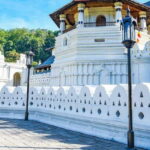
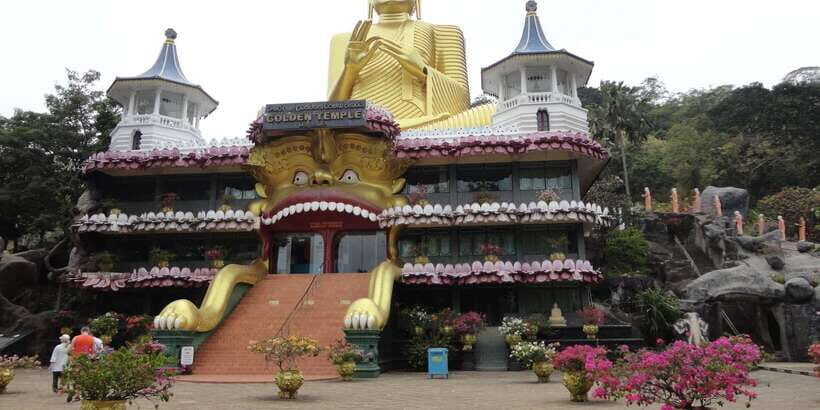
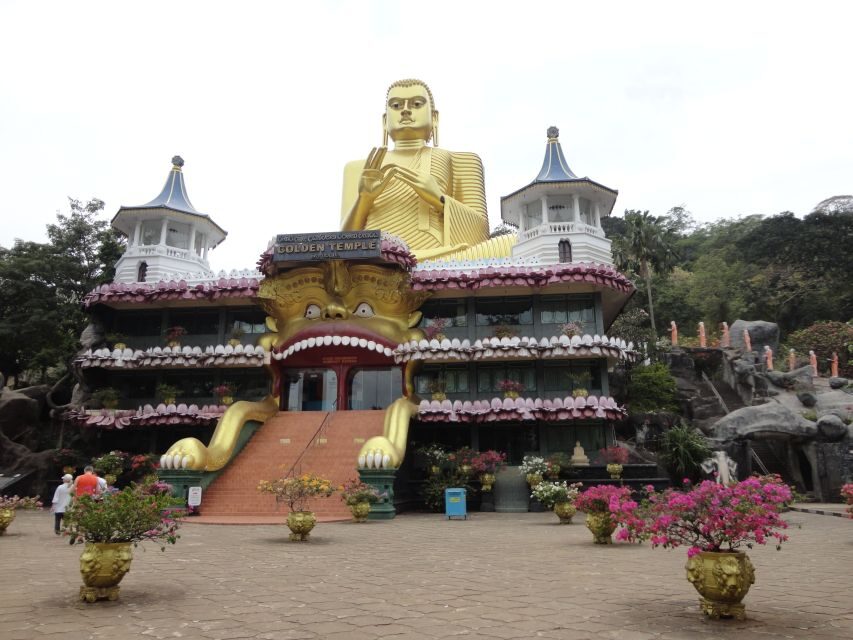
- Entering the Dambulla Royal Cave Temple and Golden Temple
- From cave steps to real countryside: bullock cart and paddy fields
- The catamaran ride over the lake: the day’s reset button
- Cooking demonstration and rural lunch that actually feel local
- Price and value: is $49 a smart deal?
- Comfort notes: what to wear and who should skip
- Who this Dambulla cave + village day fits best
- Should you book this Dambulla Cave Temple and Village Tour?
- FAQ
- How long is the Dambulla Cave Temple and Village tour?
- Where does the tour pickup from?
- What time do I get back to my hotel?
- What’s included in the price?
- Do I need to pay entrance fees separately for the cave temple?
- Is the tour guided in English?
- Do I need to dress a certain way for the caves?
- What should I bring?
- Is smoking or bringing pets allowed?
- Is it suitable for pregnant travelers or people with back problems?
Key highlights worth knowing
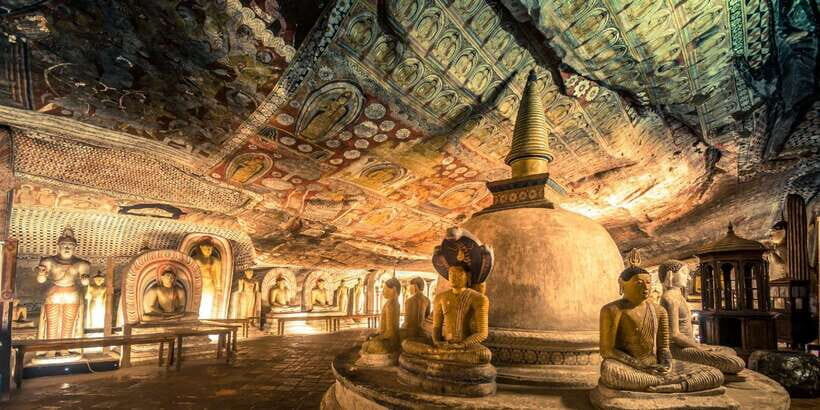
- Five caves, 2,000+ square meters of painted walls in one complex
- 150+ Buddha images and a 14-meter rock-carved colossal Buddha inside the temple
- Bullock cart ride through countryside and paddy fields (bumpy, but scenic)
- Traditional catamaran ride over the lake for a calmer, slower pace
- Cooking demonstration and authentic Sri Lankan rural lunch as the day’s people-centered payoff
Getting there by tuk-tuk: the practical start
The day begins with pickup by tuk-tuk, with options around central Sri Lanka (including Habarana, Sigiriya, Anuradhapura, Dambulla, Girithale, Mihintale, and Polonnaruwa). If you’re staying in or near Dambulla, this kind of grouped transport often makes the day easier, since you don’t have to coordinate a driver and multiple stops.
This is also a “no-fuss” tour style: you’re handed a schedule, you follow it, and your guide keeps the day moving. That matters on a tight 6–8 hour window. The trade-off is you’re tied to the route and timing, so if you want lots of solo roaming time, you may feel a bit time-managed.
One more practical point: the return drop-off options mirror the pickup list, and the tour aims to get you back around 3:00PM. If you’re planning dinner or a second activity that afternoon, leave some buffer.
Other Dambulla Cave Temple tours we've reviewed in Dambulla

Entering the Dambulla Royal Cave Temple and Golden Temple
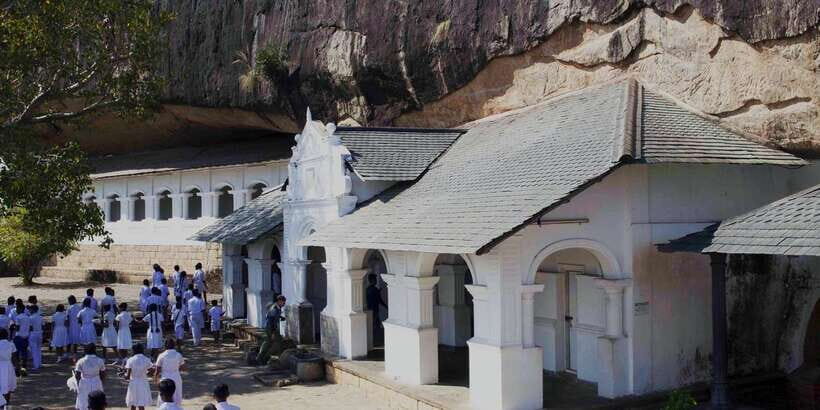
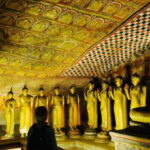
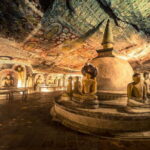
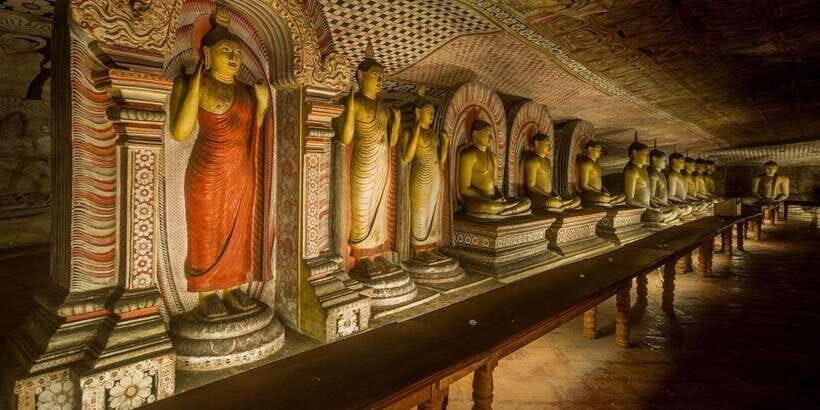
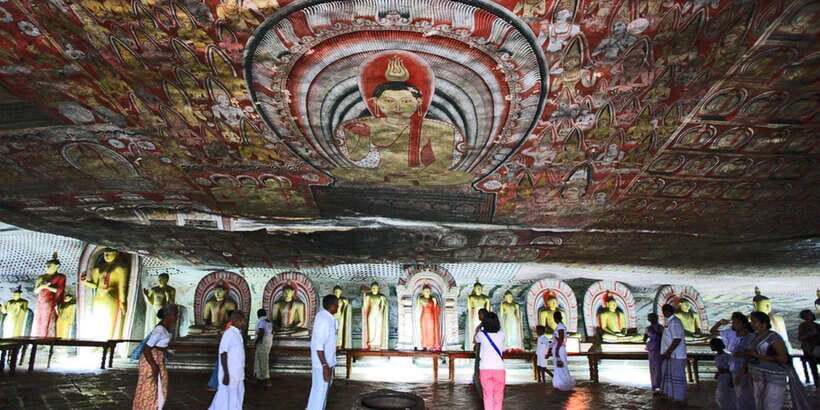
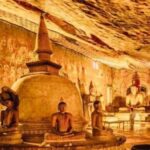
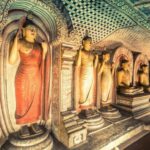
Dambulla’s cave temple complex is the star of the show, and the numbers here help you understand why. You’re exploring five caves with more than 2,000 square meters of painted walls and ceilings. The temple is known for some of the best-preserved ancient painting surfaces you can see in Sri Lanka, and the visual density is the point: you don’t just pass through, you spend time looking.
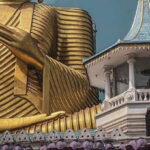
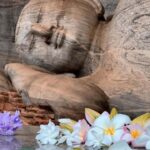
Inside, you’ll find over 150 Buddha images, plus the headline attraction: a colossal Buddha carved out of rock that reaches 14 meters. That scale changes how the paintings and statues feel. Up close, it’s not “decor.” It’s a full environment where the cave itself becomes the backdrop for devotion and storytelling.
A guided walkthrough is useful here because caves can be disorienting. Your guide helps you connect what you’re seeing to what it’s supposed to communicate—where to look first, what’s preserved, and what details stand out among the many images.
The main drawback is physical and etiquette-based. You’ll be walking and spending time in a sacred setting, and you need to dress correctly: no bare shoulders or bare knees. Comfortable shoes are also smart because cave approaches and flooring can be uneven.
From cave steps to real countryside: bullock cart and paddy fields
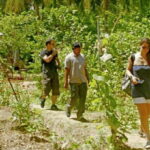
After the caves, the day shifts gears to village scenery. You’ll head toward a rural area of Dambulla and start with a bullock cart ride. The route takes you past paddy fields and countryside views, which is exactly what many people want after the cave intensity—green, open space, and a slower visual rhythm.
Here’s the realistic expectation: a cart ride is not a smooth city vehicle. It can be bumpy, and the sitting position may feel awkward for some bodies. Based on common feedback, if you’re hoping for comfort, manage your expectations and take the ride for what it is: a traditional way to see how the countryside functions visually and socially.
This is also one of the moments where the “guided day” format can help. Instead of guessing what’s worth stopping for, you follow a planned route through the countryside, then you move on once the view-taking is done.
The catamaran ride over the lake: the day’s reset button

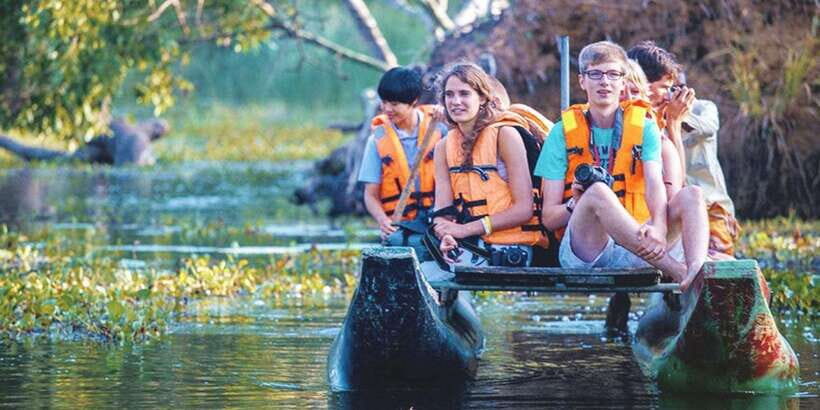
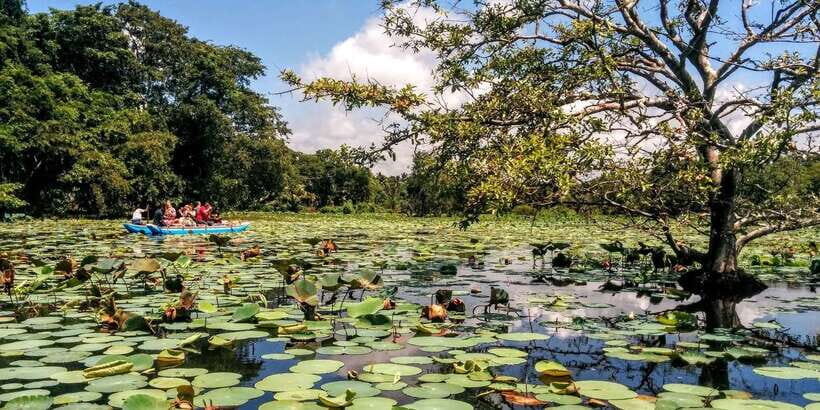
After the cart ride, the tour reaches a lake, and that’s where the pace changes again. You get a traditional catamaran ride over the lake, which acts like a reset after walking and cave time.
This portion is valuable because it gives your brain a break. Caves are all about stillness, ceilings, and details. The lake ride is about motion, light, and wide sightlines—especially if you’ve been focused on statues and paintings for hours.
In practical terms, it’s also a good “middle of the day” activity. It breaks up the schedule so you’re not just moving from one hard-edged site to the next. If you enjoy scenery that’s not overly manufactured, this stop is often the kind you remember longer than you expect.
Cooking demonstration and rural lunch that actually feel local
The best part of the village side isn’t only the views. It’s the food built around village life. You’ll enjoy a traditional cooking demonstration and then a Sri Lankan village lunch.
This is where the tour earns its value. A cooking demonstration tends to be more than entertainment when the meal follows immediately—your senses connect the steps to what arrives on your plate. And because this lunch is described as coming from a home-cooked rural setting, it feels less like a “tourist lunch” and more like a shared day.
One thing to note: since this is a sacred and rural day, plan for heat and walking before lunch. If you can, drink water during breaks and pace yourself so the lunch feels like a reward, not a recovery session.
Price and value: is $49 a smart deal?
At $49 per person for a 6–8 hour tour, the price can be a decent deal if what’s included matches what you want: entrance fees, a local guide, hotel pickup and drop-off, and multiple activities (bullock cart + catamaran + cooking demo + lunch).
Where the value can slip is when your starting point makes the transport cost feel less efficient, or if you were already considering organizing parts of the day yourself. Some people find that they can recreate pieces of the experience for less by arranging locally. That doesn’t mean this tour is “bad”—it means you should compare based on your base location and how much time you want to spend planning.
A useful way to decide: ask yourself whether you want convenience and a set schedule, or whether you’re happy doing a bit of organizing to save money. If you want everything bundled—this tour is built for that.
Comfort notes: what to wear and who should skip
This tour is not designed to be minimal-effort. You should bring comfortable shoes, plus sunglasses and a sun hat for bright outdoor sections.
Clothing rules are strict for the sacred parts: you must wear clothing that covers your shoulders and knees. Sleeveless tops aren’t allowed. If you forget, you can be stuck either adjusting your plans or buying something last-minute.
Also consider these body factors. The tour is not suitable for pregnant women or people with back problems. The reasons are straightforward: you’ll be in a moving vehicle (tuk-tuk and cart), you’ll walk around uneven surfaces, and there’s a decent amount of time on your feet for a half-day.
If you’re generally fit and you like a full, varied itinerary (caves, countryside, lake, food), you’ll likely find the pace doable. If you’re trying to keep things gentle, this may feel like too much.
Who this Dambulla cave + village day fits best
I’d point this tour toward travelers who want more than “one big viewpoint.” You’re getting the Dambulla Cave Temple’s cave art in one structured block, then you’re also getting rural life cues through the cart ride, lake time, and the cooking-and-lunch experience.
It’s especially a good match if:
- You like guided context for major sights and don’t want to figure it out alone.
- You care about food that’s tied to the community rather than separate from the day.
- You want a single half-day plan that covers multiple environments in one go.
It’s less ideal if:
- You’re chasing maximum value by DIY-ing every component.
- You’re strongly sensitive to bumps or discomfort during the bullock cart ride.
- You need an ultra-slow pace with minimal walking.
Should you book this Dambulla Cave Temple and Village Tour?
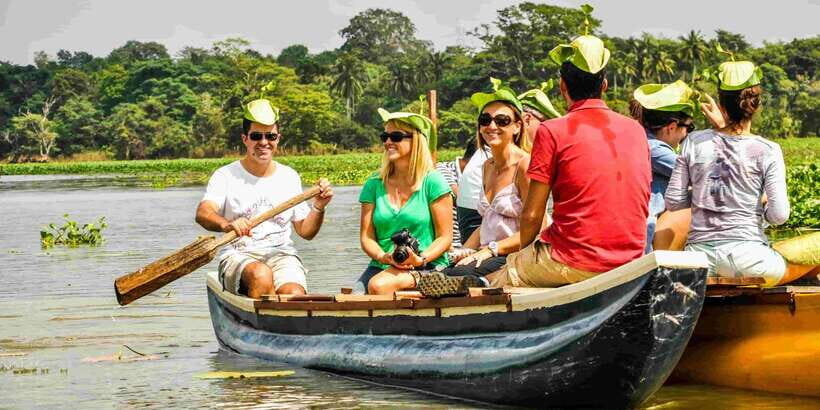
Book it if you want a convenient, guided package that includes the essentials: Dambulla’s cave complex, a countryside ride, catamaran time on the lake, and a village-style lunch with a cooking demo attached. At $49 per person, that bundle can be good value—especially if you’d otherwise spend time and effort arranging transport and activities.
Consider skipping or modifying your plan if you’re mainly motivated by the bullock cart ride and you expect it to feel comfortable. In that case, focus your day on the caves and the lunch portion, and price-check alternatives based on where you’re staying. The cave temple plus the village meal is the combo most likely to pay off.
FAQ
How long is the Dambulla Cave Temple and Village tour?
It runs about 6 to 8 hours.
Where does the tour pickup from?
Pickup is offered from centrally located hotels in areas including Habarana, Sigiriya, Anuradhapura, Dambulla, Girithale, Mihintale, and Polonnaruwa.
What time do I get back to my hotel?
The tour returns you to your hotel around 3:00PM.
What’s included in the price?
The tour includes a local guide, hotel pickup and drop-off, Dambulla Cave Temple entrance fees, bullock cart ride, catamaran ride, traditional cooking demonstration, authentic Sri Lankan lunch, and all government taxes.
Do I need to pay entrance fees separately for the cave temple?
No. Entrance fees to the Dambulla Cave Temple are included.
Is the tour guided in English?
Yes. The live tour guide speaks English.
Do I need to dress a certain way for the caves?
Yes. You must cover your shoulders and knees for sacred or holy places, and sleeveless shirts aren’t allowed.
What should I bring?
Bring comfortable shoes, sunglasses, and a sun hat.
Is smoking or bringing pets allowed?
No. Smoking is not allowed, and pets are not allowed.
Is it suitable for pregnant travelers or people with back problems?
No. It is not suitable for pregnant women or people with back problems. Free cancellation is available up to 24 hours in advance, and there is also a reserve now & pay later option.