REVIEW · DAMBULLA
Dambulla: Caves Temple & Traditional Village Tour with Lunch
Book on GetYourGuide →Operated by Sign of Lanka (Pvt) Ltd · Bookable on GetYourGuide
Caves, statues, and village life in one go. What makes this outing interesting is the mix: you start high above the plains with Dambulla Cave Temple (80+ caves, Buddha statues, and massive murals), then shift to everyday rural Sri Lanka. It’s a tight day where big art meets real routines like farming and home cooking.
I also like the traditional Sri Lankan lunch inside the village setting, with a proper cultural feel rather than a rushed snack stop. One thing to consider: the bullock cart and short boat portion may feel too animal-focused or too brief for some people, and food quality can vary depending on what’s cooked fresh vs. warmed.
In This Review
- Key Things to Know Before You Go
- Entering the Dambulla Cave Temple Above the Cliffs
- The Photo Stops and Free-Time Breaks That Keep It Enjoyable
- What You’ll See at the Golden Temple Stop
- Hiriwadunna and the Village Shift: From Statues to Daily Life
- Bullock Cart Ride and Boat Trip: Worth It, but Know the Limits
- Strolling Paddy Fields and Vegetable Plantations
- Lunch at a Traditional Village House: What’s Likely Included
- Drinks, Water, and Small Comforts That Matter
- Transport Timing: Making 5.5 Hours Feel Like Enough
- Price and Value Around $70: What You’re Really Paying For
- Who This Tour Fits Best (and Who Should Rethink It)
- Should You Book This Dambulla Cave Temple and Village Tour?
- FAQ
- What time does the tour start?
- How long is the Dambulla Caves Temple and Village Tour?
- Where can I be picked up and dropped off?
- What major stops are included?
- Is lunch included?
- What should I bring, and what clothing rules apply?
- Can I use flash photography?
- Is there free cancellation?
Key Things to Know Before You Go
- Dambulla Cave Temple’s scale: 80+ caves, 153 Buddha statues, plus murals covering 2,100 square meters
- Golden Temple included: you get both the main cave complex and a highlight stop within the site
- Village day moves step-by-step: bullock cart ride, then a boat trip, then paddy fields and vegetable plots
- Lunch is part of the experience: you eat at a traditional village house as the day’s centerpiece
- Transport is driver-led and smooth: you’re picked up and returned by tuk-tuk from Dambulla, Sigiriya, Kandalama, or Habarana
Entering the Dambulla Cave Temple Above the Cliffs
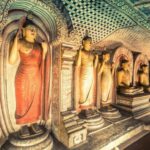
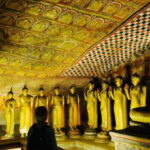
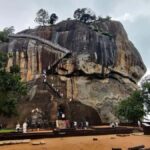
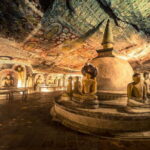
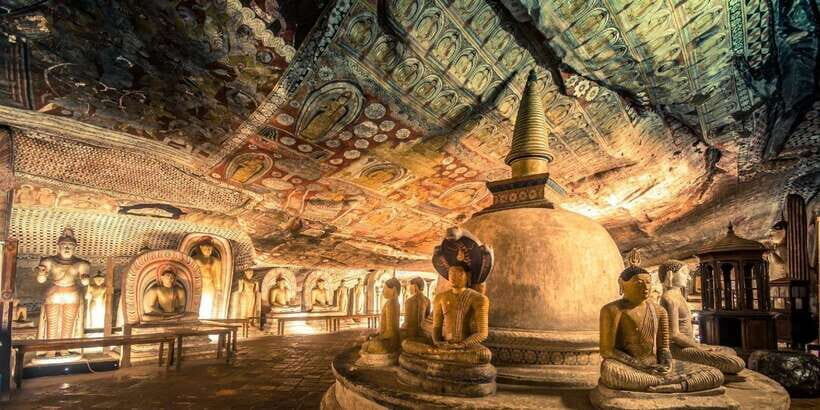
Dambulla Cave Temple is one of those places where your eyes keep trying to count. The complex sits about 160 meters above the surrounding area, and it’s made up of 80+ caves filled with religious figures. The main reason it hits so hard is the sheer concentration of Buddha imagery, organized across many separate cave rooms.
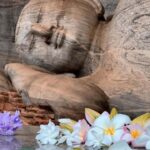
At this stop, you’re looking at 153 Buddha statues, along with three Sri Lankan king statues. You’ll also see other divine figures such as Vishnu and Ganesha, which gives the site more variety than a typical single-message temple visit. When you pair that with the murals, the temple stops feeling like a simple photo-op.
The murals are the other big draw. They cover about 2,100 square meters and depict the life of Gautama Buddha. It’s the kind of detail that rewards slow looking, not frantic walking. Try to pause in spots where you can see the painted scenes without rushing to the next cave.
Other Dambulla Cave Temple tours we've reviewed in Dambulla

The Photo Stops and Free-Time Breaks That Keep It Enjoyable
This tour doesn’t treat the temple as a speed-run. You’ll have time for a photo stop and free time, plus guided sightseeing and walking through the main areas. That matters because cave-temple lighting and crowds can make certain spots hard to enjoy if you feel pressured to move every minute.
You’ll also get scenic viewpoints along the way, which is useful if you’re pairing this day with Sigiriya or other sights in the same region. Dambulla’s hills and the view from higher ground help you reset your brain between cave rooms and keep the day feeling like an actual outing, not just a checklist.
One practical note: cave temples often mean dimmer interiors and strict behavior around equipment. Flash photography is not allowed, and sleeveless shirts aren’t allowed either. If you want comfortable photos, bring a light layer you can pull on quickly for the walk in and out.
What You’ll See at the Golden Temple Stop
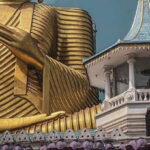
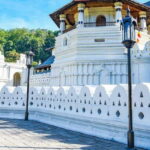
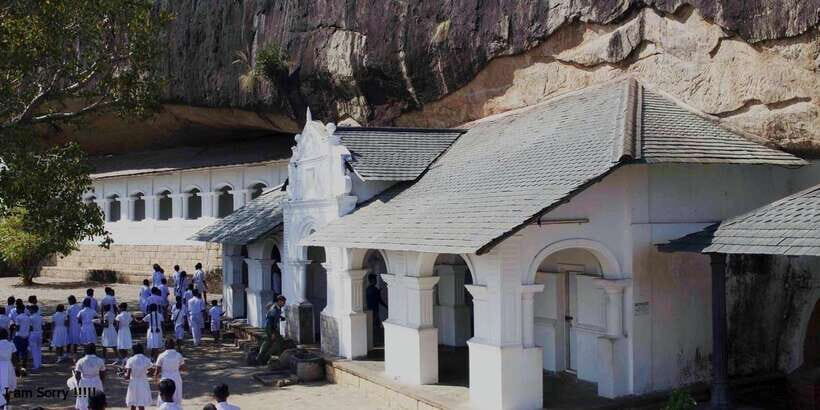
Within the same cave complex area, you’ll also get a Golden Temple highlight. Even if you’re not a religious art scholar, this kind of stop works because it gives you a sense of how different parts of the site are meant to be experienced. One cave room can be a visual wall of statues, and another can feel like a more focused focal point for lighting, color, and attention.
Think of it like this: the temple is not one single moment. It’s a series of rooms and spaces that change as you move. Having a dedicated “golden” highlight helps you avoid the feeling that you just walked through random corridors.
Hiriwadunna and the Village Shift: From Statues to Daily Life
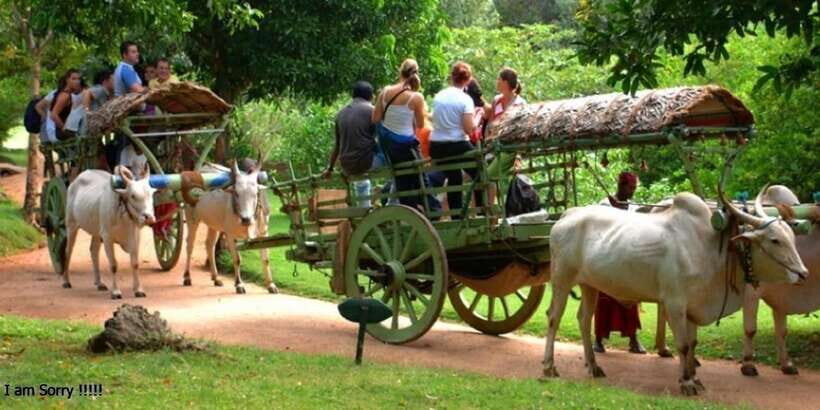
After the cave temple time, the tour turns to traditional village life around Hiriwadunna. This part is where the day becomes more personal and less museum-like. You’re moving away from carved stone and into working land: scrub jungle areas, marshlands, and agricultural farms are part of the route.
First you’ll ride in a bullock cart, then you’ll take a boat trip. That sequence is helpful because it changes your pace and your senses. On a bullock cart, you can look longer at small details—paths, fields, and how people move through rural spaces. On the boat, you get a calmer rhythm and see the village edges from the water.
That said, it’s fair to think about how you feel about animal-powered transport. Some people will love the “authenticity” factor and others will find it difficult to enjoy. If you’re strongly uncomfortable with animal labor, you may want to consider a different tour style that doesn’t include a cart ride.
Bullock Cart Ride and Boat Trip: Worth It, but Know the Limits
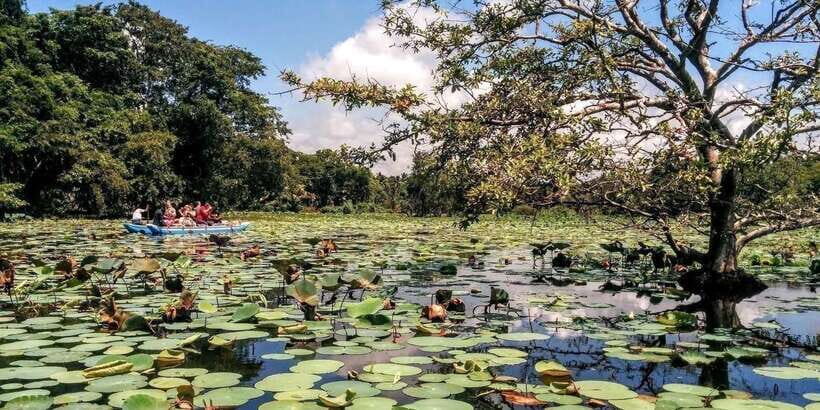
The cart-and-boat combination is the signature of the village portion, and it can be genuinely memorable when the day is paced well. On top of that, the countryside views are real, not staged. You’re not just sitting in a vehicle watching someone else’s world.
Still, the boat portion is short, so treat it as a taste rather than a full river cruise. You’ll get the scenery and the moment, then you’ll move on. If you want a longer water-based experience, you’ll likely need to plan something separate.
Also keep your expectations grounded on time. This is a 5.5-hour full outing from pick-up to return, so the village portion is designed to hit a few key moments rather than give you long free wandering. That’s not bad, it just changes the kind of day you’ll have: structured and varied, not open-ended.
A few more Dambulla tours and experiences worth a look
Strolling Paddy Fields and Vegetable Plantations
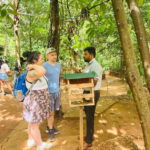
Walking time in paddy fields and vegetable plantations is one of the best ways to understand what you’re seeing. This isn’t just a roadside drive. You’ll get a chance to walk through agricultural areas and connect the scenery to actual work.
This part can also be a good photo window because you’ll be in open areas rather than only in cave shadows. The tour structure means you’re moving from temple interiors to bright outdoor ground fairly quickly, which keeps the day from feeling monotonous.
If you’re the type who likes to ask simple questions—what grows here, how people farm, why certain plots look different—this is the section where those conversations make the most sense.
Lunch at a Traditional Village House: What’s Likely Included
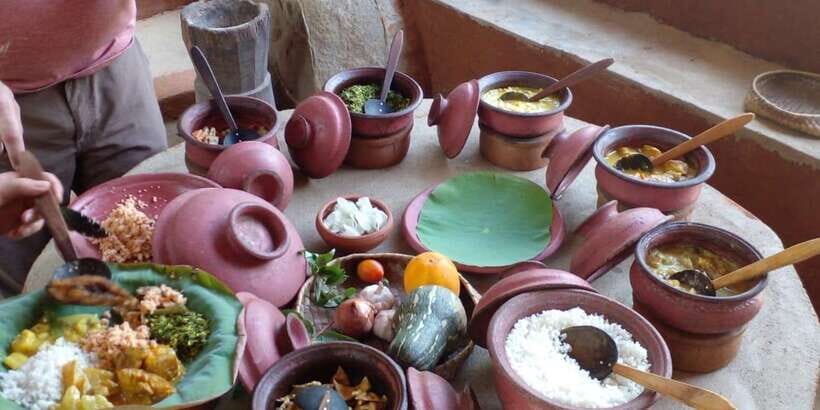
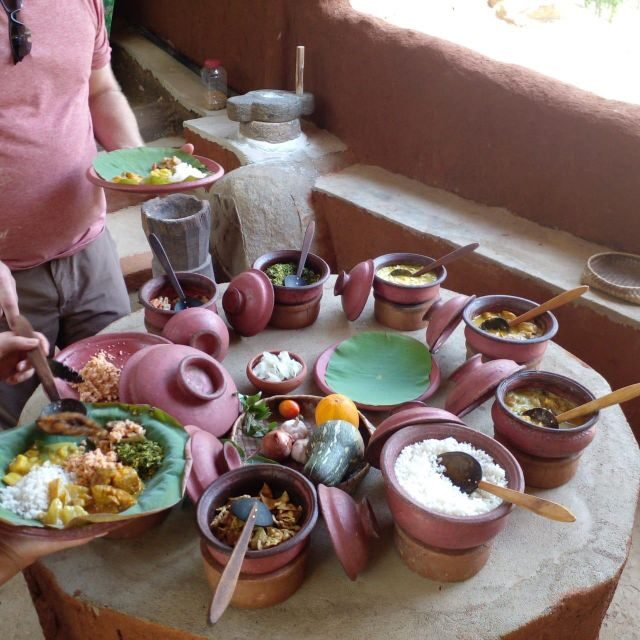
Lunch is served after the village tour, around 12:30. It’s not a generic restaurant meal. You eat in a traditional village house setting, which is part of why this tour feels culturally focused.
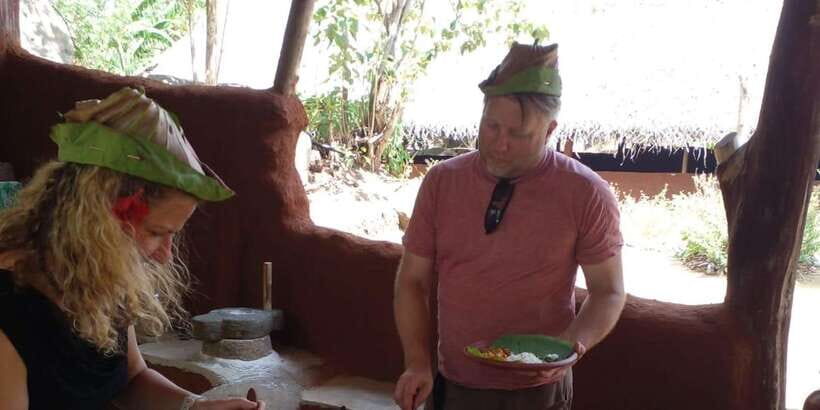
In the best version of this stop, you’ll get more than food. You might see hands-on moments tied to cooking, including demonstrations by local women and a chance to watch how dishes are made. One tour experience included watching two ladies make and teach, which is exactly the kind of interaction that turns lunch into memory, not just fuel.
That said, food quality can be inconsistent. One person felt that only one curry was prepared fresh, with other dishes warmed rather than cooked to order. If you’re picky about food freshness, go in ready for a home-style meal that may not meet restaurant standards for timing or temperature.
Either way, lunch is clearly positioned as a highlight in the day. After caves and walking, it also works as a natural reset—sit down, drink some water, and let the pace slow for a while.
Drinks, Water, and Small Comforts That Matter
This tour includes complimentary refreshments and water. That’s important in Sri Lanka’s heat, especially when you’re walking in and out of caves and then shifting to outdoor village paths.
Your transport by tuk-tuk also helps. A lot of temple-and-village combos rely on long stretches in cars, but here you’re shuttled from hotel to hotel areas with a local driver. The day stays manageable, and you’re not stuck trying to navigate connections by yourself.
One extra perk you might notice: the driver may explain things during the ride and share small local fruit treats along the way. That kind of small touch doesn’t change the itinerary, but it makes the trip feel warmer and less transactional.
Transport Timing: Making 5.5 Hours Feel Like Enough
The schedule is fairly clean. You’re picked up around 08:30 and head to Dambulla Cave Temple, arriving for a temple visit phase around 09:00. The village section starts around 11:30, and lunch follows at 12:30. After that, you return to your hotel by the early afternoon.
Five and a half hours sounds short until you factor in entrance time, walking, and the shift from high cave interiors to open farmland. Because this itinerary is packed, you’ll want to wear comfortable shoes and keep your camera accessible but not frantic.
If you’re already visiting Sigiriya, this tour can fit naturally as a separate cultural day. If your base is Habarana or Kandalama, it’s also a smart choice because it gives you Dambulla without you needing to coordinate transport on your own.
Price and Value Around $70: What You’re Really Paying For
At about $70 per person, you’re paying for a full half-day with multiple paid components bundled together. The included items matter:
- Round-trip tuk-tuk transport from hotels in Dambulla, Sigiriya, Kandalama, and Habarana
- Entrance fees for Dambulla Cave Temple
- A guide who speaks English or German during the cave temple sightseeing
- The traditional village tour plus an authentic Sri Lankan lunch
- Fuel, driver charges, and parking fees
- Water and refreshments
- Government taxes included
So you’re not only paying for a driver. You’re paying for access, guiding, and the structured village experience. That’s the value side.
The risk side is expectation management. If you focus only on animal rides or only on the temple art, you might feel the village portion is either too short or too controlled. On the other hand, if you like a day that mixes major sights with everyday life, this price can look reasonable fast.
Who This Tour Fits Best (and Who Should Rethink It)
This tour is a good match if you want one day that covers big landmark art and rural life. You’ll like it if you enjoy guided walking through cave temples, and you’re interested in seeing how people farm and cook.
It’s also a decent fit for people staying in Dambulla, Sigiriya, Habarana, or Kandalama who don’t want to deal with routing, tickets, and timing. The tour’s structure reduces decision fatigue.
Rethink it if you’re strongly against animal-powered rides. The bullock cart is part of the village portion, and if that’s a hard line for you, the emotional cost can outweigh the cultural value.
It may also not suit you if you’re expecting a fully hands-on village experience all day long. The village segment is memorable, but it’s still timed, and the exact depth of cooking interaction can vary.
Should You Book This Dambulla Cave Temple and Village Tour?
Book it if you want a classic Dambulla day: cave art with scale, plus a village lunch you can actually picture later. I’d also consider it if you appreciate guides who explain details and keep you moving at a human pace, rather than treating the temple like a lineup.
Skip or swap the tour if animal rides are a dealbreaker for you, or if you know you’re very sensitive about food freshness and timing. In that case, you might prefer a temple-only day or a different village option without bullock carts.
If you do book, pack for temples: bring a camera (no flash) and plan for clothing that covers shoulders. Then arrive ready to look slowly at the murals and statues, because that’s where Dambulla turns from interesting to unforgettable.
FAQ
What time does the tour start?
Pickup begins at 08:30 am from hotels in Dambulla, Sigiriya, Habarana, and Kandalama.
How long is the Dambulla Caves Temple and Village Tour?
The duration is 5.5 hours.
Where can I be picked up and dropped off?
Pickup and drop-off options include Dambulla, Sigiriya, Kandalama, and Habarana.
What major stops are included?
You visit the Dambulla Cave Temple (including the Golden Temple stop) and then go on a traditional village tour with a bullock cart ride and a boat trip.
Is lunch included?
Yes. Lunch is included as part of the traditional village experience.
What should I bring, and what clothing rules apply?
Bring a passport and a camera. Sleeveless shirts are not allowed.
Can I use flash photography?
No. Flash photography is not allowed.
Is there free cancellation?
Yes. You can cancel up to 24 hours in advance for a full refund.