REVIEW · ELLA SRI LANKA
From Ella: Udawalawa Safari and Tangalle/Hiriketiya Transfer
Book on GetYourGuide →Operated by Ceylon Nature Tours · Bookable on GetYourGuide
Elephants first, then beach time in one day. This is a practical one-stop transfer that combines an open Jeep safari in Udawalawe with a door-to-door drop-off in Tangalle, Hiriketiya, Talalla, or Matara. One catch: Udawalawe entrance fees are not included, so plan for that extra cost.
I like how this tour handles the two things that usually fight each other on Sri Lanka trips: wildlife time and getting to your next stop. You get picked up in the Ella area (and can also be picked up in Haputale or Bandarawela) and then switch back into a comfortable air-conditioned vehicle once the safari finishes.
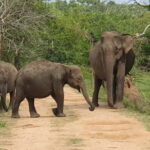
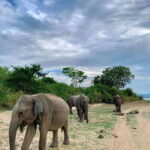
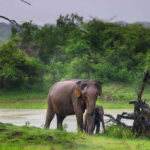
It runs on an early-morning or afternoon schedule to match when animals tend to be active, and your guide keeps you focused on spotting wildlife: elephants are guaranteed, with opportunities for crocodiles, monkeys, water buffalo, and endemic birds.
In This Review
- Key highlights worth your attention
- How the Ella–Udawalawe–coastal stop works in real life
- The open Jeep safari: what you’re actually there to see
- Guide and driver quality: why the names matter
- After the safari: switching back to air-conditioning
- Timing and value: is $48 per person actually fair?
- What to pack and how to get the most out of the safari
- Price details you shouldn’t miss: entrance fees and the food gap
- Should you book the Ella to Udawalawe safari and coastal transfer?
- FAQ
- Where are you picked up from?
- What part of the day is the safari?
- Is the safari Jeep open-air?
- What wildlife can I expect to see?
- Are park entrance fees included?
- What language is the guide?
- Will I be comfortable during the transfer?
- Is food or drinks included?
Key highlights worth your attention
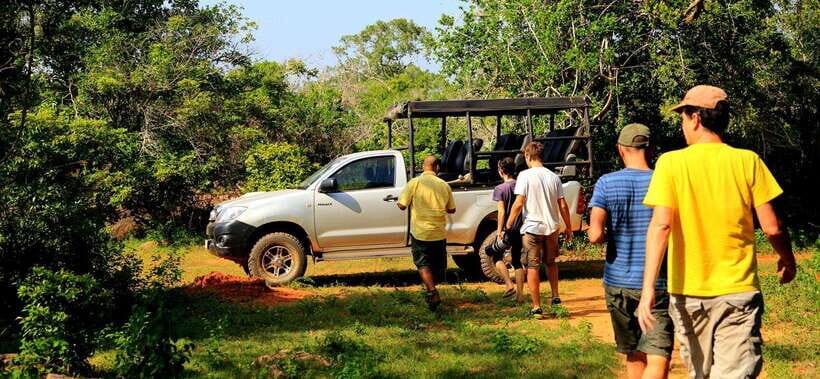
- 3-hour Udawalawe National Park safari with a proper open Jeep viewpoint
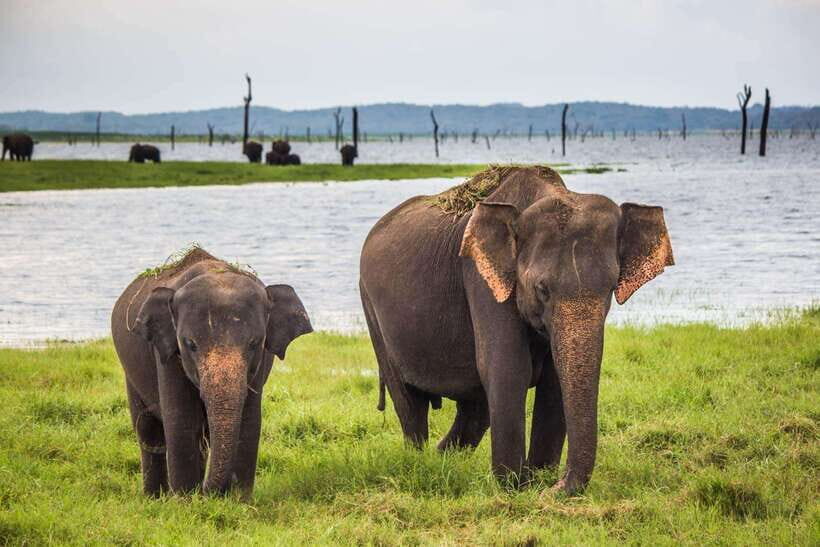
- Elephant spotting is the main event, not a maybe
- English live guide to help you understand what you’re seeing
- Air-conditioned transfer after the safari to Tangalle, Hiriketiya, Talalla, or Matara
- Door-to-door hotel pickup and drop-off keeps the day simple
How the Ella–Udawalawe–coastal stop works in real life
This is built for travelers moving south. You start in the Ella area and head toward Udawalawe for your wildlife window. The pace is straightforward: transportation first, safari second, then a longer ride to the coast so you don’t waste a separate day figuring out logistics.
What makes it feel good (and good value) is that you’re not doing the hardest part alone. A professional driver/guide manages the timing, and you’re carried in two different modes: an open-air safari Jeep for the viewing, then an air-conditioned car for the road after.
Your drop-off choice is also flexible. You’ll be left in the Tangalle, Hiriketiya, Talalla, or Matara area, depending on where you’re staying. That matters if you’re trying to line up hotel check-in or want to get to the beach with daylight still on your side.
One more detail that helps: you’ll have an early morning or afternoon start option, designed to catch animals during their more active times. That’s not guaranteed wildlife magic, but it does make the safari more likely to deliver.
Other Ella tours we've reviewed in Ella Sri Lanka
The open Jeep safari: what you’re actually there to see
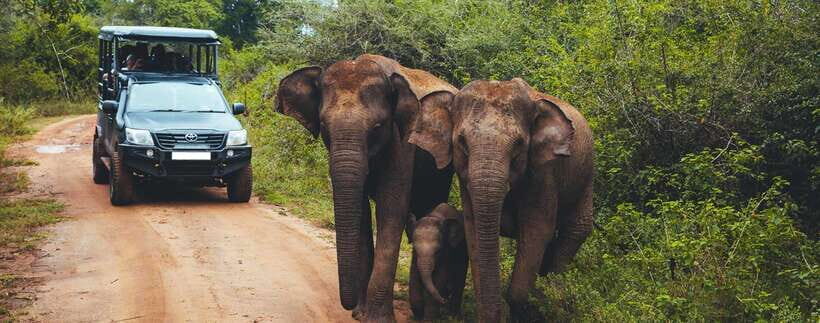
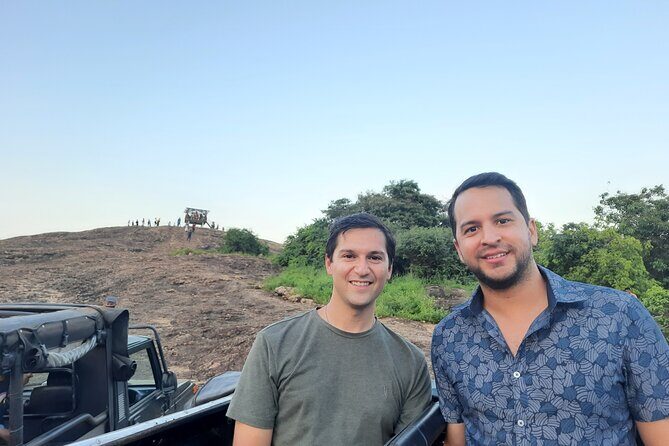
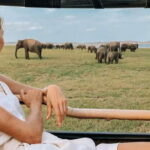
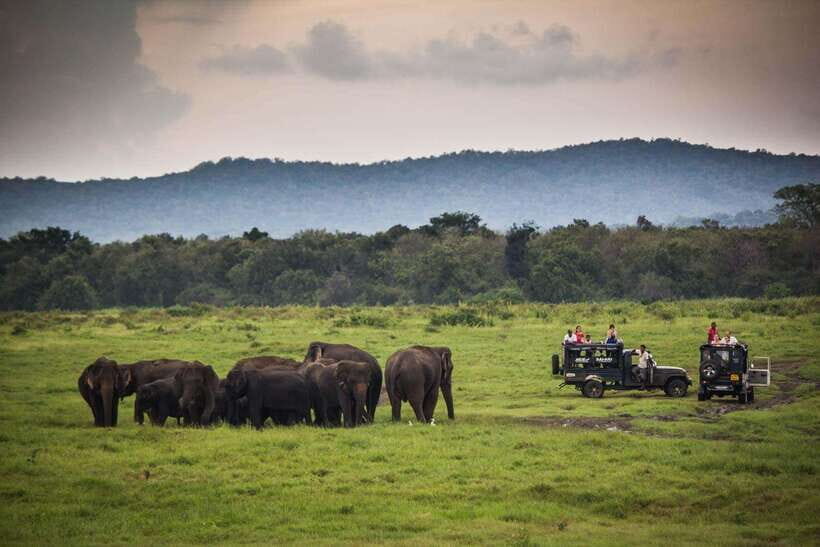
The heart of the experience is a 3-hour Udawalawe safari in an open Jeep. This is the part where you want the window-up tour option, because an open vehicle changes how you watch. You’ll be scanning the plains and water areas for movement, and you’ll have better photo angles and more natural viewing than you would in a closed car.
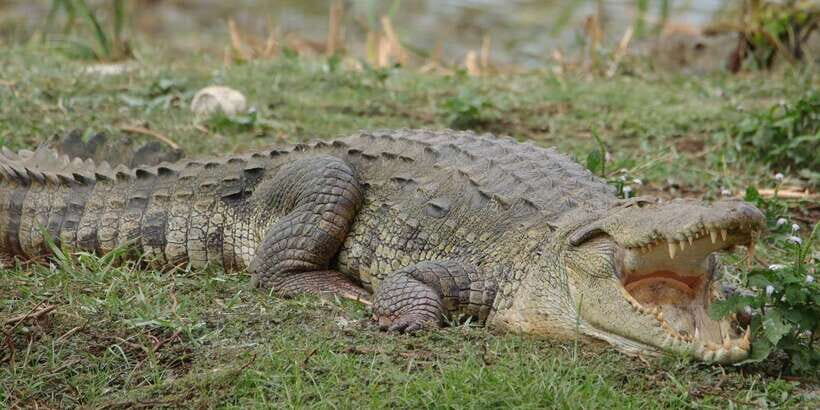
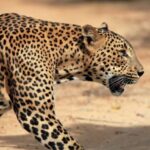
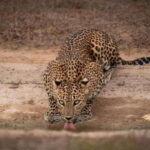
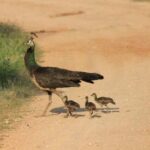
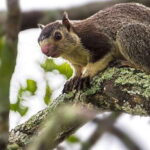
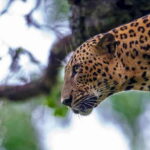
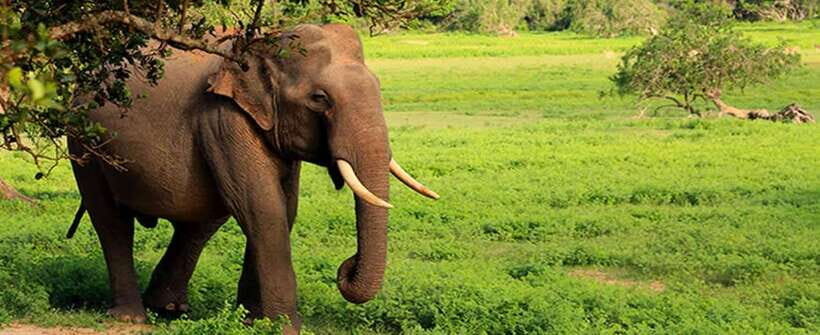
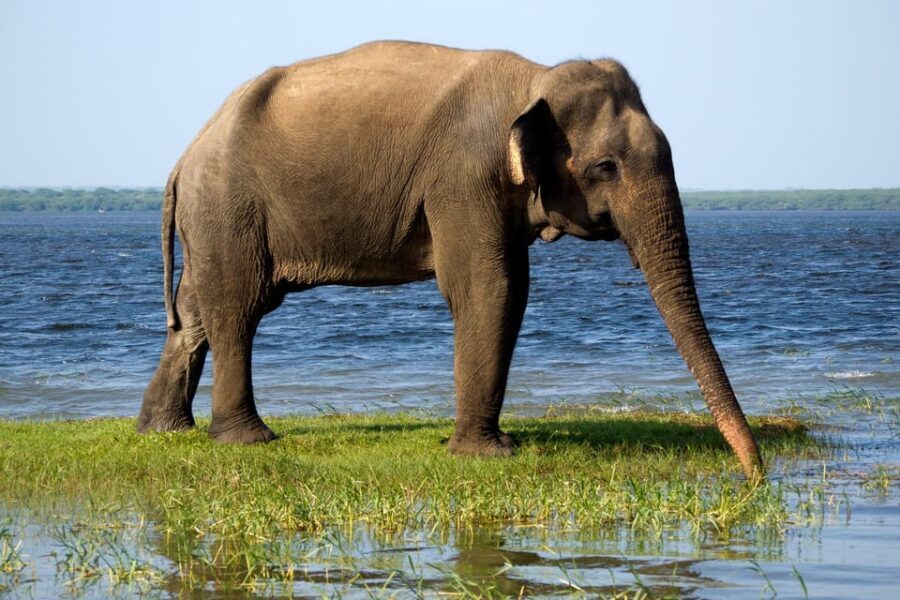
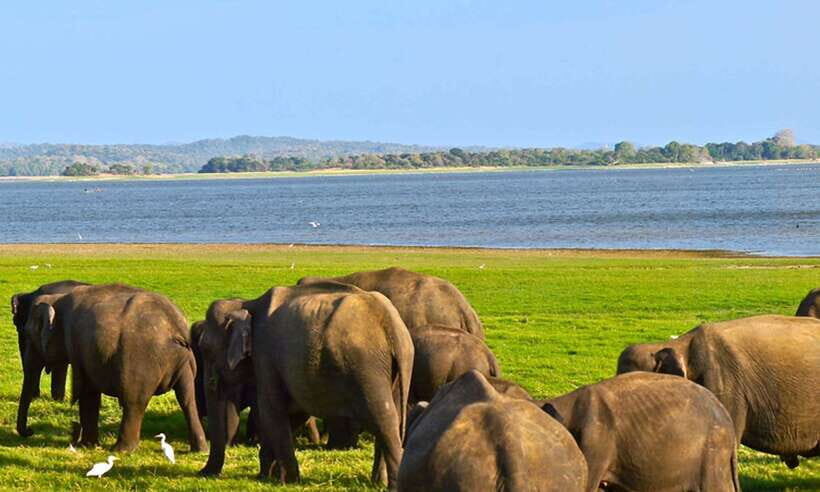
Elephants are the headline. The format here is built around spotting them—herds are expected—so you’re not sitting for hours hoping something happens. You also keep an eye out for other wildlife mentioned in the experience: crocodiles, monkeys, water buffalo, and various endemic bird species.
A few of the guide styles highlighted in real-world use show why the safari can feel like it lasts longer (even if the exact timing varies). Guides such as Pathum, Mahesh, and Sara are praised for getting you to good viewpoints, taking things slowly in front of animals, and answering questions in plain English so you understand what you’re looking at—not just where to look.
There’s also at least one example of a guide pushing for better sightings by changing positions during the drive. If your guide is that active, you’ll likely feel more “in the action” rather than parked and waiting.
Practical note: even with a solid wildlife track record, safari timing can vary. One experience described the safari reserve time feeling closer to 2 hours than 3. So go in expecting 3 hours of safari experience as the plan, but don’t be shocked if the real-world reserve time feels a bit tighter depending on the day’s conditions.
Guide and driver quality: why the names matter
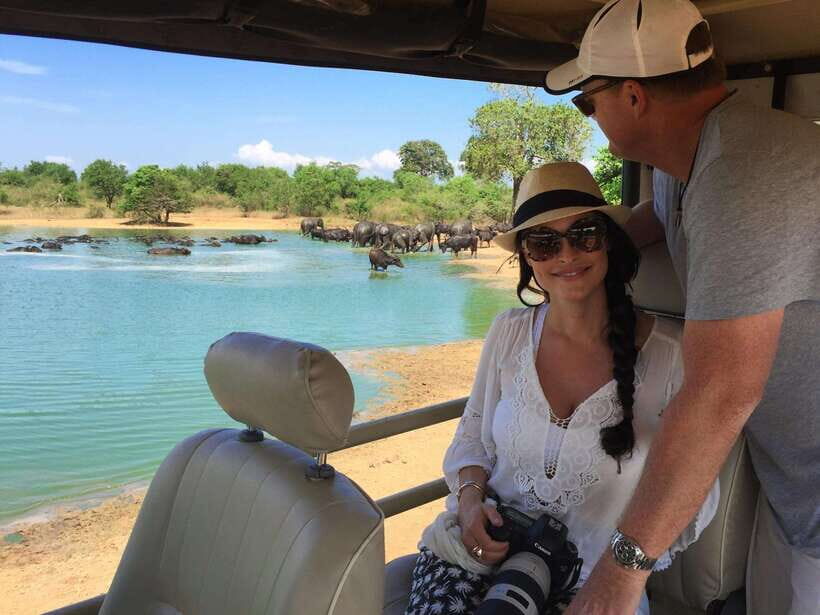
This tour depends heavily on the person driving and guiding you. You’re not in a passive bus-seat situation—you’re in an open Jeep where the driver’s decisions affect your viewing.
The strongest pattern in what you’d want to happen during your safari is simple:
- You arrive at good sighting spots
- The Jeep positions you well
- The guide keeps explanations clear and useful
- The pace doesn’t turn frantic
When guides are performing like that, the safari feels like you’re getting “the best shots” of the day, not just sightseeing by schedule. Mahesh and Pathum are specifically mentioned for steering you toward great views and for sharing observations about the animals and nature. Pathum also stands out in how he’s described as making moves that improve sight lines—getting closer and giving you time to enjoy what you spot.
There’s also praise for drivers who are friendly and attentive, even taking photos of guests from the Jeep. That’s a small thing, but it saves you from constantly juggling your camera while trying to watch something moving in the landscape.
Bottom line: if your driver-guide is confident and calm, your chances of seeing more (and feeling good about what you see) go up fast.
After the safari: switching back to air-conditioning
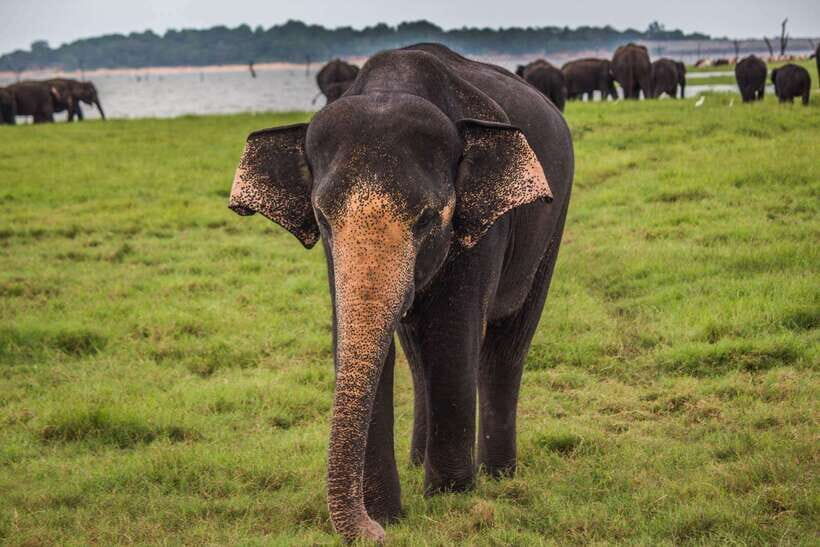
Once the safari portion ends, you switch back into a comfortable air-conditioned car for the transfer to your next base. This is the smart part of doing a one-day transfer like this: you keep the wildlife experience front-and-center, then you recover from the sun and dust with proper vehicle comfort on the drive.
The ride continues to your coastal destination area—Tangalle, Hiriketiya, Talalla, or Matara—so you don’t have to think about finding additional transport or negotiating a new plan.
Because your safari starts either early morning or in the afternoon, the road portion matters. If you do the afternoon option, you’ll likely appreciate having that air-conditioned break before beach time. If you do the morning option, you still get a smoother ride instead of trying to stay comfortable in a hot, open vehicle all day.
Timing and value: is $48 per person actually fair?
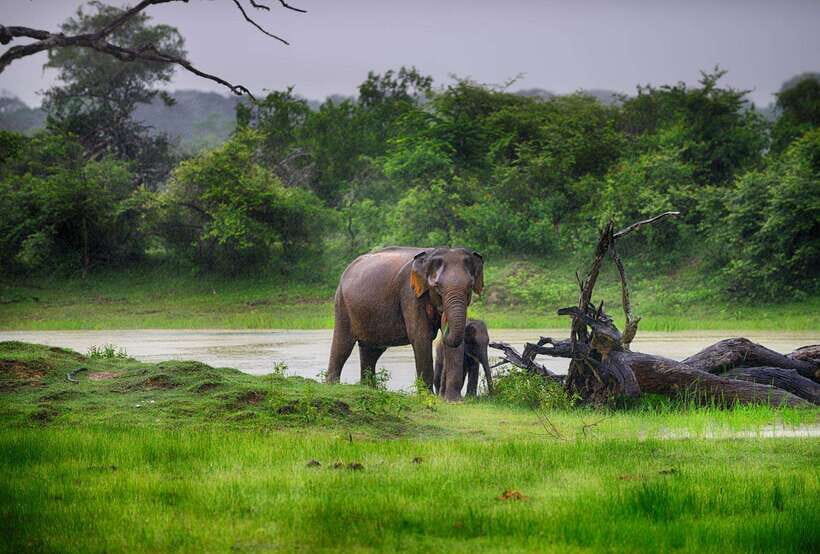
At about $48 per person for a 7-hour day, the value is mostly in what’s bundled. You’re getting:
- Hotel pickup in the Ella area
- The safari Jeep experience in Udawalawe
- Transportation in an air-conditioned vehicle
- Hotel drop-off in the Tangalle/Hiriketiya/Talalla/Matara area
- Highway toll fees covered
- A professional driver/guide
- English as the live guide language
What’s not included is important for budgeting: food and drinks and entrance fees to Udawalawe. Once you add those, you’re no longer “just” paying $48. Still, the structure is usually worth it when you want wildlife plus a real transfer in one block of time.
Here’s the way I’d think about it: if you had to piece this together yourself—getting to Udawalawe, booking a safari, then arranging a coast transfer—you’d spend time and money on coordination. Paying one bundled price for pickup, safari transport, and drop-off is what makes this feel efficient for a day like this.
Also, the safari Jeep is the part that’s hard to replicate. Open-air viewing and a guide who knows where to position the Jeep is the value that tends to disappear when you try to freestyle.
Other Udawalawe safari tours we've reviewed in Ella Sri Lanka
What to pack and how to get the most out of the safari
This is a wildlife day, so your comfort affects your viewing more than you’d think. You’ll want to be ready for sun, dust, and the stop-and-go rhythm of safari drives.
Pack basics like:
- Sun protection and something light for the breeze
- Water for the day (since food and drinks aren’t included)
- A phone/camera strap so you can move safely while looking
- A small layer for early morning or late afternoon
If you’re photo-focused, remember the safari Jeep setup gives you stronger angles than a closed car—so get your camera ready, but don’t forget to look up and enjoy the moment. Guides like Pathum and Mahesh are noted for positioning well and taking their time in front of animals, which makes it easier to get steady shots without forcing it.
And if you’re a wildlife question person, you’ll likely enjoy how guides handle explanations. English-speaking guiding is explicitly part of the experience, and the common theme in the guide praise is that they answer questions and help you understand what you’re seeing.
Price details you shouldn’t miss: entrance fees and the food gap
Two items can change your day budget even if the main price looks simple.
- Udawalawe National Park entrance fees are not included.
So when you plan your spend, assume you’ll pay those separately on the day.
- Food and drinks are not included.
That means you’ll want to either eat on your own after the safari or plan for snacks where possible. This doesn’t ruin the day—it just keeps you from expecting lunch to be part of the package.
If you’re traveling with a flexible appetite, you can usually make this work easily by planning one solid meal in your coastal destination after you arrive.
Should you book the Ella to Udawalawe safari and coastal transfer?
I’d book this if you want three things in one day: an open Jeep safari, a realistic chance of seeing elephants and other wildlife, and an uncomplicated move from Ella to the Tangalle/Hiriketiya/Talalla/Matara area.
You should think twice if:
- You’re strict about total cost and don’t want to add entrance fees on top
- You’re the type who needs a perfectly timed safari length every day (since the safari duration can feel a bit shorter in practice)
- You prefer to travel at your own pace and don’t like being scheduled around pickup and drop-off windows
If your goal is to stop planning and start seeing animals, this is a clean, efficient way to do it—then get yourself to the coast with the day still rolling.
FAQ
Where are you picked up from?
Pickup is included from any location in the Ella area. After the safari, drop-off is in the Tangalle, Hiriketiya, Talalla, or Matara area.
What part of the day is the safari?
The Udawalawe National Park safari is a 3-hour tour.
Is the safari Jeep open-air?
Yes. You switch to an open, safari jeep for the Udawalawe National Park experience.
What wildlife can I expect to see?
The experience mentions herds of elephants for sure, plus potential sightings of crocodiles, monkeys, water buffaloes, and various endemic bird species.
Are park entrance fees included?
No. Entrance fees to Udawalawe National Park are not included in this package.
What language is the guide?
The live tour guide language is English.
Will I be comfortable during the transfer?
Yes. The transfer is in an air-conditioned vehicle. You switch back into it after the 3-hour safari.
Is food or drinks included?
No. Food and drinks are not included.