REVIEW · COLOMBO
Colombo Social and Political Walk
Book on Viator →Operated by Planetwonk · Bookable on Viator
Political power feels different when you see it up close.
This walk uses interactive, documentary-style storytelling to connect Sri Lanka’s big political decisions to real places in Colombo. I like that it doesn’t just list events—it asks you to think about causes and consequences, from the creation of the modern state to what’s happening now. I also like the focus on politics and economics, explained in a way that makes the city feel like a living classroom, not a museum stop. The guide leading the discussion is Chami, and his command of the topic is a big part of why the walk works so well.
One consideration: this experience leans information-heavy and social-political, so it’s best if you genuinely want context for current events. If you’re hoping for a purely sightseeing stroll with minimal talk, you may find the pace mentally demanding—especially with a 5:00 pm start and a 2 hours 30 minutes walking time.
In This Review
- Key highlights at a glance
- A politics-and-economics walk you can actually follow
- Starting at Kingsbury Colombo at 5:00 pm (and why timing matters)
- Colombo Port City: looking at the city’s modern ambitions
- Pettah market: where politics meets daily buying and selling
- Good Market: a second look at trade and supply reality
- Tea Avenue and the Dilmah Building: corporate presence in a tight moment
- World Trade Center: trade, rules, and who benefits
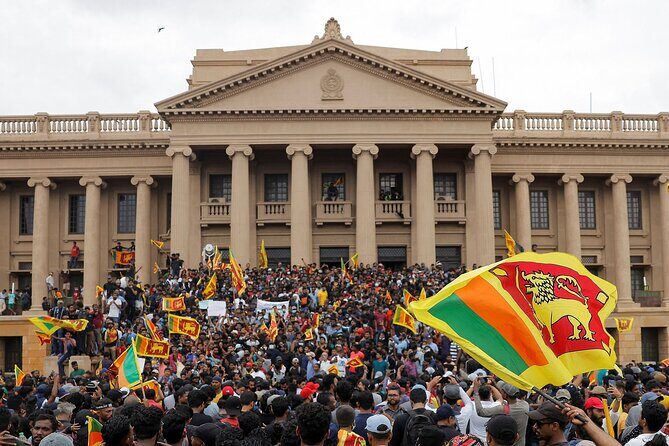
- Old Parliament and Independence Square: how power becomes symbols
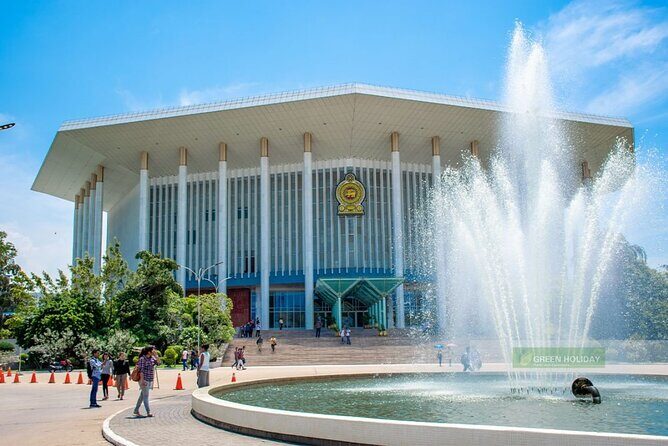
- BMICH on Bauddhaloka Mawatha: the final big-picture takeaway
- Price and value: $35.99 for a compact, high-context route
- Who should book this walk?
- Before you go: the small practical choices that help
- Should you book Colombo Social and Political Walk?
- FAQ
- How long is the Colombo Social and Political Walk?
- How much does it cost?
- Where does the tour start and end?
- What time does the tour start?
- Is a mobile ticket provided?
- How big is the group?
- Do I get confirmation after booking?
- What weather conditions are required?
- What is the cancellation deadline for a full refund?
- If the minimum number of participants isn’t met, what happens?
Key highlights at a glance
- Chami’s informed explanations that connect everyday Colombo scenes to politics and economics
- Documentary-style flow, with answers built as you move between sites
- A non-biased approach designed to help you form your own view of Sri Lanka
- Multiple “power points” in one route: markets, trade spaces, parliament history, and independence symbols
- Small group size (max 25) that keeps the discussion from feeling lost in the crowd
- Mobile ticket convenience for a smooth start
A politics-and-economics walk you can actually follow
Sri Lanka is facing a severe crisis right now, with shortages of essentials like food, fuel, and electricity. That kind of situation isn’t abstract; it shows up in daily business life and in the services people rely on, including healthcare. This walk is built to help you connect those dots without telling you what to think.
What I like is the structure: you move through Colombo while the story keeps pace. It’s meant to feel like an information-heavy documentary, where each new location adds a piece of the puzzle. You’ll hear both historical threads (how the modern state took shape) and current events (the pressures unfolding now), with the goal of giving surprising answers rather than slogans.
And yes, you’ll still be outside and seeing places. The difference is that you’re not just collecting photos—you’re collecting context.
Other Colombo tours we've reviewed in Colombo


Starting at Kingsbury Colombo at 5:00 pm (and why timing matters)
You’ll meet at the Kingsbury Colombo on Janadhipathi Mawatha and finish at BMICH on Bauddhaloka Mawatha. The start time is 5:00 pm, and the tour runs about 2 hours 30 minutes.
That early evening timing matters in a few practical ways. For one, it gives you the kind of light where markets and public spaces look active, not sleepy. It also helps you cover a compact route without turning it into a full-day commitment. Finally, because the experience requires good weather, the schedule gives you a fair chance of finishing before conditions worsen.
Bring patience if you’re sensitive to crowds. The route includes major public areas, and Colombo is a city where people and commerce overlap.
Colombo Port City: looking at the city’s modern ambitions
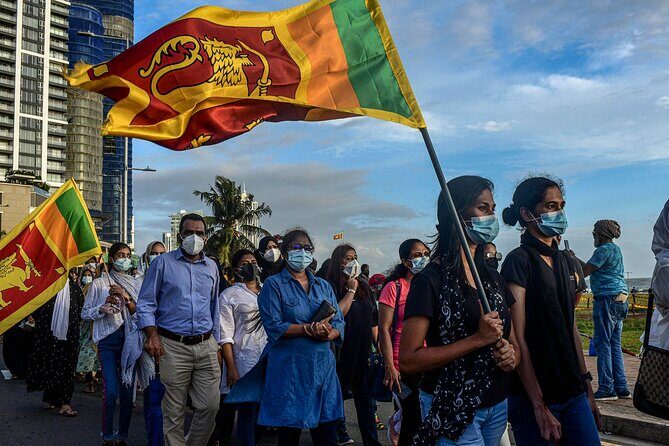
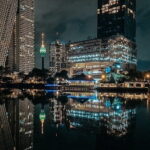
The walk begins by putting you at Colombo Port City, a starting point that frames the bigger theme: economic direction and how development shapes politics. Even if you don’t know the details going in, the location name alone signals what this portion is doing—it’s about trade-linked growth and the decisions that come with it.
In this part of the walk, the value is the way the story ties economics to governance. You’re not studying numbers in a spreadsheet. You’re hearing how policy choices can show up as new infrastructure and new opportunities, then asking what happens when resources tighten.
Possible drawback here: if you prefer history in a purely chronological way, you might find the storytelling jumps between current pressures and earlier state-building. The format is intentional, but it can feel more like a guided argument than a timeline.
Pettah market: where politics meets daily buying and selling
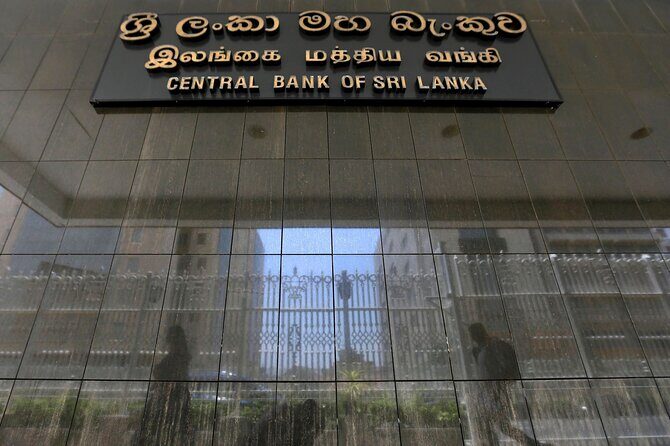
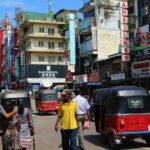
Next up is Pettah market, one of Colombo’s most recognizable places for commerce. Markets like this are where you can feel economic stress without any official announcements—prices, availability, and movement patterns are all signals.
This is a smart stop for people who want “first-hand research” style learning. You’re seeing how ordinary life relates to bigger forces. When the walk discusses shortages and disruptions (food, fuel, electricity), the market becomes a natural reference point for what those shortages can mean in practice.
A practical note: market areas tend to be busy and noisy. Wear something comfortable for walking and expect your senses to work overtime. If you’re coming straight from a long day of sightseeing, build in a little mental reset time before the 5:00 pm start.
Good Market: a second look at trade and supply reality
The route also includes Good market, which gives you a second commercial viewpoint rather than repeating the same “market lesson” twice. The benefit is comparison: you can listen to the political and economic explanation, then look around and see how trade works across different parts of the city.
I like this stop because it keeps the discussion grounded. A politics lecture can turn abstract fast. Two market stops in one walk make it harder for the conversation to drift away from what’s happening on the ground.
Again, the limitation is energy. If you don’t enjoy people-watching and conversation in public spaces, markets may feel like sensory overload. If you do like real-world texture, this is where the walk earns its keep.
Other walking tours we've reviewed in Colombo
Tea Avenue and the Dilmah Building: corporate presence in a tight moment
Then you’ll head to Tea avenue – Dilmah Building. This stop is a different angle on the same theme: economics isn’t only government and crisis management. It’s also brands, companies, and the structures that shape employment and trade.
What’s useful here is the question the story keeps returning to: when a country is under strain, how do public narratives and private-sector roles interact? You’re not being asked to take a side; you’re encouraged to understand the relationships.
Possible consideration: this is more “thinking” territory than “photo stop” territory. If you’re hoping for classic landmark wow-factor, you might want to mentally switch modes here from sightseeing to meaning-making.
World Trade Center: trade, rules, and who benefits
The walk moves on to the World Trade Center, a name that immediately connects to the global side of economics. Even without technical detail, the location helps you connect local policy to international systems—trade routes, investor confidence, import/export realities, and the rules that govern commercial life.
This is a good point in the walk for anyone who likes cause-and-effect. You’ll likely feel the story narrowing toward practical questions: who gains when the economy is structured a certain way, and what happens when stability gets shaky?
The drawback: if you’re expecting a lot of physical site time at every stop, you may feel the explanation-heavy approach takes priority. That’s the tradeoff with this particular style—it’s designed as an interactive story first.
Old Parliament and Independence Square: how power becomes symbols
Two stops make a strong political arc: Old Parliament and Independence Square.
- Old Parliament gives you a chance to think about governance as something built over time—who holds authority, how institutions evolve, and how past decisions echo into today.
- Independence Square adds the symbolic layer: national identity, political legitimacy, and public space as a stage for political meaning.
I like pairing these because it prevents the story from staying in the abstract. You’re walking between institutional power and national symbolism. That makes it easier to understand why political narratives last even when economic conditions change.
One practical note: you’ll want to be mentally ready for heavier discussion topics. The walk is designed to address both historical and current events, and that can include difficult context about the present crisis.
BMICH on Bauddhaloka Mawatha: the final big-picture takeaway
The tour finishes at BMICH (Bandaranaike Memorial International Conference Hall). Ending at a conference-style venue works well with the walk’s goal: it’s a natural place to wrap the story into “what does this mean” thinking.
This is where you’re likely to feel the difference between memorizing facts and understanding systems. The walk is meant to help you build your own view of Sri Lanka by seeing the city with a political lens—and by learning enough context to ask better questions afterward.
If you’re the kind of person who likes to process information slowly, allow a little decompression time after the tour. You’ll probably want a moment to connect what you heard to what you saw.
Price and value: $35.99 for a compact, high-context route
At $35.99 per person for about 2 hours 30 minutes, this isn’t a “cheap coffee-and-casual stroll” type of tour. The value comes from what you’re buying: an organized, documentary-style narrative that connects Sri Lanka’s political and economic realities to multiple central locations.
You’re also getting a small group cap—max 25—which matters for a discussion-based format. If you’re paying for more than scenery, group size and explanation quality are part of the real cost equation.
One more thing: it’s mobile ticket. That reduces friction right before you start, so you can focus on the experience instead of coordinating paper.
My take: if politics and economics are your travel interests, this price looks fair for a focused 2.5-hour walk. If you only want highlights and photos, you might feel the cost more.
Who should book this walk?
This is a good match for you if:
- You’re curious about Sri Lanka’s current crisis and want context (not just headlines).
- You enjoy street-level learning that connects history to today.
- You like structured explanations and a guide who can keep the story moving.
It may not fit as well if:
- You prefer lighter sightseeing with minimal talk.
- You want a mostly silent stroll.
Since the experience says most people can participate, it’s likely fine for a wide range of walkers—just remember it’s still a city walk with public spaces, not a bench-and-browse tour.
Before you go: the small practical choices that help
Because the tour requires good weather, check conditions for the afternoon. If weather turns bad, the operator may offer a different date or a full refund.
Also, plan around the start time. With a 5:00 pm meeting, make sure you’re not rushing from a late museum visit or a long drive. Colombo at evening can be lively, and being calm when you arrive makes the rest of the walk easier.
Finally, keep expectations straight. This is an interactive storytelling walk aimed at politics and economics. The sights are real, but the story is the product.
Should you book Colombo Social and Political Walk?
Yes, if you want Colombo with context. I’d book it if you’re comfortable with an information-forward style and you care about understanding how social and political choices connect to economic reality—especially during a crisis.
Skip it if you want only classic landmark hopping or a low-effort experience. The route includes markets and major public sites, and the tour prioritizes explanation over quiet wandering.
If you’re on the fence, choose based on this single question: do you want to leave with a clearer framework for interpreting Sri Lanka? If the answer is yes, this one is built for you.
FAQ
How long is the Colombo Social and Political Walk?
The tour is approximately 2 hours 30 minutes.
How much does it cost?
It costs $35.99 per person.
Where does the tour start and end?
It starts at the Kingsbury Colombo, 48 Janadhipathi Mawatha, Colombo, Sri Lanka, and ends at BMICH, Bauddhaloka Mawatha, Colombo 00700, Sri Lanka.
What time does the tour start?
The start time is 5:00 pm.
Is a mobile ticket provided?
Yes, this experience includes a mobile ticket.
How big is the group?
The tour has a maximum of 25 travelers (group size cap).
Do I get confirmation after booking?
Confirmation is received at the time of booking.
What weather conditions are required?
The experience requires good weather. If it’s canceled due to poor weather, you’ll be offered a different date or a full refund.
What is the cancellation deadline for a full refund?
You can cancel up to 24 hours in advance for a full refund. If you cancel less than 24 hours before the start time, the amount paid is not refunded.
If the minimum number of participants isn’t met, what happens?
If the experience is canceled because the minimum isn’t met, you’ll be offered a different date/experience or a full refund.