REVIEW · HAMBANTOTA
Lunugamvehera National Park Safari ( Yala Block V / VI )
Book on GetYourGuide →Operated by Tiger Safaris · Bookable on GetYourGuide
A leopard safari can feel like a gamble. This one turns that gamble into a plan, with English-guided wildlife searching in Yala Block V/VI and a proper 4×4 ride that keeps you comfortable while you wait for the good signs. I like that the focus stays practical: leopards, elephants, deer, birds, and the full web of life that comes with Yala’s ecosystem.
Two things I especially like are the small jeeps (max 6 passengers) and the guiding style. When the animals don’t pop out immediately, a strong guide helps you read tracks, movement, and likely sighting spots—one guide named Hasi is specifically praised for spotting the signs and knowing when to pause quietly. One drawback to keep in mind: in Block V/VI, you may find leopards harder to pin down, and birds can feel less frequent than in other parts of Yala.
In This Review
- Key Things You’ll Notice on This Lunugamvehera/Yala Block V-VI Safari
- Why Yala Block V-VI Often Feels Smarter Than “Just Going to Yala”
- Getting There: Pickup Options and What the Jeep Comfort Means
- The Park Time: How 4 Hours Plays Out in Real Wildlife Terms
- Wildlife Expectations: Leopards, Elephants, Deer, Bears, and Birds
- Photography and the “Wait for the Moment” Mindset
- Price and Value: What $33 Gets You (and What Costs Extra)
- What’s Included in the Experience (So You Can Pack Smart)
- Who This Safari Suits Best
- Should You Book This Lunugamvehera/Yala Block V-VI Safari?
- FAQ
- What pickup locations are available?
- How long is the safari?
- Is hotel pickup and drop-off included?
- Are national park entry tickets included in the price?
- What vehicle will I ride in and how many people are in a jeep?
- Is there an English guide and audio guide?
- Can I take photos during the safari?
- Are there any restrictions on alcohol or drugs?
- Is this tour suitable for pregnant women?
- Is there free cancellation and a pay-later option?
Key Things You’ll Notice on This Lunugamvehera/Yala Block V-VI Safari
- Block V/VI focus means you’re exploring the park in a way that can feel less hectic than the most visited areas
- Small-group 4×4 jeeps (up to 6) make it easier to see, hear the guide, and take photos
- Guide-led leopard searching with patience is the main tactic when sightings are elusive
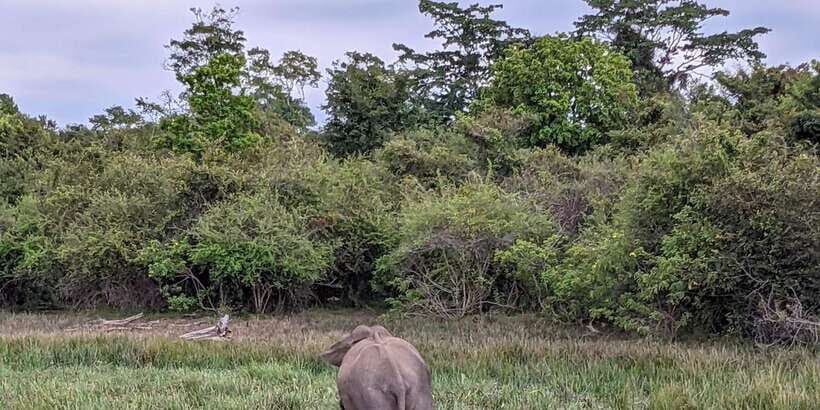
- More deer and buffalo may be on the menu in this block, with elephants sometimes seen on the road out
- Birdlife you might catch includes kingfishers, herons, and sea eagles, but it won’t be guaranteed
- 4 hours in the park gives you real time instead of a quick drive-by
Why Yala Block V-VI Often Feels Smarter Than “Just Going to Yala”
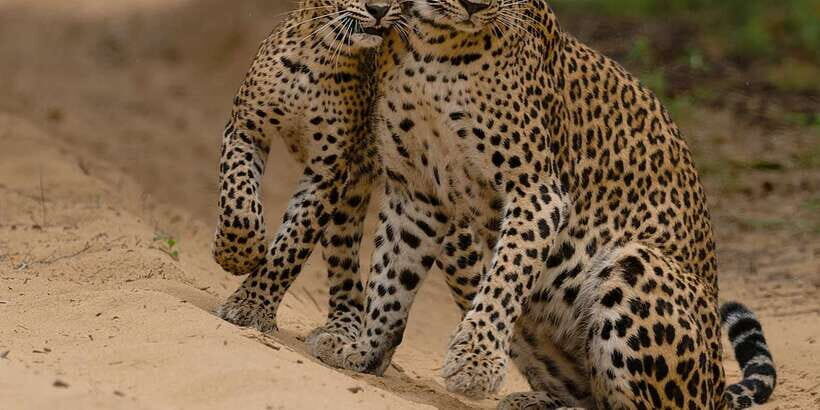
If you’re aiming for leopards, you need two things: patience and a strategy. Yala Block V/VI is set up for that. The big idea here is that you’re not just driving around. You’re entering a wildlife zone where the guide’s job is to track activity and position the jeep where animals are most likely to reappear.
This block can also be a nice change of pace if you’ve heard about crowded parts of Yala. With fewer people pressed into the same moments, you can often settle into a slower rhythm: scan, listen, check wind direction (as best as you can), and wait. The goal is simple: don’t force an outcome—let the park show you what it’s offering.
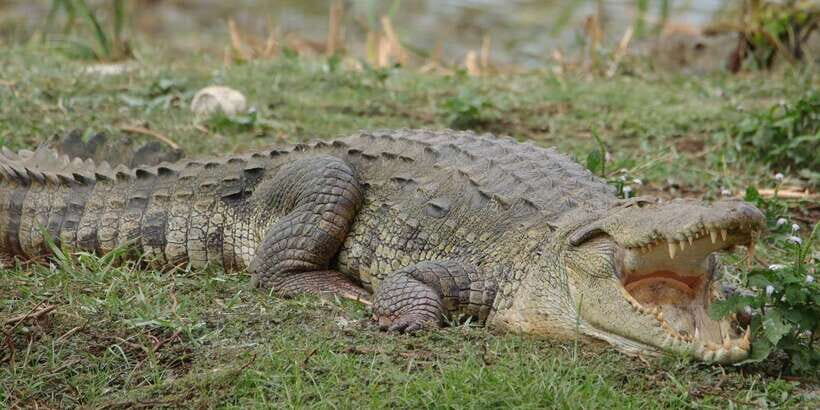
One more reality check: Block V/VI can be less about constant action and more about cycles of quiet. A good day might still mean long minutes without a leopard in sight. You might get more sightings of deer and buffalo, and fewer birds than you’d expect. Still, when the park does deliver—especially with leopards, elephants, or surprising reptiles—it can feel worth every pause.
Other Yala safari tours we've reviewed in Hambantota

Getting There: Pickup Options and What the Jeep Comfort Means
This safari starts by picking you up from the Kotapola area with three pickup choices: Thanamalwila, Kataragama, or Tissamaharama. That’s helpful because it lets you match the tour to where you’re already staying instead of backtracking across the region.
Once you’re loaded into a 4×4 safari jeep (max 6 passengers), the ride is part of the experience. You’re in a vehicle built for rough tracks, and the smaller group size matters. With fewer people, everyone usually gets a better sightline, and the guide can talk without repeating themselves over and over.
Typical timing runs like this: you’ll have about 1 hour of transfer to the park area, then around 4 hours of sightseeing inside the park, and roughly 1 hour back. The overall tour time can show as 5 to 12 hours depending on available starting times—so before you commit, check what time slot fits your day and energy level.
If you’re the type who hates “dead time,” this is still worth it, because the safari time inside the park is what you’re paying for. The transfers are necessary, but the value is in the hours where you’re actually searching for wildlife.
The Park Time: How 4 Hours Plays Out in Real Wildlife Terms
That 4-hour block inside the park is where you feel the difference between a quick sightseeing loop and a real safari. In that window, you’re not just hoping for a single sighting. You’re giving the guide enough time to work the best areas, reposition when the signs change, and—this is key—wait for animals to move again.
Here’s what that usually looks like:
- You start with scanning and sign-reading: where animals have been moving, where they might cross next, and which spots look productive.
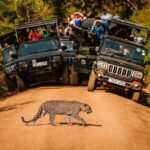
- If the day is slow for the big cats, the guide may encourage quiet waiting. That patience can pay off because leopards can appear briefly and then vanish again.
- As conditions shift, you may change your viewing position, especially if a scent trail, call, or movement suggests something is close.
A real tip for this kind of safari: when the guide says to pause, try to keep your breathing calm and your camera ready but steady. It’s not about being fancy—it’s about staying still long enough for wildlife to feel comfortable enough to reappear.
In Block V/VI, I’d also expect a pattern where some animals are more predictable than others. Deer and buffalo can be frequent. Big cats can be more random. That doesn’t mean it’s a bad safari—it just means you’ll get the best results by playing the game the way the park demands.
Wildlife Expectations: Leopards, Elephants, Deer, Bears, and Birds
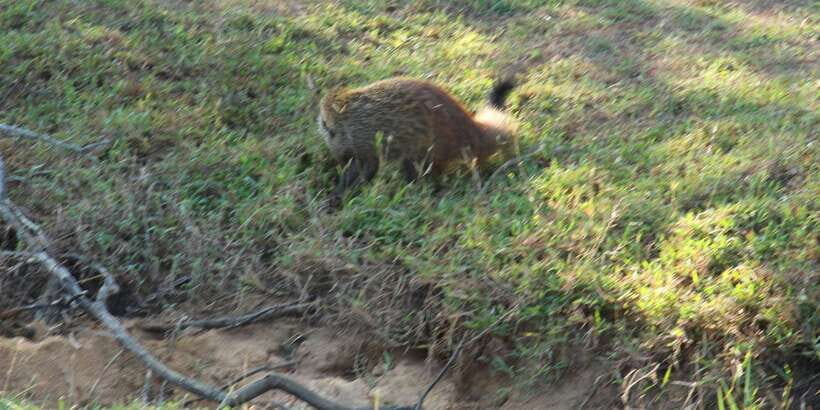
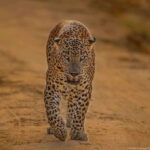
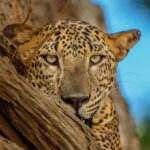
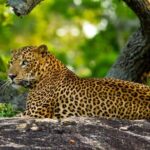
Let’s talk straight about the target animals: leopards and wildlife. Yala is known for a high density of leopards, and that’s the reason people come. But leopard safaris still follow the laws of probability and behavior. You can have an amazing day without seeing a leopard clearly—and you can also have a short, intense sighting that sticks in your memory for years.
What you can reasonably hope to see in this block:
- Leopards: sometimes elusive, but the guide will work hard to find signs and likely spots
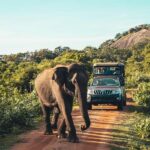
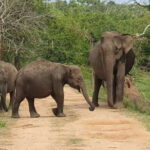
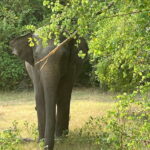
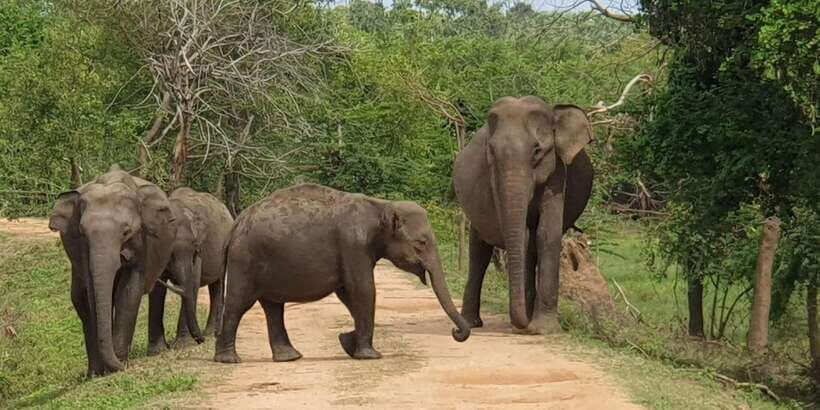
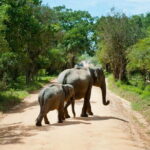
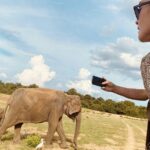
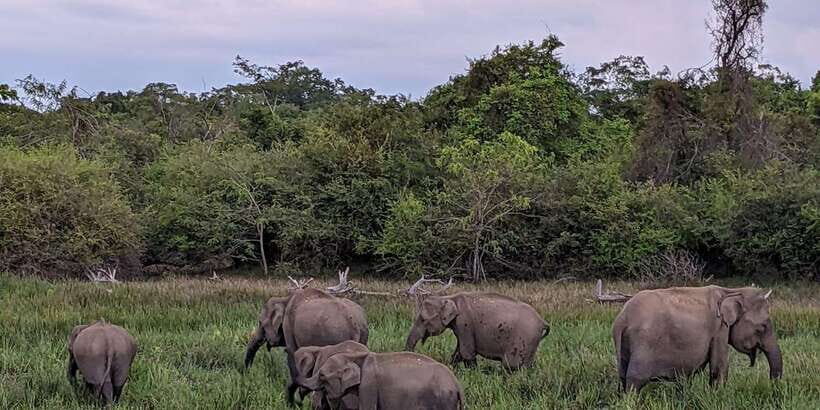
- Elephants: often show up around paths and roadside areas, and you may even see them on the way out of the park
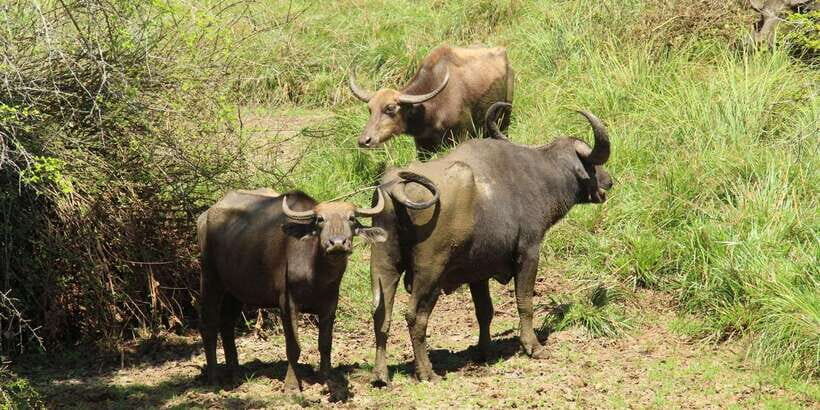
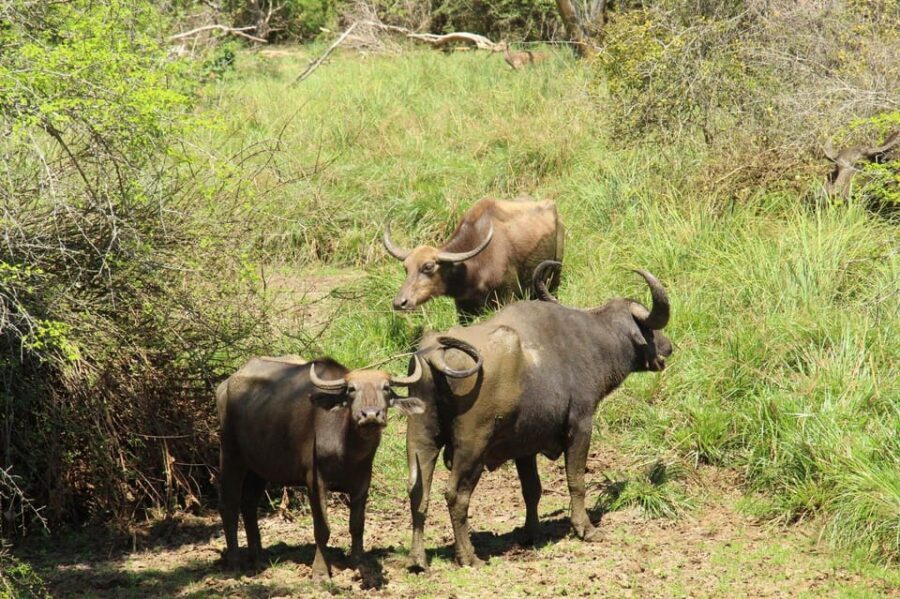
- Deer and buffalo: commonly sighted in this kind of terrain and wildlife mix
- Bears: the safari description includes bears as part of the broader wildlife target
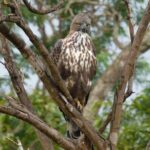
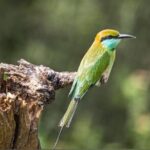
- Birds: you might catch kingfishers, herons, and magnificent sea eagles, though birds may feel fewer than in other sections
One important nuance: if you’re hoping for constant birding action, be prepared for an experience that’s more mammal-focused. That’s not a deal-breaker. It just changes what you’ll notice most. In practice, you might spend long stretches scanning for movement across the brush, then suddenly get a visual moment with birds perched nearby.
And elephants are worth a special mention. The elephant sightings can be the kind where they approach curiously. If your jeep is parked at a safe distance and the guide manages the timing, you’ll get a close look without needing to chase anything.
Photography and the “Wait for the Moment” Mindset
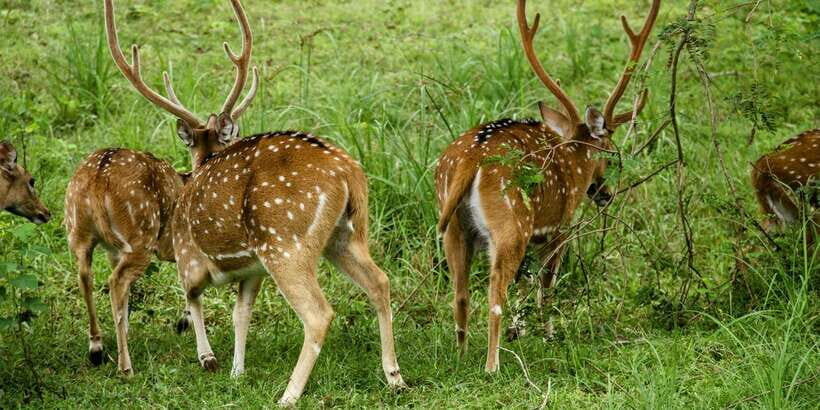
The safari includes the chance to take pictures of the wildlife during the drive and park time. The best photos usually come from two things: good light and good timing. Since wildlife doesn’t schedule itself, your real advantage is being ready when the guide says something is happening.
A camera tip that helps on these safaris: use burst mode if you have it, but only when the animal is actually moving or turning. If you fire too much while the jeep is still, you’ll run out of patience and battery faster than your keeper lens can save the day. The goal is to be calm and ready.
The other big photography factor is the human one. A strong guide—again, Hasi is praised for this kind of work—can help you understand where the animal might be, not just where it was. That means you’re not randomly stopping. You’re often waiting in the right place, then quietly letting the leopard or other wildlife decide to show up.
Quiet waiting is underrated. On a leopard-focused safari, it can be the difference between a leopard that vanishes again and one that reappears long enough to get your shot.
A few more Hambantota tours and experiences worth a look
Price and Value: What $33 Gets You (and What Costs Extra)
At $33 per person, this safari can be a good value for what you’re getting: hotel pickup and drop-off, a 4×4 safari jeep, and an experienced driver/guide with English live guidance plus an English audio guide. You’re also paying for the small-group setup (up to 6 per jeep), which usually makes the experience more comfortable and easier to manage.
But there’s one big note: the national park entry tickets are not included. The fee listed is Rs 13000 per person. That addition can swing the total cost a lot depending on your group size and the exchange rate. Plan to budget for both the safari price and the park entry.
Food and drinks are also not included, so you should think about whether you want to eat before you go or bring a simple plan for hydration. Since you’ll be gone for a chunk of the day, it’s smart to bring water.
The best “value test” is this: if you want a leopard chance with structured searching and small-vehicle comfort, this hits the mark. If you only want guaranteed leopard sightings, no safari can promise that.
What’s Included in the Experience (So You Can Pack Smart)
Here’s what you’re covered for:
- Hotel pickup and drop-off
- 4×4 safari jeep (max 6 passengers)
- Experienced guide and driver/guide service
- English live tour guide and English audio guide
- The safari includes time inside Lunugamvehera National Park for sightseeing during the Yala Block V/VI experience
And what to plan for yourself:
- National park entry tickets (Rs 13000 PP)
- Food and drinks
A small comfort detail that matters: the jeep setup is described as spacious and geared for luxury and comfort. In practice, that means you’ll likely feel less cramped while you spend hours scanning for wildlife.
One more policy item: alcohol and drugs are not allowed. Also, this tour is not suitable for pregnant women.
Who This Safari Suits Best
This safari makes the most sense if:
- You want a leopard-focused outing but you’re okay with the reality that leopards can be elusive
- You prefer small groups over crowded safari chaos
- You’d rather spend time waiting for signs than constantly moving for no reason
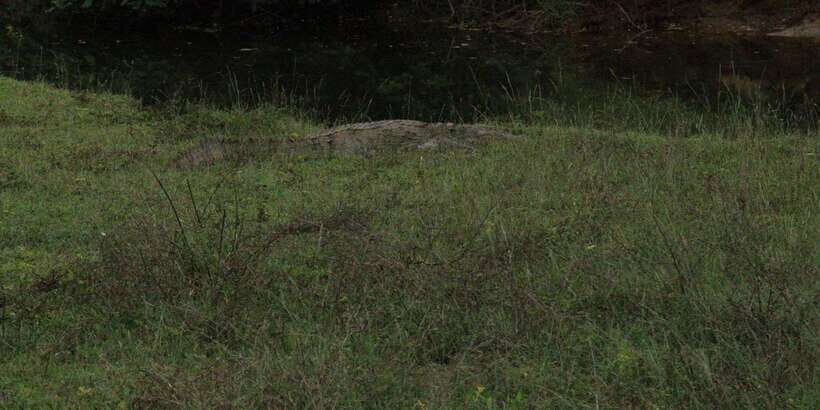
- You like wildlife in general: mammals, reptiles you might spot at the right moment, and birds when they appear
If you’re coming primarily for birds, manage expectations. Birds can show up—like kingfishers, herons, and sea eagles—but the day can still feel more mammal-driven, with lots of deer and buffalo attention.
If you’re traveling as a bigger group, there’s a useful detail: for bookings of 6 passengers or more, you can enjoy a private tour in the safari jeeps. That can be great for families or friends who want more control over the pace and questions for the guide.
Should You Book This Lunugamvehera/Yala Block V-VI Safari?
I think it’s worth booking if your priority is a real safari experience with structured guiding, comfortable 4×4 transport, and a good chance at leopard sightings in Yala’s Block V/VI area. The small jeep size is a practical quality-of-life upgrade, and the guide-led waiting approach is exactly what you want for elusive wildlife.
I would hesitate only if you:
- Need guaranteed leopard sightings (nobody can promise that)
- Are extremely bird-focused and will be disappointed by fewer bird sightings
- Don’t want to pay the extra park entry ticket on top of the base safari price
If you’re flexible and you like wildlife enough to accept a slower rhythm, you’re set up for a memorable day—especially if you get a guide who’s good at reading signs and knows when to hold still.
FAQ
What pickup locations are available?
Pickup is available from Thanamalwila, Kataragama, and Tissamaharama.
How long is the safari?
The duration is listed as 5 to 12 hours, with typical structure including transfer time and about 4 hours of sightseeing inside the park.
Is hotel pickup and drop-off included?
Yes, hotel pickup and drop-off are included.
Are national park entry tickets included in the price?
No. National park entry tickets are not included, and the listed fee is Rs 13000 per person.
What vehicle will I ride in and how many people are in a jeep?
You ride in a 4×4 safari jeep with a maximum of 6 passengers per jeep.
Is there an English guide and audio guide?
Yes. There is a live tour guide in English and an English audio guide included.
Can I take photos during the safari?
Yes, you can take pictures of the wildlife during the safari.
Are there any restrictions on alcohol or drugs?
Alcohol and drugs are not allowed.
Is this tour suitable for pregnant women?
No, it is not suitable for pregnant women.
Is there free cancellation and a pay-later option?
Yes. You can cancel up to 24 hours in advance for a full refund, and you can reserve now and pay later.