REVIEW · HAMBANTOTA
Udawalawe Safari Adventure
Book on Viator →Operated by Pigeon Island Tours · Bookable on Viator
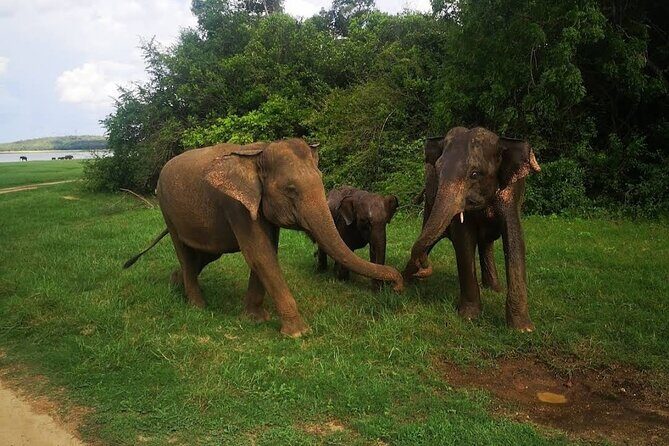
Elephants first, questions later. This short safari in Udawalawe National Park puts you out on the move through grasslands and forest edges, where your guide helps you spot elephants and other wildlife like water buffalo, monkeys, peacocks, lizards, birds, and even crocodile sightings. I really like the focused 3-hour format, which makes it easier to fit into a day in the Hambantota area without feeling like you’ve lost the whole morning. I also like the people factor: guides such as Lahiru Prasad get praised for clear explanations and lots of on-the-spot answering, so your sightings feel more like understanding the park than just passing it by.
One key drawback to plan for: the park entrance fee isn’t included. The tour price is listed at $18, but Udawalawe’s entrance is $39 per person (and $19 for children ages 6–11), so your total cost lands noticeably higher once you add that in and budget a small amount for gratuities.
In This Review
- Quick Takeaways
- Udawalawe National Park: what you’re hunting for in a short safari
- Price and logistics: how to think about the $18 tour fee vs park entrance
- The jeep ride at the Udawalawe entrance: timing, group size, and spotting chances
- What you can realistically see: elephants, birds, buffalo, and surprise moments
- Guide matters: how Lahiru Prasad’s style improves the whole safari
- Practical tips for a smoother Udawalawe safari in Hambantota area
- Should you book the Udawalawe Safari Adventure?
- FAQ
- How long is the Udawalawe safari adventure?
- Where does the tour start and end?
- What is included in the tour price?
- Is the Udawalawe National Park entrance fee included?
- Is bottled water included?
- What is the maximum group size?
Quick Takeaways
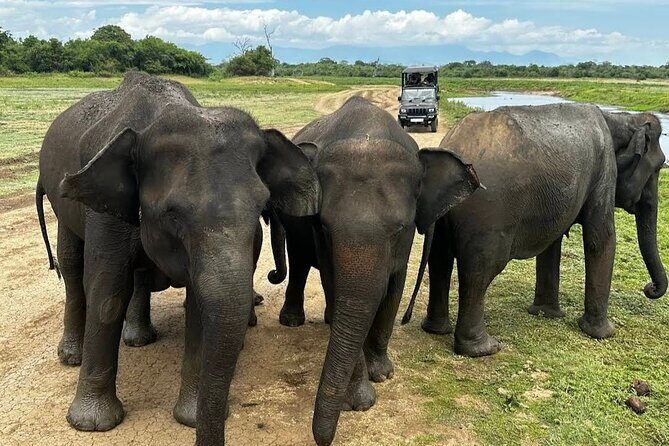
- Elephants are the main event: you’re driving the areas where herds are commonly seen, often in or near water.
- A guide who explains helps a lot: Lahiru Prasad is repeatedly named for strong English (and even Spanish) and practical wildlife knowledge.
- Short safari, real time outside: about 3 hours on safari, with some trips running closer to 4 if conditions and sightings take time.
- Shared-ride reality: maximum group size is 36, so this is usually not a quiet private outing.
- Budget for the entrance ticket: the tour is affordable, but Udawalawe entrance fees make the final number bigger.
- Bring your own comfort items: bottled water isn’t included, and you might be out in rain at times—light layers help.
Udawalawe National Park: what you’re hunting for in a short safari
Udawalawe is one of those Sri Lankan parks where wildlife feels close because the terrain funnels animals into sight lines. Your jeep ride is built around open grasslands and forest areas, so you’re not stuck driving past only one kind of scenery. The goal is simple: find animals, then find the next animal while the light is still good and the herd is still moving.
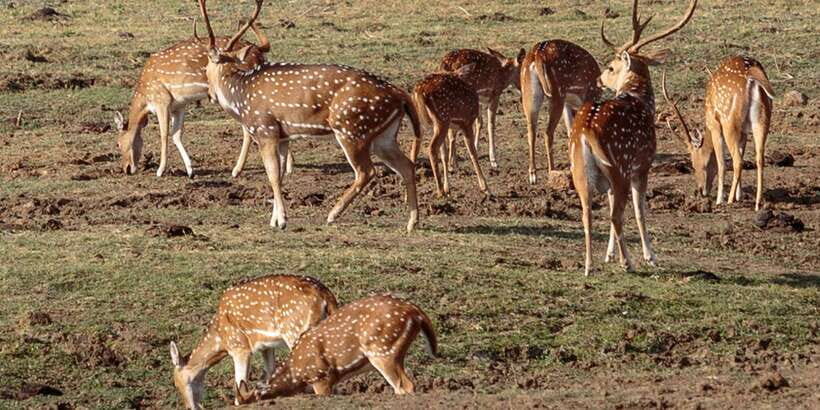
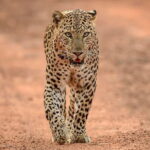
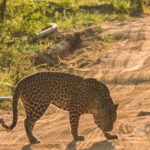
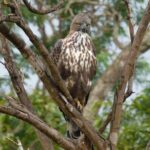
In real terms, this is a safari where elephants are the headline, but they’re not the only act. Expect chances for water buffalo, monkeys, and lots of birds. Based on the guide’s follow-through and how sightings can stack up, you might also catch reptiles like lizards, and occasionally something more dramatic like a crocodile. If you’re a photographer, the best payoff is when your guide times the ride so you’re not just seeing animals far away—you’re getting enough time to look carefully and take photos.
The other thing I like about this setup is pacing. Three hours is not a full-day commitment, but it’s long enough for a proper search loop, not just a quick “drive-by.” It’s a solid choice if you’re trying to balance safari time with beach time, temples, or driving around southern Sri Lanka.
Other Udawalawe safari tours we've reviewed in Hambantota
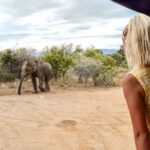
Price and logistics: how to think about the $18 tour fee vs park entrance
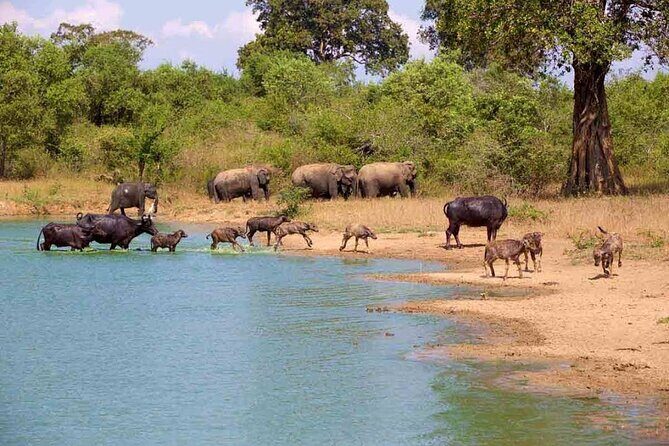
On paper, the tour is $18 per person. That sounds like a deal until you look at the rest of the math. Udawalawe’s entrance ticket is listed separately: $39 per adult and $19 for children ages 6–11. Gratuities are also listed as not included ($3 per person), and bottled water isn’t included either.
So what do you do with that information? You plan your budget like a local: treat the $18 as the safari service cost (guide + jeep ride + included transfers within 5 km), then add the park fee on top. For many people, the entrance ticket is the main cost driver, not the safari itself.
Good news: the tour includes some helpful practical perks. You get an experienced safari jeep driver who acts as your guide, and there’s a free hotel transfer within 5 km of the park entrance. If your accommodation is close, that reduces friction and makes the meeting point less stressful. You also get a mobile ticket, so you’re not juggling paper receipts at the gate.
The jeep ride at the Udawalawe entrance: timing, group size, and spotting chances
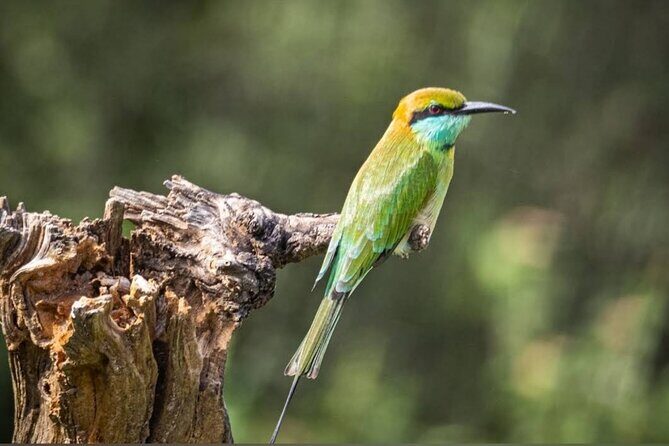
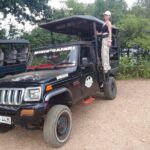
Your activity starts and ends at the Udawalawe National Park Entrance. That matters because it’s clear where you’ll be at the start, and it keeps the day tight. The tour also notes a maximum of 36 travelers, which tells you this is likely organized as a shared safari setup. In a group this size, the jeep schedule and driving pattern matter, because you want the driver to keep the car moving without rushing past animals.
A useful insight from the experience style here: the best sightings often depend on being ready early and giving your driver room to work. Several guides get praised for arriving promptly and getting into the park early, which can help when herds are active or when animals gather around water. Even if you’re not chasing perfect timing, early access generally improves your odds of seeing animals calmly—rather than only seeing them once they’ve already been spooked.
Duration is listed at about 3 hours, but the real world can stretch when wildlife is cooperating. If conditions are good and the herd is moving predictably, you’ll likely cover enough ground to feel the hunt. If it’s slower, the guide may spend more time at promising spots. Either way, the important thing is that you’re in the jeep with an active guide rather than wandering.
What you can realistically see: elephants, birds, buffalo, and surprise moments
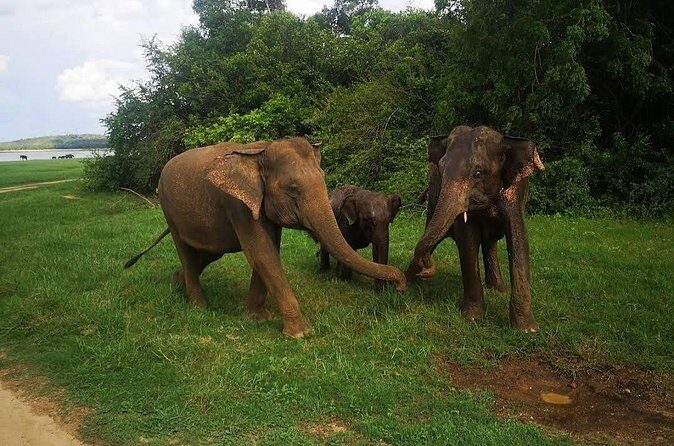
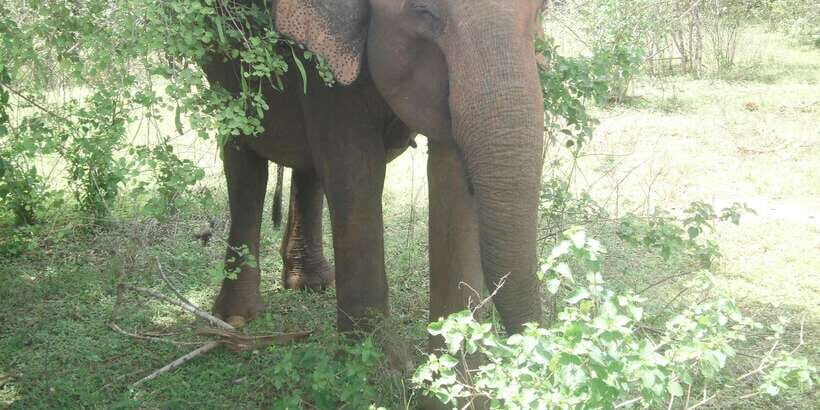
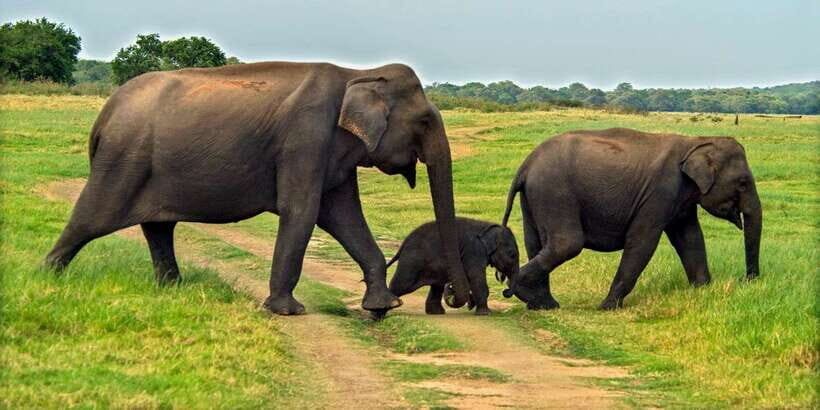
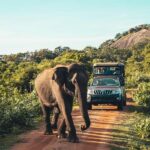
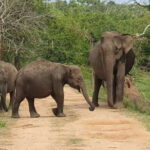
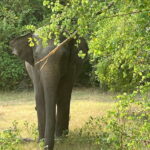
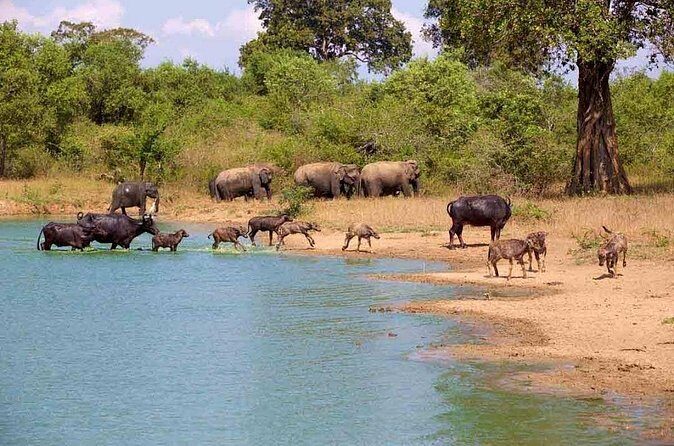
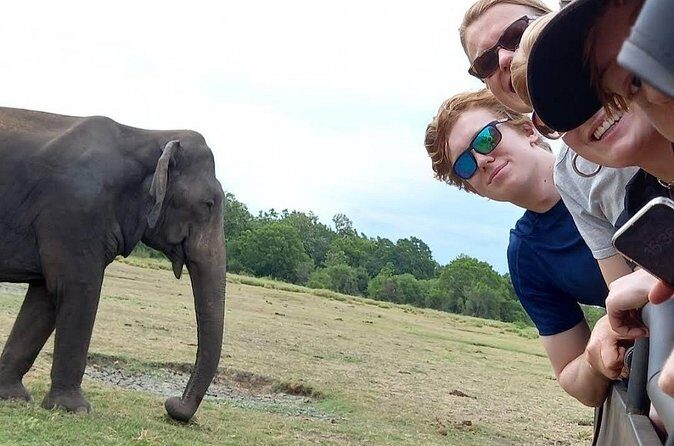
Udawalawe’s reputation isn’t just marketing. Elephant herds are a central reason people book, and the park’s habitat supports repeated elephant encounters. The strongest moments tend to happen when the jeep finds groups in areas with water or open feeding grounds. You might also see baby elephants depending on where the herd is and how it’s moving that day.
But the best safari days aren’t only about one animal. This tour’s wildlife list gives you a good idea of what to keep your eyes open for:
- Water buffalo roaming near feeding areas
- Monkeys that can pop up quickly near certain pockets of vegetation
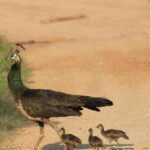
- Peacocks and many bird species, which can turn a “nothing so far” drive into a rewarding one
- Lizards and other smaller wildlife that your guide will often point out
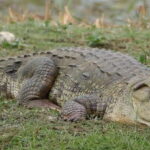
- Occasionally crocodiles, which are the kind of sight that makes people actually stop talking
For photography, here’s the practical mindset I’d use: focus on short bursts rather than trying to shoot everything at once. When your guide spots something, take a minute to watch first, then frame for the angle and distance you actually have. A good guide will also help you understand what you’re looking at, not just where to aim your camera.
If it’s raining, don’t panic. One of the most memorable moments people describe is still seeing elephants in the water even when the weather was wet. Rain can change visibility, but it can also keep animals moving and create dramatic viewing conditions. Bring a light rain layer and be ready for water on the ground and in the air.
Guide matters: how Lahiru Prasad’s style improves the whole safari
The biggest repeated pattern is how much the guide affects the value of the safari. Lahiru Prasad comes up again and again for being prepared, gentle, and unusually responsive to questions. That’s not a small detail. On a safari, you’re moving through a park where the difference between a good sighting and a great one often comes down to what you notice in the moment.
From the way people describe his approach, you can expect several strengths:
- Clear explanations about the animals and what they’re doing
- Strong communication skills, including English and even Spanish for some visitors
- Careful driving that’s respectful and comfortable, not reckless
- Punctual early pickup habits that can improve your chances of being in the right place first
There’s also a “legend” level of reputation attached to his guiding. One review specifically notes years of guiding experience (including mention of about 8 years). Even if you don’t get him personally, the tour’s format clearly centers on the jeep driver’s role as your guide, so you’re paying for more than transport.
When the guide is this engaged, you come away feeling like you understand the park a bit better. You’re not only checking off elephants; you’re learning patterns—where animals tend to be, what to watch for, and how to interpret the signs you might otherwise miss.
A few more Hambantota tours and experiences worth a look
Practical tips for a smoother Udawalawe safari in Hambantota area
This is a simple tour, but a few choices will make it feel easier once you’re there.
First, budget your day like this: tour cost plus entrance fee plus small extras. The tour price covers the safari experience and included items, but the entrance ticket and gratuities are separate. Bottled water isn’t included either, so plan to buy on-site or bring your own.
Second, dress for variable conditions. Udawalawe can include rain, and even if the jeep ride stays comfortable, wet ground and damp air are real. Wear shoes you trust on uneven surfaces and consider a light waterproof layer.
Third, use your time well at the start. Your meeting is at the park entrance. Arrive ready to go when pickup happens. If your hotel is within 5 km of the entrance, you can get a free transfer, which makes the start less complicated. If you’re farther away, plan to reach the entrance on your own.
Fourth, manage expectations for group size. With a maximum of 36 travelers, you’ll likely share the experience with others. That doesn’t ruin the day, but it does mean you’ll want to stay flexible, because jeep routing can involve small timing shifts to keep everyone together.
Should you book the Udawalawe Safari Adventure?
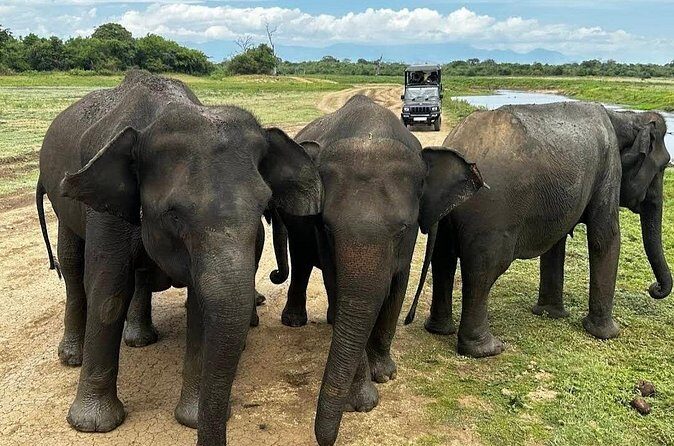
Book it if you want an efficient safari that’s heavy on wildlife time and guidance. Udawalawe is a strong choice for first-time visitors to Sri Lanka’s national parks, especially if elephants are at the top of your list. I’d also recommend it if you like learning while you’re out there. A guide like Lahiru Prasad (often mentioned by name) can turn the ride into a living lesson, not just a vehicle tour.
Think twice if you’re extremely price-sensitive. The $18 tour fee is only part of the story; entrance tickets are a big add-on, plus gratuities and water. Also consider whether you want a small, quiet outing. With up to 36 travelers, it’s more social and organized than “private safari.”
If your main goal is to get out into Udawalawe with a real chance at seeing elephants and a guide who explains what you’re looking at, this is a smart way to spend a few hours.
FAQ
How long is the Udawalawe safari adventure?
It lasts about 3 hours.
Where does the tour start and end?
It starts at the Udawalawe National Park Entrance (meeting point) and ends back at the same meeting point.
What is included in the tour price?
You get an experienced safari jeep driver/guide, free entry tickets for toddlers under five years old, and a free hotel transfer within 5 km of the park entrance.
Is the Udawalawe National Park entrance fee included?
No. The entrance ticket is listed as not included: $39 per person for adults, and $19 per person for children ages 6–11.
Is bottled water included?
No. Bottled water isn’t included.
What is the maximum group size?
The tour/activity has a maximum of 36 travelers.