REVIEW · HAMBANTOTA
Udawalawa Safari & Elephants Orphanage Tour from Hambantota port
Book on Viator →Operated by Yala Dreams Wild Safari Tours · Bookable on Viator
Elephants are the whole point. What makes this day trip appealing is how smoothly it’s built for a same-day cruise or hotel visit, with pickup and drop-off from Hambantota and a pre-arranged safari drive. I like that your time is geared toward wildlife searching with a driver-tracker in a safari jeep, plus practical add-ons like cold drinks, snacks, and binoculars.
The trade-off is the open-air reality of a long safari day. You’ll likely spend hours in an open-sided 4WD in hot, dusty conditions, so pack for sun and grit (and you’ll be happier for it).
In This Review
- Key highlights worth knowing before you go
- From Hambantota port to Udawalawe National Park in a 4WD jeep
- Udawalawe Safari: elephants, birds, and the driver-tracker’s search patterns
- Elephant Transit Home: seeing rescued calves and understanding the mission
- Open-air reality check: heat, dust, and what to pack
- Price and value: what $57 includes, and what you’ll pay on top
- Time management for cruise passengers and tight schedules
- Who this tour fits best
- Should you book this Hambantota safari and elephant transit home tour?
- FAQ
- What is the duration of the tour?
- Where does the tour start?
- Is the safari jeep included?
- Are binoculars included?
- Do I need to pay entrance fees?
- How long is the elephant transit home visit?
- How many people are in a group?
- What animals should I expect to see?
- What should I bring for the safari?
- What’s the cancellation policy?
Key highlights worth knowing before you go
- Hambantota port pickup and return designed for tight schedules
- Private safari vehicle for up to 6 people, with a driver-tracker working the best sightings
- Binoculars, water, and cold drinks included during the safari
- Udawalawe National Park first, where elephants are the headline act
- Udawalawe Elephant Transit Home visit included, with time to see rescued calves up close
From Hambantota port to Udawalawe National Park in a 4WD jeep
This is one of those tours that makes logistics feel boring—in a good way. You get pickup from Hambantota Port (and also from Hambantota hotels, depending on where you’re staying), then you’re transferred out to the first wildlife stop without having to plan routes, hire a driver, or negotiate a safari jeep at the last minute.
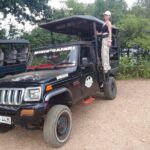
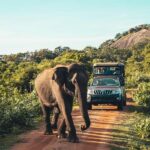
Once you reach the park area, you’ll be in a safari vehicle—typically described as a 4WD Hilux or Bolero—used for the game drive. In plain terms: you get closer to animals than you would from a standard car, and you’re moving at a speed that helps your driver-tracker read the day’s conditions. The vehicle style also matters because Udawalawe can mean long hours on bumpy tracks. Several guides are praised by name in the feedback you shared (Yasanka, Madu/Maduka, Ishan, Sakun, and Jimmy show up), and that’s usually a sign the operator staffs drivers who take spotting seriously.
One small thing I’d keep in mind: entrance fees are not included. So even though the day feels like a “tour package,” you should still plan a cash or card budget on-site for park and orphanage entry.
Other Udawalawe safari tours we've reviewed in Hambantota
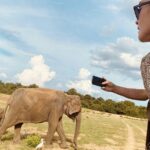
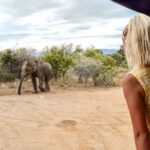
Udawalawe Safari: elephants, birds, and the driver-tracker’s search patterns
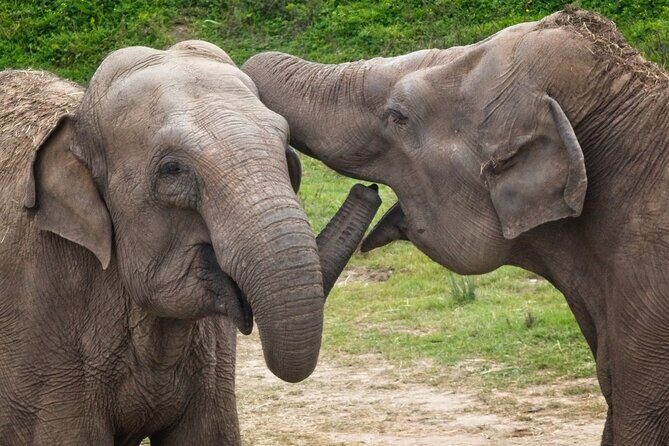
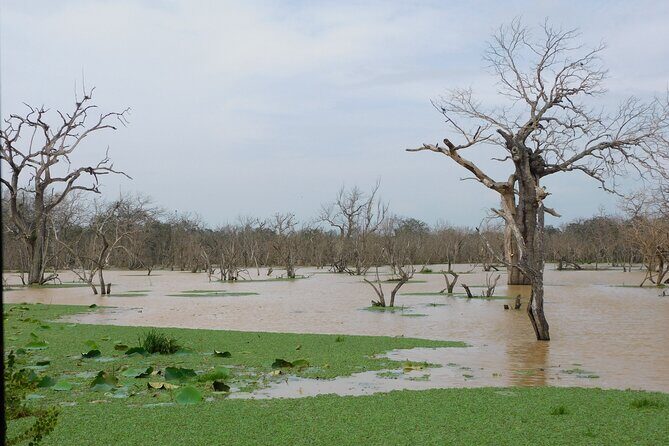
Udawalawe National Park is famous for one reason: elephants. But it’s not just about having big animals in the frame. The park’s mix of grasslands, scrub, and water-adjacent habitats (including the reservoir area) tends to concentrate wildlife where you can actually see it from roads.
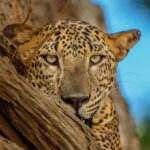
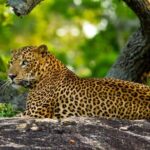
What I like about this setup is the focus on spotting opportunities rather than turning the day into a checklist. Your safari ride is guided by a driver-tracker whose job is to keep the jeep moving toward likely sightings. The tour information also mentions looking for animals beyond elephants—things like leopards, sloth bears, crocodiles, spotted deer, and lots of birds. Realistically, sightings aren’t guaranteed (that’s how national parks work), but Udawalawe is a place where elephants are commonly the main event, and you can often build a full wildlife “set” around that.
Here’s what you can expect during the game drive:
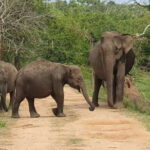
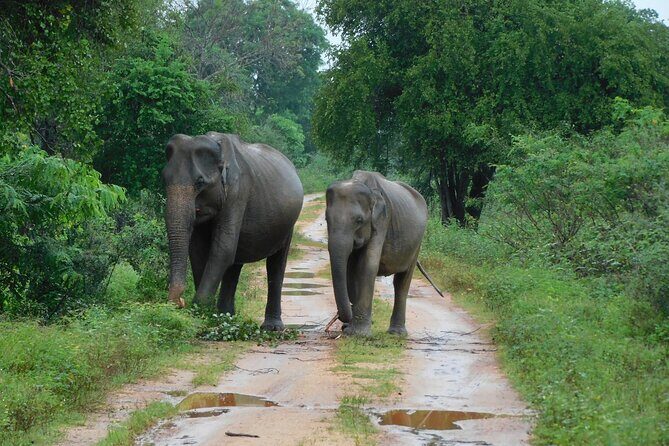
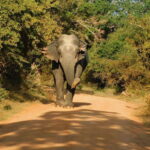
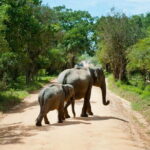
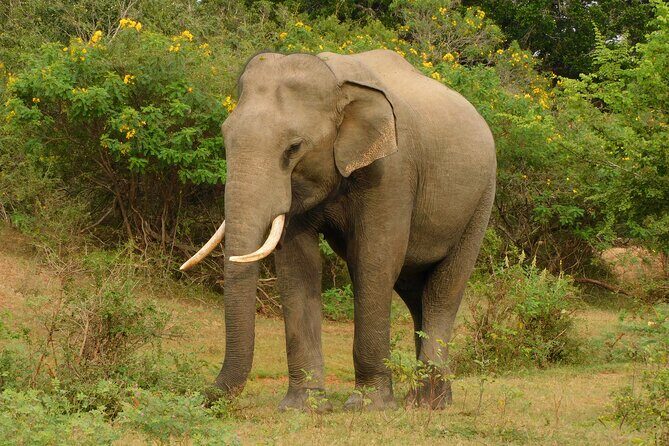
- Elephants: often seen in groups, sometimes close to the jeep as they move through open areas
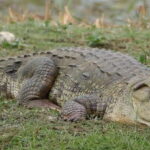
- Other mammals: deer-like species, water buffalo, and occasional larger reptiles depending on the day
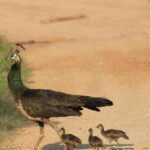
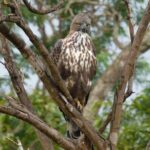
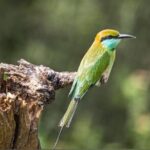
- Bird life: peacocks, monkeys, and a wide range of birds show up in the types of sightings people describe
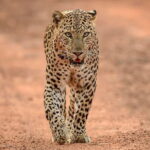
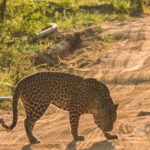
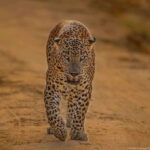
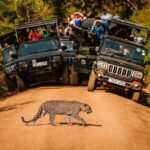
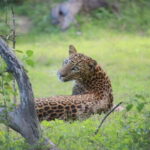
- Predator chances: leopards are mentioned in the tour description, but when you see them depends on conditions and luck
A practical detail: the safari portion is long enough that you’ll want to be comfortable mentally and physically. People often focus on spotting, but the body gets tired too—sun, heat, dust, and the constant attention needed for tracking animals all add up.
If your priority is elephants up close, this is the right day to schedule it. If your priority is a guaranteed leopard photo, treat that as a bonus rather than a plan.
Elephant Transit Home: seeing rescued calves and understanding the mission
After the safari drive, the experience shifts in tone, which is exactly why this combo works. The Udawalawe Elephant Transit Home (also called an elephant transit home) is designed for rescued and orphaned elephant calves, rehabilitating them until they’re strong enough to return to their natural habitat.
This stop tends to hit visitors in a different way than the safari. On the safari, animals are wild and moving on their own schedule. At the transit home, you’re watching the care side of conservation—how calves are fed, monitored, and supported as they grow.
A few specific things that help you get more from this visit:
- Go with an open mind: you’re not seeing a themed zoo. You’re seeing a working rescue and rehabilitation effort.
- Timing can matter for feeding: one of the tips in the feedback you provided suggests getting there around 10:00–10:30 to experience morning feeding time. Your exact schedule can shift with the safari, but if your day timing allows it, aim for that window.
- Look for the small details: people mention things like an on-site mini museum and even practical facilities like clean washrooms, which can make the hour feel less rushed and more comfortable.
Also, don’t expect it to be either fully quiet or purely educational. It’s lively because there are young calves and caretakers involved, and that energy can make it feel very real very fast.
Open-air reality check: heat, dust, and what to pack
This is the part nobody wants to think about—until they’re sitting in the jeep and the dust hits. The tour feedback you shared includes a clear warning: you’ll be in an open-sided vehicle for several hours in temperatures over 30°C, and dust can get to you.
So pack like you’re going on a bumpy road trip, not a museum visit. I’d bring:
- Sunglasses (dust + glare is a common combo problem)
- A face mask or scarf to cut down grit in your mouth and nose
- Sunscreen and a hat with brim
- Water and snacks are included, but bring a little extra if you run hot
- Light long sleeves or breathable layers if you hate sunburn
One more reason to be ready: wildlife spotting needs you to look around constantly. If you’re distracted by irritation, it’s harder to track motion in the scrub.
Price and value: what $57 includes, and what you’ll pay on top
The headline price is $57 per person, and that’s only half the story. Your value comes from what’s included:
- Pickup and drop-off from Hambantota Port / Hambantota hotels
- Safari jeep and the driving
- Bottled water, cold drinks, and snacks
- Binoculars for wildlife viewing
- Transport for the elephant transit home visit
What’s not included is the part that surprises people: national park and elephant orphanage entrance tickets. The tour data you provided says those tickets can be purchased at the park counter for $50.00 per person. So budget like this:
- $57 tour fee + about $50 for entry = roughly $107 per person total (before any optional add-ons).
Is it worth it? For many people, yes—because the big costs (transport, jeep time, and guided searching) are wrapped up. You’re mostly paying to turn a chaotic DIY day into a timed, chauffeured wildlife-and-elephant block.
One optional note from the tour description: there’s sometimes an upgrade mentioned to add Bundala National Park for more wildlife spotting. If that’s offered to you, it could make sense if you’re aiming for a longer wildlife variety. But don’t assume it’s automatically included.
A few more Hambantota tours and experiences worth a look
Time management for cruise passengers and tight schedules
Because this departs from Hambantota Port, the tour is naturally set up with timing in mind. Multiple feedback examples mention getting picked up from a cruise terminal and returning with enough time to catch the ship.
Still, be smart:
- Decide early how you’ll balance safari time vs. orphanage time.
- If you’re on a cruise with strict departure rules, it’s worth confirming that the operator’s schedule includes both Udawalawe safari time and the transit home stop.
This matters because there was at least one case in the info you shared where someone ended up with an unhappy mismatch between what was advertised and what happened during the day. The operator response suggested communication and timing choices played a role. You don’t need to panic—but you do need to be clear with your team at the start about what you want to see and that you’re on a ship clock.
Who this tour fits best
This trip is a great match if:
- You want elephants as the main focus without arranging safari transport yourself
- You’re visiting Hambantota and need a half-day to full-day plan that works with a port schedule
- You like wildlife searching with a driver who understands where animals tend to show up
- You want a meaningful conservation stop, not just another roadside photo stop
It may be less ideal if:
- You strongly dislike open-air touring and long hot drives
- You’re hoping for a guaranteed leopard sighting (national parks don’t work that way)
- You need a lot of downtime during the day—this is active and time-focused
Should you book this Hambantota safari and elephant transit home tour?
Yes, if your priority is Udawalawe elephants plus an elephant rescue stop and you appreciate having transportation handled. The combination is practical: a guided safari with jeep time and viewing support, followed by a focused hour at the transit home where the mission behind the elephants feels tangible.
If you’re sensitive to heat and dust, plan for that in advance and you’ll enjoy the day more. And if you’re traveling with a cruise schedule, start the day with clear expectations about making both stops.
If you want a wildlife day that feels organized rather than stressful, this one is built for that.
FAQ
What is the duration of the tour?
The tour is listed as about 6 to 7 hours.
Where does the tour start?
It includes pickup from Hambantota Port and also Hambantota hotels.
Is the safari jeep included?
Yes. The tour includes a safari jeep for the park driving.
Are binoculars included?
Yes. The tour price includes the use of binoculars.
Do I need to pay entrance fees?
Yes. National park and elephant orphanage entrance tickets are not included and can be purchased at the park counter for $50.00 per person.
How long is the elephant transit home visit?
The elephant transit home stop is listed as about 1 hour.
How many people are in a group?
The maximum group size is listed as 6 travelers.
What animals should I expect to see?
The tour information mentions looking for leopards, elephants, sloth bears, crocodiles, spotted deer, and birds, and the safari experience commonly includes lots of elephants, along with other animals like deer and monkeys.
What should I bring for the safari?
Because it can involve an open-sided vehicle in hot, dusty conditions, it helps to bring water beyond what’s provided, plus sun protection and something to reduce dust (like a face mask/scarf and sunglasses).
What’s the cancellation policy?
The policy is free cancellation up to 24 hours in advance for a full refund, and it also notes the tour requires good weather (poor weather can lead to an offer of a different date or a full refund).