REVIEW · KANDY
Udawalawe National Park Private Full-Day Safari
Book on GetYourGuide →Operated by Lakpura® · Bookable on GetYourGuide
Elephants at the waterline is a real show. This private Udawalawe safari runs you through marshes, forests, and grasslands, then lands at the reservoir where crocodiles, birds, and elephant herds show up for a reason.
I love the small-group setup, capped at six passengers per Jeep, which keeps your attention where it belongs: on animals, not on crowding. I also like how much the guide’s skill matters, especially when you get someone with a sharp eye like Asnka, who takes time to observe while trying not to disturb wildlife.
One heads-up: it’s a long day, and food isn’t included, so plan ahead with drinks and snacks. Also, wildlife is wildlife, so you should come with flexible expectations rather than a hard list of must-see animals.
In This Review
- Key points to know before you go
- Udawalawe elephants, up close, at the reservoir
- A private 4×4 safari that keeps the day focused
- Your full-day route: from the park gate to peak wildlife areas
- What each part of the drive is really doing for you
- Udawalawe Reservoir: elephants, crocodiles, and birds of prey
- Beyond elephants: watch the smaller wildlife
- The guide makes or breaks the viewing
- Price and value: what $50 buys you in the real world
- Food, timing, and what to pack for a 9-hour safari
- How to get better sightings without stressing the animals
- Who this safari is best for
- Should you book the Udawalawe National Park Private Full-Day Safari?
- FAQ
- Where is the meeting point?
- How long is the safari?
- Is the national park entrance fee included?
- Is food included?
- How many people are in the Jeep?
- What documents should I bring?
Key points to know before you go
- Small private Jeep (max 6 passengers) means easier spotting and calmer wildlife viewing
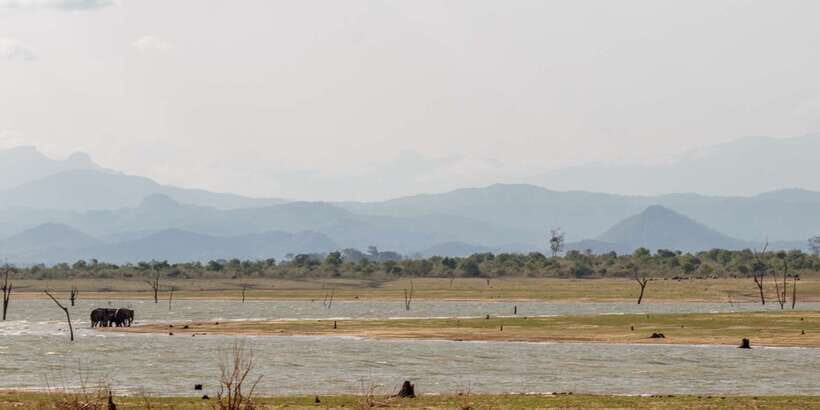
- Reservoir focus gives you a strong chance to see elephants watering up, plus crocodiles along the banks
- Experienced driver/tracker + English guidance helps you interpret what you’re seeing out there
- More than elephants: keep your eyes open for foxes, deer, wild boar, water buffalo, mongooses, and more
- You’re back by 5:00 PM, so this feels like a full day of safari without turning into an overnight commitment
Udawalawe elephants, up close, at the reservoir
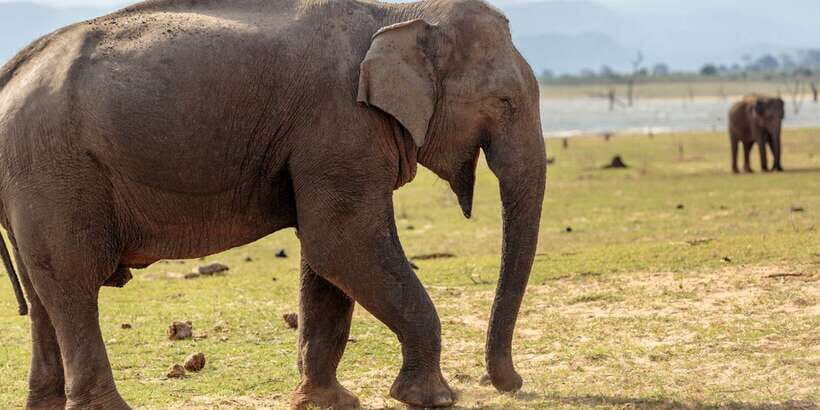
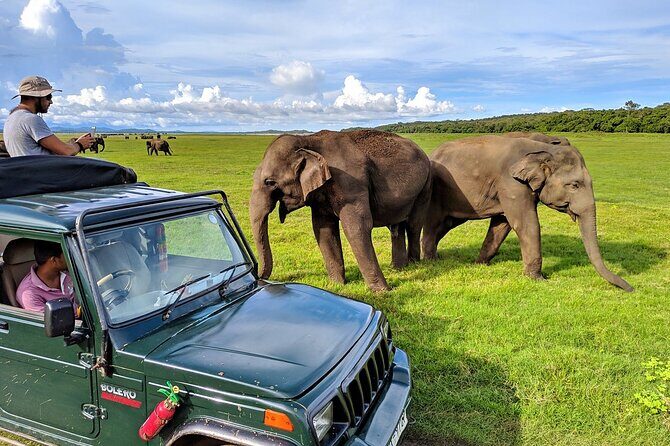
Udawalawe National Park is famous for Sri Lankan elephants, and this safari is built around that reality. You’re not just driving through generic roads and hoping for the best. You’re timed and guided toward the places where elephants and other animals naturally come together.
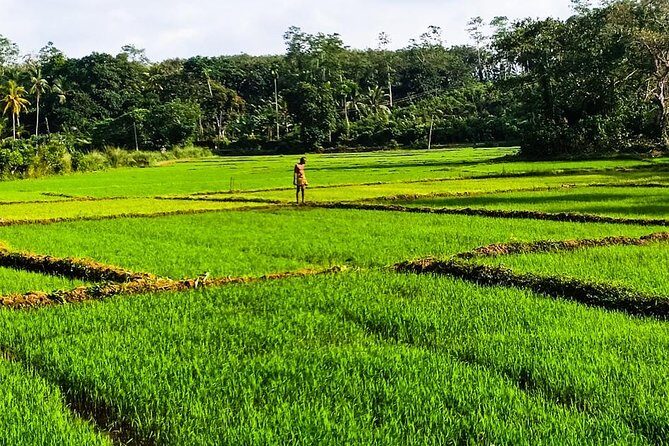
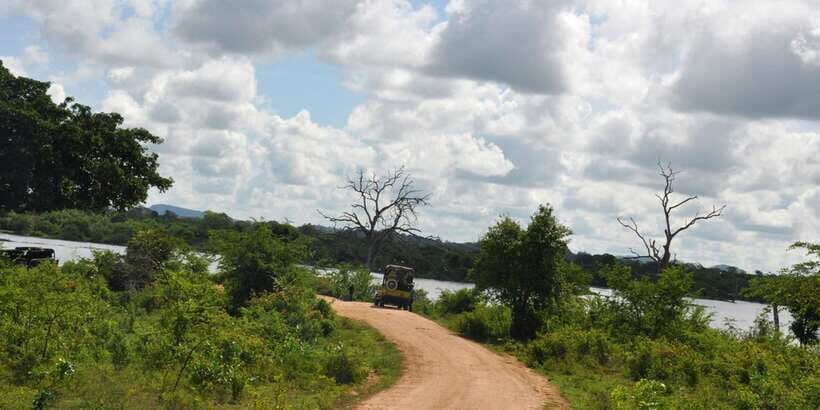
What makes this day appealing is the mix of habitats. You’ll move through marshes, forests, and grasslands, then shift to the Udawalawe Reservoir area with big local mountains in the background. That change of scenery matters because it changes what you’re likely to spot, including crocodiles near the water.
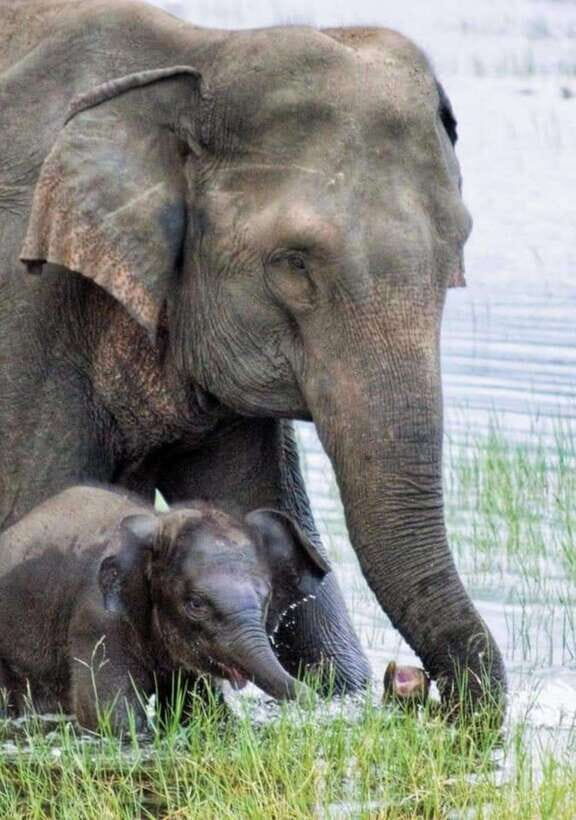
Elephants don’t just appear here like magic; they show up where water and food draw them in. I like that the experience leans into that pattern rather than pretending wildlife is predictable.
If you're still narrowing it down, here are other tours in Kandy we've reviewed.
A private 4×4 safari that keeps the day focused
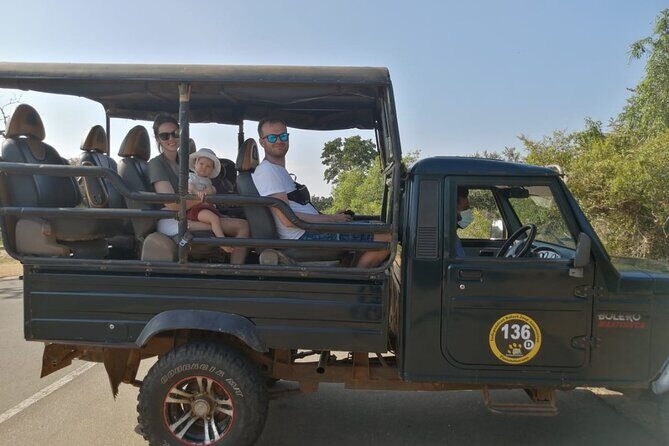
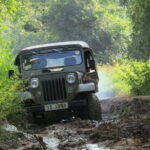
This is a private outing in a 4×4 safari Jeep with room for up to six passengers. That size is a big deal for safari comfort. When the group is small, you can spread your eyes across the scene instead of craning your neck around strangers.
The guide is also part of the value. You’re traveling with an experienced driver/tracker who helps you spot animals, and the host or greeter is listed as English-speaking. In practice, that means you’ll spend more time watching and less time guessing.
In one example of what to expect, Asnka was described as friendly and careful, taking time to observe animals and trying to disturb them as little as possible. That kind of approach usually makes the whole day smoother, and it often improves your odds of seeing normal, unforced behavior.
Your full-day route: from the park gate to peak wildlife areas
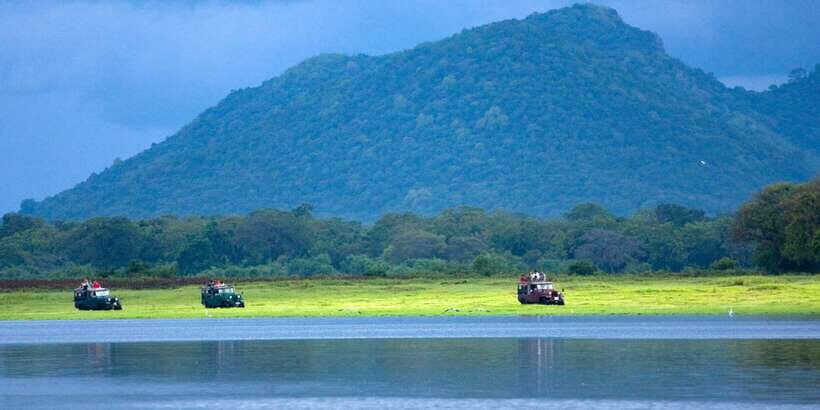
The meeting point is at the Udawalawa National Park Gate. That’s convenient because it keeps the start simple, and it sets the tone for a full day inside the park’s wildlife zone.
Even though the total duration is listed as 9 hours, the included safari is described as a 10-hour safari in the Jeep. Either way, you should plan for a serious time commitment. You’ll be out long enough that you’ll feel like you’re living in the park for the day, not popping in for a quick drive.
What’s nice is that your day has a clear endpoint: you’ll return to the park entrance by 5:00 PM. That makes it easier to build your broader Sri Lanka schedule, especially if you’re staying nearby and don’t want another late-night transfer.
What each part of the drive is really doing for you
- Wildlife viewing time isn’t random. The safari pattern is meant to put you in likely sighting zones across multiple habitats, from grasslands to wetter areas.
- Reservoir time is the payoff window, where animals gather around water and you can see interactions like crocodiles resting along banks and elephants visiting to drink and rest.
- The return drive is planned so you’re not left searching in the dark. That matters for visibility and for keeping the day enjoyable.
Udawalawe Reservoir: elephants, crocodiles, and birds of prey
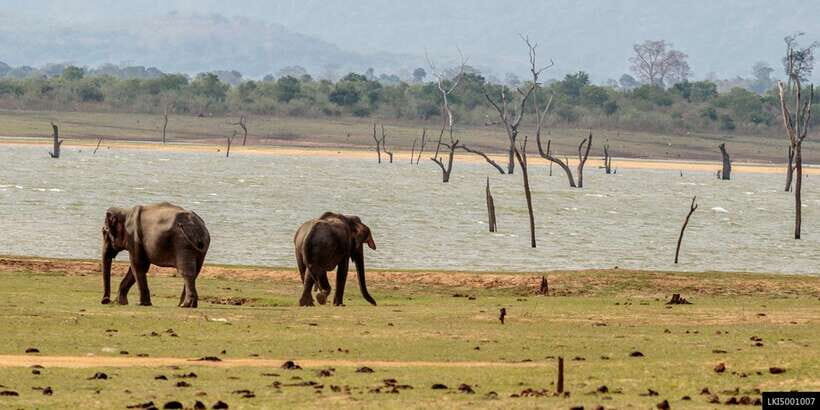
If you want one reason to book Udawalawe, it’s the reservoir segment. The setup is straightforward: big mountains in the backdrop, water activity, and animals that use the shoreline.
Here’s what you can reasonably expect to watch:
- Elephant groups visiting to quench thirst and take a rest
- Crocodiles resting on the banks or swimming about in the lakes
- Birds of prey fishing, with sharp attention on the waterline
I like reservoir-focused safaris because they reduce the randomness. You’re still in a national park, so nothing is guaranteed, but you’re aiming at a real “meeting place” in the ecosystem. That tends to pay off for both elephant lovers and people who just want to see wildlife behaving normally.
Also, the experience is framed as observation-first. One guide approach described as respectful and patient is exactly what you want near large animals and water edges, where sudden movement can change behavior fast.
Other private tours in Kandy
Beyond elephants: watch the smaller wildlife
A good safari isn’t only about the big headline animals. This one explicitly calls out several other possibilities, which helps you keep your eyes moving and your patience rewarded.
You’ll want to scan for:
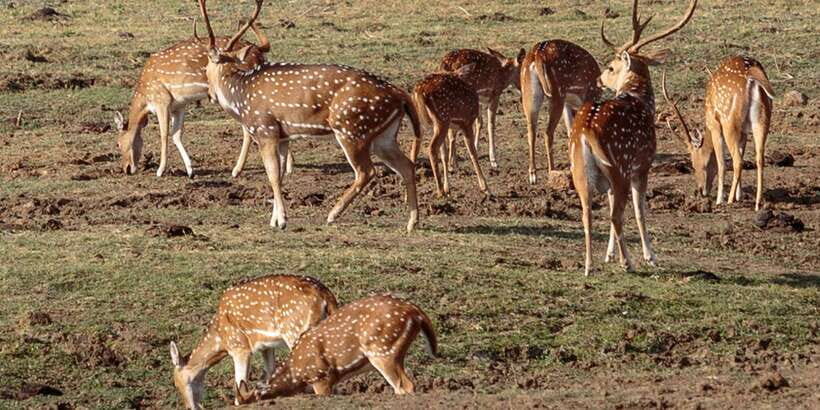
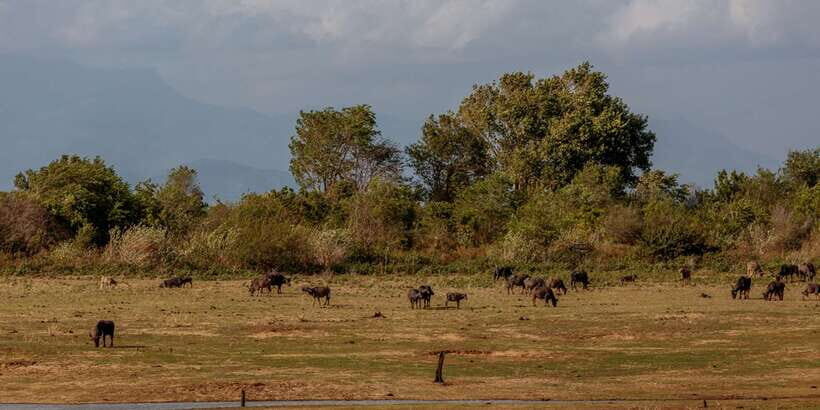
- Foxes and deer
- Water buffaloes
- Wild boar
- Hares, mongooses, and bandicoots
- Many species of birds, including birds associated with fishing near water
Even if elephants steal the show, I think it’s worth planning mentally for a broader hunt. When you know the guide is also tracking these smaller or less obvious animals, you’ll feel less stuck waiting for the next elephant moment.
This is also where the guide’s “spotting from the right places” matters. In one instance, the guide was said to know good spots and arrive early, which is a simple trick: you see more when you’re positioned before the action shifts.
The guide makes or breaks the viewing
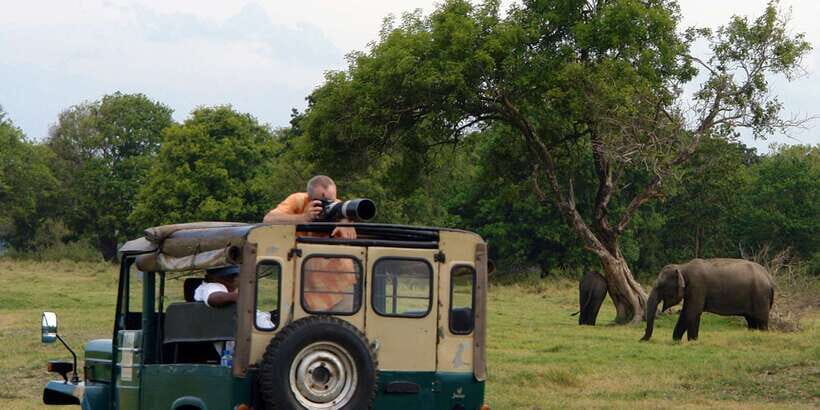
On a safari, the vehicle can only do so much. The real difference is whether your guide can read the scene: movement, tracks, calls, and the way animals react to nearby activity.
The experience is sold as being led by an experienced driver/tracker, and the reviews support that this person’s attention to wildlife behavior is a key part of the enjoyment. You’re not just sitting there while someone drives. You’re being helped to spot and understand.
One theme from the best feedback: a guide who takes time. That shows up as careful observation and minimal disruption. If you care about wildlife ethics and you want sightings that feel natural, this style is a better fit than a “rush to the next animal” approach.
Price and value: what $50 buys you in the real world
At $50 per person, this is positioned as a private full-day safari. The real value isn’t only the total cost. It’s how the safari is structured: a 4×4 Jeep, a driver/tracker, and a small maximum group size.
Entrance fees and food are not included, so your final day cost will be more than the headline price. Still, you’re paying for a full day of guided wildlife time, plus the vehicle and the guide’s work in finding and interpreting animal activity.
If you compare it to joining a larger group, you can feel the difference. A small group makes it easier to keep your eyes on the environment and reduces the awkwardness of blocking each other’s views. For many people, that’s what turns “a safari” into a day that actually feels worth it.
Food, timing, and what to pack for a 9-hour safari
Food isn’t included, and the safari runs most of the day. That means your comfort depends on what you bring. The activity information also says to bring food and drinks, plus your passport or ID card.
I’d pack like this:
- Water and a few snacks to keep your energy steady
- Something salty if you tend to get lightheaded in heat
- Sun protection you can reapply easily
- A light layer if you get cold in the Jeep during late-day sun shifts
One review notes there may be an optional lunch stop, but the baseline info is clear that food isn’t included. So treat any lunch option as a bonus, not a guarantee.
Also, since you’re in a wildlife area for hours, you’ll want to dress for comfort and for staying calm. If you’re overdressed, you’ll start rushing. If you dress right, you can settle into the slow rhythm that wildlife viewing actually requires.
How to get better sightings without stressing the animals
This safari is about observation, and you’ll get more out of it if you cooperate with the guide’s approach. When a guide is trying to disturb animals as little as possible, your behavior matters too.
A few practical things that help:
- Stay quiet when the guide tells you to watch; don’t narrate every little movement
- Keep your camera ready, but avoid constant repositioning
- Give the guide room to choose where the Jeep stops
- Be patient if nothing shows immediately; wildlife often changes with the next pause in the landscape
The best safari days don’t feel like chasing. They feel like waiting for the scene to reveal itself.
Who this safari is best for
This is a strong match if:
- You want a private wildlife day in Udawalawe rather than a crowded bus-style outing
- You care about elephants, but you also want a chance at crocodiles and other animals
- You prefer an experienced driver/tracker who helps you spot wildlife instead of staring at the scenery alone
- You’re okay with a full day outdoors, including a return by 5:00 PM
It may not be ideal if you want a short, low-effort activity or if you need everything completely indoors and predictable.
Should you book the Udawalawe National Park Private Full-Day Safari?
Yes, if you want your time in Udawalawe to feel intentional. The combination of a small private Jeep, an experienced driver/tracker, and a route that includes the reservoir makes it a practical choice for wildlife viewing.
I’d especially recommend it if elephants are your priority, because the reservoir segment is built around elephant watering and resting, alongside crocodiles and fishing birds. You’ll also get more from the day if you’re willing to scan for the smaller wildlife options, since the safari framework isn’t only one-species focused.
Just go in prepared for a long outing with your own snacks and drinks, and remember that animal sightings are natural and can’t be forced.
FAQ
Where is the meeting point?
You meet at the Udawalawa National Park Gate.
How long is the safari?
The duration is listed as 9 hours, with the included safari described as a 10-hour safari in the Jeep.
Is the national park entrance fee included?
No. Entrance fees to the national park are not included.
Is food included?
No. Food and drink are not included. The activity info advises bringing food and drinks.
How many people are in the Jeep?
The safari Jeep is limited to a maximum of 6 passengers.
What documents should I bring?
Bring your passport or ID card. Pets are not allowed.