REVIEW · HAMBANTOTA
Bundala National Park Safari (PRIVATE TOURS)
Book on GetYourGuide →Operated by Yala Dreams wild Safari Tours Sri Lanka · Bookable on GetYourGuide
Bundala National Park has a special kind of calm. It is a maze of waterways, lagoons, and dunes, and it stays at the top of Sri Lanka birdwatching lists because it is a Ramsar wetland (since 1991) and a UNESCO biosphere reserve (since 2005). I love the way this private setup keeps the focus on wildlife spotting, with guides like Sakun and Maduka using sharp bird knowledge and smart photo stops.
Two things I really like: the bird-first guiding (you get genuine bird name spotting, not vague wildlife talk), and the quieter feel compared with the louder, busier parks. One consideration: the national park entrance ticket fee is not included, so you will want to budget for that on top of the $36 price.
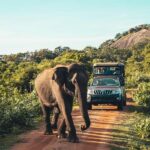
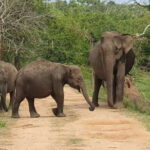
If you time it for the season, Bundala can feel like a living checklist. Between August and April, migratory birds arrive (including some wintering visitors from Siberia and India), and elephants can be in the 15 to 60 range depending on season—December is often the best month.
In This Review
- Key highlights that make this Bundala safari worth your time
- Why Bundala’s wetland roads feel quieter (and better for spotting)
- The birdwatching calendar: flamingos and migrants have timing
- Wildlife variety in 5 hours: what’s realistic to hope for
- Pickup to safari jeep: how the private format helps you
- The Bundala drive experience: waterways, dunes, and smart stopping
- Price and value: $36 for a private 5-hour safari, plus one extra ticket
- Who this Bundala safari suits best (and who might rethink it)
- Should you book this Bundala private safari?
- FAQ
- Where is this Bundala safari starting from?
- How long is the safari?
- Is this tour private?
- Is there an English-speaking guide?
- What’s included in the price?
- Do I need to buy the national park entrance ticket separately?
- Can I cancel and get a full refund?
- Is reserve now, pay later available?
Key highlights that make this Bundala safari worth your time
- Private jeep and pickup/drop from common southern destinations like Tissamaharama, Kirinda, Kataragama, and Weerawila
- Bird spotting that stays practical, with guides who know the birds well and take time when it matters
- Engine-off photo moments, so you can shoot without the constant roar of a moving jeep
- Ramsar wetland setting with lagoons and dunes that support almost 200 bird species in a 62-sq-km area
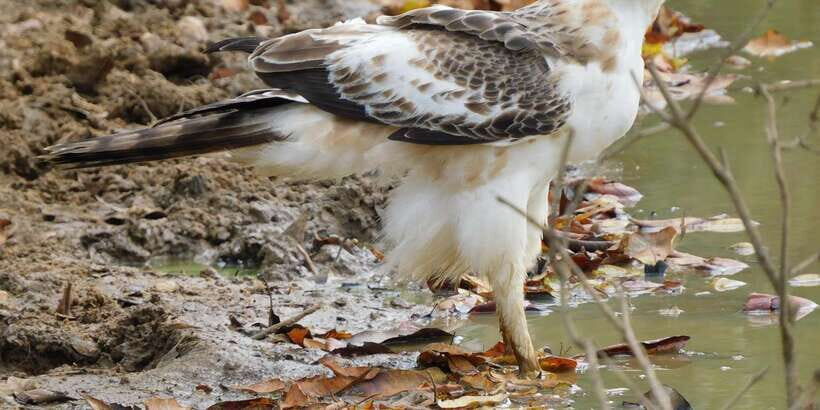
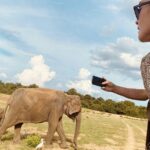
- Wildlife variety in one drive: elephants, crocodiles, monkeys, reptiles, and more
- Free binoculars plus water and cool drinks, so you start the safari ready to watch
Why Bundala’s wetland roads feel quieter (and better for spotting)
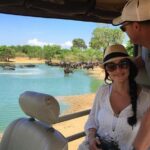
Bundala is not just another national park drive. It’s a working wetland: lagoons and channels that pull in birds all year, plus open sandy areas where elephants and other animals move through. The setting matters because you can get repeated chances to spot wildlife without constantly “chasing” the next move like you might in more crowded parks.
What you’ll notice fast is the calm. Multiple guides in this experience are praised for being focused and patient—stopping where animals actually are, not where a schedule says you should be. Even when your safari is only about 5 hours, that patience helps you make the most of your time. That’s a big deal if you are visiting Sri Lanka with limited days and you want one safari that actually delivers.
Guides named across bookings—Sakun, Maduka (spelled Maduka), Surimal, Imal, Ishan—show the same pattern: tight spotting skills, lots of animal talk, and an attitude that makes wildlife watching feel respectful. One guide was singled out for switching off the engine so people could take better photos. That small detail changes the whole mood, because it lets you listen, watch, and shoot with less noise.
Other private tours in Hambantota
The birdwatching calendar: flamingos and migrants have timing
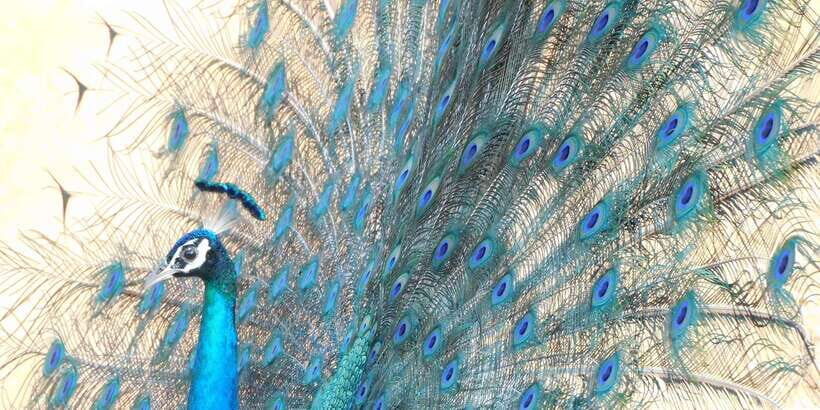
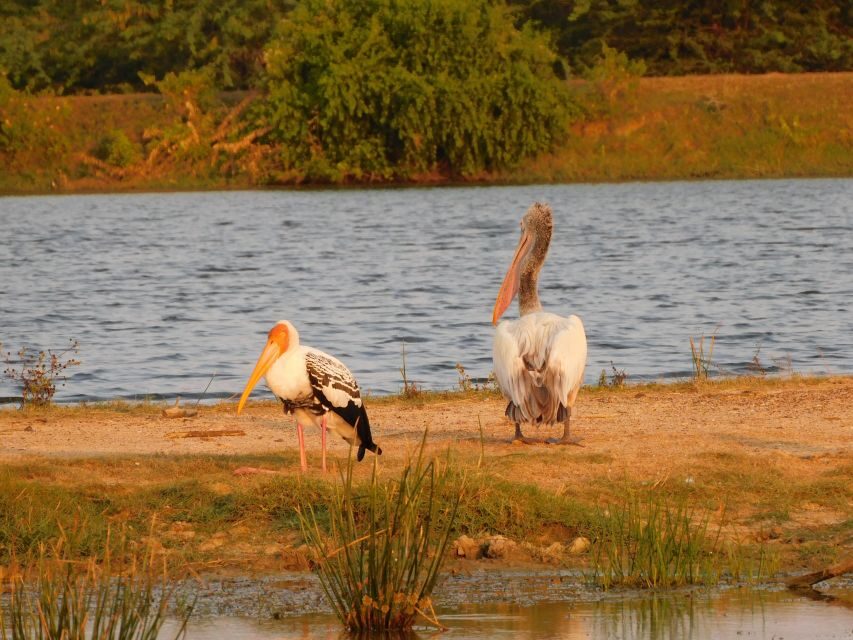
Bundala’s headline is birds. The park shelters almost 200 species within about 62 square kilometers, and it draws migratory visitors during the cooler months. The timing is key:
- Migratory bird season: arrivals from August to April
- Peak bird window: December to March
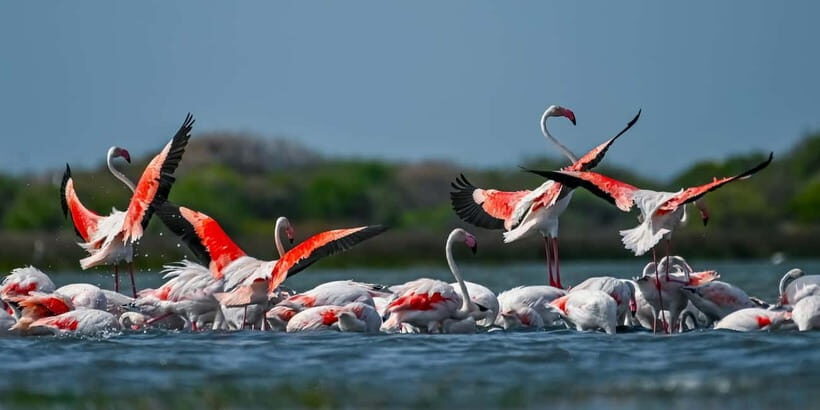
- Greater flamingos: up to 2,000 recorded at one time (often in season)
- Late-year activity: the coast can also be active for turtle nesting between October and January
If you are a birder, this is the kind of park where seasonality isn’t marketing fluff—it shapes what you’re likely to see. In the calmer months, your chances for good views improve because the birds are more predictable in where they feed and rest. And if your guide is good, they’ll help you connect the dots quickly: which lagoon area holds what, and what behaviors usually mean a species is about to show.
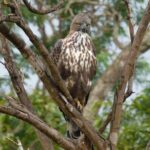
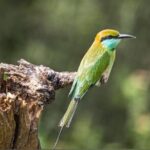
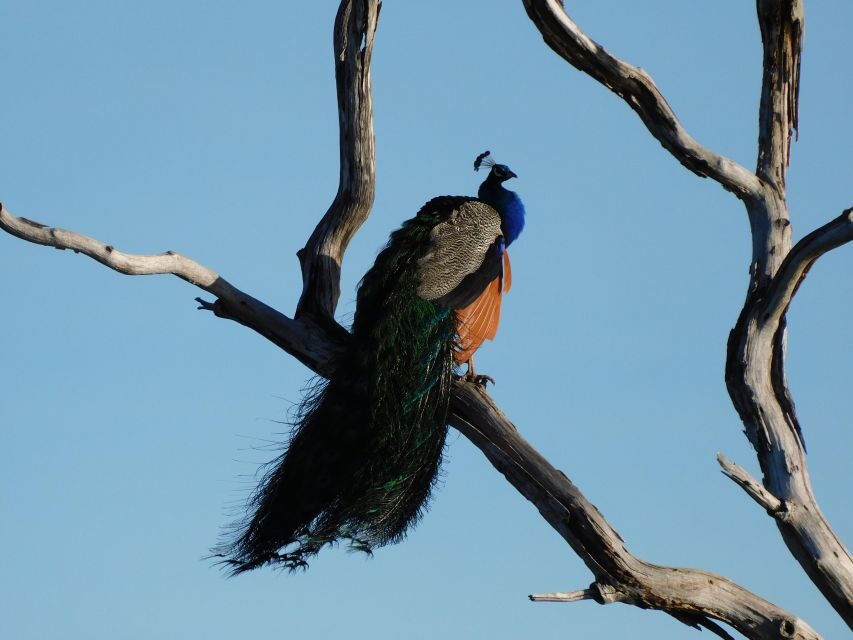
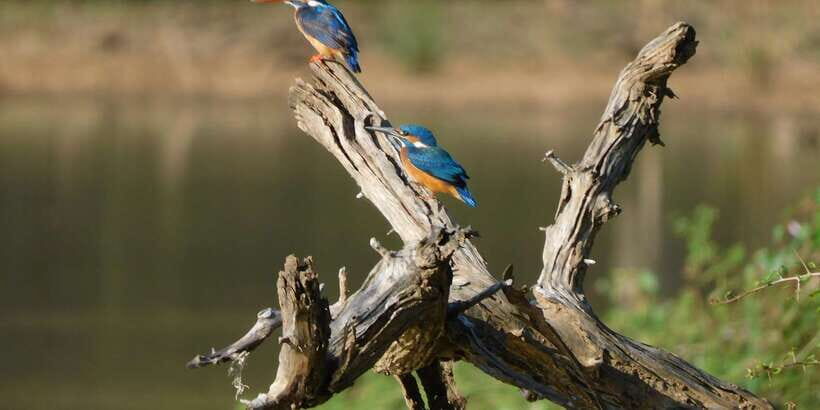
The great part is that a private safari doesn’t just mean comfort. It means your guide can slow down for the birds when the birds are being birds. That is exactly what you want with species like bee-eaters and open-billed storks—birds that can look small and easy to miss until someone points out the right spot and the right angle.
Wildlife variety in 5 hours: what’s realistic to hope for
Bundala is famous for birds, but the park also has real mammal action and reptile life. That matters because sometimes birding days are slow, and your safari still needs to be exciting.
Here’s what the park supports:
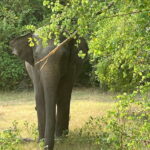
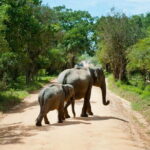
- Elephants: roughly 15 to 60, depending on season (December noted as best)
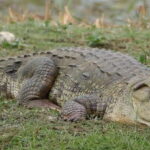
- Crocodiles: present, especially in the wetland areas
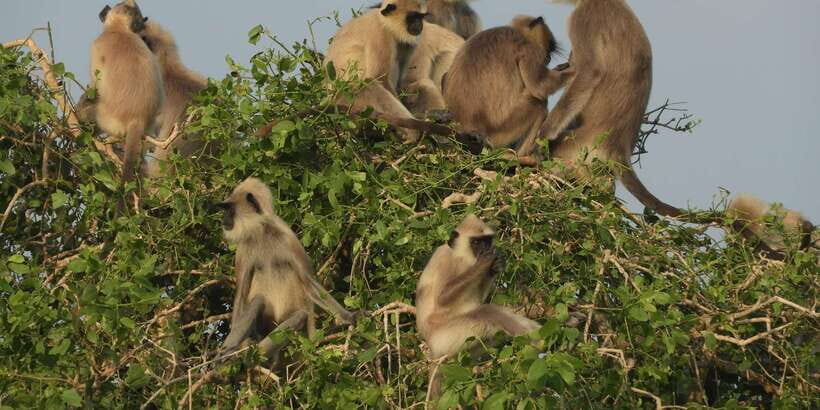
- Monkeys and small mammals: civets and giant squirrels are listed in the park’s ecosystem
- Marine turtles: between October and January, four species lay eggs on the coast (olive ridley, green, leatherback, loggerhead)
- A seasonal mix: the park’s wetland nature keeps animals moving through lagoons, dunes, and open feeding areas
In practical terms, you are not just booking a “bird safari.” You’re booking a wildlife safari designed around a place where multiple animals share the same water-based habitat. That’s why many guides get praised for spotting both animals and birds in the same drive.
You’ll often see guides stopping for quick checks—eyes scanning ahead, then a pause, then the explanation. One guide was praised for spotting animals from far distances, and another for being respectful of the animals while still getting you good views. That balance is important. It helps you enjoy the experience without feeling like you are watching from too-close distances or pushing the wildlife for entertainment.
Pickup to safari jeep: how the private format helps you
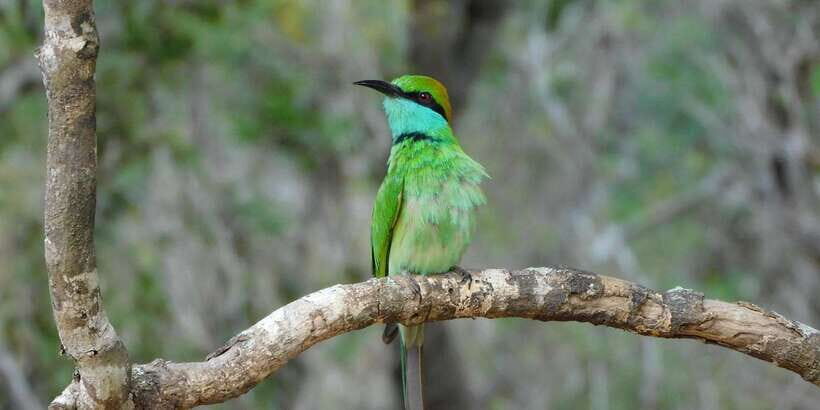
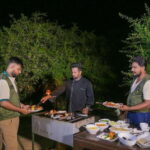
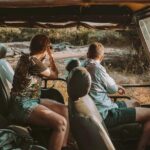
This is a private tour, which means you are not stuck with the slow group pace or the “everyone out, everyone back” rhythm. You get private transportation and a Safari Jeep, plus a live English-speaking guide. In other words: you get one plan, one set of stops, and one team focused on your sightings.
The pickup options cover a wide set of southern base locations. You can start from areas including Weerawila, Debarawewa, Tissamaharama, Yoda Kandiya, Kataragama, and Kirinda, and you can also be dropped off at the same kinds of locations afterward. That convenience matters because it cuts down the time you spend transferring between places.
You also start with basic comfort that pays off on a wildlife drive:
- Bottled water
- Cool drinks
- Free binoculars
Binoculars are a big deal in wetlands. Many birds sit farther out than you expect—on the edges of lagoons, perched on low posts, or moving through reed-like areas. Having binoculars ready at the start means you don’t waste the first hour figuring out what you can or can’t see.
And because the guide is live, you can ask on the spot. Guides like Sakun and Maduka were specifically praised for knowing bird names and taking time at the best photo points. That’s the difference between a safari that feels like a drive and a safari that feels like a real wildlife outing.
The Bundala drive experience: waterways, dunes, and smart stopping
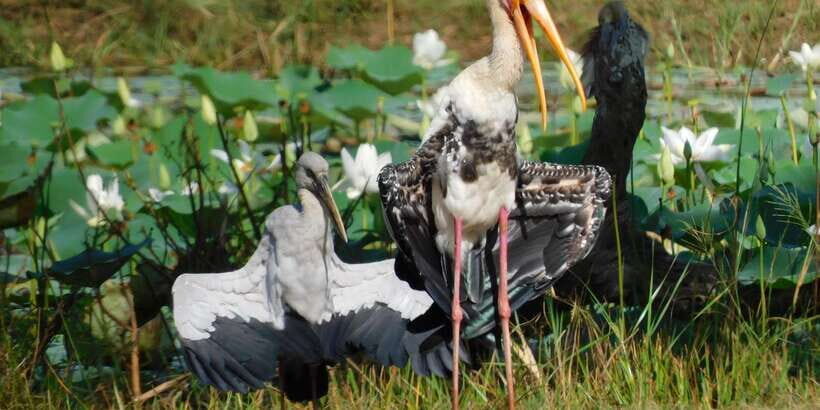
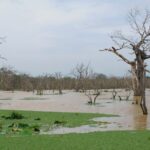
Bundala is described as glittering waterways and dunes, and your guide is effectively reading that terrain. The key is that wetland animals don’t spread out evenly. They cluster around water sources, food, and safe spots.
In a guided private safari, your stops usually make sense because your guide is prioritizing “where animals are likely to be” over “where you’ve been told to go.” That shows up in the praise given to guides who are sharp at spotting from far away. It also shows up in behavior like engine-off pauses for photos—because stopping the engine helps you get cleaner shots and lets you hear what’s happening in the environment.
Some tours also include extra moments outside the core driving. A few experiences mention a coastal stop to see the sea and beaches, and at least one guide took guests outside the park for sunset bat viewing. Another booking noted a stop near the sea with watermelon. Those aren’t guaranteed in the written tour overview, so treat them as possible add-ons depending on the guide, timing, and what the day produces. Still, it’s a good sign: the guiding style can include side moments that fit the place.
What you should do, practically: when your guide signals a stop, be ready fast. Wetland wildlife can change position quickly, especially birds that move between feeding zones. A good guide will tell you what to look for, then give you time to actually look.
A few more Hambantota tours and experiences worth a look
Price and value: $36 for a private 5-hour safari, plus one extra ticket
At $36 per person for about 5 hours, the value comes from what’s bundled into the experience. You’re not just paying for a car. You’re paying for:
- Private transportation
- A Safari Jeep
- A Safari service / extensive driving and guiding expertise
- Hotel pickup and drop
- Live English guide
- Bottled water, cool drinks
- Free binoculars
- A private group experience
For many people, the biggest “gotcha” is the one-line fee that isn’t included. National park entrance ticket fees are not added. If you are comparing prices, factor that in so there are no surprises on the day.
Still, even with the entrance ticket added, this can be strong value if you care about birds and want a guide who actually spots and explains. The private format helps especially if you want a quieter park experience. One of the most repeated themes is that Bundala feels less touristy than Yala, and that calm usually makes the wildlife feel more “yours,” not like you are sharing the sighting with too many other vehicles.
Who this Bundala safari suits best (and who might rethink it)
This tour makes a lot of sense if you:
- love birdwatching and want someone who can name birds and guide you to the right viewing spots
- want a quiet, less crowded-feeling safari drive
- prefer a private group so the pace stays focused on sightings
- care about photo opportunities, especially with engine-off stops and guide-led positioning
It may be less ideal if you:
- hate waiting for wildlife (even with a good guide, nature sets the pace)
- are budgeting tightly and don’t want to handle the extra park entrance ticket on top of the $36 price
If you are the type who enjoys learning while you watch—asking what you’re seeing and why it’s there—this safari format is built for you.
Should you book this Bundala private safari?
My take: book it if your top priority is wildlife spotting with real bird knowledge in a calmer setting. The combination of a private jeep, hotel pickup/drop, free binoculars, and an English live guide helps you get your money’s worth fast.
Just go in with one clear planning point: the park entrance ticket fee is extra. If you handle that in advance, you’ll be free to focus on the fun part—watching birds and animals in a wetland that’s important enough to be protected internationally.
If your schedule lines up with December to March, you’ll also have an advantage for bird activity and flamingos. And if you are lucky with elephant sightings, you might get one of those moments that turns a 5-hour drive into a standout memory—quiet water, dune light, and an animal showing up right when your guide is ready to point.
FAQ
Where is this Bundala safari starting from?
Pickup is available from multiple areas around Kotapola and the south, including Weerawila, Debarawewa, Tissamaharama, Yoda Kandiya, Kataragama, and Kirinda.
How long is the safari?
The safari experience runs for 5 hours.
Is this tour private?
Yes, it is a private group tour.
Is there an English-speaking guide?
Yes. The activity includes a live tour guide in English.
What’s included in the price?
It includes private transportation, a Safari Jeep, bottled water, cool drinks, free binoculars, and hotel pickup and drop.
Do I need to buy the national park entrance ticket separately?
Yes. National park entrance ticket fees are not included.
Can I cancel and get a full refund?
Yes. Free cancellation is available up to 24 hours in advance for a full refund.
Is reserve now, pay later available?
Yes. There is reserve now & pay later, which lets you keep plans flexible.