REVIEW · COLOMBO
3 hour cooking experience
Book on Viator →Operated by Cooking By Colour - Sri Lankan Cuisine with Mohara Dole in Colombo · Bookable on Viator
Some meals teach you faster.
This 3-hour class in Colombo is built as a hands-on cultural food lesson with Chef Mohara Dole—you cook several Sri Lankan staples, from curries to rice to sambols, while learning what makes each dish feel like it belongs on the island.
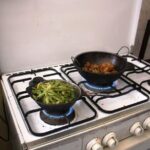
I really like that you’re not just watching. You’ll work at the stove and cook multiple dish types (including meat, fish, and vegetables). I also like the practical payoff: you get recipes you can recreate at home. One thing to consider: because you’re making a full meal in about three hours, the pace can feel busy.
You’ll meet at 49 Park Ln, Sri Jayawardenepura Kotte, then return there when the experience ends. The class runs in the 10:30 AM to 2:00 PM window (Monday through Sunday), and it’s set up as a private experience, so it’s just your group.
In This Review
- Key highlights you’ll actually care about
- Why Chef Mohara’s home-studio class feels personal (and useful)
- The 3-hour plan: curries, rice, and sambols as one meal
- Curries you’ll learn to cook: from eggplant to seafood
- The rice lesson: basmati, red raw rice, and samba
- Sambols: the small dishes with big impact
- What you’ll eat during the class (and why it matters)
- Private group value: better attention, less waiting
- Price and value: what $60 really buys you
- Where to go in Colombo: finding 49 Park Ln easily
- The pace: expect a full menu experience, not one single recipe
- Who this is best for
- Should you book Cooking By Colour with Mohara Dole?
- FAQ
- How long is the cooking experience?
- Where does the class start and end?
- How much does it cost?
- Is this a private class?
- What does the class include?
- What’s not included?
- Do I receive recipes?
- What dishes will I learn to make?
- What time does it run in the day?
- What is the cancellation policy?
Key highlights you’ll actually care about
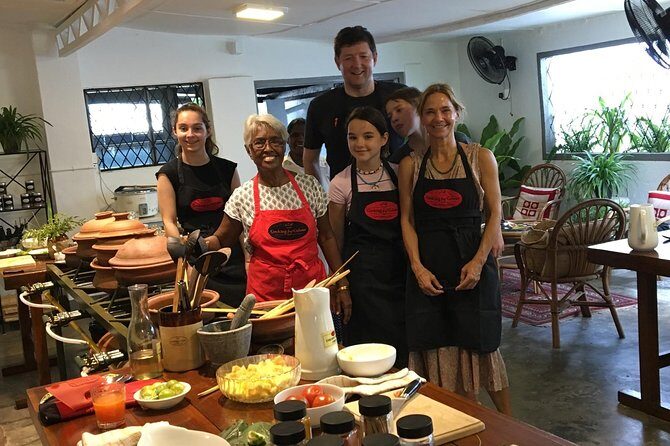
- Chef Mohara Dole teaches from her home cooking studio and brings a warm, personal approach to the food
- Hands-on cooking: you make several curries and sides, not just one dish
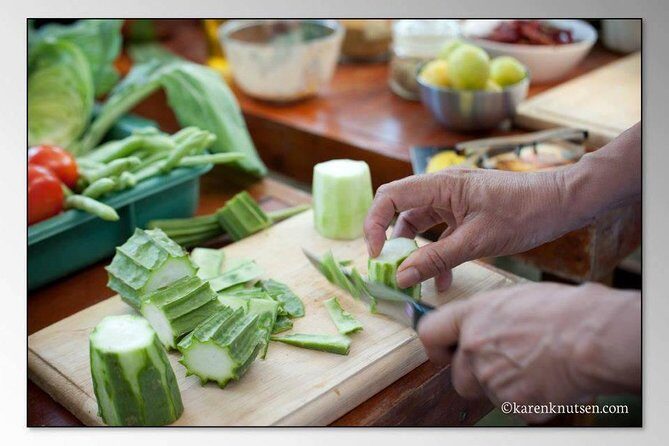
- Real Sri Lankan variety: eggplant, lotus root, beetroot, loofah, chicken, and seafood show up in the menu
- Rice lessons with options like basmati, red raw rice, and samba
- Sambols are part of the training, not an afterthought
- Recipes included so you can repeat what you cooked at home
Why Chef Mohara’s home-studio class feels personal (and useful)
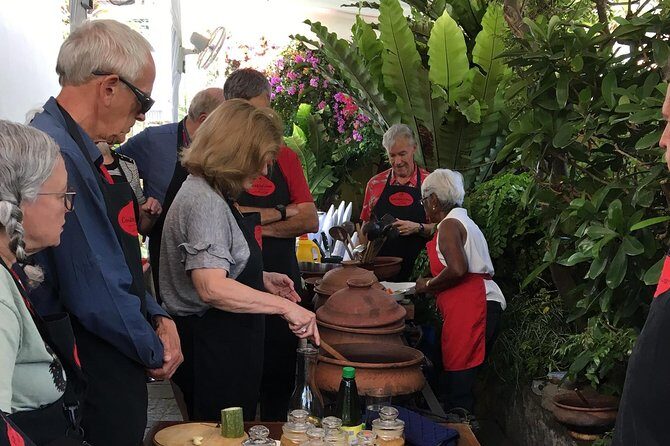
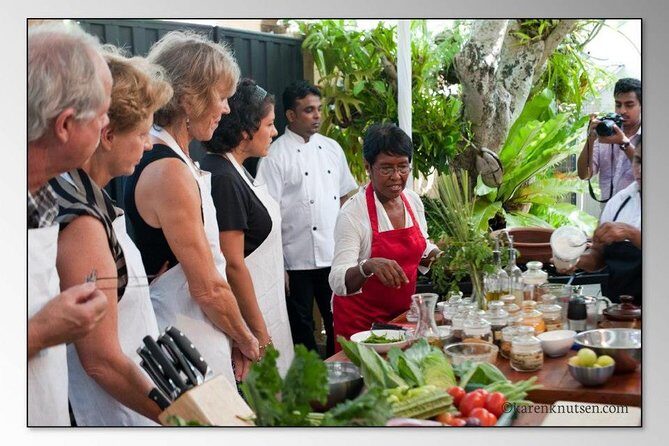
This isn’t a factory-style cooking show. The structure is centered on one person—Chef Mohara Dole—and that matters. When a chef welcomes you into her home cooking space, you get more than technique. You pick up the small cultural logic behind the food: what people usually cook, why certain ingredients matter, and how the meal fits together.
One of my favorite parts of this kind of class is that it makes cooking less mysterious. Sri Lankan dishes can look intimidating on paper, but when you’re holding the ingredients and working through the steps, it becomes clear. You learn by doing, and by asking questions right at the stove.
The other big win is the take-home material. You’ll receive the recipes for the foods you cook. That turns your afternoon into something lasting, not a one-time memory.
Other cooking classes in Colombo
The 3-hour plan: curries, rice, and sambols as one meal
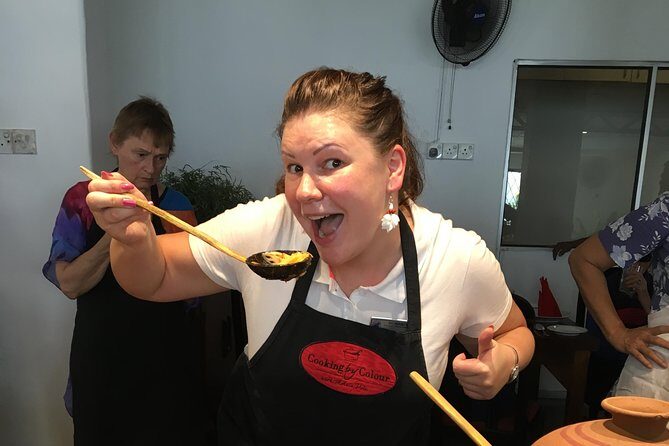
The whole point of the 3-hour format is that you leave with an actual Sri Lankan meal you understand. You’re learning a menu category—curries, rices, and sambols—and you’re also learning how they work together so your plate makes sense.
Instead of focusing on one signature dish, the class covers several. You’ll learn to make different curries (including examples like loofah, eggplant, lotus root, chicken, seafood, and beetroot), plus multiple rice styles. Sambols round out the meal. That gives you a balanced view of Sri Lankan cooking rather than a single spotlight dish.
And because it’s designed for food lovers, expect a lot of interaction while you cook. You join at the stove and you’re not just there to admire.
Curries you’ll learn to cook: from eggplant to seafood
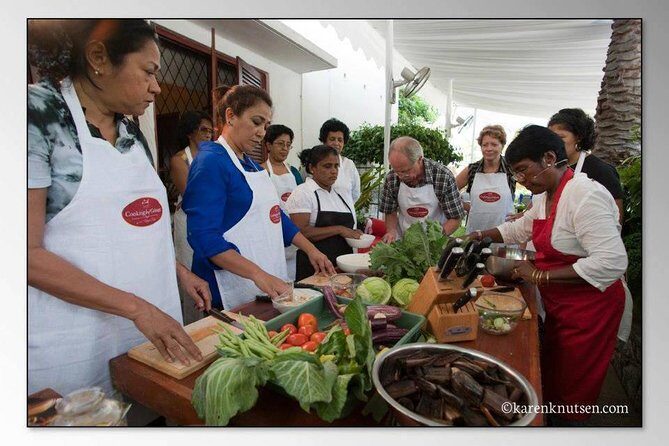
Sri Lankan curries are not one-size-fits-all. In this class, you get multiple examples so you can see how flavors and textures shift depending on the main ingredient.
Here are some of the curry types you’ll cover:
- Loofah
- Eggplant
- Lotus root
- Chicken
- Seafood
- Beetroot
That spread is valuable because it teaches you adaptability. Vegetables behave differently from meat or seafood in the pan. Lotus root brings a different texture; eggplant can turn silky; beetroot changes color and sweetness; seafood has its own timing. Even if you don’t memorize every micro-detail on the first try, the mental map forms quickly when you’re actually cooking.
A practical note: since the session is only about 3 hours, you’ll likely move through several dishes rather than taking one curry from start to finish in slow motion. That’s not a negative if your goal is learning a range and getting recipes to practice later.
The rice lesson: basmati, red raw rice, and samba
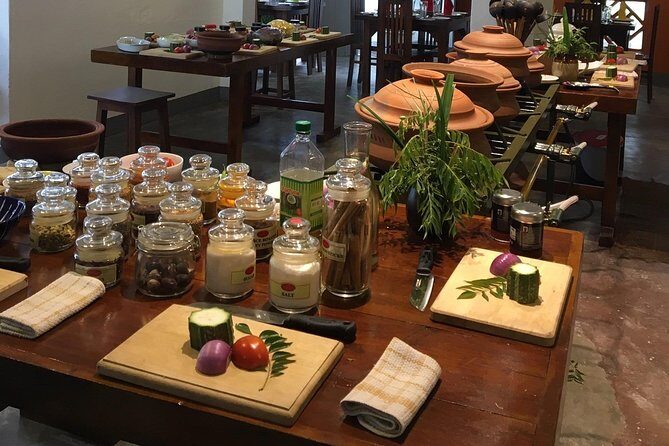
Rice in Sri Lanka isn’t just “the side.” It can be part of the identity of the meal. In this class, you’ll learn about different rice types, including:
- Basmati
- Red raw rice
- Samba
What I like about being taught rice types is that it changes how you shop and how you plan future cooking at home. If you only ever use one kind of rice, you miss what each dish is designed to pair with. Learning red raw rice and samba (not just basmati) gives you more control over texture and outcome when you try to recreate the dishes.
Also, rice can be the easiest part to overcomplicate. You’ll get a clearer idea of what to aim for, and you’ll have recipes to keep you honest when you’re back in your own kitchen with normal-sized time and cookware.
Sambols: the small dishes with big impact
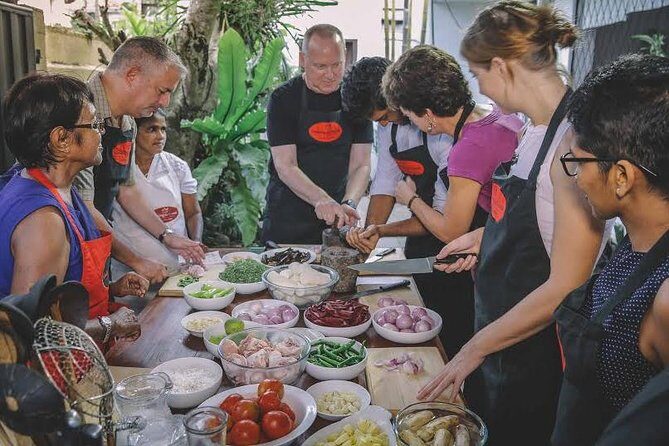
If you’ve ever wondered why a meal can taste “more Sri Lankan” even when the curry is simple, sambols are one reason. They’re the bright, punchy component that balances richer dishes. In this class, sambols are included in what you learn, which is smart.
You’ll get training on sambols as part of the overall cooking lesson, not treated like a quick garnish. That helps you build a full plate: curry plus rice plus the side that brings heat, tang, crunch, or freshness (depending on the sambol).
If your goal is to cook Sri Lankan food at home, don’t skip sambols. They’re often the difference between something that’s technically correct and something that tastes like the real deal.
A few more Colombo tours and experiences worth a look
What you’ll eat during the class (and why it matters)
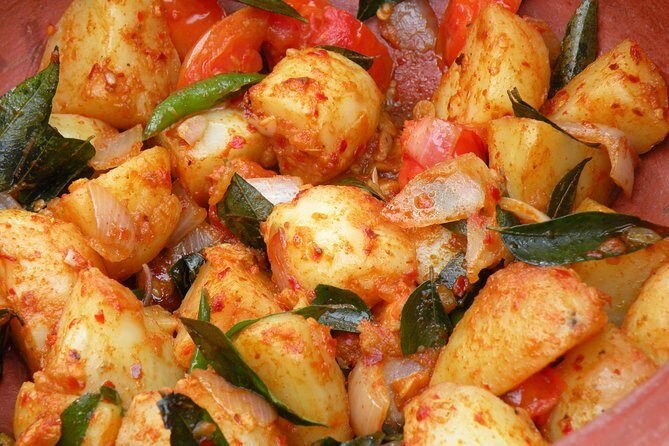
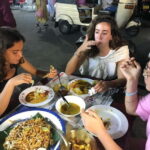
You’re not only learning techniques—you’re preparing a Sri Lankan meal together as part of the experience. The package includes dinner, and all ingredients for lunch/dinner are provided, along with bottled water and soda/pop.
That matters because it removes a common travel-class problem: the food sometimes feels like an afterthought. Here, the meal is the goal. You should expect to taste what you cooked as the session runs, and that tasting loop helps you learn faster. Cooking without tasting is like reading instructions without looking at the final page.
Alcoholic beverages aren’t included, so if that’s part of your routine, plan to handle it separately.
Private group value: better attention, less waiting
This is a private tour/activity. Only your group participates. That’s a meaningful difference from classes where you share a station with other people and wait your turn.
In practical terms, private format usually means:
- you can ask more questions as you cook
- the chef can adjust pace and explanations to your group
- you spend more time making than waiting
The experience also runs with a mobile ticket, and you receive confirmation at the time of booking. Those are small details, but they reduce stress when you’re traveling.
Price and value: what $60 really buys you
The price is $60 for about 3 hours. On paper, that might sound like “just a cooking class.” In value terms, it’s doing more work than that because:
- All ingredients are provided (so you’re not paying extra for groceries)
- You get bottled water and soda/pop
- You get the recipes for what you cook
- It’s private, so you aren’t sharing attention
Most importantly, the recipe handout is what keeps the class from fading. A lot of short cooking experiences are fun for the afternoon and forgettable two weeks later. Recipes make it repeatable. If you like cooking even a little, you’ll likely get your money’s worth by making one curry or one sambol at home and seeing how close you can get.
If you’re mainly interested in watching rather than participating, this might feel more hands-on than you expected. But if you want to learn by doing, the format is a strong fit.
Where to go in Colombo: finding 49 Park Ln easily
You start at 49 Park Ln, Sri Jayawardenepura Kotte, Sri Lanka, and it ends back at the meeting point. The venue is near public transportation, which is a big help in Colombo-area travel where timing can be unpredictable.
Since it’s scheduled between 10:30 AM and 2:00 PM, you can usually pair it with other daytime plans without losing your whole day to transfers. Plan to arrive a few minutes early. Cooking starts when ingredients are ready, not when you finally find the lane.
The pace: expect a full menu experience, not one single recipe
One caution is also a reality of the format: you’re cooking several dishes in one session. The class covers multiple curries, different rice types, and sambols, all in about three hours. That’s great for variety, but it can mean you won’t have hours to perfect one dish.
So if your dream is to leave with one “master recipe” and nothing else, you may prefer a longer class focused on fewer dishes. If your goal is to learn Sri Lankan food as a system—how curries, rice, and sambols work together—this three-hour plan is exactly the point.
Who this is best for
This experience is a strong match if you:
- like hands-on learning and want to cook, not just watch
- want a wider view of Sri Lankan cooking (curries + rice + sambols)
- plan to cook at home afterward and want recipes
- prefer a private setting for easier interaction
It may be less ideal if you want a slow, detailed lesson on only one curry, or if you strongly prefer alcohol-included meal experiences.
Should you book Cooking By Colour with Mohara Dole?
I’d book it if you want an afternoon that teaches you how to make a real Sri Lankan plate, not just a single dish. Chef Mohara Dole brings enthusiasm and a personal welcome, and the structure is built around making food yourself at the stove. The included ingredients, drinks, and especially the recipes make the price feel reasonable for what you get.
Skip it only if you hate a busy kitchen pace, or if you want alcohol included or a very slow step-by-step focus on one recipe. Otherwise, this is the kind of class that turns travel flavors into future dinners.
FAQ
How long is the cooking experience?
It lasts about 3 hours.
Where does the class start and end?
The meeting point is 49 Park Ln, Sri Jayawardenepura Kotte, Sri Lanka, and the experience ends back at the same location.
How much does it cost?
The price is $60.
Is this a private class?
Yes. It’s a private tour/activity, and only your group participates.
What does the class include?
It includes dinner, all ingredients for lunch/dinner, bottled water, and soda/pop.
What’s not included?
Alcoholic beverages are not included.
Do I receive recipes?
Yes. You’ll receive the recipes of the foods you cook so you can recreate them at home.
What dishes will I learn to make?
You’ll learn different Sri Lankan dishes, including several curries (like loofah, eggplant, lotus root, chicken, seafood, beetroot), rices (like basmati, red raw rice, samba), and sambols.
What time does it run in the day?
The class operates 10:30 AM to 2:00 PM, Monday through Sunday.
What is the cancellation policy?
You can cancel for a full refund if you cancel at least 24 hours before the experience’s start time.