REVIEW · HAMBANTOTA
Small Group Hambantota City Tour
Book on Viator →Operated by SAMTOURS | Sri Lanka · Bookable on Viator
Salt, ships, and tsunami memory in one loop. This Hambantota city tour is built like a smart sampler: you see everyday life, major industries, and key historic sites without getting stuck in a full-day plan. I especially like the comfort of the air-conditioned vehicle and the way the route is led by a licensed guide who keeps the stories clear and practical.
My second favorite part is the mix of topics that actually helps you understand Hambantota, from salt-making to the tsunami memorial area. The only real catch is timing: each stop is about 30 minutes, so if you want slow wandering at one location (or you’re going on a Sunday), you’ll need to plan your expectations—especially with the museum, which is closed on Sundays.
In This Review
- Key highlights worth making time for
- Hambantota City in One 3-Hour Sprint: What the Schedule Feels Like
- Where It Starts: Getting Oriented at Hambantota City
- Salt Factory Watch: How Hambantota Produces One of Sri Lanka’s Biggest Salts
- The 2004 Tsunami-Affected Area: Understanding Loss and Recovery
- Martello Tower: British Coastal Defense Meets Real Sea Views
- Inside the Heritage Museum: Local Artifacts and Traditions
- Fisheries Harbour Finish: Seeing Fishing Practices in Action
- What You Pay for $55: Value That Actually Adds Up
- The Guide Factor: When Explanations Make the Stops
- Who This Tour Fits Best (And Who Might Want a Different Plan)
- Should You Book the Small Group Hambantota City Tour?
- FAQ
- How long is the Hambantota City tour?
- What is the price per person?
- What’s included in the tour price?
- Do I need to pay admission at the stops?
- Where does the tour start?
- Can I get a full refund if I cancel?
Key highlights worth making time for
- City orientation fast: Quick introduction to what Hambantota is like day to day
- Salt production you can see: Salt pans and both traditional and modern methods explained
- A respectful 2004 tsunami stop: Memorial sites and recovery stories that give context
- Martello Tower views: British-era coastal defense plus coastal scenery and exhibits
- Local life at the fisheries harbour: Daily catch activity and a look at fishing practices
Hambantota City in One 3-Hour Sprint: What the Schedule Feels Like
This tour runs about 3 hours, built around six focused stops. The format is perfect when you have limited time in town but still want more than a quick photo loop. With a maximum group size of 33, you get the benefits of a group outing without it turning into a full busload experience.
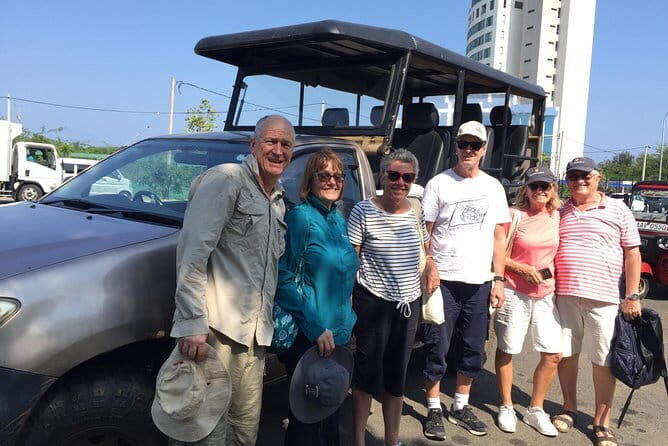
You’ll start at Hambantota Port (43FW+HX) and end back there. The tour uses a mobile ticket, and you travel in an air-conditioned vehicle with WiFi on board and bottled water, which is a big quality-of-life perk in Sri Lanka heat.
A practical tip: because every stop is relatively short, wear shoes you can move in and keep your pace steady. If you like lingering, treat this tour as your “setup tour,” then return later to the one place you liked most.
Other city tours we've reviewed in Hambantota

Where It Starts: Getting Oriented at Hambantota City
Your first stop is Hambantota City, where the guide helps you get your bearings fast. You’ll spend about 30 minutes taking in the main sights and getting a feel for daily life in town. This is also where local markets come into play, so you’re not just looking at monuments—you’re seeing how people actually live.
What I like about starting here is that it puts the later stops in context. When you’ve seen a bit of the city’s rhythm, the salt industry, coastal fortifications, and fisheries harbour start to make more sense as pieces of the same local story.
If you’re someone who likes to take photos, do it early here. Later stops are more about guided explanation and remembrance, where you’ll want to keep your attention on what’s being shown.
Salt Factory Watch: How Hambantota Produces One of Sri Lanka’s Biggest Salts
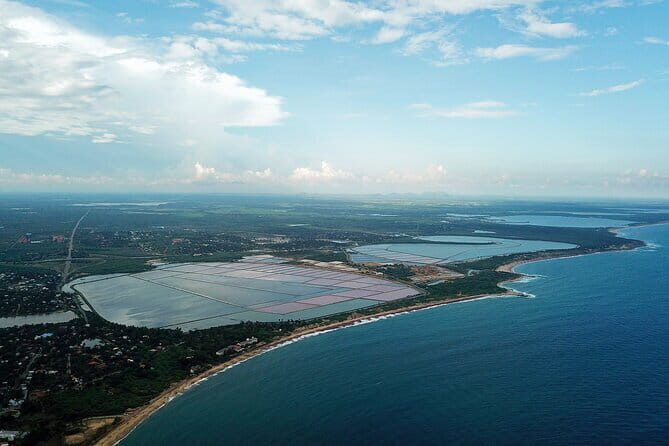
The tour’s second stop takes you to the Hambantota Salt Factory, described as one of the largest salt producers in Sri Lanka. You’ll get a guided visit that’s designed to show how salt production works, including both traditional and modern methods.
The most valuable part isn’t just the scenery of salt pans—it’s understanding why salt matters here. The guide gives the history and economic importance of the salt industry, which helps you connect what you’re seeing on the ground to how Hambantota earns a living.
You’ll typically get around 30 minutes at this stop. That’s enough time to understand the process at a high level and see the salt pans stretching out, but not enough to turn it into a long, hands-on workshop. If you’re the type who always wants more detail, come with a curious mindset and ask your guide to slow down for the parts that interest you most.
The 2004 Tsunami-Affected Area: Understanding Loss and Recovery

One of the most moving stops is the tour of the tsunami-affected area in Hambantota linked to the 2004 tsunami. This portion is built to be reflective, with a historical overview, stories of survival and rebuilding, and time at memorial sites and affected areas.
This isn’t a stop for casual sightseeing. Even with a short time slot, you’ll come away with a clearer understanding of how the disaster shaped the community and how recovery took shape over time. The guide’s framing matters here: it keeps the visit respectful and focused on context rather than shock.
Because this stop can hit emotionally, I suggest you dress comfortably and be mentally prepared. If you get overwhelmed, it’s okay to take a quiet moment and let the group move at a comfortable pace.
Martello Tower: British Coastal Defense Meets Real Sea Views

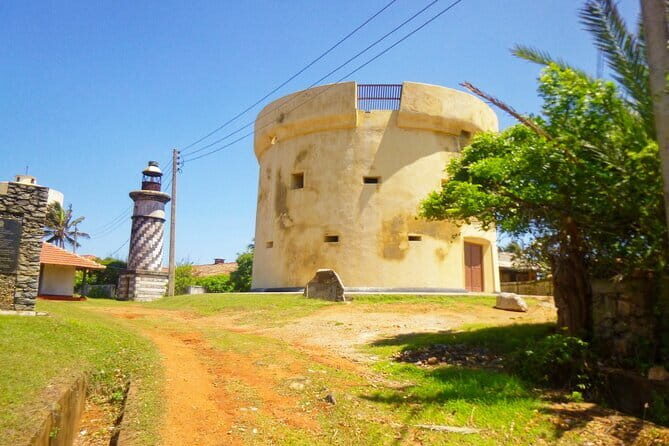
Next up is the Martello Tower, a coastal defense structure built by the British in the early 19th century. You’ll get a guided tour with historical exhibits and displays, plus time to enjoy coastal views and the surrounding area.
What makes this stop worthwhile is the combination of story and scenery. You’re not only hearing about why the tower existed; you’re also seeing the kind of coastline where coastal defenses were relevant. It’s one of those places where context turns a building into something you can actually picture.
This stop also benefits from the tour’s pacing. After salt pans and the tsunami area, the tower gives you a different angle on Hambantota: strategic history, then the human story, then back to how people organized along the coast.






Inside the Heritage Museum: Local Artifacts and Traditions

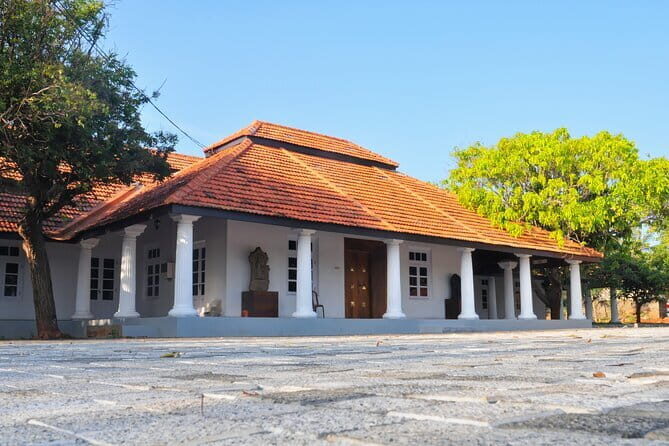
The Hambantota Heritage Museum is another guide-led stop. Expect artifacts, traditional crafts, and exhibits that tell the region’s story through material culture and local tradition.
You’ll have about 30 minutes here. That’s enough time to see the main highlights, but not enough for deep reading of every display. If you’re the type who likes museums, aim to absorb what’s most directly connected to your earlier stops—especially anything tied to daily work, local crafts, and coastal life.
Important planning note: the museum is closed on Sundays. If your trip lands on a Sunday, you’ll want to check whether you’ll be able to swap your visit with another stop through the same tour plan. Don’t assume you can just show up and get in.
Fisheries Harbour Finish: Seeing Fishing Practices in Action
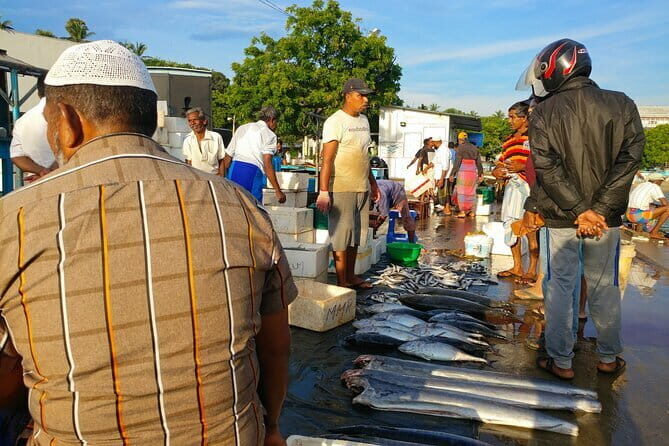
You end at the Hambantota Fisheries Harbour, where you can watch real daily activity connected to the fishing community. This stop focuses on guided observation of the harbour’s operations and gives insight into local fishing practices.
You’ll typically have time to observe the daily catch and, depending on circumstances, you may have the chance to interact with fishermen. Even if you don’t speak the local language, you can still learn a lot just by watching how work moves from unloading to sorting to preparation.
I like that this ending stop returns you to the present. After history, memorials, and industry, the fisheries harbour brings the story back to people working today—often in a way that makes the whole tour feel grounded.
What You Pay for $55: Value That Actually Adds Up
At $55 per person for roughly 3 hours, this is priced in a way that can make sense if you add up what’s included. You get an air-conditioned vehicle, WiFi on board, bottled water, parking fees, and a licensed tour guide.
On top of that, the stops list admission ticket free for each location. That matters, because in many parts of the world you pay extra just to get into places. Here, the cost is mostly about transportation plus expert guiding.
Is $55 cheap? It’s not a bargain-bin price. But for a short tour that connects six different themes—city life, salt production, tsunami impact, British colonial history, museum culture, and fishing—you’re getting a lot of directed time. The main “cost” is attention: you’ll move quickly, so you’ll want to be ready to take information in.
One more factor: the tour is booked about 28 days in advance on average. That suggests it’s popular enough that you shouldn’t wait until the last minute if your dates are fixed.
The Guide Factor: When Explanations Make the Stops
A tour like this lives or dies by the guide’s ability to connect the dots. This one is built around sites where context matters—salt pans without explanation are just salt pans, and a memorial without framing can feel flat.
When the guiding is strong, you’ll get more than facts. You’ll learn why salt is a big deal economically, what the British tower was meant to do, and how the 2004 tsunami changed life in ways that still show up today. The fisheries harbour also benefits from good guidance, because fishing involves methods and routines you’ll notice more when someone explains what you’re seeing.
If you’re considering the tour, pick the guide experience you want: if you like listening and learning, you’ll likely get more out of this than someone who prefers total freedom.
Who This Tour Fits Best (And Who Might Want a Different Plan)
This tour is a good match if you want a structured overview of Hambantota in a short window. I’d especially recommend it if you’re interested in understanding local industry and coastal history, or if you want a respectful visit to the 2004 tsunami area without trying to plan it all on your own.
It may be less ideal if you want lots of slow time in one place. With about 30 minutes per stop, you won’t have long to read every museum label or wander far at the harbour. Also, if you’re visiting on a Sunday, the museum closure is a real consideration.
And if you hate vehicle time, remember you’re using an air-conditioned car. You’ll be in it between stops, not just standing still while someone tells stories—so it’s balanced, not a museum-only day.
Should You Book the Small Group Hambantota City Tour?
I’d book this tour if you want an efficient, guided “first look” at Hambantota that covers industry, memory, and coastal history in one outing. The included guide plus free admissions at the stops make the price feel more logical than many add-on tours.
I would not book it if your ideal day is slow and flexible, or if Sunday timing would block the museum stop you care about most. In that case, you might prefer a plan that gives you more time at fewer sites.
If you do book, go in with a simple mindset: this is a story tour. Keep your questions ready, listen closely at the tsunami memorial, and then end with the fisheries harbour as your snapshot of life in the present.
FAQ
How long is the Hambantota City tour?
The tour lasts about 3 hours.
What is the price per person?
The price is $55.00 per person.
What’s included in the tour price?
The tour includes an air-conditioned vehicle, WiFi on board, bottled water, parking fees, and a licensed tour guide.
Do I need to pay admission at the stops?
Admission is listed as free for the stops on this tour.
Where does the tour start?
It starts at Hambantota Port (43FW+HX, Hambantota, Sri Lanka) and ends back at the same meeting point.
Can I get a full refund if I cancel?
Yes. You can cancel up to 24 hours in advance for a full refund. If you cancel less than 24 hours before the start time, the amount paid is not refunded.

![Kaudulla National Park Safari [private , full package] - The private jeep experience: comfort, safety, and real guidance](https://img.colombotravelguide.com/wp-content/uploads/kaudulla-national-park-safari-private-full-package.jpg)