REVIEW · KANDY
Private Traditional Sri Lankan Cooking Class in Kandy
Book on GetYourGuide →Operated by yummy kandy cooking · Bookable on GetYourGuide
Spice skills in Kandy, in just three hours. This private traditional Sri Lankan cooking class puts you in a small group (up to 4), led by Chitra, with English instruction and hotel pickup by tuk tuk or van. You cook Sri Lankan comfort food, then you sit down and eat what you made.
I especially like two things: the personal guidance (you’re not lost in a crowd), and you leave with full recipes and instructions after the class. A possible drawback: this is active cooking, and the food is meant to be genuinely spiced, so it’s not for people who want a sit-and-watch experience.
In This Review
- Key points I’d plan around
- Why this Kandy cooking class feels like home cooking, not a show
- Meeting Chitra and getting your bearings in a working kitchen
- The dishes you’ll make: lentils and jackfruit curry plus Sri Lankan staples
- If your class includes a market stop, use it wisely
- Lunch at the end: the best part is eating what you cooked
- Vegan and gluten-free: how the class stays flexible without making it generic
- Price and value in Kandy: what $40 buys you for 3 hours
- Logistics that actually matter: timing, transport, and the hands-on reality
- Who should book this cooking class (and who might skip it)
- Final take: should you book this Kandy cooking class?
- FAQ
- How long is the private traditional Sri Lankan cooking class in Kandy?
- How big is the group?
- Who teaches the class, and is English available?
- Is hotel pickup and drop-off included?
- What’s included with the meal?
- Can the class accommodate vegan or gluten-free diets?
- Do you receive recipes after the class?
- What is the cancellation policy?
- Should you book?
Key points I’d plan around
- Up to 4 people means you get real help while you cook
- Chitra leads the class (English instruction) with a warm, supportive approach
- Hands-on from start to finish; you learn techniques, not just plating
- Lentils and jackfruit curry are core dishes, with a menu that can include more curries and chutneys
- Vegan and gluten-free choices are built into what you cook and eat
- Market produce may be part of the day before you start cooking
Why this Kandy cooking class feels like home cooking, not a show
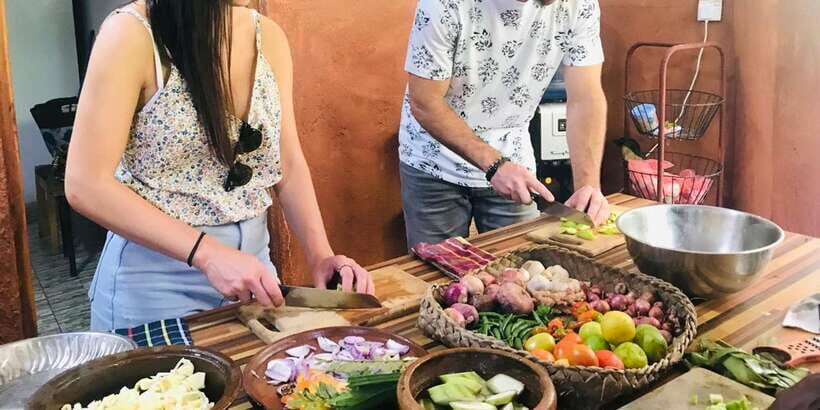
Kandy has a way of making you slow down. Part of that is the hills and part is the pace of daily life. This class fits that vibe. It’s not a big tour bus meal. It’s a focused kitchen session with a small crew, where the instructor can correct your chopping, your mixing, and your timing.
The biggest reason I like this format is simple: when the group is only four, you don’t just watch. You ask questions. You get quick feedback. That’s where you actually learn Sri Lankan cooking, especially when spices and sauce consistency matter.
Also, the host setup can be very personal. Alongside Chitra as the class leader, many sessions are guided with friendly hospitality from the team that includes Ranees and his wife. That matters because cooking courses work best when the room feels safe to mess up a little.
Other Kandy tours we've reviewed in Kandy



Meeting Chitra and getting your bearings in a working kitchen
You’ll meet at your hotel concierge desk, then get transferred by tuk tuk or van to the kitchen site. In Kandy, that pickup matters because traffic and short distances can add up fast if you’re navigating on your own.
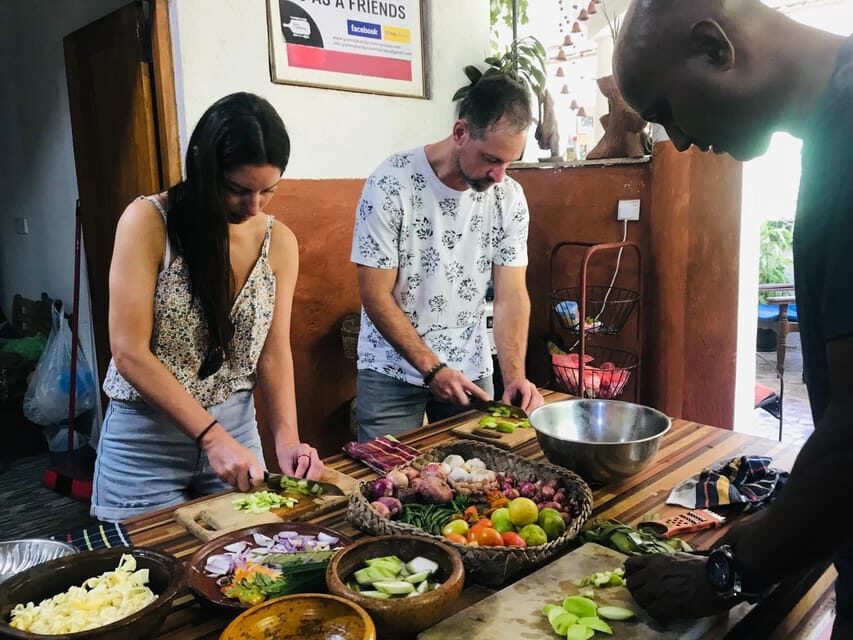
Once you arrive, expect a quick orientation and then real work. This isn’t the kind of class where everything is pre-prepared so you can assemble it. The teaching style is meant to show you the method from the start—what to do first, what to add next, and how to adjust as it cooks.
One detail I appreciate: the instruction is in English, so you can actually connect the why to the how. And with a small group, Chitra (and the team) can adapt to your comfort level—beginner cooks get help where they need it, and experienced cooks can still tighten technique.
The dishes you’ll make: lentils and jackfruit curry plus Sri Lankan staples
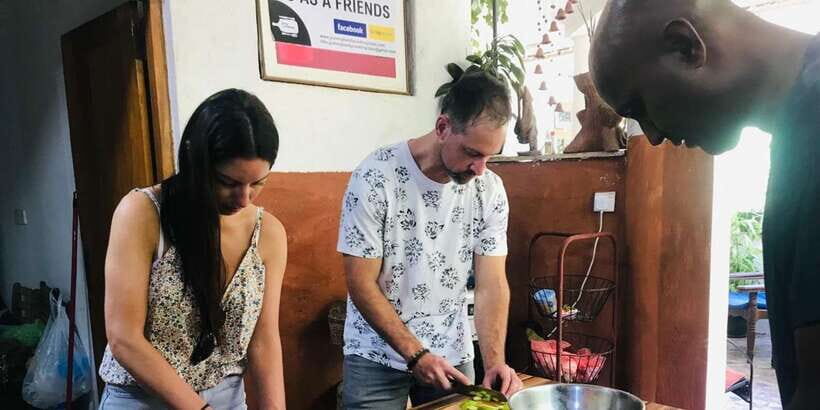
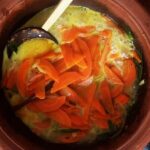
The class highlights lentils and jackfruit curry as key dishes. That’s a smart pairing. Lentils teach you how Sri Lankan flavors build through spices and simmering, while jackfruit curry gives you experience with a fruit-based ingredient that’s hearty and deeply satisfying once it’s cooked down properly.
In real meal terms, you’re not just making one curry and calling it a day. The menu is described as versatile, and in practice it can include other curries and sides. Depending on the session and dietary preferences, you might also work on dishes like mango chutney and vegetable plates, and in some cases a meat curry such as chicken curry.
Here’s what you should pay attention to as you cook:
- Spice blends and timing: the order you add spices can change the whole flavor curve.
- Sauce thickness and simmering: Sri Lankan curry textures rely on patience and heat control.
- Ingredient prep: cutting, cleaning, and seasoning at the right moment makes the cooking much easier.
Even if you’ve cooked at home before, you’ll likely pick up Sri Lankan-specific habits—how the spice mixes are used, and how the curries come together during the cook.
If your class includes a market stop, use it wisely
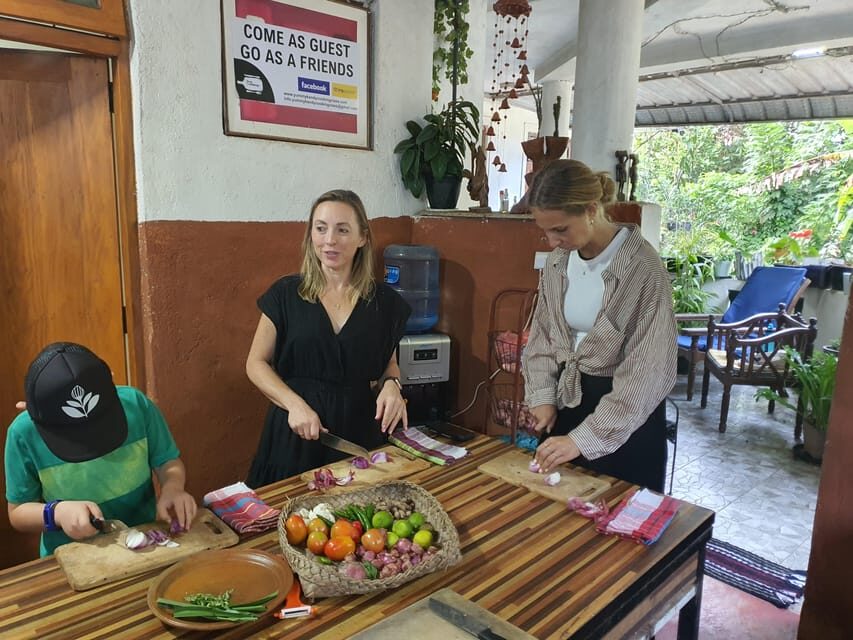
Some versions of this experience include a market run for produce selection. If that’s on your schedule, treat it like part of the lesson, not just a photo stop.
When you pick ingredients together, you learn in a very practical way:
- what vegetables look like before cooking
- what you’re actually buying (and why certain produce works better for certain dishes)
- how to prepare them so they contribute to flavor instead of getting bland or watery
One thing I like about this style is that it makes cooking feel connected to local life. Instead of arriving with an ingredient list, you’re seeing the raw materials and understanding them through the instructor’s guidance.
Lunch at the end: the best part is eating what you cooked
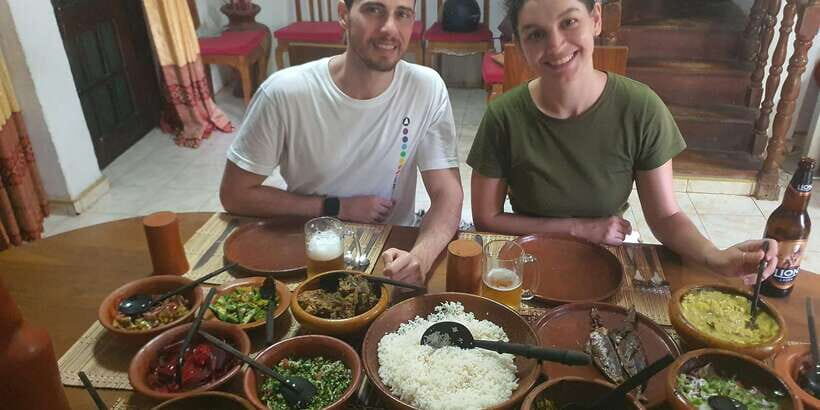
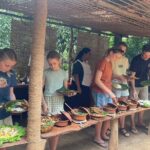
After the hands-on cooking, you sit down to eat the meal you prepared. That “finish by eating” rhythm is more than nice. It helps you learn because you can compare your cooking choices to the final outcome.
The class includes lunch, plus coffee and/or tea and bottled water. So you’re not spending extra money after you cook. You also won’t leave hungry, which is a real risk with cooking classes that start late or move slowly.
This is also where the small group format shines. Eating together turns it into a conversation—people ask questions, compare notes, and you realize you’re learning the same core techniques even if your dishes look slightly different.
Other Sri Lankan cooking classes we've reviewed in Kandy
Vegan and gluten-free: how the class stays flexible without making it generic
This cooking class specifically supports vegan and gluten-free preferences. That’s a big deal because many cooking classes say they can accommodate diets, but the food ends up feeling like a “swap” menu.
Here, the meal options are described as matching the recipes you cook and eat. In other words, you’re still practicing Sri Lankan cooking methods, not just replacing one ingredient and hoping for the best.
If you have dietary needs, I’d do two things before your class:
- message your preference clearly so the kitchen can plan the menu
- be ready to ask about cross-contact expectations if that matters to you (gluten-free can mean different things in different kitchens)
Also keep expectations realistic: spicy curries and coconut-based flavors can still show up in vegan versions, but your class should be aligned with the dietary choice you make in advance.
Price and value in Kandy: what $40 buys you for 3 hours
At $40 per person for a 3-hour class, the value comes from what’s included and how personal it feels.
You’re getting:
- lunch and drinks (coffee/tea)
- all necessary kitchen equipment
- bottled water
- meals aligned with dietary preferences
- hotel pickup and drop-off by tuk tuk or van
- English-led instruction in a group capped at 4
The “secret sauce” for value is the small group teaching plus the full learning loop: you cook, then you eat, then you take recipes home. Many food experiences give you one or two of those. This gives you all three.
So if you like food enough to want to reproduce it later, this price makes more sense than it might at first glance.
Logistics that actually matter: timing, transport, and the hands-on reality
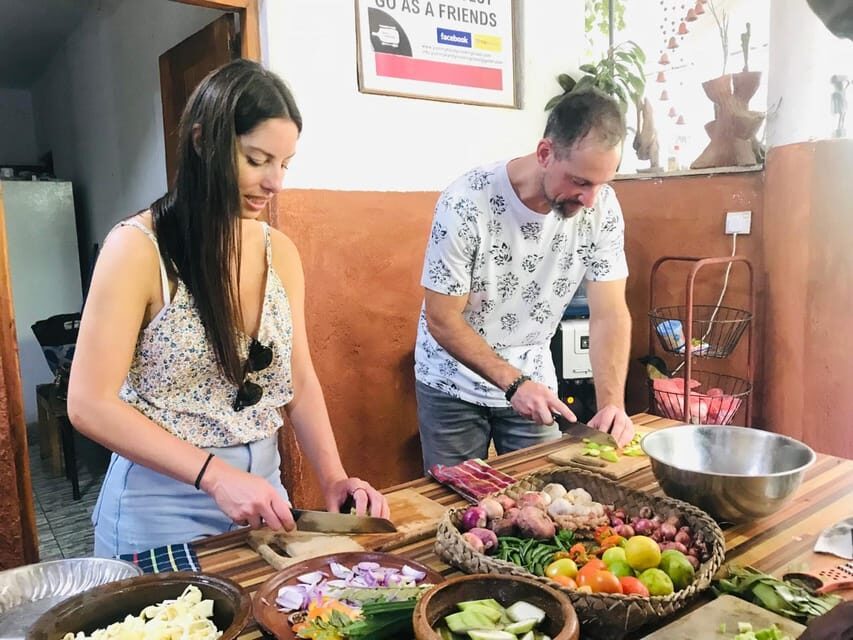
Three hours can sound short, but it’s enough time to do meaningful cooking without turning it into a marathon. You’ll move from prep to cooking to eating, and you’ll have chances to ask questions while your ingredients are still in play.
Pickup is included. You’ll meet at your hotel concierge desk and be transported back afterward, either by tuk tuk or van depending on group count. This is practical in Kandy, where short distances can still take time in traffic.
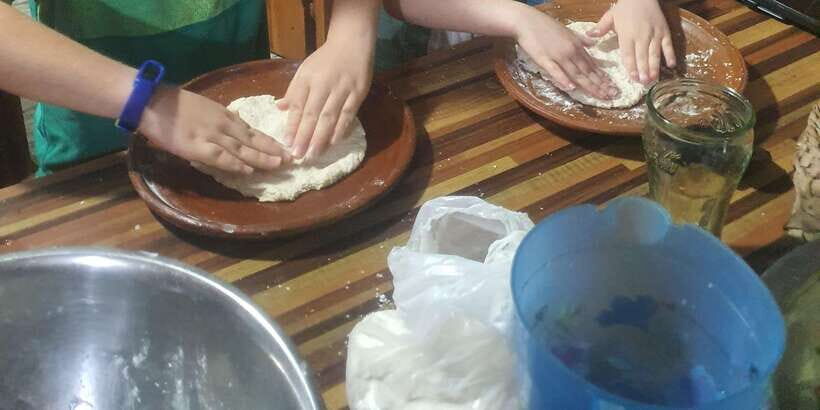
One more consideration: because it’s hands-on, you’ll get flour on your hands and curry on your cutting board. That’s part of the deal. If you’re hoping for a quick tasting tour, you might feel differently than you expect.
Who should book this cooking class (and who might skip it)
This class is a great fit if you:
- want to learn Sri Lankan technique you can repeat at home
- enjoy spice cooking and want to understand how blends work
- have vegan or gluten-free needs and want a class that plans for it
- prefer a small group over a crowd
You might consider a different option if you:
- dislike active cooking or don’t want to handle ingredients
- need a very low-spice, mild-food experience (Sri Lankan cooking often leans spicy, and you should expect that style)
- are very time-starved and can’t spare the full 3 hours
Final take: should you book this Kandy cooking class?
I’d book it if your idea of a great Kandy day is doing something real in a kitchen and leaving with more than photos. The combination of small group coaching, lentils and jackfruit curry, lunch included, and recipes you can take home makes it feel like value, not just an activity.
If you’re on the fence, ask yourself one question: do you want to learn the method, or do you just want to eat? If you want method, this is the kind of class that pays you back every time you cook again.
FAQ
How long is the private traditional Sri Lankan cooking class in Kandy?
The class lasts 3 hours.
How big is the group?
It’s a small group limited to 4 participants.
Who teaches the class, and is English available?
The instructor speaks English.
Is hotel pickup and drop-off included?
Yes. You meet at your hotel concierge desk and are taken to the experience, then returned to your hotel afterward.
What’s included with the meal?
Lunch is included, along with coffee and/or tea and bottled water.
Can the class accommodate vegan or gluten-free diets?
Yes. Meals are provided based on dietary preferences, including vegan/vegetarian and gluten-free options.
Do you receive recipes after the class?
Yes. You receive the full recipes and instructions for each dish after the class.
What is the cancellation policy?
Free cancellation is available up to 24 hours in advance for a full refund.
Should you book?
Book it if you want a hands-on way to learn Sri Lankan cooking in a small group with lunch and take-home recipes. Skip it if you want something passive, or if spicy food and active cooking aren’t your thing.