REVIEW · KANDY
Knuckles Spice Trail Trek from Kandy
Book on GetYourGuide →Operated by Nature Paradise Tours · Bookable on GetYourGuide
The Knuckles Spice Trail is a calm kind of adventure. You’ll walk changing ecosystems in Central Sri Lanka—tea plantations, pine and eucalyptus forest, cloud-forest air, then terraced rice and working village gardens—so the day feels like a smooth story with lots of small surprises along the way. Knuckles scenery and plant life make it more than a workout.
I love the mix of tea plantation walking and the way your guide turns plants into real-life stories—what grows, how it’s used, and what you can actually smell and taste. I also really like the natural swimming pool moment: waterfall crossing, then a swim break that makes the whole trek feel special instead of just scenic.
The main drawback is weather. If it rains, trails can get slick and you may run into more bugs and creepy-crawlies, so rain gear and trekking shoes matter.
In This Review
- Key highlights at a glance
- From Kandy to the Trailhead: Timing That Works
- Tea Plantation Lanes and Panoramic Mountain Views
- Pine and Eucalyptus Forest: The Cool-Air Section
- Birds, Plant Explanations, and Spice-Forest Learning
- Waterfall Crossing and the Natural Swimming Pool
- Terraced Rice Fields and Village-Path Views
- Lunch With Locals: Picnic vs Authentic Village Meal
- Difficulty, Weather Reality, and What to Pack
- Value for $101: What You Actually Get
- Who This Trek Suits Best (and Who Should Skip It)
- Should You Book the Knuckles Spice Trail Trek from Kandy?
- FAQ
- What time do you pick me up in Kandy?
- How long is the trekking part, and what distance will I walk?
- What altitude range is the trek at?
- Is the trek a beginner-level walk?
- Do I get lunch, and what kind is it?
- Can I swim during the tour?
- What language is the guide, and is it private?
- What should I bring for rain and sun?
Key highlights at a glance
- Tea plantation paths with panoramic mountain views and cool shade
- Pine and eucalyptus forest that feels cooler as you climb
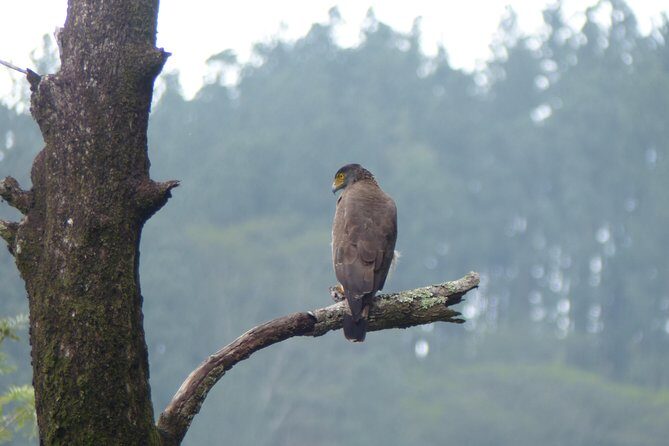
- Birds, small animals, and butterflies popping up along the trail
- Waterfall crossing and a chance to swim in a natural pool
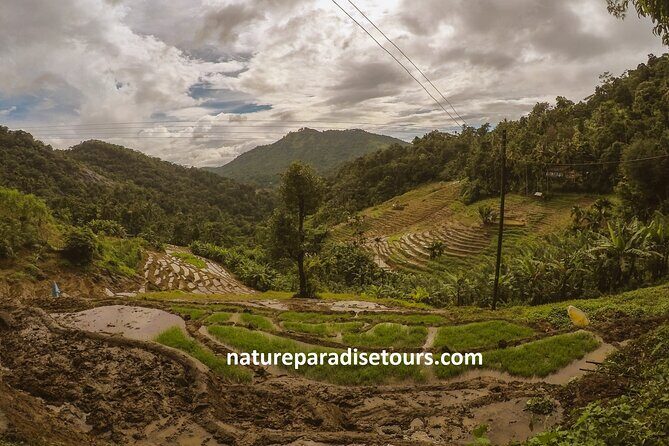
- Terraced rice fields and spice/vegetable gardens near the village
- A real local lunch (picnic or village authentic food) after the hike
From Kandy to the Trailhead: Timing That Works
Your day runs like a well-paced plan, not a rushed sprint. Pickup from your hotel is 7:00 am–7:30 am, and the transport to the start area takes about 1.5 hours. Expect trekking to begin around 9:30 am–10:00 am.
You’ll finish trekking around 2:30 pm–3:00 pm and return to Kandy afterward, keeping the total experience around 8 hours. That timing is a big deal if you’re basing yourself in Kandy and don’t want a full-day logistics puzzle.
The walk itself is 4–5 hours of trekking time over roughly 10–15 km, graded as a smooth medium trek. The altitude change is listed as 1000 to 500 meters, so you’re not doing extreme climbing, but you still need real hiking footing.
If you like having breaks built in—forest shade, viewpoints, and then water at the waterfall—this schedule is your friend. It also means you’re back in Kandy before late evening, so you can eat well and sleep normally.
Other Kandy tours we've reviewed in Kandy


Tea Plantation Lanes and Panoramic Mountain Views
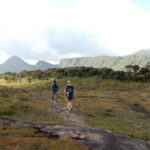
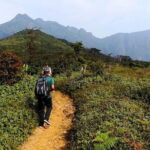
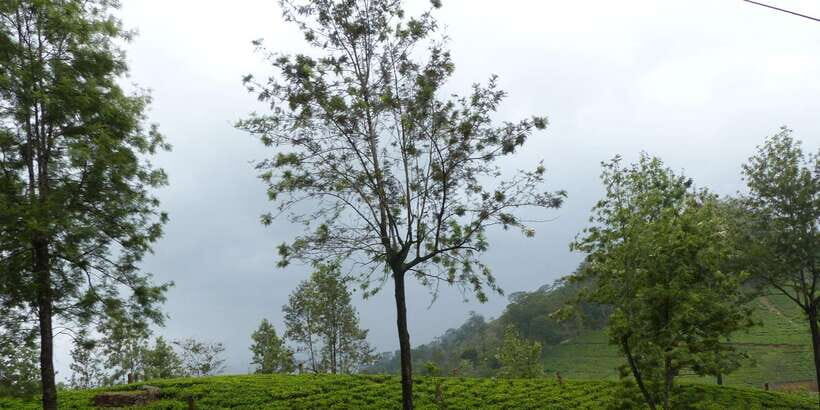
Most hikes in Sri Lanka are famous for views. This one earns those views, then keeps working them into the walk. You start in tea state trails, where the plantation landscape gives you that neat patchwork look—tea hills stepping down toward villages and valleys.
What I like here is how the scenery and the guide’s explanations reinforce each other. When your guide points out plants and how they grow and get used, the tea fields stop being just background. They become the main character of the first part of the trek.
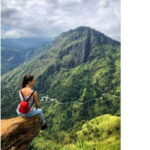
You’ll also get panoramic mountain views along the route. Sometimes it’s clear and open; other times you’ll see mist. Either way, it’s atmospheric, especially when the tea slopes stretch out and the forest edges frame the valley.
One practical note: plantation trails can be smooth but can still be slippery after rain. Bring trekking shoes you trust, not just walking sandals.
Pine and Eucalyptus Forest: The Cool-Air Section
After tea comes more texture: pine and eucalyptus forest. This is the part where the air can feel cooler and the trail narrows into a greener, quieter corridor. The difference is noticeable, and it helps you reset your energy before the longer scenic bits later.
This section is also where you’ll start spotting more wildlife details beyond scenery. The experience includes chances to see birds, small animals, and butterflies, so keep your eyes moving. When the guide calls something out, it’s usually for a reason—this tour is set up for plant learning and noticing.
Your trekking grade stays “smooth medium,” but the forest can still feel more demanding because of footing and damp ground after showers. If you’re someone who gets cold easily, this forest stretch can cool you down fast, especially near mistier cloud-forest conditions.
Bring a light layer even if Kandy feels warm in the morning. You’ll likely appreciate it once the shade kicks in.
Birds, Plant Explanations, and Spice-Forest Learning
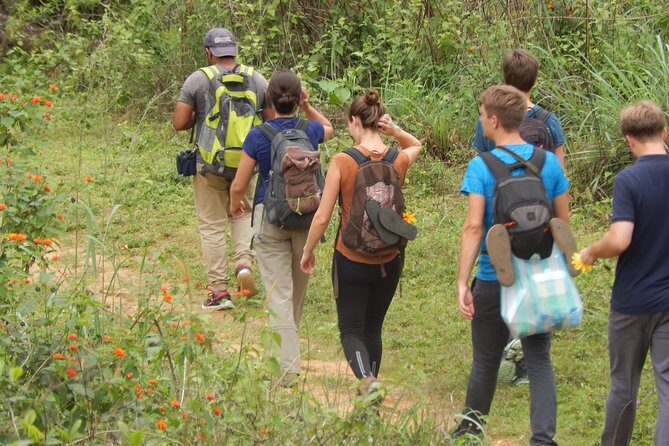
One of the most praised parts of this trek is how your guide talks to you like you’re smart and genuinely curious. You’re not just hiking—you’re getting a guided nature walk focused on plants, fruits, herbs, and spices.
English is included, and you’ll get a specialized guide throughout. In real-life terms, this means fewer silent stretches and more moments of “wait, that’s what it’s used for.” One guide name you might hear is Lakmal—and the feedback around him highlights strong explanations and plant knowledge.
You’ll pass through areas that connect spice forests and cultivated plots. That’s where you’ll likely notice how many plants are not just decorative; they’re part of daily life and local work. In one case, a vegetarian guest specifically had their lunch catered, which hints that the guide team pays attention to needs, not just the route.
If you like tasting and smelling things, you may get opportunities along the way. The tour is clearly designed for that plant-senses connection, not just visual sightseeing.
Waterfall Crossing and the Natural Swimming Pool
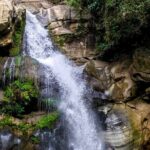
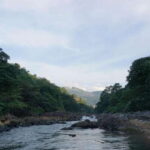
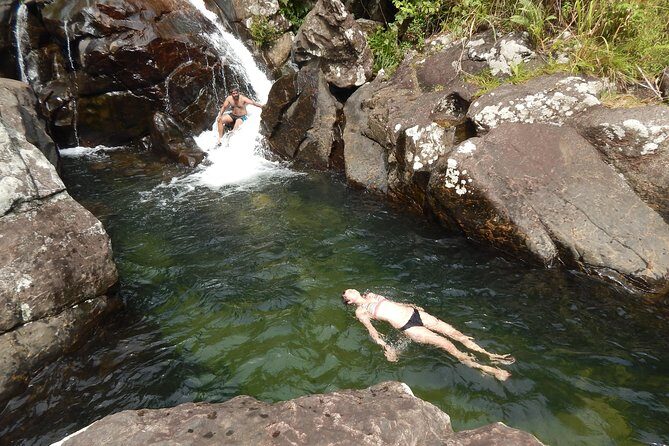
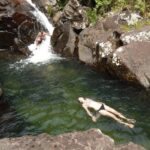
The trek includes a waterfall crossing and then a natural swimming pool. This is the part that turns a good hike into a memorable one because it breaks up the day with a real sensory reward: cold water, fresh air, and that “we earned this” feeling.
The swimming option isn’t for everyone, but it’s genuinely one of the most talked-about highlights. Expect the water to be pretty cool. You’ll also have the option to try something playful: fish nibbling at your feet has come up as a fun, if slightly strange, bonus detail.
Before you get too excited, plan for the reality of natural water and changing conditions. If it has rained, the ground near the waterfall can be muddy, and the pool area can be slippery. Swim footwear is not listed, but having something you can stand in safely is a smart move.
If you do swim, follow the day’s practical advice: bring swimwear and a change of clothes if you can. Even a quick rinse will make the rest of the day feel better.
Other hiking tours in Kandy

Terraced Rice Fields and Village-Path Views
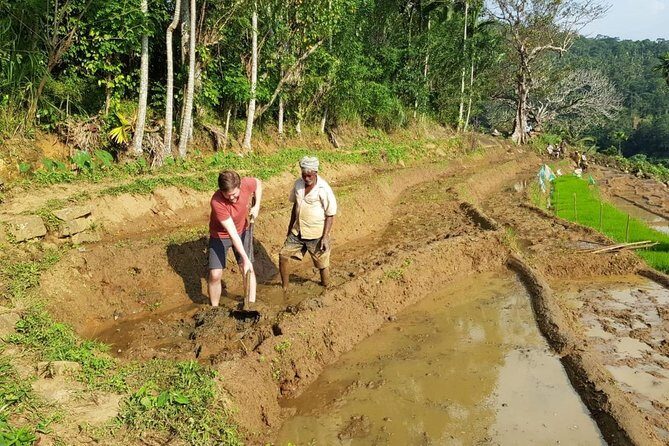
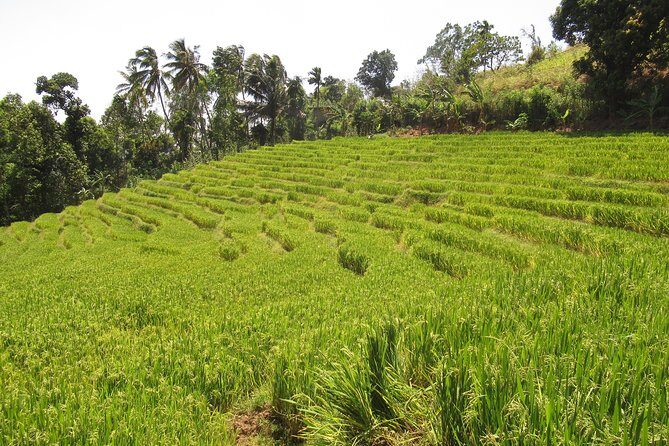
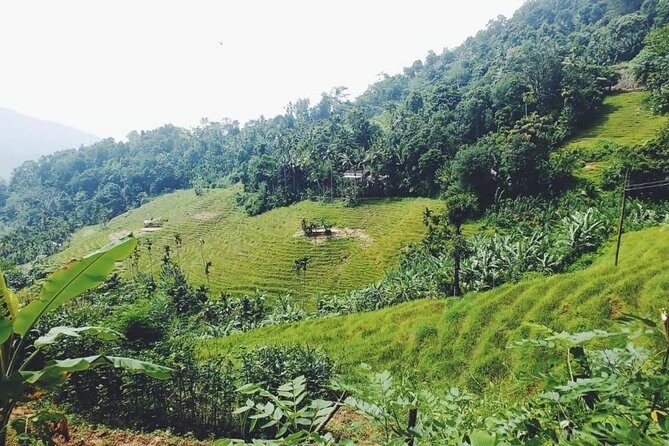
After the forest and water moment, the route moves into a more open, human-shaped landscape. You’ll walk through magical terrace rice fields, where the hills turn into stair-steps of cultivation.
This is also a great segment for photographers because you’ll see patterns—lines, levels, and the way fields cut across slopes. It’s not just a pretty view; you’re seeing how people work the land in a place where every slope has purpose.
As you approach the village side of the route, you’ll pass vegetable gardens and spice gardens. These aren’t abstract “farm fields.” They’re part of everyday food and flavor production. Your guide can explain what you’re seeing and how it fits into local life.
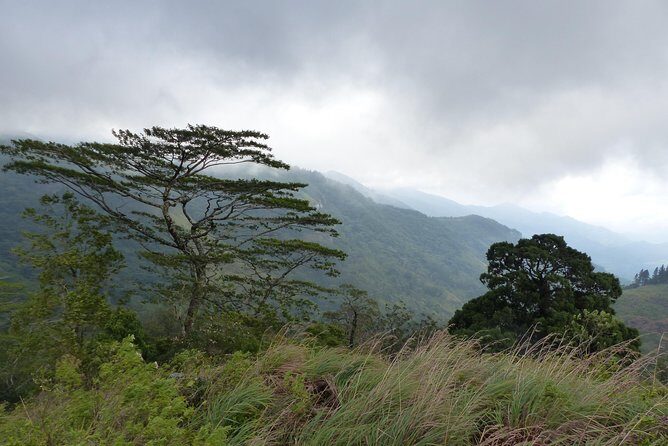
One of the more rewarding parts is the chance to meet village people and learn about village culture. Even if you don’t speak the local language, a village walk works because it’s observational and respectful. People tend to react to curiosity and a calm attitude.
Lunch With Locals: Picnic vs Authentic Village Meal
Lunch is included, and you’ll choose between picnic lunch or village authentic lunch, depending on the day’s plan. Either way, it’s timed after the trekking effort, so it feels like a reset button rather than a random stop.
The food is described as fresh and authentic in the feedback, including a rice-and-curry style meal. One traveler also noted that the team accounted for a vegetarian preference, which is a good sign if you have dietary needs.
This lunch stop matters because it keeps the day grounded in local life. Instead of eating at a scenic viewpoint restaurant, you’re getting a meal connected to the environment you just walked through.
Practical tip: after you swim, appetite comes fast. I’d bring an easy posture for eating too—don’t plan anything intense right after lunch, since the rest of the day can still include walking through village paths.
Difficulty, Weather Reality, and What to Pack
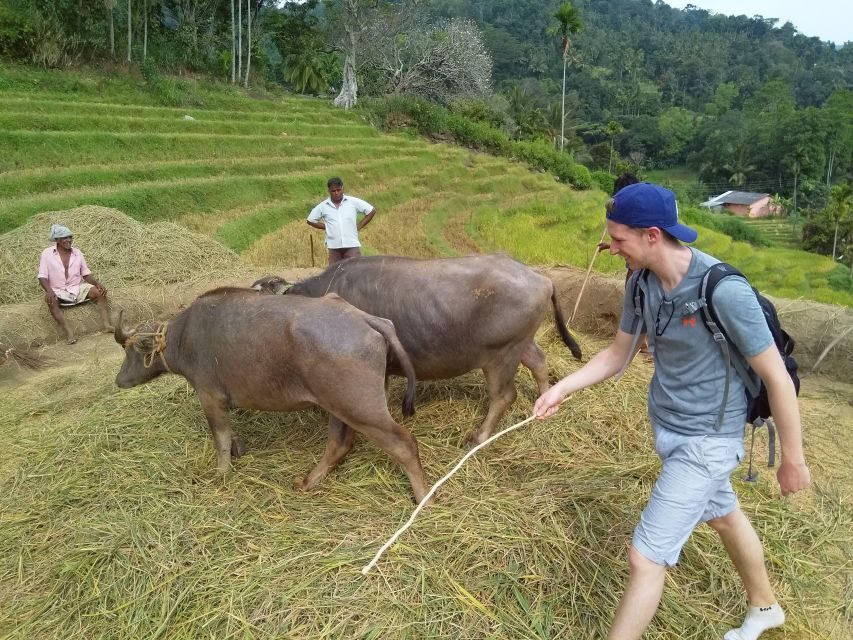
This is not a beginner crawl, but it’s also not a technical climb. The grade is listed as smooth medium, with trekking time 4–5 hours and a distance of 10–15 km. If you’re comfortable walking for a few hours and you have decent shoes, you’ll likely be fine.
Weather is the big variable in Central Sri Lanka, especially with forest and waterfall crossings. In heavier rain, expect more mud. One traveler even described leeches during rainy stretches, and while the day became easier as conditions improved, it’s a reminder that nature is nature.
So pack like you mean it:
- Trekking shoes with grip
- Rain jackets or a real rain layer
- Swimwear if you want the pool option
- Sunscreen (tea country sun can still bite)
- A small backpack
- Sun protection and comfortable clothes you don’t mind getting a bit dirty
The tour also includes precautions and passenger insurance, which is reassuring because trekking and water add real-world risks. You still control the basics—footing and hydration.
Hydration is included via water and snacks, but it’s still smart to pace yourself. Stop when you need to. This route is about enjoying the plants and views, not racing the clock.
Value for $101: What You Actually Get
At $101 per person, this trek is priced like a quality guided experience, not just transport to a trail. The value comes from the combination of things you’d otherwise pay separately: a specialized guide, transport from Kandy, entrance ticket(s), and a included lunch.
Here’s why that matters. A tea-and-waterfall trek sounds simple until you add guidance for what you’re seeing. This tour gives context for tea, spices, gardens, and village life, which turns the hike into something educational and memorable. Two separate guide names came up in the feedback—Lakmal and Ashoke—and both are described as helpful, friendly, and strong on plant knowledge.
Then there’s the included “materials” cost: water and snacks, plus lunch. You won’t be stuck improvising a meal at the end while you’re tired. That convenience is a real money-saver in practice.
One more value point: it’s a private group with an English live tour guide. Private doesn’t always mean luxury here—it mainly means your pace and questions can fit you better. If you want more interaction and fewer awkward pauses, that matters.
Who This Trek Suits Best (and Who Should Skip It)
This is a great fit if you want a nature walk that’s also a cultural and plant-learning day. I’d point you here if you like:
- Tea plantations and want to understand how tea connects to daily life
- Spices, herbs, and garden crops beyond just seeing them
- Walking with scenery changes, not one long view the whole time
- A fun water break with a natural pool option
It may be less suitable if you want a fully easy, flat stroll. The trek is medium grade and covers 10–15 km, so it needs stamina and decent footing.
The activity is not suitable for wheelchair users, babies under 1 year, or people over 95 years. If you’re in any other borderline fitness category, you’ll want to think honestly about your ability to handle wet ground near the waterfall.
Should You Book the Knuckles Spice Trail Trek from Kandy?
If you’re in Kandy and you want one day that feels like tea country plus village Sri Lanka plus a nature swim, this is an easy recommendation. The strongest parts are the plant-focused guiding, the trail variety, and that waterfall pool payoff.
Book it if you’re comfortable walking for half a day, you like learning what you’re seeing, and you’re ready for rain as a possibility. Bring the gear and you’ll turn weather into atmosphere instead of a problem.
Skip it if you want a no-mess hike with zero mud chances and no wildlife/bugs. Natural trails come with natural surprises, and this route leans into that reality.
FAQ
What time do you pick me up in Kandy?
Pickup is scheduled between 7:00 am and 7:30 am.
How long is the trekking part, and what distance will I walk?
Trekking time is about 4 to 5 hours, covering roughly 10 to 15 km.
What altitude range is the trek at?
The trek lists an altitude range from 1000 to 500 meters.
Is the trek a beginner-level walk?
The grade is listed as smooth medium. It’s not described as easy or flat, so good walking shoes and solid pacing help.
Do I get lunch, and what kind is it?
Lunch is included and can be picnic lunch or village authentic lunch, plus water and snacks.
Can I swim during the tour?
Yes. The route includes a natural swimming pool by the waterfall, and you should bring swimwear if you plan to join in.
What language is the guide, and is it private?
The tour includes a live English guide and is listed as a private group.
What should I bring for rain and sun?
Bring trekking shoes, rain gear, sunscreen, and a small back pack. If you want to swim, also bring swimming cloths.