REVIEW · KANDY
Knuckles Leopard trail Trek from Kandy
Book on GetYourGuide →Operated by Nature Paradise Tours · Bookable on GetYourGuide
Tea trail hikes turn quiet forests into real magic. The Knuckles Leopard Trail trek is a full, guided day in Sri Lanka’s Central Highlands, starting with a scenic drive out of Kandy and turning into uphill walking through tea trail paths, dwarf cloud forest, and a cooler, rockier “silent” zone. Two things I really like: the chance to reach Knuckles peak viewpoints and the way your guide helps you notice endemic flora and fauna up close, including leopard signs (one guide even found tracks).
One consideration: this is a hard-medium hike, with 6–7 hours of walking over gravel, rocky ground, and wet/muddy patches. You’ll likely come back feeling dirty, and the day starts early, so it’s not a lazy-sunshine outing if you prefer flat routes.
In This Review
- Key Points to Know Before You Go
- Knuckles Leopard Trail: what a day from Kandy really feels like
- Getting to the trailhead and the early-morning rhythm
- Uphill on the Tea Trail: gravel paths, wooden bridges, and dwarf cloud forest
- The silent rocky plateau and Knuckles peak viewpoints
- Waterfalls, picnic lunch, and cooling off in the natural pool
- Wildlife and plants: how the guide turns spotting into a real activity
- Pace, difficulty, and who should choose this hike (or not)
- Price and logistics: is $108 good value?
- Packing checklist for muddy, wet, and possibly slippery trails
- Who this Knuckles day trek is perfect for
- Should you book this Knuckles Leopard Trail trek?
- FAQ
- What time do you pick up from hotels in Kandy?
- When does the trekking start and end?
- How long will I be trekking?
- How far and how high is the trek?
- Is the trek easy or hard?
- Are there waterfalls and swimming?
- What should I bring with me?
- What is included in the price?
- Is there a guide, and what language do they speak?
- Can I cancel for a refund, and can I reserve without paying now?
Key Points to Know Before You Go
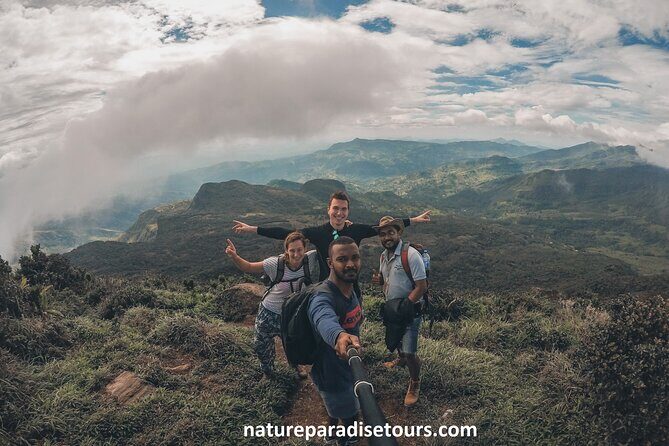
- Tea trail uphill into the Knuckles “silent forest” with crossing wooden bridges and thick forest plant life
- Peak views from Knuckles plus a big rocky plateau feel for wide-open sightlines
- Waterfall stop for picnic lunch and a chance to cool off in a natural pool
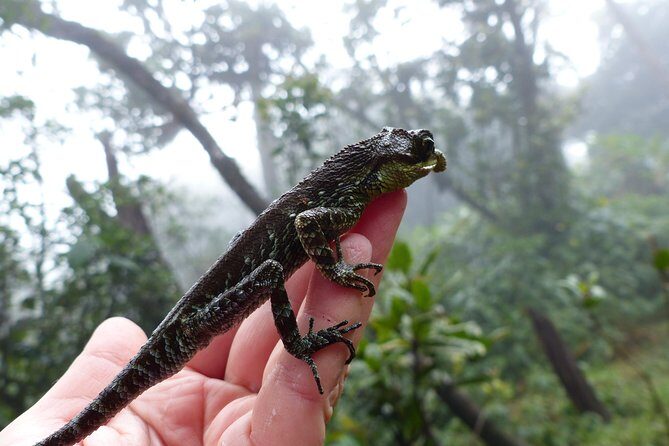
- Endemic plants and animals spotting with a guide who keeps you looking at the right details
- Leopard trail focus on signs, not guarantees, with leopard track spotting possible
- Private transport from Kandy for a simple, door-to-door day plan
Knuckles Leopard Trail: what a day from Kandy really feels like
This trek is one day, but it moves like a mini expedition. You start with a pickup in Kandy, ride into the Knuckles range, then spend hours climbing through changing forest types and terrain. It’s the kind of hike where the “reward” isn’t just a single view—it’s the build-up: forest texture, stream sounds, and that moment when the trail opens to a rocky plateau and you finally get the big sky.
The itinerary is built around several distinct environments. First you work your way up on tea trail paths toward quieter forest. Then you hit the plateau/peak viewpoint zone. Finally you come back downhill toward the eastern slope, with a waterfall and natural pool stop to break up the walking.
If you like hikes with guided interpretation—plants, small animals, and forest clues—this works well. If you just want to walk without thinking, you might still enjoy it, but you’ll miss some of what makes the day special.
Other Kandy tours we've reviewed in Kandy

Getting to the trailhead and the early-morning rhythm
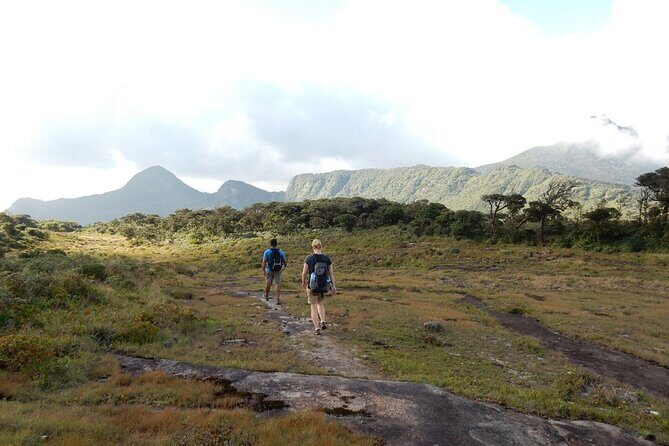
Expect an early start. Pick-up in Kandy is typically 7:00 am to 7:30 am, and the ride to the Knuckles area takes about 1.30 hours. Trekking usually begins around 9:30 am to 10:00 am, depending on where your hotel is and how things go on the road.
That timing matters because this hike covers a lot of ground: 16 to 21 km and 6 to 7 hours of trekking. Starting later in the morning doesn’t sound like much, but on a steep trail it changes how fresh your legs feel by midday. I’d plan your morning like an athlete: breakfast, water, and shoes already tied before you’re out the door.
Because your return depends on traffic and your hotel location, you should expect to be back in Kandy around 4:30 pm to 5:00 pm. This is a full-day schedule—no half measures.
Uphill on the Tea Trail: gravel paths, wooden bridges, and dwarf cloud forest
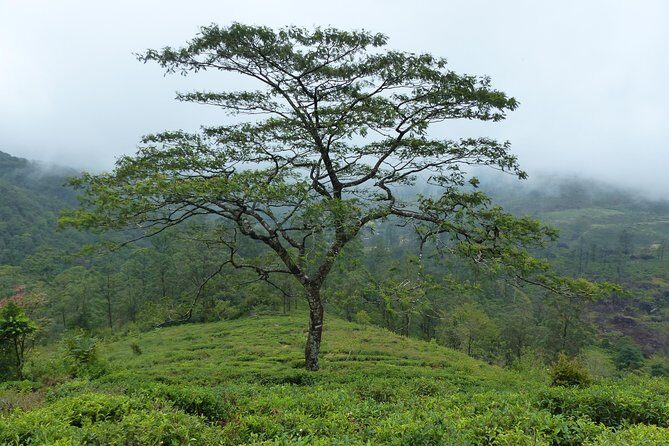
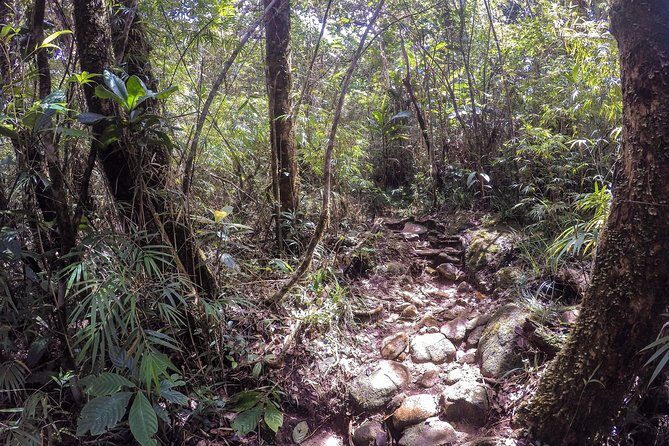
The uphill section is where you feel the Knuckles change under your feet. Your route starts on tea trail uphill—gravel, rocky patches, and stretches where the ground shifts between firmer path and rougher, muddy edges after rain. You’ll also cross wooden bridges, which are both practical (over small channels/streams) and a good “reset” moment in the day.
As you gain altitude (the trek sits roughly between 1000 and 1900 meters), the forest quality changes. You’ll walk through evergreen dwarf cloud forest, plus areas with endemic creepers and cane bamboo. It’s the sort of environment where the details matter: leaf shapes, the way plants grow close together, and the occasional glimpse of movement you might otherwise miss.
Your guide’s role becomes very practical here. In English, they point out what you’re seeing—endemic flora and fauna and forest signs. One standout example from a guide named Ashoke: he identified plants and animals along the way and even spotted leopard tracks. That’s not a guarantee you’ll see a leopard, but it does show how the guide trains your eyes to look for signs.
Bottom line: if you want a hike that’s more than “just walking,” the uphill trail is the best place for it.
The silent rocky plateau and Knuckles peak viewpoints
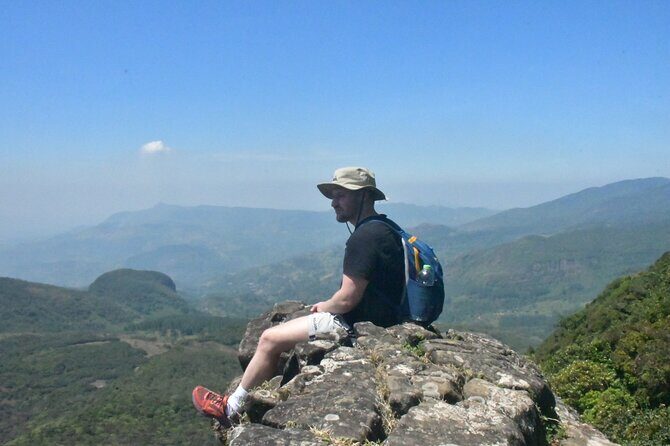
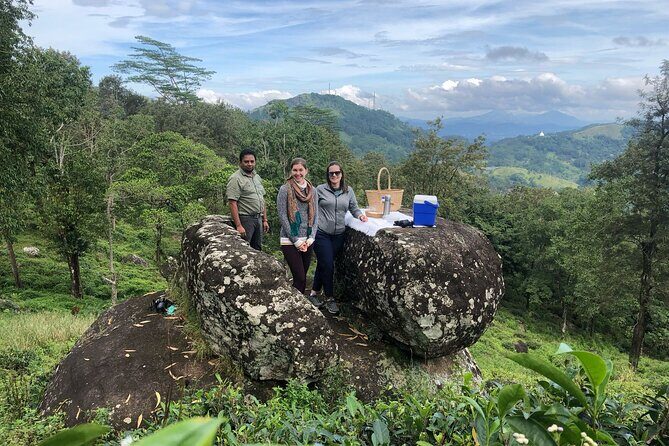
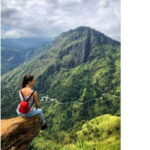
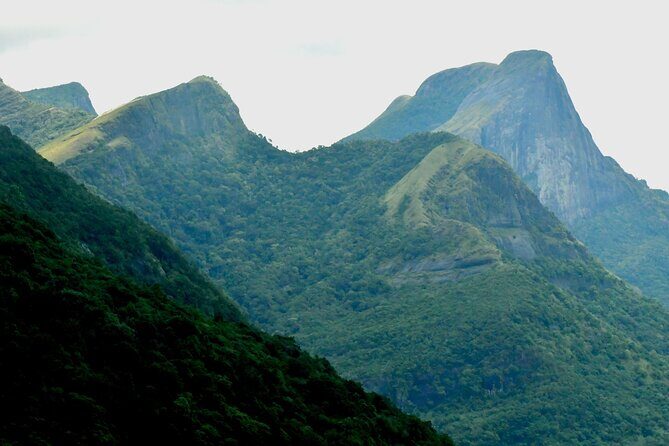
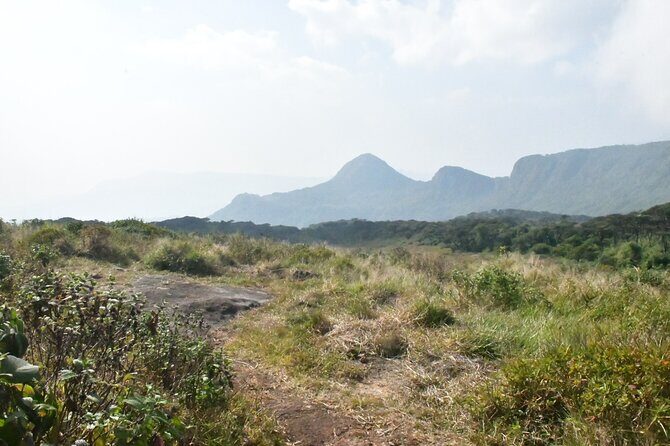
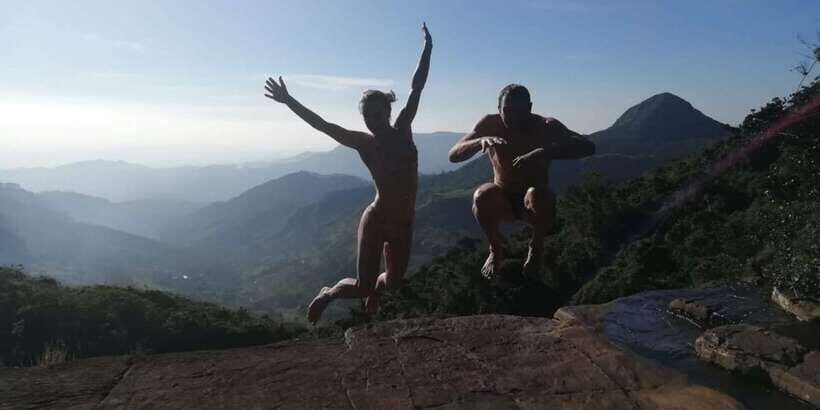
At some point, the forest compresses, then suddenly opens. You reach a silent large rocky plateau area and continue with a peak view segment. This is the payoff zone where you feel the effort you put in earlier, and you get a more expansive sense of the range.
This part also tends to be more exposed. Rocky and plateau terrain can mean you’re dealing with uneven footing and occasional slick spots, especially if it rained. Keep your pace steady here and don’t rush photos—getting your footing first saves you from the “oops” slips that can happen on stone.
One thing I like about this trek’s design is that the peak experience isn’t “one quick photo and done.” You’re walking into it, getting time to absorb the view, then easing back downhill afterward. If you’re the type who enjoys lingering at viewpoints, you’ll appreciate that rhythm.
Waterfalls, picnic lunch, and cooling off in the natural pool
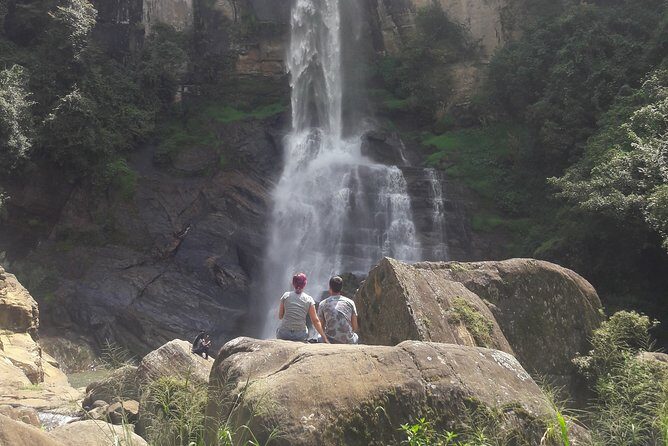
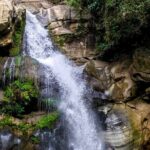
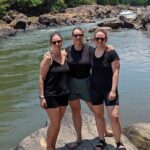
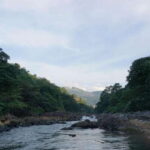
Lunch is not stuck at a restaurant table. You’ll enjoy a picnic lunch during trekking, and the spot is described as being at or near a waterfall with a natural pool, or sometimes at a Knuckles peak area depending on the day’s route.
This matters because it changes how lunch feels. Eating in the forest near water makes the day more than just endurance. There’s a sensory shift—sounds, cooler air, and a break from the constant climbing.
And yes, swimming can be part of the plan. The tour specifically calls for bringing swimwear, and the hike includes swimming opportunities. That’s a big plus if you’re okay with the reality that you might get wet on the hike anyway—and then intentionally get wet again at the waterfall. Bring a small dry bag or plan for how you’ll keep essentials away from water.
If you want a practical tip: pack your swimwear and sun cream so they’re easy to reach when you get to the waterfall stop. Don’t bury them under rain gear. On a muddy day, you’ll thank yourself.
Other wildlife safari tours we've reviewed in Kandy
Wildlife and plants: how the guide turns spotting into a real activity
This trek’s “leopard” part is best understood as a focus on the ecosystem and signs, not a promise of a sighting. Still, it’s one of the reasons the hike feels different from a generic nature walk. The tour experience includes wildlife viewing and strong attention to fauna & flora.
Your guide helps you interpret what you’re seeing. That could mean pointing out endemic plants, explaining how certain forest zones work, or scanning for animals and their presence. In one detailed account, Ashoke found leopard tracks during the drive and hike area. Another guide focus highlighted herbs and spices—so you may get practical plant knowledge as you walk.
Even if you don’t see any large animals, you can still get a “wow” from the smaller things: varied forest structure, unique plant types, and the feeling of moving through a protected conservation zone (you’ll have entry/admission to Knuckles Conservation Forest included).
Pace, difficulty, and who should choose this hike (or not)
The trekking grade is described as hard medium, and the timing confirms it. You’re looking at 6 to 7 hours of walking, plus a trail distance up to 21 km, with an altitude range up to 1900 meters.
If you have low fitness, this is likely more work than you want for a single day. The tour is not suitable for people with altitude sickness either. Also, there are clear age limits: children under 5 and babies under 1 aren’t suitable.
What “hard-medium” means in real life:
- you should expect mud, gravel, and wet patches
- you’ll need good shoes with grip
- you should move at a steady walking pace for hours, not “start fast, stop often”
The good news? You can take breaks and the hike is guided, which tends to make it feel safer and more purposeful. One review noted the pace felt manageable with a normal fitness level. Still, bring realistic expectations: this is exercise with scenery, not scenery with light walking.
Price and logistics: is $108 good value?
At $108 per person for a one-day, guided trek from Kandy, value comes from what’s included—not just the base number. Your price includes:
- picnic lunch
- bottled water
- coffee and/or tea
- private transportation
- all fees and taxes
- entry/admission to Knuckles Conservation Forest
That’s a solid bundle for a full-day hike. You’re not paying separately for transport, park entry, or the basics for the day. The trek also includes an English-speaking live tour guide, which is a big part of the experience given how much the day depends on spotting and explanation.
What you should budget separately: personal expenses. That’s vague on purpose (snacks, souvenirs, anything extra you buy during the day). If you stick to what’s included, your spend is likely close to the advertised price.
Packing checklist for muddy, wet, and possibly slippery trails
The tour is clear on this: you should wear clothes and shoes that can get dirty. Expect mud and water on the trail, especially if conditions are damp.
Bring:
- Trekking shoes (non-slip grip is key)
- Rain jackets or rain gear
- Small back pack
- Sun cream
- Swim cloths/swimwear for the waterfall pool option
And I’ll add one practical mindset: pack so you’re not constantly changing outfits. On a day like this, you’ll do your best when you keep layers simple and dry things accessible when needed.
If you’re sensitive to cold at higher altitudes, plan your clothing accordingly, since the trek reaches up to around 1900 meters.
Who this Knuckles day trek is perfect for
This is a great fit if you:
- want a guided hiking day with endemic flora and fauna spotting
- like the mix of forest trails, rocky plateau viewpoints, and a waterfall break
- enjoy learning details from a guide (including plant knowledge and sign-spotting like leopard tracks)
- can handle a full day with 6–7 hours of trekking and muddy terrain
It’s not for you if you:
- need very easy walking or flat terrain
- have altitude concerns
- dislike getting wet and dirty (even if the views are worth it)
Should you book this Knuckles Leopard Trail trek?
I’d book it if you want a focused, well-led day in the Knuckles Mountains that includes the parts most people remember: the peak views, the waterfall picnic with a natural pool, and the guide’s help noticing wildlife and plants. With private transport and park entry handled, it’s also a straightforward choice from Kandy.
If you’re unsure, decide based on your fitness and footwear. The route is described as medium-hard, muddy, and wet afterward—so the biggest “make or break” factor is whether you’re comfortable with that.
If you’re ready for a full hiking day with real nature time, this is a strong way to spend your day in the region.
FAQ
What time do you pick up from hotels in Kandy?
Pick-up is typically between 7:00 am and 7:30 am. The exact timing can vary depending on your hotel location.
When does the trekking start and end?
Trekking usually starts between 9:30 am and 10:00 am. The trek ends around 4:30 pm to 5:00 pm, depending on return timing and traffic.
How long will I be trekking?
Trekking time is about 6 to 7 hours.
How far and how high is the trek?
The distance is around 16 to 21 km, and the trek reaches an altitude range of about 1000 to 1900 meters.
Is the trek easy or hard?
It’s graded as hard-medium. You should expect steep sections and rough, gravel or rocky paths.
Are there waterfalls and swimming?
Yes. The picnic lunch is at a waterfall with a natural pool, and swimming is part of the plan. Bring swimwear.
What should I bring with me?
You’ll want trekking shoes, rain gear (rain jackets), a small daypack, sunscreen, and swimwear.
What is included in the price?
Included are picnic lunch, bottled water, coffee and/or tea, all fees and taxes, private transportation, and entry/admission to Knuckles Conservation Forest.
Is there a guide, and what language do they speak?
Yes. The tour includes a live guide who speaks English.
Can I cancel for a refund, and can I reserve without paying now?
Free cancellation is available up to 24 hours in advance for a full refund. You can also reserve now and pay later to keep plans flexible.