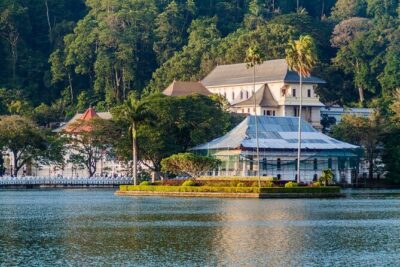
Polonnaruwa feels like a time machine. This private day tour strings together the city’s biggest hits and a few lesser-visited religious spots, all with a dedicated guide so you can set the pace. I love the personal pace and the way stops like Gal Vihara and the Sacred Quadrangle become easier to understand when someone can translate the stories for you. One possible drawback: it’s a long day (often 6–7 hours), so plan for tired feet if you’re not used to ruin walking in the sun.
The experience starts at the Archaeological Museum area (near the main entrance zone) and ends back at the same meeting point. You’ll also get a mobile ticket, which is handy in a place where you don’t want extra paperwork cluttering your day.
From what I can see in real-world feedback, guides like Tharindu (and also Tarry/Thari) get praised for clear explanations and strong English, plus patience when questions keep coming. Still, accents can vary, and one review noted it wasn’t always easy to catch every word—so if you need crisp English, communicate that up front.
In This Review
- Key Highlights You’ll Actually Care About
- Why This Polonnaruwa Private Day Tour Works Better Than Going Solo
- The Route: Archaeological Museum to Royal Palace and the Sacred Quadrangle
- Gal Vihara and the Image Houses: Where the Stones Start Talking
- Temples, Monastic Learning, and the “Why Here?” Moments
- Rice and Curry Time on Priyamali Gedara Road (Plan for Lunch Cost)
- Deepa Uyana, Parakrama Samudraya, and the Sunset-Style Finish
- Price and Value: What You’re Paying For (and What Costs Extra)
- How to Prepare for a 6–7 Hour Ruin Day in Polonnaruwa
- Should You Book This Polonnaruwa Private Day Tour?
- FAQ
- How long is the Polonnaruwa Ancient City private day tour?
- What does the tour cost?
- What is included in the price?
- What is not included?
- Do I need to buy tickets for the sites?
- What is the meeting point?
- Where does the tour end?
- Is this tour private?
- Can I participate if I’m traveling on limited mobility or don’t want intense walking?
- Is cancellation free?
Key Highlights You’ll Actually Care About
- Dedicated private guide: you’re not stuck with a scripted group pace
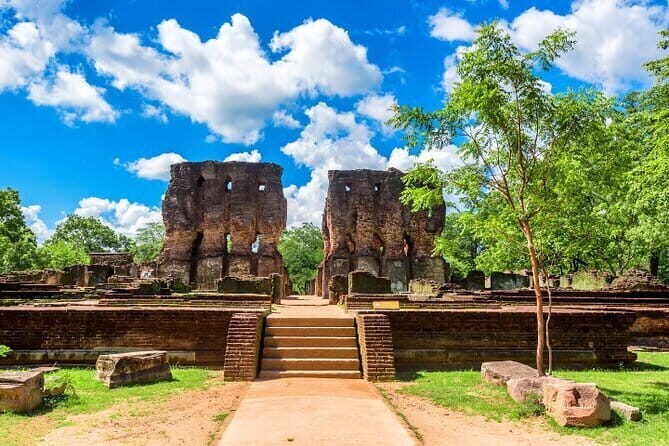
- Sacred Quadrangle focus: Vatadage, image houses, and major stupas in one loop
- Gal Vihara time with context: rock-cut Buddha statues become more than photos
- Sunset-style finish: Parakrama Samudraya viewpoints at the end make the effort feel worth it
- Short, efficient stop times: lots of ground covered, so you spend less time wondering what you’re looking at
- Guide-driven safety and logistics: guides are repeatedly mentioned for getting people back safely and managing the route
Why This Polonnaruwa Private Day Tour Works Better Than Going Solo
Polonnaruwa is not one monument. It’s a whole ancient layout spread across a heritage site. A self-walk can turn into a blur of stone and half-understood shapes—unless you’re the kind of person who loves figuring everything out by labels and guesswork.
That’s where a private guide changes the whole vibe. You get a real conversation around what you’re seeing: who built it, what the structures were for, and why certain spots matter more than they look at first glance. In reviews, guides such as Tharindu and Tarry are specifically praised for answering questions and keeping the explanations patient and clear, even when people ask follow-ups.
You also get flexibility. The tour is built around a route, but private means you’re not stuck waiting for the slowest member of a group. And you can slow down when a site grabs you—especially at major locations like Gal Vihara and the image houses, where details reward a little extra time.
One practical consideration: with 13 stops and several 15-minute segments, you’ll want to stay mentally switched on. If you hate rushing through ruins, you may prefer a tighter itinerary or you may ask the guide to extend the places you care most about.
If you're still narrowing it down, here are other tours in Batticaloa we've reviewed.
The Route: Archaeological Museum to Royal Palace and the Sacred Quadrangle
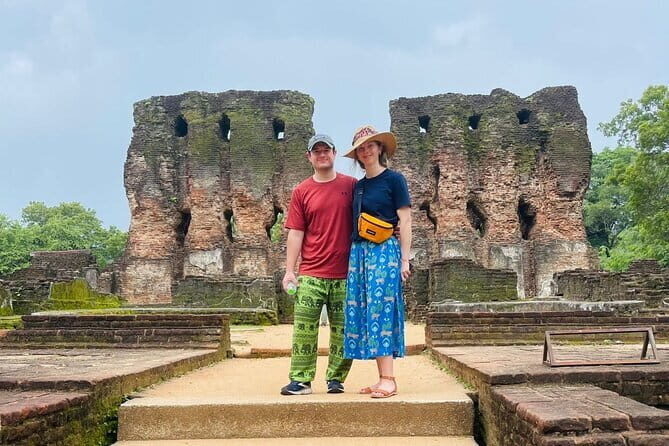
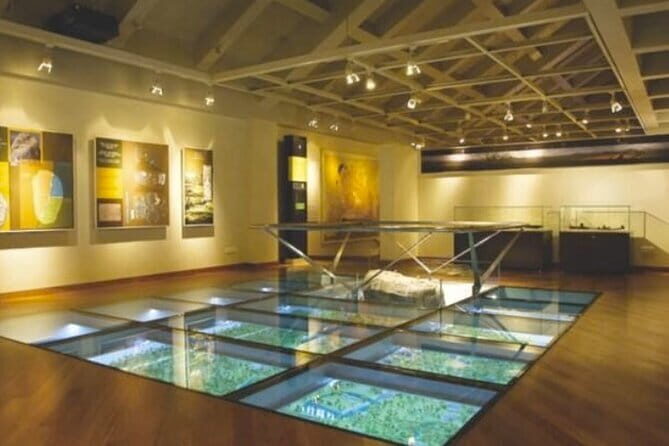
Your day begins near the Archaeological Museum, right by the entrance area to the Polonnaruwa Heritage Site. The museum stop is short (about 30 minutes) and doesn’t include the admission fee, but it’s a smart move. A quick orientation here helps you later spot patterns—religious design choices, royal symbolism, and how the city was organized.
Next is the Palace of King Parakramabahu. This one is free to visit in the schedule, and it’s described as a surviving remnant of a palace that once rose as high as seven stories. Even if you’ve seen palace ruins elsewhere, Polonnaruwa’s version feels distinctive because it ties directly to a specific ruler, and your guide can point out what still reads as royal power versus what’s just foundation.
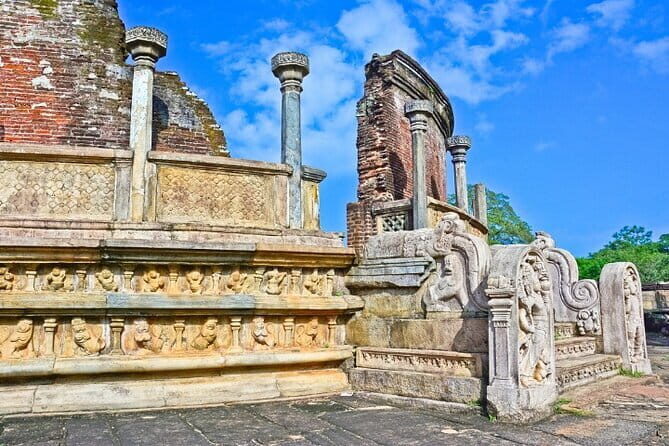
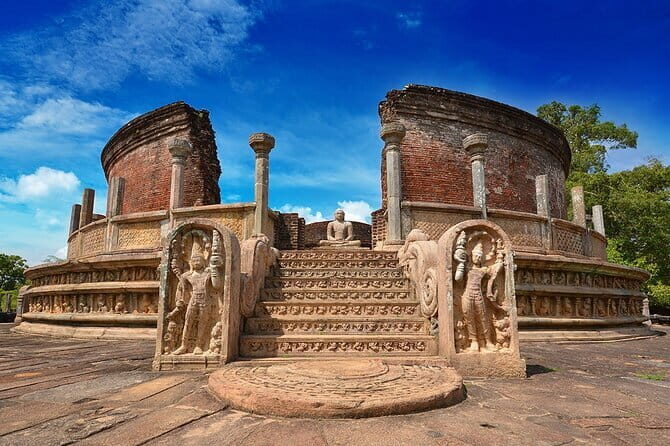
Then comes the heart of the day for most people: the Sacred Quadrangle zone. The itinerary includes the Polonnaruwa Vatadage—a circular relic house designed to protect a sacred stupa. It’s a highlight because the architecture is purposeful, not random, and the structure’s carvings and layout give you something to look at besides the overall shape.
After that, you’ll swing into the temple-and-stupa section with:
- Shiva Devalaya No. 2 (Hindu Temple): a well-preserved Shiva temple tied to the city’s multicultural layers, including influence from South Indian Dravidian architecture. This is a short stop, but it’s one of the best opportunities to understand that Polonnaruwa wasn’t only Buddhist.
- Pabalu Vehera: a stupa known for unique design traits and historical significance during King Parakramabahu I’s reign.
- Rankoth Vehera: the largest stupa in Polonnaruwa, associated with King Nissanka Malla in the 12th century.
These stops are brief—often 15 minutes each. That’s not a dealbreaker, but it means you should come in ready to look actively. If you’re the kind of person who reads every plaque, you may feel squeezed. If you’re comfortable with a guided explanation plus your own eyes, you’ll get more out of the quick stops than you expect.
Gal Vihara and the Image Houses: Where the Stones Start Talking

If there’s one place you should treat as a true centerpiece, it’s Gal Vihara. The itinerary gives it about 30 minutes, and it’s known for the rock-cut Buddha statues dating back to the 12th century. This is one of those sites where you can easily take great photos and still miss the point—until someone helps you see the forms as part of a larger religious space.
In a good guided visit, your focus shifts to small things:
- the Buddha poses and how they relate to the overall monastic area
- how the stone was shaped to make figures feel solid and present
- why the site is considered iconic in Polonnaruwa
Nearby, you also hit the Thivanka Image House. It’s a smaller time block (about 15 minutes), but it’s described as having impressive size and detailed artwork tied to Parakramabahu I’s reign in the 12th century. This is a good pairing with Gal Vihara because you go from big, sculptural figures to a building designed to hold and display religious art in a more structured way.
Practical thought: since these are short segments, don’t wait until you’re tired to start paying attention. I’d pace yourself early and save your longer questions for when you reach these major stops.
Temples, Monastic Learning, and the “Why Here?” Moments
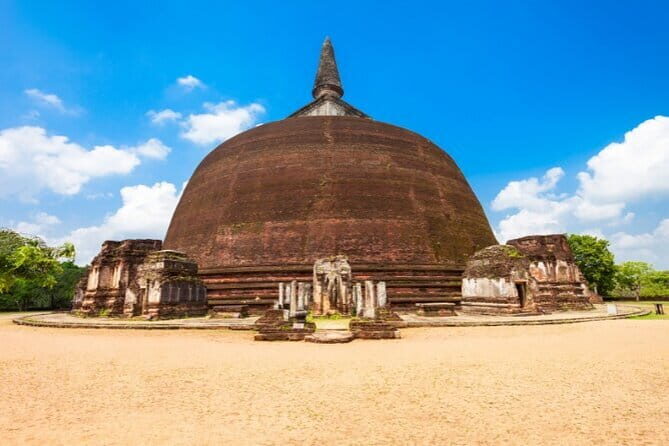
Polonnaruwa’s variety is the point. This tour doesn’t just march you from one Buddhist landmark to the next. It threads through royal authority, monastic life, and different religious expressions.
A standout in the schedule is Alahana Pirivena, a monastic complex associated with the 12th century and built by King Parakramabahu I. It’s listed for 30 minutes, which is the right length for a place like this. You need time to look at what’s left and understand how educational or religious life would have fit into the ancient city’s daily rhythm.
The itinerary also includes the Statue of Parakramabahu I (about 30 minutes). This is described as a monumental tribute—12 feet tall—and in a private tour, this can work well as a closing “human anchor.” After hours of stone and sanctuaries, it’s easier to remember you’re seeing a city shaped by specific leadership.
If you’re lucky, the guide may also make a temple moment more meaningful than a quick photo stop. One review mentioned a Hindu blessing experience at a temple stop. That’s not guaranteed in the abstract, but it’s a good reminder: religious sites can be living spaces, not just museum pieces.
One drawback to keep in mind: a review noted an issue with not realizing you can’t walk between some sections the way you might assume. Polonnaruwa’s layout can feel walkable on a map, but in practice you may rely on vehicle movement between certain clusters. So don’t plan your day like everything is connected by a straight path.
Rice and Curry Time on Priyamali Gedara Road (Plan for Lunch Cost)
About 1.5 hours is set aside for Priyamali Gedara Road, where the tour describes a traditional Sri Lankan rice and curry experience. This portion is listed as free for admission, but the broader tour information says breakfast and lunch are not included.
So treat this stop as: time built into the schedule to eat, not a guaranteed included meal. If you’re counting on one specific dietary setup (vegetarian, spicy level, allergies), you’ll want to plan for how you’ll order once you’re there. The upside is you’ll have real time, not a rushed “grab something and go.”
If you’re sensitive to heat, this is also a smart moment to cool down and reset. A 6–7 hour ruins day can get tiring, and at least one review called out that by the later portion, fatigue set in.
Deepa Uyana, Parakrama Samudraya, and the Sunset-Style Finish
The last stretch shifts from monuments to mood.
First up is Deepa Uyana, also called King Nissankamalla’s Pleasure Garden. You get about 30 minutes, and it’s described as a landscaped retreat designed for relaxation and enjoyment. This is a relief after temples and carvings, and it helps you mentally switch gears—from history-as-structure to history-as-place.
Then you reach the Parakrama Samudraya View Point with about 30 minutes allocated. The tour frames this as a sunset view over the huge reservoir, known as the Sea of Parakrama. Even if the sky doesn’t cooperate, the reservoir itself gives Polonnaruwa a different kind of scale. It’s not just stonework anymore; it’s water engineering and how the city fed itself.
From a pacing perspective, ending near this kind of open view can feel better than ending right back at another tight ruin cluster. Your brain is done with details, and the finale helps you cap the day with something that feels like the whole city’s purpose.
Price and Value: What You’re Paying For (and What Costs Extra)

Let’s talk money clearly.
- The tour price is $30 per person.
- The site entry/admission fee is listed separately at USD 30 per person.
- Bottled water is included.
- Breakfast, lunch, and snacks are listed as not included.
- Private transportation and an air-conditioned vehicle are listed as not included.
That sounds expensive on paper, but value comes from the private guide. You’re paying for someone to connect the stones to meaning, and reviews repeatedly praise guides like Tharindu and Tarry for knowledge, clarity, and patience. If you’re visiting on a day when you’d otherwise spend time reading labels and still feel lost, this can become a bargain.
However, plan your total budget like this:
- Expect roughly $60 per person for tour + site admission, before food.
- Add meals on top (since lunch isn’t included).
- If you want air-con transport, ask ahead. One review credited an air-conditioned car as a midday comfort, but that doesn’t mean it’s automatic for every booking.
I’d also consider how flexible you want your day to be. This route covers a lot. If you want fewer stops and longer time at each, you may get more value by discussing priorities with your guide before you start.
How to Prepare for a 6–7 Hour Ruin Day in Polonnaruwa

This isn’t a slow stroll. Even with private pacing, it’s structured to cover many locations in about half a day. A review also mentioned the day can feel long toward the end.
Here’s how you make it comfortable:
- Wear shoes you don’t mind getting dusty. You’ll be on uneven ruin surfaces.
- Bring water beyond what’s included if you’re a big water drinker.
- If you need clear English, let the guide know early. Accent issues came up in one review, even with a generally strong guide performance.
- Plan for heat, especially if your tour stretches toward midday. One review specifically praised air-con for that reason.
Also, since confirmation is received at booking time and the ticket is mobile, you’ll want your phone charged. The schedule ends back at the meeting point, so you won’t be hunting for the finish.
Should You Book This Polonnaruwa Private Day Tour?
Book it if you want a guided day that makes Polonnaruwa feel understandable, not just scenic. This tour is best for you if:
- you like history but don’t want to play archaeology detective all day
- you want lots of major sites in one visit (Vatadage, Gal Vihara, key stupas, image houses)
- you’d rather ask questions in real time than rely only on guidebooks
- you prefer a private format where pace can be adjusted
Skip or reconsider if:
- you hate long days with many short stops
- you strongly need included meals or air-conditioned transport
- you prefer a slower walk with fewer places and more time per site
If you book, I’d go in with two priorities: choose your top 2–3 sites (people often pick Gal Vihara and one other religious complex) and tell your guide what matters most. That way, even if the itinerary runs on time, you still leave feeling like you saw what you came for.
FAQ
How long is the Polonnaruwa Ancient City private day tour?
It runs about 6 to 7 hours.
What does the tour cost?
The price is $30.00 per person.
What is included in the price?
Bottled water is included. It also uses a mobile ticket.
What is not included?
Entry/admission fees for the sites are not included (USD 30 per person is listed), along with private transportation, an air-conditioned vehicle, breakfast, lunch, snacks, and gratuities (tips).
Do I need to buy tickets for the sites?
Yes. The tour notes that site entry/admission fees are not included, and it lists a USD 30 per person site fee.
What is the meeting point?
The tour starts at WXRX+PHC Archaeological Museum, Polonnaruwa, Sri Lanka.
Where does the tour end?
The activity ends back at the meeting point.
Is this tour private?
Yes. It is a private tour/activity, and only your group participates.
Can I participate if I’m traveling on limited mobility or don’t want intense walking?
The tour states that most travelers can participate.
Is cancellation free?
Free cancellation is available. You can cancel up to 24 hours in advance for a full refund, based on the local experience start time.