REVIEW · KANDY
Kandyan Hut Cooking Class
Book on Viator →Operated by Kandyan Hut Cooking Class · Bookable on Viator
Sri Lankan cooking hits different in a real kitchen. At Kandyan Hut Cooking Class in Kandy, you learn classic dishes from local chefs and you get the culture behind the flavors, not just a cooking demo. I especially like the hands-on style (you’ll actually make food) and the way teachers like Anu and the Kandyan Hut team (including Upul and his wife Asha) keep things patient and friendly.
The big drawback to consider is simple: this is active cooking, not a sit-back-and-watch lesson. If you prefer observing only, you might find the hands-on pace a little demanding.
In This Review
- Key things to know before you go
- A Kandy Kitchen Lesson That Feels Like Real Life
- Getting Set Up: Location and Timing in Kandy
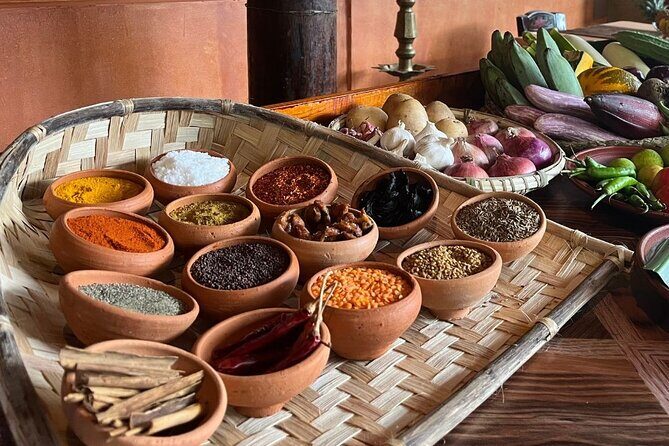
- The Spice-and-Ingredient Start That Makes Sri Lankan Cooking Click
- Market Visit Option: Picking Produce Before You Cook
- Cooking Egg Hoppers, Kottu Roti, and Coconut Curries
- Egg hoppers: the breakfast icon
- Kottu roti: comfort food with a soundtrack
- Coconut sambol and curries: the “cooling” side that makes the meal
- Dhal curry and aromatic rice-and-curry combos
- Learning From Anu, Upul, and Asha’s Teaching Style
- Tea, Local Sweets, and the Best Part: Eating What You Made
- What You’ll Take Home: Recipes You Can Actually Use
- Price and Value: What $22 Gets You in Kandy
- Who This Cooking Class Is Best For
- A Practical Note on Spice, Pace, and Mess
- Should You Book Kandyan Hut Cooking Class?
- FAQ
- How long is the Kandyan Hut Cooking Class?
- Where does the class meet in Kandy?
- Is this class private?
- What dishes will you learn to make?
- Do you get to eat what you cook?
- Is tea and dessert included?
- Is there an option to visit a market?
- What ticket do you receive?
- What are the operating hours?
- Can you cancel for a refund?
Key things to know before you go
- Private group experience: only your group joins, so you get more attention than a big tour
- You cook the classics: egg hoppers, kottu roti, coconut sambol, dhal curry, and rice-and-curry combinations
- Tea and local sweets included: you don’t just learn, you also taste the day’s flavors
- Optional market visit: you may be able to pick fresh ingredients with your host
- Recipes come home with you: you’ll leave with a way to repeat what you learned
A Kandy Kitchen Lesson That Feels Like Real Life
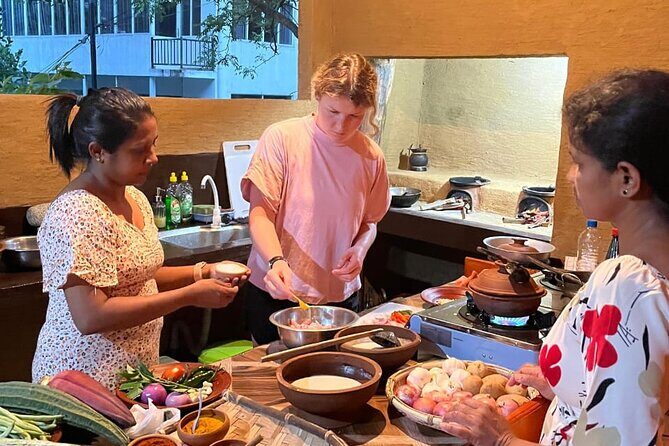
Kandy is a great base for Sri Lanka food, because the cooking here follows everyday logic: spices first, fresh ingredients close by, and meals built around rice, curry, and small sides. At Kandyan Hut Cooking Class, the focus is on those building blocks, so once you understand the “why,” the dishes start making sense.
What I like most is that you’re not just handed a list of ingredients. You get guidance step-by-step, and the chefs explain the traditions behind what you’re making. That turns the session into practical learning you can actually use later.
Other Sri Lankan cooking classes we've reviewed in Kandy

Getting Set Up: Location and Timing in Kandy
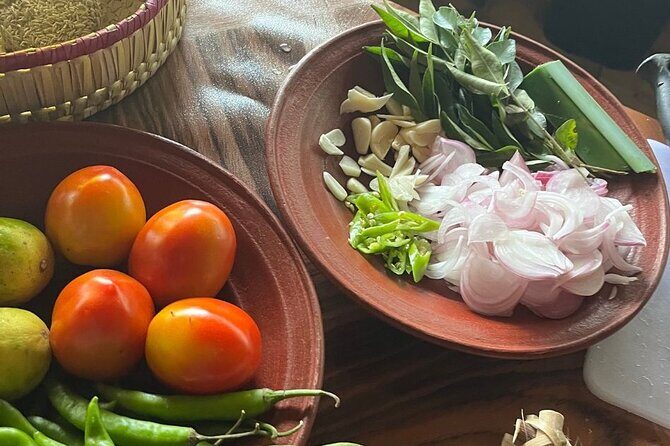
This class is at Kandyan Hut Cooking Class, No: 662/3A Peradeniya Rd, Kandy 20000. The schedule runs daily, 9:00 AM to 10:00 PM (you’ll see your specific time with your booking). The duration is about 2 hours 30 minutes, which is long enough to get cooking properly, but short enough to fit into a day without wrecking your plans.
It’s also listed as being near public transportation, which matters in Kandy where getting across town can be slower than you expect. If you’re pairing this with other Kandy sights, this timing window makes it easier to plan around traffic and weather.
The Spice-and-Ingredient Start That Makes Sri Lankan Cooking Click
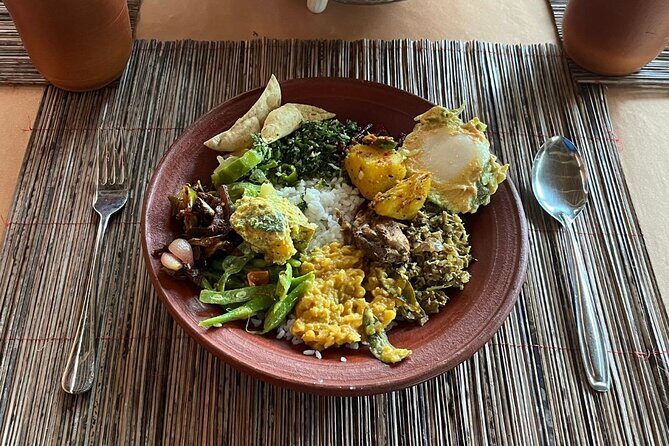
Your experience begins with an intro to the flavors that define Sri Lankan food. Expect talk about how spices and ingredients work together, and how freshness affects the final taste. This is the part that often gets rushed in cooking classes elsewhere—but here it’s treated like the foundation.
You’ll also hear stories tied to the recipes. Even if you’re not the sort who studies food history, those little explanations help you remember what each dish needs and what you’re aiming for. You start thinking in textures and aromas, not just measurements.
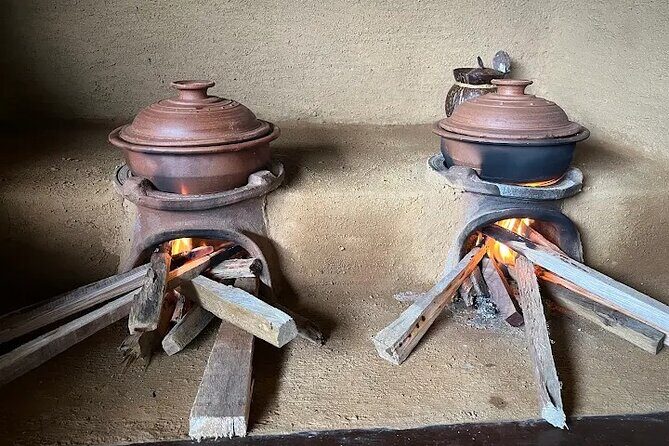
Then you move into the kitchen itself—described as a traditional-style setup—where the chefs guide you through classic dishes you can recognize immediately on any Sri Lankan menu.
Market Visit Option: Picking Produce Before You Cook
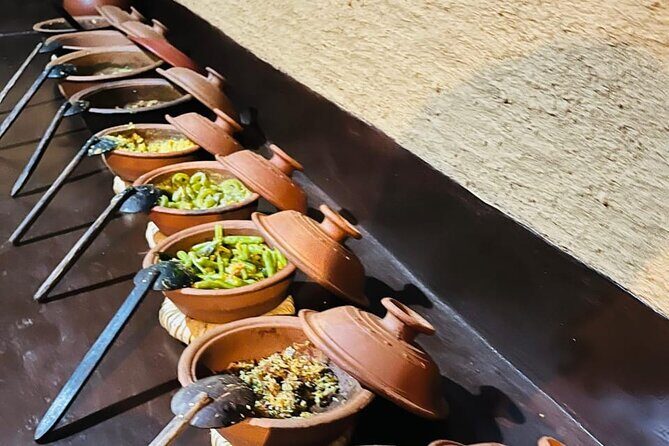
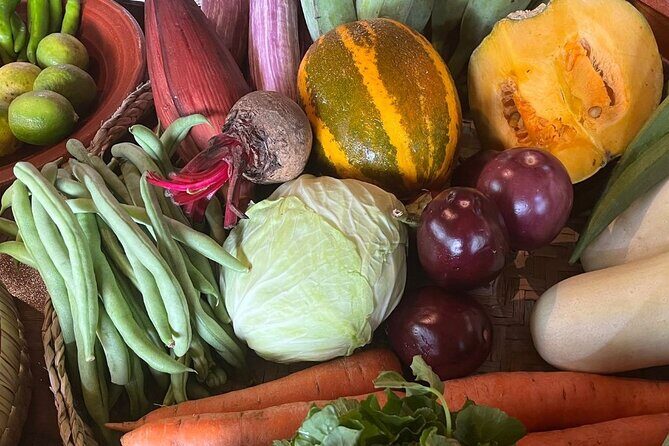
If your booking includes the market visit option, you’ll go with your host to choose ingredients and learn about their cultural importance. This is a smart add-on because it changes how you cook afterward. Seeing and selecting produce makes you more careful with what you buy back home too.
It’s also a nice way to add local rhythm to your day. Rather than treating the class as a standalone activity, you’re connecting the food you’ll cook to the place it comes from. If you love markets and you’re the type who enjoys learning how locals shop, this option is worth considering.
Cooking Egg Hoppers, Kottu Roti, and Coconut Curries
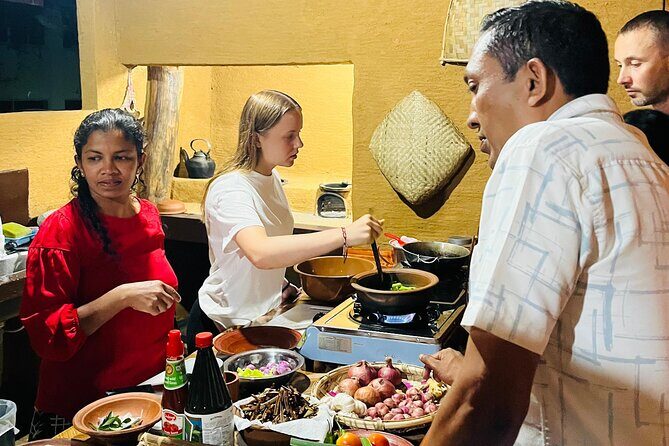
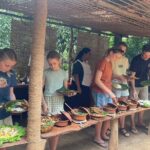
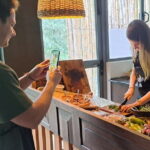
This class is built around Sri Lankan home cooking, which means flavors are bold and techniques are practical. You’re guided through multiple dishes, including well-known favorites:
Other cooking classes in Kandy

Egg hoppers: the breakfast icon
Egg hoppers are one of the best Sri Lankan dishes to learn because the batter and heat control matter. You’ll practice the dish as part of the class experience, guided so you understand the process rather than just repeating a step.
Kottu roti: comfort food with a soundtrack
Kottu roti often feels like an entire event—busy, fragrant, and satisfying. In class, it’s a great dish to learn because it teaches you how cooked ingredients come together. You’re not just learning a recipe; you’re learning how the flavors build when things hit the heat.
Coconut sambol and curries: the “cooling” side that makes the meal
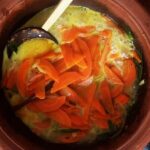
Coconut sambol and curries are where Sri Lankan meals find balance. The coconut elements help soften spice intensity, while the curry flavors make everything feel connected. In your session you’ll learn both curry-style cooking and the role of coconut-based sides.
Dhal curry and aromatic rice-and-curry combos
Dhal curry and rice-and-curry combinations are the backbone of many Sri Lankan meals. If you’re hoping to cook again later, this is the section that gives you the most repeatable skill. You’ll learn techniques that translate easily into your own kitchen, even if you don’t have the exact same spice sources.
Across the dishes, the chefs share what’s important for each recipe—what to watch, what to taste for, and how to adjust so it comes out right.
Learning From Anu, Upul, and Asha’s Teaching Style
The human side matters here. The class is led by local chefs with a friendly, patient teaching approach. In particular, Anu is mentioned for being thoughtful and kind, and the Kandyan Hut owner Upul and his wife Asha come up as part of the welcoming atmosphere.
That kind of staff support changes the experience. If you get stuck, you’re not left figuring it out alone. And if you’re a nervous cook, that calm guidance helps you move forward without stress.
It also means the cultural stories don’t feel like add-ons. They’re integrated into the cooking, so you understand what each dish represents, not just how to make it once.
Tea, Local Sweets, and the Best Part: Eating What You Made
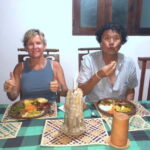
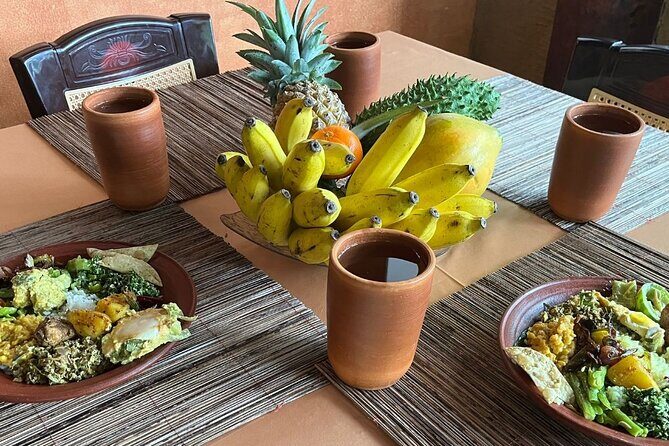
After cooking, you sit down and enjoy the meal you created together. You’re not treated as an observer—you get to taste your work in the same home-style setting where it was prepared.
Tea and local sweets are part of the experience too. This matters more than it sounds. In Sri Lanka, tea and sweets often show up as part of hospitality and the end of a shared food moment. So you’re basically getting a small slice of how meals and visits flow.
Also, sharing the table after cooking makes a huge difference for morale. You’ll likely leave feeling satisfied in a way that’s hard to get from food tours that only involve tasting bites.
What You’ll Take Home: Recipes You Can Actually Use
One of the best values in this kind of class is the learning that sticks. The experience promises that you’ll take home treasured recipes so you can recreate Sri Lankan flavors later.
Because the dishes include familiar staples—like egg hoppers, dhal curry, coconut sambol, and rice-and-curry combos—the recipes you receive should be practical for a home kitchen. Even if you tweak spice levels based on what you can find locally, you’ll know the structure of the meal and what each dish is meant to taste like.
This is also why the “stories behind the recipes” piece is useful. When you understand the purpose behind a technique, you’re less likely to feel lost when something doesn’t turn out exactly the same.
Price and Value: What $22 Gets You in Kandy
At $22 per person, this class is priced like a serious value, especially considering what’s included. For that money, you’re getting:
- a multi-dish cooking session (about 2.5 hours)
- step-by-step guidance from local chefs
- a meal you cook and then eat
- traditional tea and local sweets
- a private setup for your group
- recipes to take home
In other words, you’re not paying just for ingredients. You’re paying for instruction, time, and the full food experience. Private classes often cost more, so the fact that this is described as a private activity is a strong value signal.
If you’ve been doing mostly guided sightseeing in Kandy, this is the kind of activity that adds a different memory type: you’ll remember it by taste, smell, and technique, not just by photos.
Who This Cooking Class Is Best For
I think this is ideal if you want food learning that’s practical and local. You’ll enjoy it most if you:
- like hands-on activities
- want to learn Sri Lankan staples, not just sample them
- enjoy cooking enough to try recipes again at home
- prefer a smaller, more personal experience (since it’s private)
If you’re traveling with kids or family, the patient teaching style mentioned by guests suggests it can work well as a group activity too. And if you’re a first-timer in Sri Lankan cuisine, the classic dish lineup gives you a solid entry point.
A Practical Note on Spice, Pace, and Mess
Cooking classes can involve heat, steam, and lots of flavor. Even with guidance, you should expect a hands-on pace and a bit of mess. If you hate getting your sleeves dirty or you want something more passive, this may not match your style.
Also, Sri Lankan dishes often use spices in a way that feels strong and layered. You can usually adjust as you go, but the class format implies you’ll be working with authentic flavors rather than mild tourist versions.
Pack comfy clothes and assume you’ll smell like spice afterward. That’s part of the bargain.
Should You Book Kandyan Hut Cooking Class?
Yes, if you want a real Sri Lankan cooking experience in Kandy with classic dishes, tea and sweets, and recipes you can recreate. The private format makes it feel personal, and the teaching vibe—highlighted by names like Anu plus the welcoming presence of Upul and Asha—helps the class stay friendly even if you’re not an experienced cook.
Skip it only if you strongly prefer watching over doing, or if you’re short on time and need a faster food stop. Otherwise, this is exactly the kind of activity that turns travel into something you can cook into your everyday life.
FAQ
How long is the Kandyan Hut Cooking Class?
It lasts about 2 hours 30 minutes.
Where does the class meet in Kandy?
The meeting point is Kandyan Hut Cooking Class, No: 662/3A Peradeniya Rd, Kandy 20000, Sri Lanka.
Is this class private?
Yes. It’s a private activity, and only your group will participate.
What dishes will you learn to make?
The class includes dishes such as egg hoppers, kottu roti, coconut sambol, dhal curry, and aromatic rice and curry combinations, along with coconut curries.
Do you get to eat what you cook?
Yes. After cooking, you relax and enjoy the meal you made together.
Is tea and dessert included?
Yes. The experience includes traditional tea and local sweets.
Is there an option to visit a market?
You may be able to choose the market visit option, where you explore a local market with your host and pick seasonal produce.
What ticket do you receive?
You’ll receive a mobile ticket.
What are the operating hours?
The class runs Monday through Sunday from 9:00 AM to 10:00 PM.
Can you cancel for a refund?
Free cancellation is available up to 24 hours in advance for a full refund. If you cancel less than 24 hours before the start time, no refund is provided.