REVIEW · COLOMBO
Day Trip to the Ancient Capital of Polonnaruwa From Colombo
Book on GetYourGuide →Operated by Apple Vacations Sri Lanka · Bookable on GetYourGuide
Polonnaruwa feels like time travel on foot. I love the chance to see Buddhist-and-Hindu heritage in one compact archaeological loop, and I also like that the English-speaking driver/guide keeps the day moving without making it feel rushed. The one real catch is the heat and moderate walking at ancient sites, so comfortable shoes and clothing rules matter.
This is a smart Cultural Triangle day if you want major monuments without spending the night in the north central region. You’ll start with pickup from your Colombo hotel, then settle into a guided visit of Polonnaruwa’s most famous ruins like Lankatilaka Gedige, Gal Vihara, and Demala Maha Seya, plus Thuparama and Topa Wewa (the Sea of Parakrama).
In This Review
- Key highlights you’ll actually care about
- Polonnaruwa from Colombo: what you’re signing up for
- The 14-hour schedule: timing, transport, and how not to lose the day
- How the guided time works inside the Ancient City
- Lankatilaka Gedige: a stone temple that feels built to impress
- Gal Vihara: the Buddha icons you’ll remember
- Demala Maha Seya: another temple stop with a different feel
- Thuparama: adding context beyond the showpieces
- Topa Wewa, the Sea of Parakrama: where ruins meet water
- Break time and meals: plan for the real-world comfort gaps
- What to wear and bring so temple rules don’t wreck your day
- Is $111 per person good value for Polonnaruwa?
- Who this Polonnaruwa day trip fits best
- Should you book this Polonnaruwa day trip from Colombo?
- FAQ
- How long is the Polonnaruwa day trip from Colombo?
- What is included in the price?
- What is not included?
- Where does pickup happen?
- Is there a guide?
- How much walking is involved?
- Are there any restrictions for temple visits?
Key highlights you’ll actually care about
- Hotel pickup and drop-off in Colombo makes this easy to fit into a short stay
- 3.5 hours in the Ancient City gives you real time at the main monuments
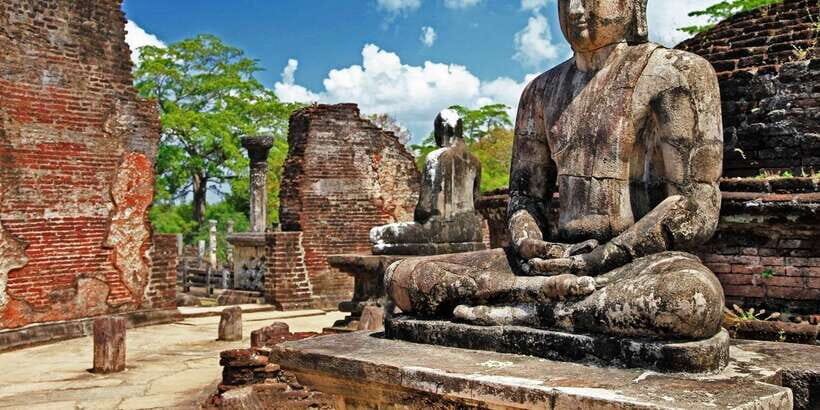
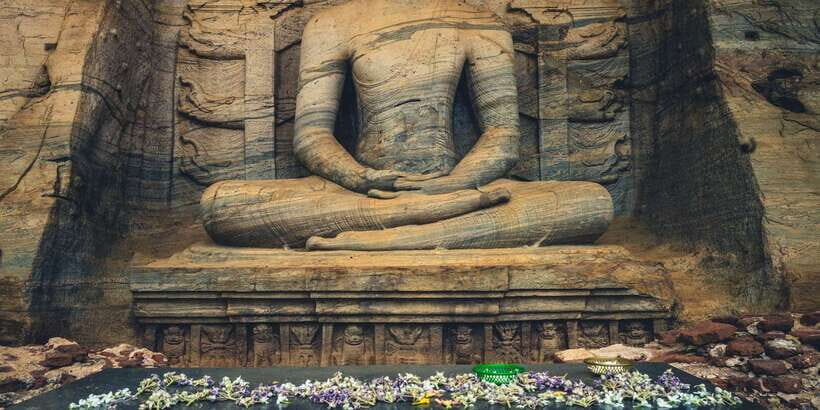
- Gal Vihara’s stone Buddha icons are the headline moment for many first-timers
- Thuparama and Topa Wewa add a different angle beyond image shrines
- Shared transfer can mean a solo day sometimes, but you still plan around the fixed schedule
- Rules for temple visits (shoulders/knees covered, remove footwear) affect what you should wear
Polonnaruwa from Colombo: what you’re signing up for
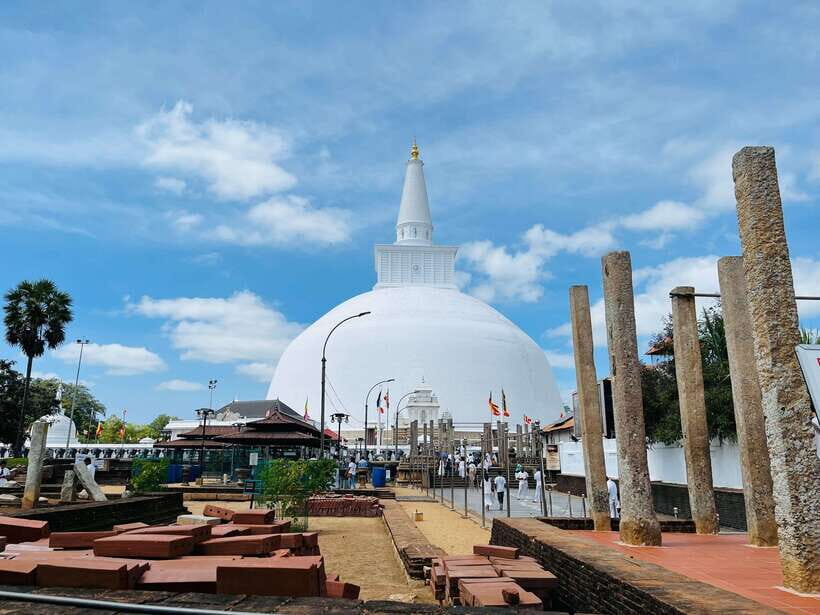
Polonnaruwa is one of Sri Lanka’s key archaeological zones, and this day trip is built around the big payoff: you get to walk among the ruins of an ancient capital that produced huge works of art and architecture. Most of what you’ll see connects to Buddhism and Hinduism, so the monuments feel like they’re telling one long cultural story rather than showing random ruins.
The geography helps your brain. This trip focuses on an organized route through the most memorable clusters of the site. You won’t be trying to figure out where to go next like a stressed-out map app user.
Other Colombo tours we've reviewed in Colombo


The 14-hour schedule: timing, transport, and how not to lose the day
This is a long day on the calendar—14 hours from pickup to return to Colombo. The upside is that it’s structured: you’re picked up from your accommodation (Colombo only), you stop for breakfast at a local restaurant, you get about 3.5 hours for sightseeing in Polonnaruwa, and then you’re back in Colombo after a lunch break and free time.
A few logistics points matter because they affect comfort and pacing:
- Pickup happens at a set time, and the transfer is shared, so early or late pickup isn’t available.
- You’ll meet at your hotel lobby about 10 minutes before your selected pickup time.
- The time it takes to drive there and back depends on traffic, so build buffer into your expectations.
One reviewer experience that’s worth taking seriously: the day can feel very smooth and even turn into a near-private situation when the group is small. The vehicle is described as comfortable, and the driver support is part of why the ride doesn’t feel like a chore.
How the guided time works inside the Ancient City
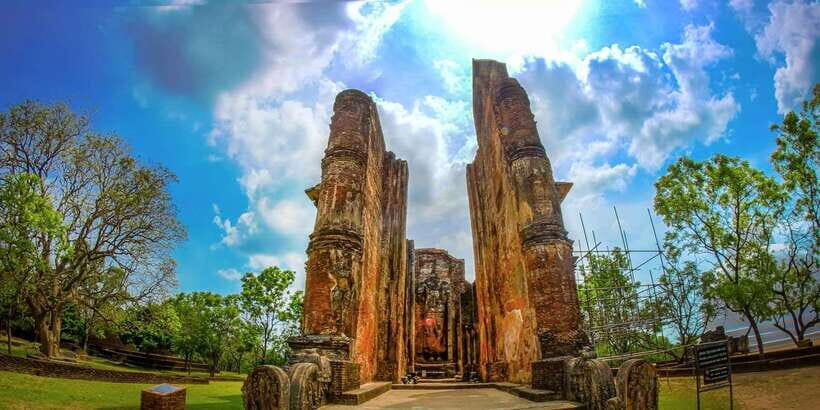
Your Polonnaruwa visit includes a guided tour and walking, with roughly 3.5 hours on-site. That’s a good amount of time for a first visit because it’s long enough to see the main monuments properly and still take short breaks when the sun gets pushy.
Also, the monuments here reward a guided explanation. Even if you’re just a casual history fan, a guide can connect the visuals you’re seeing—image shrines, Buddha figures, and temple structures—to why the place mattered as a capital after Anuradhapura. You also learn the basic framing that Polonnaruwa’s eastern corner is tied to the Silver Capital era, and that the art and architecture mix Buddhist and Hindu elements.
Lankatilaka Gedige: a stone temple that feels built to impress
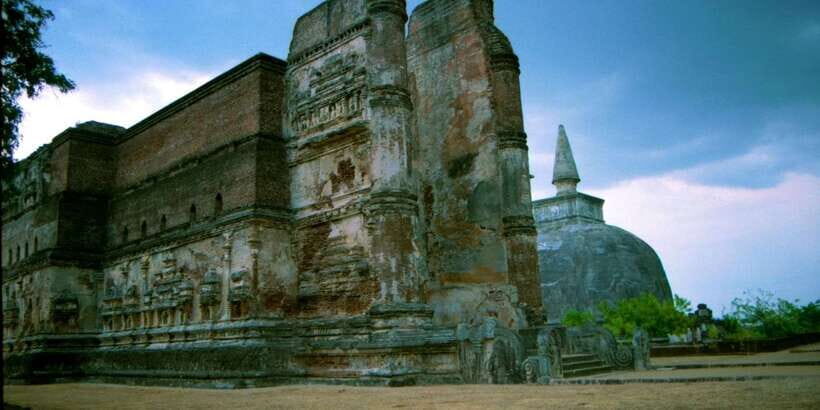
One of the first major stops is Lankatilaka Gedige, a Buddhist temple site that’s a great introduction because it’s instantly recognizable as “ancient capital” scale. You’ll be looking at the kind of stone architecture that signals power and devotion, not just worship.
What to notice: the sheer mass of the stonework and the way the monument is designed to hold space for prayer and ritual. Even from a distance, the structure gives you a sense of how the site must have looked before centuries of wear.
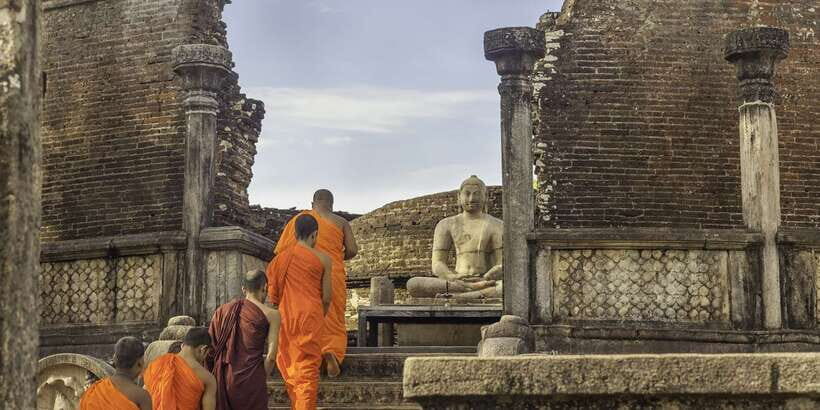
Practical tip: since this is a temple visit, you should plan to adjust your clothing and be ready to follow the rules on the ground (shoulders and knees covered, remove footwear, and you’ll need to take your hat off).
Gal Vihara: the Buddha icons you’ll remember
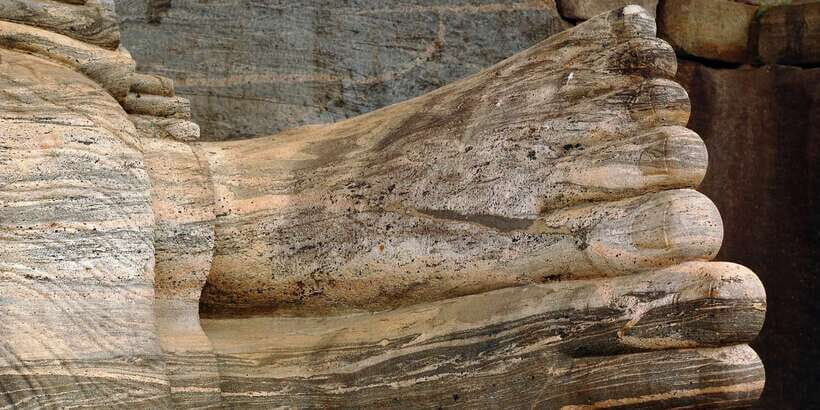
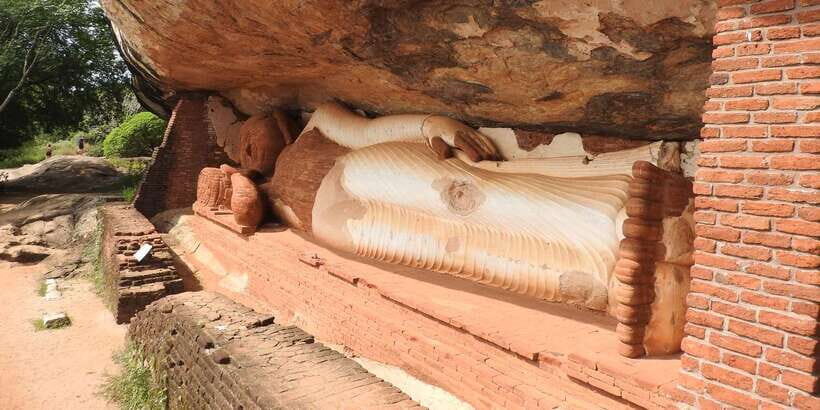
Then comes the headline for many people: Gal Vihara. This is where the trip’s promise becomes real—the stone-carved Buddha icons that you’ll see as part of your guided walk.
This is the kind of monument that’s hard to “just look at” for a few seconds. The figures and rock-carved forms are visually strong, and they help you understand why Polonnaruwa is such a big deal in Sri Lanka’s archaeological world. It’s not just ruins; it’s specific artistic representation meant for devotion.
If you want a simple way to enjoy this stop: don’t rush. Give yourself time to walk the area slowly and take in proportions from different angles. A photo spot here is only half the goal—the real value is letting the forms sink in.
A few more Colombo tours and experiences worth a look
Demala Maha Seya: another temple stop with a different feel
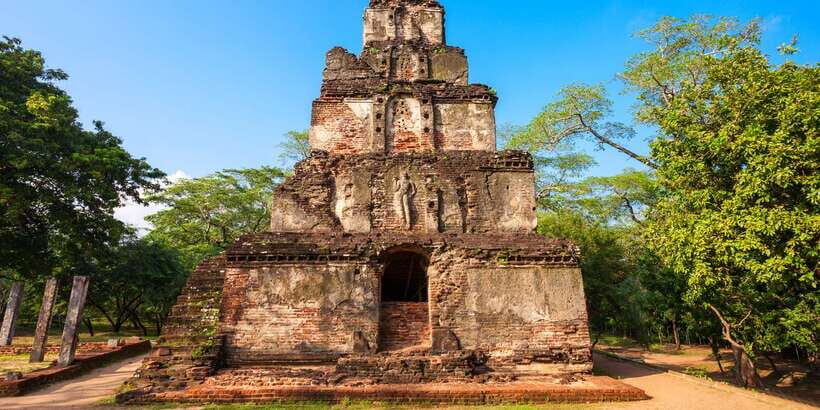
Next is Demala Maha Seya. If Lankatilaka sets the stage and Gal Vihara grabs your attention, this stop helps balance your understanding of the site. You’re still in Buddhist territory, but the experience feels less like one single “icon moment” and more like exploring a temple complex as part of the larger ancient capital.
The takeaway for you: by the time you reach this area, your eyes start recognizing patterns—how religious buildings were laid out, how the site functioned as a connected whole, and how the ruins share common design logic even when the structures look different.
Thuparama: adding context beyond the showpieces
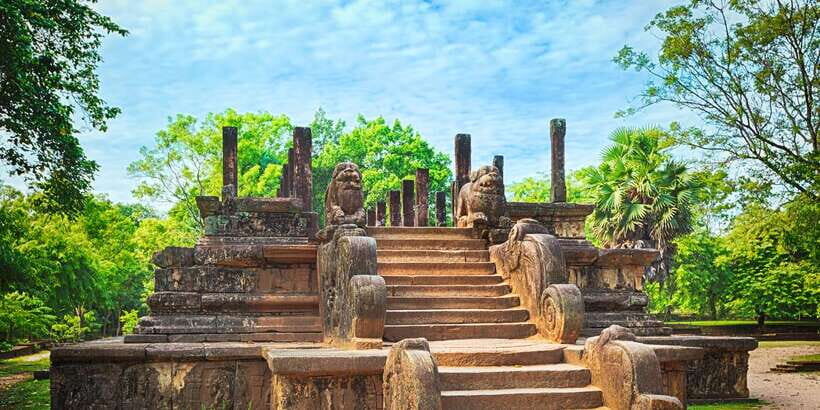
Your itinerary includes Thuparama, and it’s a smart inclusion because it broadens the day. You’re still focused on Buddhist heritage, but it’s not only about the most famous image shrines. Thuparama helps you see how varied the religious landscape is within Polonnaruwa.
The value here is mental, not just visual. After you’ve seen some of the most striking monuments, Thuparama helps connect them into a wider picture of how different religious spaces fit together inside an ancient kingdom.
Topa Wewa, the Sea of Parakrama: where ruins meet water
Then you get to Topa Wewa, known as the Sea of Parakrama. This is one of the best “change of pace” elements in the whole trip because water sites break the monotony of stone monuments and give you a sense of how the capital may have supported daily life.
Even if you’re focused on temples and statues, a man-made water feature like this matters. It adds an engineering and landscape function to what you’re seeing, reminding you that a capital wasn’t only built for worship—it also depended on systems that kept the city functioning.
Break time and meals: plan for the real-world comfort gaps
You’ll have a restaurant break during the middle of the day—time for coffee/tea/beer and lunch with free time included in the schedule. The listing doesn’t spell out everything you’ll pay for or exactly what’s included, so treat meals as something you’ll likely purchase or choose from at the stops rather than assuming a full buffet is part of the package.
That said, one standout detail from an actual booking experience: the food at restaurant stops was described as very delicious, with good variety and the necessary amenities. So at least based on real feedback, the breaks aren’t just filler.
My practical advice: keep water in mind. You’ll get bottled water included, but it’s still wise to sip regularly, especially if you arrive with a sun-tan mindset and not a hydration plan.
What to wear and bring so temple rules don’t wreck your day
This trip is straightforward, but you need to respect site rules. Here’s what’s explicitly requested:
- Comfortable shoes (you’ll be walking)
- Sunglasses and a sun hat
- You must remove footwear and hat and cover shoulders and knees when visiting Buddhist or Hindu temples
- No smoking
- No luggage or large bags
- Bring a current valid passport
Also, it’s not recommended for people with heart complaints or other serious medical conditions. It’s not suitable for wheelchair users, and it’s not listed as suitable for pregnant women.
If you want a “no stress” outfit: wear light pants or a skirt that covers knees, a top that covers shoulders, and bring something easy to tolerate when you need to remove your hat and shoes.
Is $111 per person good value for Polonnaruwa?
At $111 per person for a 14-hour day from Colombo, the value mostly comes from what it includes: pickup and drop-off at your accommodation, an English-speaking driver, and bottled water. That’s the core benefit—you’re paying to avoid the headaches of arranging transport and coordinating a long day on your own.
Entrance fees are not included, and a local Sri Lankan guide isn’t included either. Food or drink isn’t fully specified in the included pricing details, so you should expect to handle some meals on the ground or at least double-check what the restaurant stops cover.
So the true value equation looks like this:
- If you want a guided, efficient route with comfortable logistics, the price makes sense.
- If you’re the type who loves assembling transport and sites independently, you might spend less on a DIY plan—but it’s usually harder to manage smoothly when you’re dealing with a full day.
Also, in at least one experience, the day felt close to private with just the person and the driver/guide, which can make the fixed schedule feel even better because the service can be more attentive.
Who this Polonnaruwa day trip fits best
This is a strong pick if you’re:
- Visiting Sri Lanka with limited time and want the top Polonnaruwa monuments in one day
- Comfortable with moderate walking and standing around ruins
- Interested in Buddhist and Hindu heritage in the same archaeological area
- Happy to follow temple attire rules without turning it into a fashion crisis
It might be a rough fit if you:
- Need wheelchair accessibility (not suitable)
- Have heart problems or serious medical conditions (not recommended)
- Want a very slow day with minimal walking
- Are traveling with lots of luggage or large bags (not allowed)
Should you book this Polonnaruwa day trip from Colombo?
I’d book it if you want a well-structured way to see Polonnaruwa’s major monuments—especially Gal Vihara—without spending nights on the road. The combination of hotel pickup, English-speaking driver/guide support, and a focused route inside the ancient city is what makes it feel worth your time.
I’d think twice if you’re not comfortable walking in heat or you know you’ll struggle with temple rules like covering shoulders and knees and removing footwear. And since entrance fees and some meal details aren’t included, it’s smart to budget a bit extra on top.
If your dates are flexible, it also helps that the operator offers free cancellation up to 24 hours in advance for a full refund and that the trip runs only when weather conditions are favorable—so you’re not locked in when conditions aren’t right.
FAQ
How long is the Polonnaruwa day trip from Colombo?
The duration is 14 hours, including pickup and drop-off from Colombo.
What is included in the price?
Included are pick up and drop-off at your accommodation (Colombo), an English-speaking driver, and bottled water.
What is not included?
Entrance fees, a local Sri Lankan guide, and food or drink not detailed in the description are not included.
Where does pickup happen?
Pickup is available in Colombo only. You should arrive at your hotel lobby about 10 minutes before the selected pickup time.
Is there a guide?
You’ll have an English speaking driver, and the itinerary includes a guided tour at Polonnaruwa. A local Sri Lankan guide is not included.
How much walking is involved?
There is moderate walking during the visit, and you should wear comfortable shoes.
Are there any restrictions for temple visits?
Yes. You must remove your footwear and hat and cover your shoulders and knees when you visit Buddhist or Hindu temples.