REVIEW · COLOMBO
Colombo: Local Food Tour & Sightseeing by Tuk-Tuk with Meals
Book on GetYourGuide →Operated by Sri Lanka Car Hire with Driver · Bookable on GetYourGuide
Colombo tastes better at tuk-tuk speed. This private street-food ride mixes quick sights with real local stops, so you’re not stuck doing one long “snack and look around” shuffle. I especially love the tuk-tuk pace (you cover a lot without wasting time) and the Ceylon coffee and tea tastings, including an Italian-style Ceylon espresso and a tea shop history stop.
One caution: the day can include sightseeing and shop-style stops, so if you’re hungry for a true, plate-after-plate food crawl, ask clearly about how much you’ll eat. In one example, when the tasting felt light, the guide added a detour to a local restaurant for extra vegetable curries, and that extra order was paid separately on the spot (900 LKR was noted).
In This Review
- Key points to know before you go
- Why Colombo’s tuk-tuk food loop works
- Pickup, your guide, and the tuk-tuk rhythm
- Ceylon espresso and tea: the calm start before the eating
- Pettah street food: where the snacks feel most real
- A note on timing and “shopping stops”
- Kottu, curry, and the bread-and-spice sequence
- Seafood lovers: crab curry and what to expect
- Pittu and other classics that hit like breakfast food
- Falooda and the sweet finish you’ll notice later
- Juices and what’s included with your meals
- Lunch rice and curry: the part that can make or break value
- Price and value: is $40 a good deal?
- Who should book this tour (and who should skip it)
- Should you book the Colombo tuk-tuk local food tour?
- FAQ
- How long is the tour?
- Is pickup and drop-off included?
- Is this a private tour?
- What food is included during the tour?
- What languages does the guide speak?
- Can I cancel or pay later?
Key points to know before you go
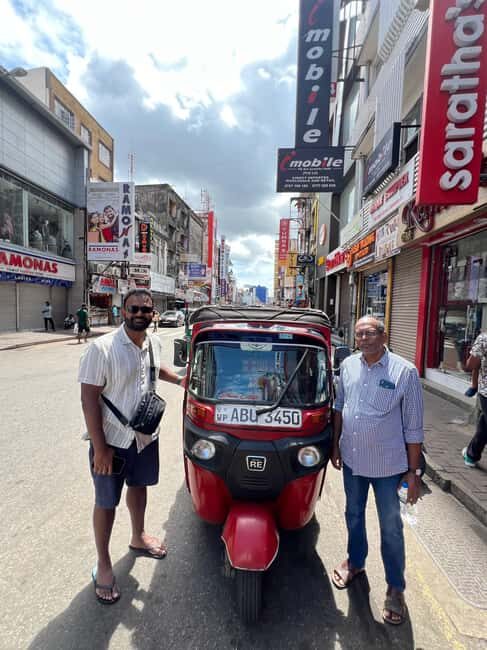
- Private tuk-tuk with pickup and drop-off: you start at your Colombo hotel and end back there.
- Coffee and tea stops: Italian-style Ceylon espresso plus a tea shop history segment and tea ceremony-style time.
- Pettah street-food focus: you’ll spend time in the market area where local snacks and quick bites dominate.
- A mix of Sri Lankan classics: kottu, egg hoppers, pittu, curries, and sweets show up on your route.
- Seafood option: crab curry is on the menu for people who eat seafood.
- Quantity may vary: if you want a heavier lunch feel, confirm early and don’t be shy about requesting more.
Why Colombo’s tuk-tuk food loop works
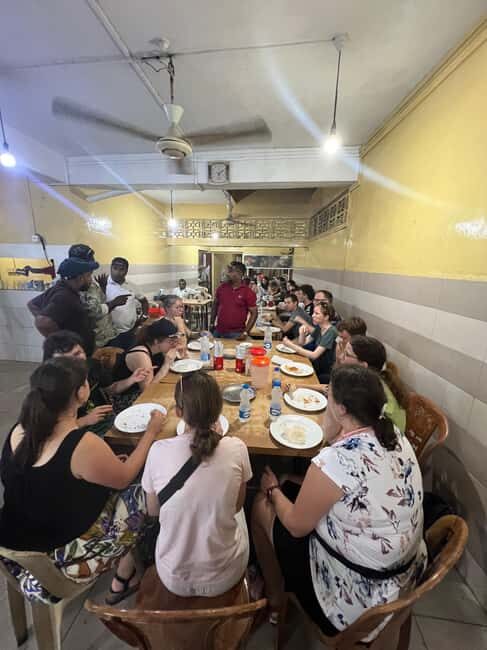
Colombo can be a fun city, but it’s also easy to waste hours figuring out what’s good and where. This style of tour solves that with a simple plan: you get a local guide, then you move fast enough that the smells and stalls actually matter. The tuk-tuk changes the whole rhythm—short drives, quick turns, and time to stop when something looks like the locals keep returning to it.
What I like most is the blend of street food culture with short sightseeing moments. You’re not only eating in a vacuum; you’re learning how Colombo neighborhoods and food markets connect. And because it’s private, you can usually steer the pace—if you’ve got a shopping preference or you want fewer stops that feel more touristy, you can try to nudge the route.
The route also makes sense for a short visit. With meals and tastings woven in, you spend less time hunting and more time tasting. At $40 per person, the value isn’t just the food—it’s the transport, the guide, and multiple included tastings happening within a compact city loop.
Other Colombo tours we've reviewed in Colombo


Pickup, your guide, and the tuk-tuk rhythm
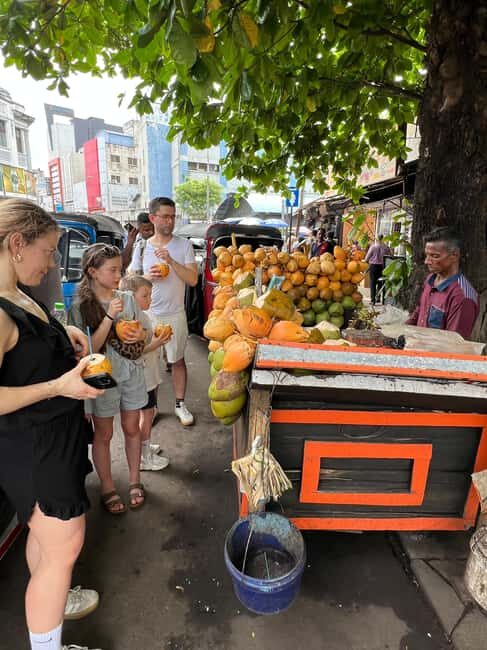
You’ll meet your driver and guide in Colombo at your hotel (pickup and drop-off are included for Colombo city hotels up to 7 km, and pickup is also listed for the railway station). From there, you climb into a tuk-tuk and start moving right away—no long wait, no complicated navigation.
In practice, the guide’s style matters a lot on this kind of tour. One guest had a guide named Ahilan, noted as friendly and flexible. The big benefit of a guide like that: if you’ve already seen certain sights on another day, the route can shift to match your priorities. That’s the difference between a generic “drive-by” tour and one that actually feels like a plan made for you.
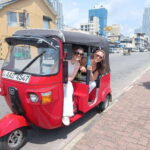
You’ll also want to settle into the tuk-tuk timing. The rides are short and scenic, with opportunities for a photo stop, a walk, and at least one viewpoint-style moment (often described as an aerial view or scenic drive segment). It’s enough to stretch your legs, but not so much that you lose appetite before the food starts.
Ceylon espresso and tea: the calm start before the eating
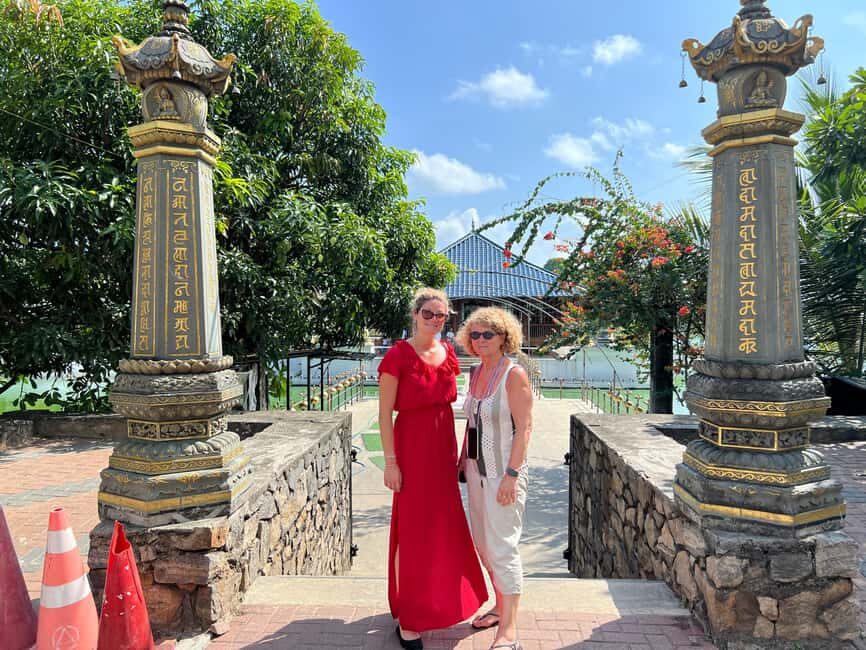
Before the main snack and lunch rhythm, you’ll hit the coffee and tea side of Sri Lankan culture. The coffee stop includes an Italian-style Ceylon espresso. That detail matters because it signals you’re not just ordering something for show—you’re tasting Sri Lanka’s coffee identity in a format you can recognize.
Next comes tea, with a tea shop history stop and tea ceremony time. Tea in Sri Lanka is more than a drink; it’s a background ingredient in everyday life, from casual kiosks to formal settings. Even if you’re not a tea nerd, you’ll likely walk away with a clearer sense of why tea is such a big part of the island’s identity and trade.
This start also has a practical reason. Coffee and tea act like a warm-up. You’re switching from travel energy into tasting mode. By the time you reach food stalls and local restaurants, you’re already thinking in flavors: roasted, bitter, sweet, and spiced.
Pettah street food: where the snacks feel most real
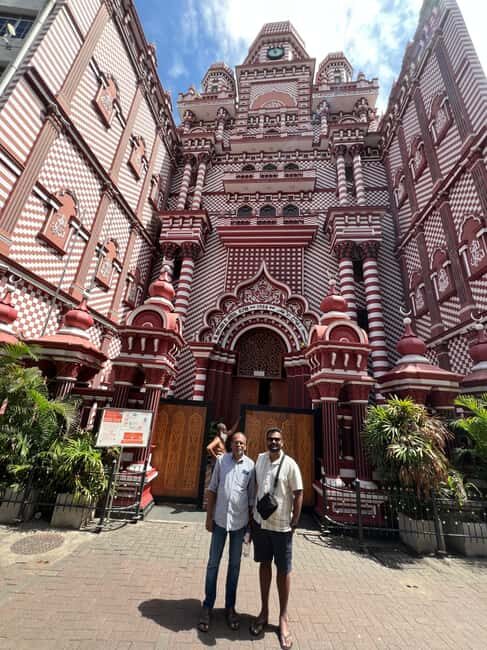
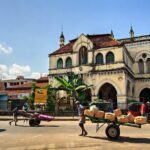
One of the most important parts of this experience is how it uses Pettah. Pettah is a market area, and market areas are where street food culture actually lives—not in places designed for photographs. You get time here for street food tasting and market wandering, with chances to shop if you want to browse.
This is also where you’ll feel how Colombo eats: quick, affordable, and built for flavor. You’re not waiting for one “big meal” to happen hours later. Instead, you’re tasting along the way, so you understand the range—from savory to sweet, from bread-style bites to curry-rich spoon food.
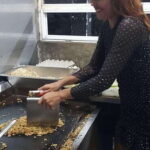
Expect to see several Sri Lankan staples included on the tour. These can include kottu, which is a hot, stir-fried dish often made with shredded bread and mixed with egg and seasonings; egg hoppers (also spelled egg hoppers), which are bowl-shaped Sri Lankan pancakes with egg in the center; and pittu, a traditional breakfast item made with steamed rice flour mixed with scraped coconut and salt.
If you’re the kind of eater who gets restless when there’s no routine, this route helps. It gives you familiar categories (hopper and kottu for savory comfort, pittu for something more traditional) while still showing local variations.
A note on timing and “shopping stops”
Here’s the thing you should keep in mind: market time often turns into browsing time. That can be great if you enjoy shopping and want the full neighborhood feel. It can also feel like less eating if you were expecting a nonstop snack parade.
If your goal is “I want to eat as much as possible,” use your first food question as a guide. Ask your guide early what portion sizes look like on this run and how much food you’ll get versus sightseeing.
Other tuk-tuk tours we've reviewed in Colombo

Kottu, curry, and the bread-and-spice sequence
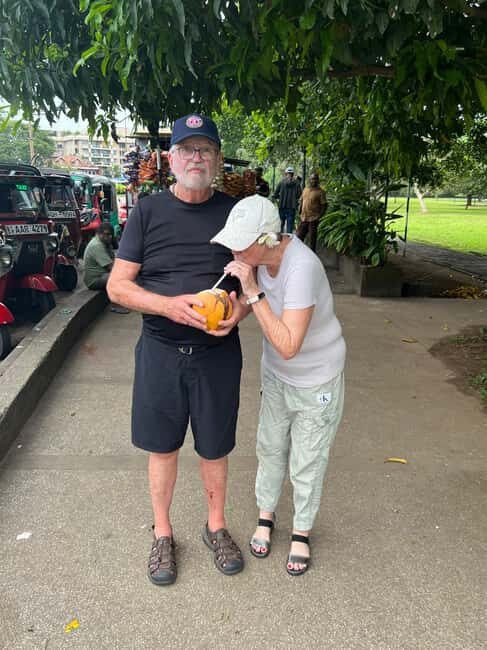
After the coffee and tea warm-up, the food itinerary moves through a sequence of savory tastings that covers Sri Lanka’s everyday flavor mechanics. You’ll likely do a stop for cheese kottu, a popular street food style. The word cheese matters because it signals a local adaptation—something comforting and crowd-friendly, but still recognizably kottu.
From there, you’ll taste additional staples like chapati (a flatbread), potato curry, and other curry-style bites. This is useful for you because it’s not just one dish repeated. You start seeing how spices behave across different bases: bread, starchy vegetables, rice flour, and egg-based items.
There’s also a Sri Lanka tradition lunch element listed as rice and curry. That’s the point where the tasting stops feel like they become a proper meal. It’s the step that can make the whole experience feel worth it, especially if you’re using this tour to cover lunch rather than planning your own sit-down spot.
If you’re a fan of spicy food, pay attention to sambal-type flavors—sambal shows up in the described tasting theme. Spicy chili pastes and chutney-style flavors are often the quickest way to understand local heat levels and sourness. And when you’re moving around all day, spicy sauces help you remember what you just ate.
Seafood lovers: crab curry and what to expect
If you eat seafood, the tour includes a chance to try Sri Lankan crab curry. Crab curry tends to be richer than people expect—creamy, spice-forward, and often built around a chili-and-coconut structure (the exact balance varies by kitchen). Even if you’re not a “seafood every day” person, this is the kind of local dish that helps Colombo feel like a coastal city rather than just a big urban center.
One practical tip: crab dishes can be messy and you may want small bites and patience. If you’re dining with utensils, fine. If it’s served in a street-food style setting, keep a few wipes or tissues handy so your hands don’t ruin the rest of your appetite.
Also, if crab curry is your top must-eat, make sure it’s clear early that you want it on your run. Since the tour mixes multiple tastings and sightseeing, you don’t want your favorite dish to become a “maybe.”
Pittu and other classics that hit like breakfast food
Pittu is one of those dishes that makes you feel like you’re eating something older than tourist Sri Lanka. It’s described as steamed rice flour mixed with scraped coconut and salt—simple sounding, but very specific in texture. The flour-steam process changes the mouthfeel, and the coconut brings a soft, salty sweetness that works even when you’ve been eating heavier curries earlier.
Pittu also functions as a “bridge” dish. It feels traditional enough to ground the tour, but it’s still easy to understand. You’ll likely also see wade and prawns listed among the foods included, with dhal wade specifically named. The tour’s lineup aims to cover a range: egg and bread, rice flour and coconut, curry with protein, and then sweet endings.
If you’re the type who gets bored by repeated curries, this is where the tour earns points. You’re not stuck in one flavor lane.
Falooda and the sweet finish you’ll notice later
By the end, you’ll reach a sweet shop stop for falooda. Falooda is a cold dessert made with vermicelli. It’s a smart way to finish because the cold sweetness cuts through the spice you’ve been tasting. It also gives you a flavor memory for later when you’re trying to describe Colombo food to friends back home.
Falooda can feel light, but it’s still dessert. If you’re sensitive to very sweet drinks, take slow spoonfuls so you don’t end the tour feeling overfull. If you love chilled desserts, this stop is one of the easiest “yes, that’s Colombo” moments to remember.
Juices and what’s included with your meals
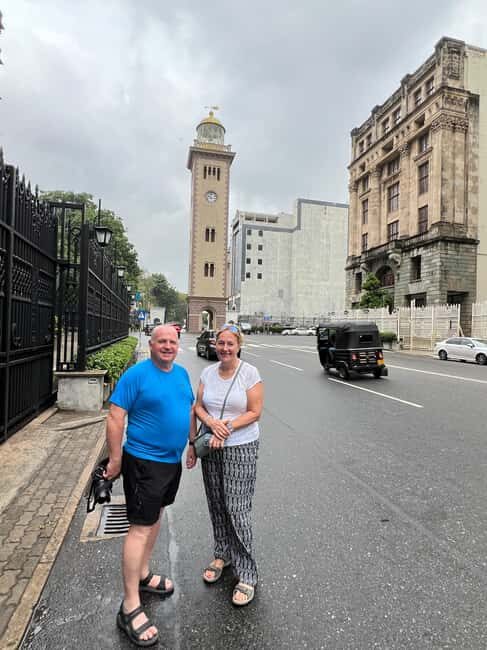
Along with food tastings, the tour includes drinks listed as mango juice, wood apple juice, or avocado juice. That matters because Sri Lankan drinks can be a big part of the meal, not just a side refreshment. Mango is classic and crowd-pleasing. Wood apple is more unusual and has a distinct earthy-sweet vibe. Avocado juice feels unconventional until you taste it once—then it makes sense as a creamy contrast to spiced foods.
If you’re deciding between them, I’d pick the one that contrasts your last savory bite. After curry-heavy tastes, a creamy or fruit-forward juice helps you reset your palate.
Lunch rice and curry: the part that can make or break value
The tour includes Sri Lanka tradition lunch rice & curry. For value, this is key. Street food tastings are fun, but they can feel underwhelming if the portions stay tiny. Rice and curry is the moment where the experience stops being just snacks and becomes a full meal.
Still, do keep an eye on your own appetite. One guest experience described the tour as not exactly a full food crawl, and the amount eaten felt limited until additional ordering happened. That doesn’t mean the tour is always like that. It does mean you should plan on the possibility of asking questions early if you’re counting on lunch to be substantial.
If you want a straightforward lunch outcome, you can set the expectation at the beginning: tell your guide you’re using this as your main meal time in Colombo and ask what the lunch portion typically looks like.
Price and value: is $40 a good deal?
At $40 per person for a private tuk-tuk experience with free hotel pickup and drop-off, the value depends on how you like to travel.
Here’s what’s doing the heavy lifting for value:
- Private transport via tuk-tuk, not just a walking tour.
- A live English/Hindi/Tamil guide, so someone is actively guiding stops.
- Multiple food tastings (including kottu/egg hoppers/pittu plus curry items) rather than one or two snacks.
- Ceylon tea and coffee tastings, which add real culture, not just a beverage.
- A rice and curry lunch component plus juice options.
If you were to pay separately for a guide, transport, and multiple meals, $40 doesn’t look crazy. You’re basically paying for a day plan that removes decision fatigue and moves you from place to place.
But value can also drop if what you want is a strict, nonstop “everything is food” crawl. This tour is food-forward, yes, but it’s also sightseeing-adjacent. If you hate shop stops or view time, you might feel it.
So the smartest move is to match the tour to your style. If you like a mix, it’s good value. If you want maximum food quantity only, you may need to steer it.
Who should book this tour (and who should skip it)
This tour suits you best if:
- You want Colombo street food without doing the research and routing yourself.
- You like short, frequent stops rather than one long restaurant meal.
- You enjoy tea and coffee culture along with food.
- You want a private guide who can adjust the route to your preferences.
You might skip or choose something more food-dominant if:
- You’re expecting nonstop heavy eating with no pauses for sightseeing or tea/coffee/shop-style segments.
- You’re already full of snacks and only want a tiny taste—this is set up as a guided food-and-sights loop with lunch included.
If you do book, use your first moments with your guide wisely: be honest about whether you want a bigger lunch emphasis or more market food energy. A good guide can often rebalance the order of stops and keep you from feeling short-changed.
Should you book the Colombo tuk-tuk local food tour?
My take: Yes, book it if you want a simple, guided Colombo plan that actually includes meals and takes you into Pettah rather than just viewing the city from the roadside. The tuk-tuk format is practical, and the combo of coffee/tea tastings plus Sri Lankan staples like kottu, egg hoppers, pittu, rice and curry, and falooda gives you a rounded food snapshot.
Book with a small expectation check: this is not only a food-only crawl. It includes sightseeing-style stops and market browsing, so the experience can feel more “half food, half route” depending on how your guide sequences things. If you’re a big eater, say so early and ask what the lunch and tastings add up to on your specific run.
If you go in knowing it’s a guided mix—transport, tasting, and culture—you’ll come away with more than just a full stomach. You’ll also have that Colombo street-food flavor memory that’s hard to recreate on your own.
FAQ
How long is the tour?
The experience is advertised as a 3-hour tour, with starting times depending on availability.
Is pickup and drop-off included?
Yes. Free hotel pickup and drop-off are included in Colombo (up to 7 km in the city), and pickup is also listed for the railway station.
Is this a private tour?
Yes. It’s a private group experience with a live tour guide.
What food is included during the tour?
Food included is listed as kottu, egg hoppers, pittu, prawns & dhal wade, plus Sri Lanka tradition lunch rice & curry. Juice is also included, and you’ll have tastings connected to coffee and tea stops, with falooda at the end.
What languages does the guide speak?
The live guide is listed as speaking English, Hindi, and Tamil.
Can I cancel or pay later?
Yes. The tour offers free cancellation up to 24 hours in advance for a full refund, and it also offers reserve now & pay later.