REVIEW · KANDY
Authentic Sri Lankan Cooking Experience
Book on Viator →Operated by Kandy Traditional Cooking Classes by Kandy Living · Bookable on Viator
Fire, clay pots, and real family lessons. That’s the feel of this Sri Lankan cooking class in Kandy, set in a quiet village home with a garden you can actually use as your pantry. You cook with homegrown vegetables and traditional tools, and the chef ties each dish to culture and everyday Sri Lankan life.
I love the garden-first start, because you don’t just read about ingredients—you see them growing and learn why they’re used. I also like how the teaching connects food choices to Ayurvedic principles, so the meal makes sense beyond taste.
One thing to consider: this is wood-fire and outdoor-kitchen cooking, and it depends on good weather. If you hate heat or prefer very polished, indoor settings, plan for the village vibe and open-air pace.
In This Review
- Key highlights you’ll notice fast
- Stepping into a grandmother-style kitchen in Kandy
- Meeting point and timing: 11:00 am and about 2.5 hours
- Garden tour first: spices, herbs, and the Ayurvedic logic
- Clay hearth and wood fire: the tools that change how you cook
- Your hands-on class: from roti to curries and sides
- How the chef’s stories make the food taste smarter
- Lunch and dinner included: what to expect on the table
- Vegetarian and vegan options without the compromise feel
- Price and value in Kandy: why $25 feels fair here
- Who should book, and who should think twice
- Should you book Kandy Traditional Cooking Classes by Kandy Living?
- FAQ
- What’s included in the price?
- How long is the cooking class in Kandy?
- Where do I meet, and where does it end?
- Is this a private experience?
- Are vegetarian or vegan options available?
- Do I need transportation to get there?
- What’s the cancellation rule for a full refund?
Key highlights you’ll notice fast
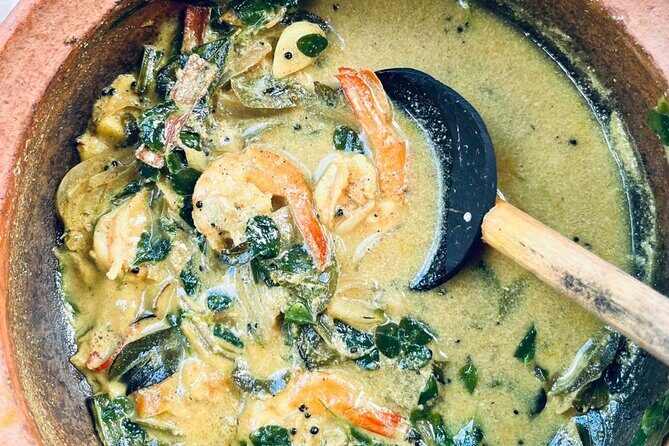
- Homegrown ingredients: organic vegetables and herbs harvested right from the resort garden
- Traditional cooking gear: clay hearths, clay pots, coconut spoons, and a wood fire
- Spice and herb walkthrough: you learn what each plant is for before you cook
- A full meal setup: lunch and dinner are included, plus homemade herbal tea or iced tea
- Private class feel: only your group participates
- Vegetarian and vegan friendly: options are available
Stepping into a grandmother-style kitchen in Kandy
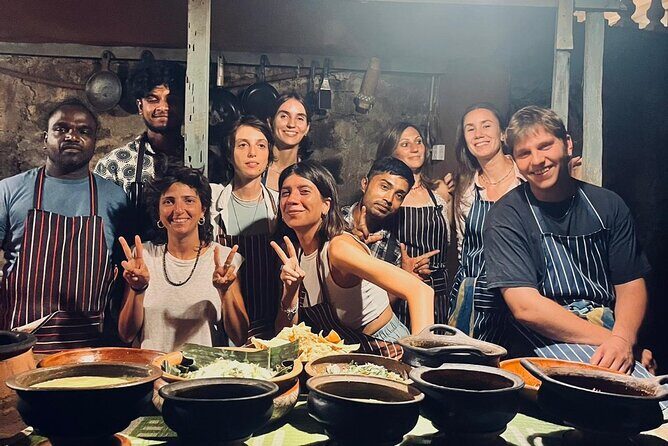
This cooking class feels like you’ve been invited to a family kitchen, not dropped into a factory-style food demo. You start in a calm, village-home setting surrounded by a lush garden, where a lot of the ingredients come straight from the property. The result is a slower rhythm and a more personal lesson, with stories folded into each step.
What I like most is the mix of hands-on cooking and practical explanations. You’re not just watching curry being made. You’re doing it, with the chef guiding you through techniques and the reasoning behind ingredient choices.
It’s also a good reminder that Sri Lankan cooking isn’t only about spice level. It’s about balance—heat, aroma, herbs, and how foods are combined for wellbeing. That’s a big part of why the class includes the garden and Ayurvedic framing, not just recipes.
Other cooking classes in Kandy
Meeting point and timing: 11:00 am and about 2.5 hours
The class meets at Kandy Living Villa & Homestay, Maithree Mawatha, Kandy 20000, and it ends back there. The start time is 11:00 am, and the experience runs about 2 hours 30 minutes.
Because it includes both lunch and dinner, you can think of this as a full-feeding slot rather than a quick appetizer lesson. You’ll want to arrive on time, not just for the schedule, but so you don’t miss the garden walkthrough and the early prep that makes the cooking smoother later.
Good news for planning: it’s near public transportation, so you don’t necessarily need a private car just to reach the meeting point. If you do arrange pickup, private transportation is extra, and the cost depends on distance and vehicle type.
Garden tour first: spices, herbs, and the Ayurvedic logic
You don’t start by rushing to a stove. You start with plants—herbs, spices, and fresh vegetables—and you learn what they’re used for. This part matters because you’ll be cooking with ingredients you saw moments before, which makes the whole meal easier to follow.
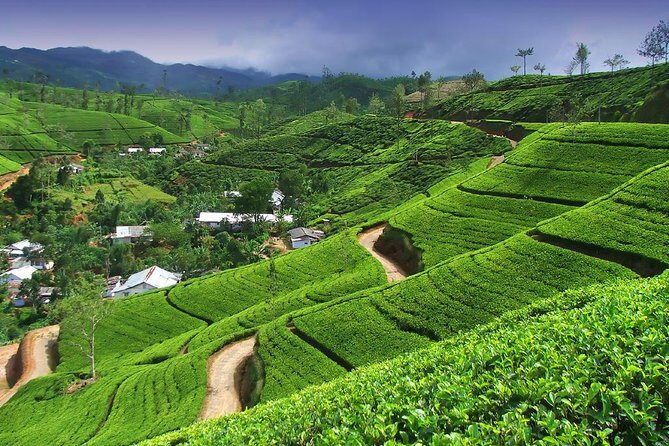
The class is built around the idea of fresh, homegrown produce. Many of the herbs and vegetables are cultivated organically at the resort, so the session feels grounded in real ingredients rather than market standbys. If you care about where your food comes from, this is the best part: you can connect the plant in the garden to the flavor on your plate.
Then the chef ties it to wellbeing through Ayurvedic principles. You’re not memorizing a textbook. You’re hearing practical, kitchen-level explanations—why certain herbs show up, what foods are paired together, and how traditional knowledge frames day-to-day cooking.
The tone here is also human. You’ll get stories and cultural context while the meal simmers, plus time for homemade herbal tea or iced tea. That pause is part of the experience, not dead time.
Clay hearth and wood fire: the tools that change how you cook
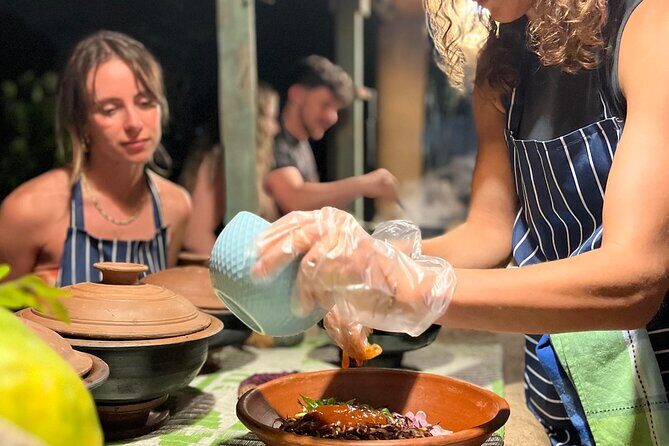
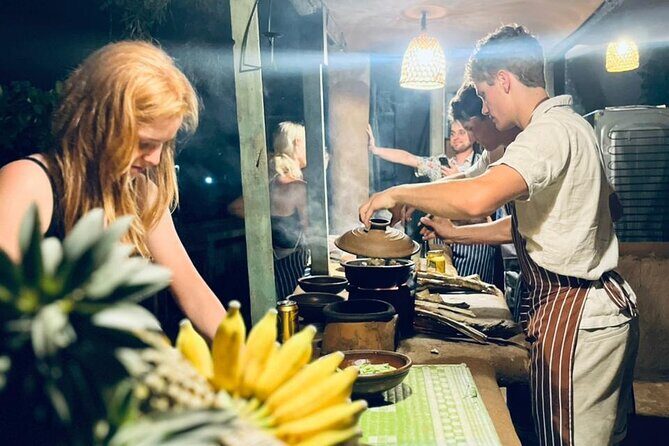
One reason this class feels authentic is the equipment. You cook using traditional clay pots and a clay hearth, often over a wood fire, with tools like coconut spoons. These details matter because they shape the cooking process.
Clay heats differently than metal, and wood fire means you manage small changes in flame and timing. You’ll feel it when you’re stirring and watching the simmer. It’s not hard, but it is hands-on, and it makes the cooking technique stick.
It also changes the pace. You can’t yank heat like you might on a modern stovetop. You learn to work with the fire, which is exactly what older cooking styles teach. The class uses this practical setup to pass down generational technique, not just flavor.
Expect the kitchen to feel outdoors and village-like. That’s part of the charm, but it’s also the reason the experience requires good weather. If rain comes in, the plan may shift or be rescheduled, since the cooking setup isn’t designed for heavy weather.
Your hands-on class: from roti to curries and sides
At this class, you’re preparing a full Sri Lankan meal—more than one dish, more than one step. In one described session, the group cooked seven dishes plus roti, which gives you a good sense of how hands-on the cooking can be.
Even if your exact lineup varies by the group, the format is consistent:
- You get step-by-step guidance from the chef.
- You work with traditional ingredients and methods.
- You learn techniques as you cook, rather than only at the end.
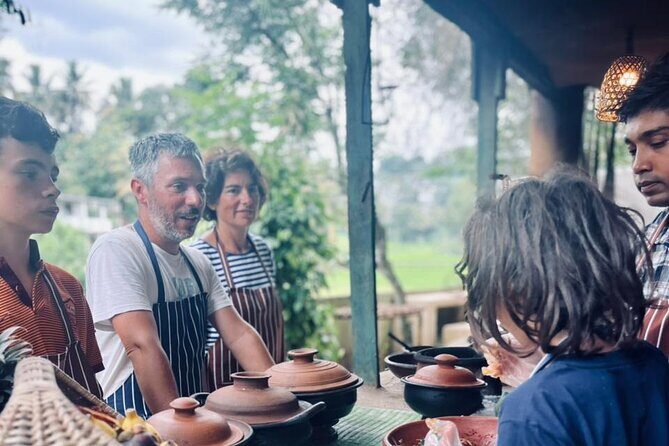
The chef also shares family secrets and cultural insights. That’s not fluff. When someone explains why a particular herb goes in at a specific time, you start cooking with intention. You stop treating curry as a mysterious outcome and start understanding it as a process.
You’ll likely move through the key parts of meal prep—mixing, seasoning, simmering, and finishing—until you’re ready to eat what you made. This is where the class shines for people who learn by doing. If you’re hoping for a passive experience with a long lecture, this isn’t that. You’ll be chopping, stirring, and timing.






How the chef’s stories make the food taste smarter
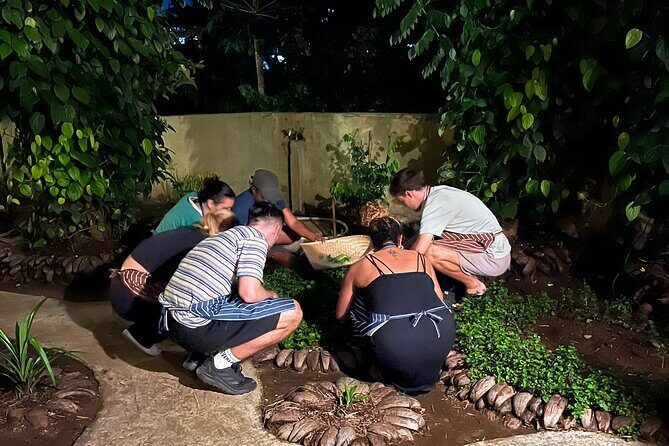
The teaching style is as important as the food. The chef doesn’t only explain what to add. He or she explains how family cooking traditions shape the dish, and how those traditions connect to health and lifestyle.
This is where the experience becomes more than just a meal. You’re picking up small pieces of cultural knowledge: how Sri Lankan families think about balance in ingredients, why certain flavors show up together, and what traditional kitchen routines were built for.
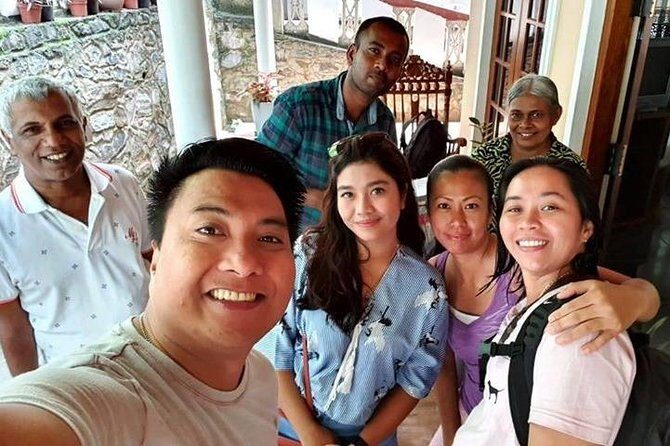
One small example of this human touch: in a case where someone arrived about 45 minutes late, the host named Sandy worked to make sure the person didn’t miss out. That kind of flexibility is usually a sign that the class runs like a real household session, not a rigid timetable.
If you like your travel experiences with context—food plus meaning—this class delivers. You leave with more than recipes. You understand why the recipes are structured the way they are.
Lunch and dinner included: what to expect on the table
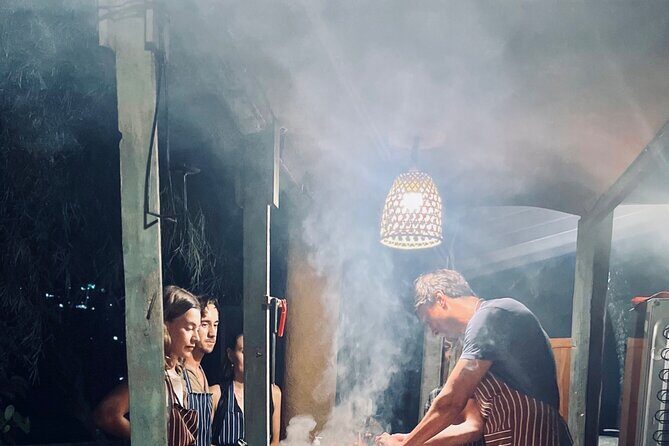
Food is included in the price, and it’s not only one plate. The class includes lunch and dinner, so you’re not squeezing value out of a half-meal. You’ll also have homemade herbal tea or iced tea during the session.
So how does that work in real life? In practice, you can expect a full cooking cycle leading into eating. You’ll cook what you need for your meal, then sit down and enjoy the results at a pace that matches the village kitchen rhythm.
The dishes you make are based on traditional Sri Lankan cooking methods. That means you’re tasting layered flavors: spice, herb aroma, coconut-based elements (common in Sri Lankan cuisine), and the way sauces build during simmering.
Also, because the ingredients come from the garden, the flavors tend to feel fresh rather than heavy. Even if you’re not an expert cook, you can notice the difference between leafy herbs you picked and herbs that sit in a packet all day.
Vegetarian and vegan options without the compromise feel
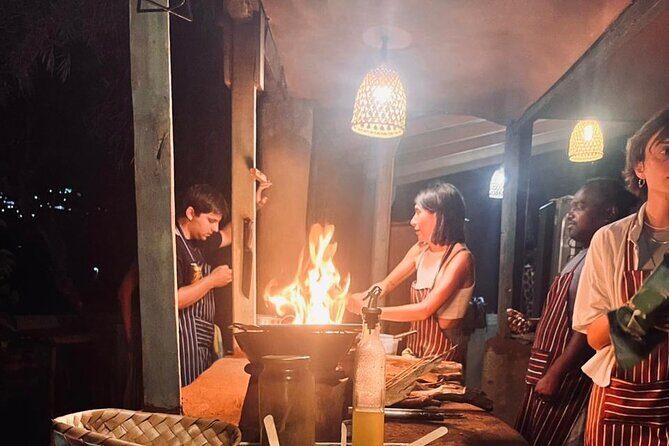
This class includes vegetarian and vegan options. That matters because a lot of cooking classes claim flexibility but still steer you toward a small or boring adaptation. Here, options are explicitly included, which increases your odds of getting a real meal you can actually enjoy.
In a Sri Lankan context, vegetarian food can be exciting when you use the right herbs, spices, and cooking methods. The class is set up for that: you’re using fresh produce, traditional pots, and the same kitchen process whether the dish is meat-based or plant-based.
If you follow a strict diet, I’d treat this as a good fit—just be clear about what you avoid at booking, since the exact menu can shift by ingredients available in the garden and the day’s cooking plan.
Price and value in Kandy: why $25 feels fair here
At $25 per person, you’re paying for more than instruction. You’re paying for:
- A hands-on cooking setup using traditional tools
- Fresh ingredients, including herbs and vegetables grown on-site
- Multiple dishes tied together into a full meal experience
- Lunch and dinner included
- Homemade herbal tea or iced tea
- A private group format
For Kandy, that combination is the point. Many cooking classes can cost more, and some include only one meal or only a single dish you make. Here, the experience is structured around a complete traditional meal and a culture-focused kitchen setting.
Also, the session isn’t a mass class. It’s a private tour/activity, meaning only your group participates. That tends to make the teaching more direct, and it usually means you get better help while cooking.
If you’re watching your travel budget, this is the kind of activity that gives you a full day’s worth of food value and a meaningful skill you can repeat at home.
Who should book, and who should think twice
This is a great match if you want:
- A hands-on Sri Lankan cooking class rather than a show-and-taste tour
- Real ingredients from a garden, not just market spices
- Traditional equipment (clay pots, coconut spoons, wood fire)
- Cultural stories tied to the meal, including Ayurvedic framing
- Vegetarian or vegan-friendly options
You should think twice if:
- You strongly prefer fully indoor, climate-controlled experiences
- You get uncomfortable with outdoor cooking in the open-air setting
- You dislike heat from a wood fire kitchen
- You need a very strict, fast-paced schedule with no pauses
Good weather is also a factor. If the forecast looks rough, build in flexibility.
Should you book Kandy Traditional Cooking Classes by Kandy Living?
If you’re in Kandy and you want a cooking class that feels like an actual household tradition, this is an easy yes. The value is strong for the price, mainly because you get a full meal experience with both lunch and dinner, fresh garden produce, and traditional cooking methods you can’t fake with a recipe card.
Book it if you’re curious about Sri Lankan flavors and want to understand the why behind the spice and herb choices, not just the how. Skip it only if you want a polished, fully indoor cooking setup or you’re not comfortable with outdoor wood-fire cooking and weather dependence.
In short: if you like food with context and you enjoy learning by doing, this is one of the most practical ways to spend a half-day in Kandy.
FAQ
What’s included in the price?
Lunch and dinner are included. You’ll also have homemade herbal tea or iced tea during the session.
How long is the cooking class in Kandy?
The duration is about 2 hours 30 minutes.
Where do I meet, and where does it end?
You start at Kandy Living Villa & Homestay on Maithree Mawatha in Kandy, and the activity ends back at the same meeting point.
Is this a private experience?
Yes. It’s a private tour/activity, so only your group participates.
Are vegetarian or vegan options available?
Vegetarian and vegan options are included.
Do I need transportation to get there?
The meeting point is near public transportation. Private transportation (pickup) is available for an additional charge, depending on distance and vehicle type.
What’s the cancellation rule for a full refund?
You can cancel up to 24 hours in advance for a full refund. If you cancel less than 24 hours before the experience starts, the amount paid is not refunded.