REVIEW · NUWARA ELIYA
Explore Nuwara Eliya | Experience the Best Tea in the World
Book on Viator →Operated by ASY Tours Sri Lanka · Bookable on Viator
Tea and waterfalls in one afternoon.
This private Nuwara Eliya tour is built for people who want to understand Ceylon tea, not just buy it. You pick your start time, ride with a dedicated guide, and visit two of three local tea stops plus Ramboda Falls, with time to ask questions and watch how tea goes from leaf to cup.
I love the private setup. It means you’re not squeezed into a big group schedule, and you can slow down when a question matters. I also like the mix of stops: the tea factories do the learning, and Ramboda gives you a reset between tastings and tours.
One possible drawback: not all stops have admission included. Oak Ray and Damro Labookellie are listed as free, but Bluefield Tea Gardens and Ramboda Waterfall have admissions not included, so your total day cost can creep up a bit.
In This Review
- Quick hits before you go
- Why Nuwara Eliya is the right place for Ceylon tea
- Your private timing and transport: what 3–5 hours feels like
- Oak Ray Tea Factory & Museum: tea craft you can see
- Ramboda Waterfall: the misty reset between tea stops
- Bluefield Tea Gardens: seeing cultivation and processing connections
- Damro Labookellie Tea Centre and Tea Garden: leaf to cup with views
- Tea tasting and the factory shop reality check
- Guide quality is part of the value (Deva’s role)
- Price and value: is $49 per person fair?
- Who this tour suits best
- Booking and weather: small planning notes that matter
- Should you book this Nuwara Eliya tea tour?
- FAQ
- How long is the Nuwara Eliya tea-focused tour?
- Is this tour private?
- Can I choose a start time?
- Which tea factories are included?
- Is pickup included?
- Are admission tickets included?
- What does the tour focus on?
- Is tea tasting included?
- What happens if the weather is bad?
- What is the cancellation policy?
Quick hits before you go
- Private tour for your group only with dedicated attention
- Two tea factory visits (of Oak Ray, Bluefield, and Damro), chosen based on your plan
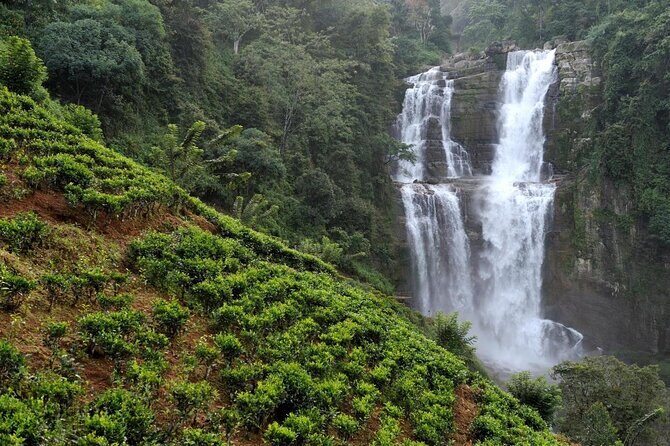
- Ramboda Waterfall stop en route, with a cool mist break
- Oak Ray Tea Factory & Museum includes a fresh brew and scenic views
- Bluefield Tea Gardens and Damro Labookellie focus on cultivation and processing
- Free admission at Oak Ray and Damro, but Bluefield and Ramboda are not included
Why Nuwara Eliya is the right place for Ceylon tea
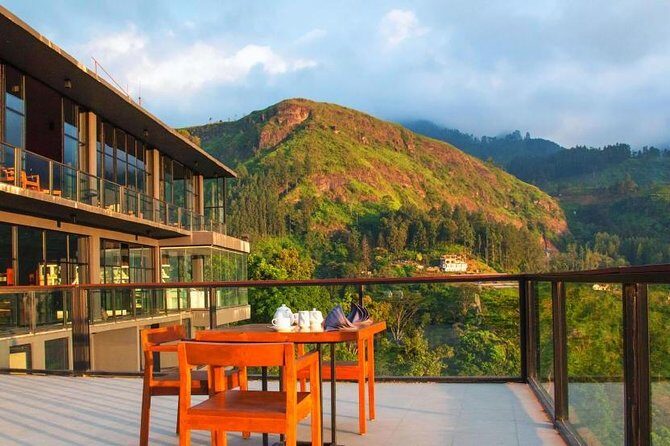
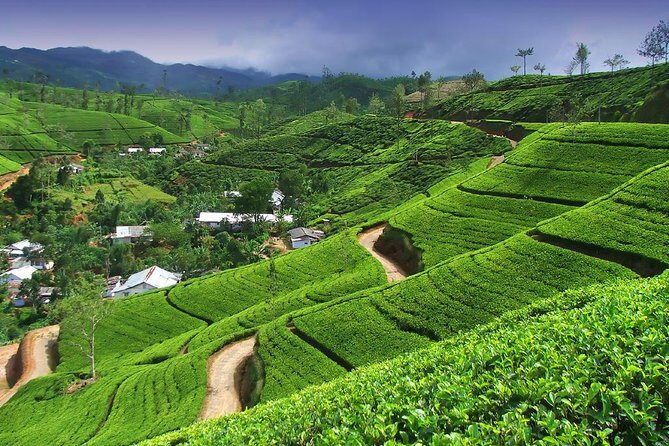
Nuwara Eliya is where Sri Lanka’s tea culture becomes easy to understand. The hills and tea estates aren’t just scenery here, they’re the whole point. On this tour, you get practical context for why Ceylon tea tastes the way it does: the work starts in the fields, then continues through processing, blending, and the careful handling that makes tea consistent cup to cup.
What makes this area especially good for a tea-focused visit is how concentrated everything is. Factories, gardens, and museum-style explanations are close enough that you can learn without turning the day into a nonstop car ride.
And yes, you still get a classic highland break. Ramboda Waterfall is included as a nature stop between tea stops, so you’re not trapped in factory halls all afternoon.
Other Nuwara Eliya tea tours we've reviewed in Nuwara Eliya


Your private timing and transport: what 3–5 hours feels like
The tour runs about 3 to 5 hours, depending on your chosen start time and how long you want at each stop. That range is honestly useful. Tea tours can feel rushed if you stack too many visits, but this one gives you enough time to actually talk with the guide and ask follow-ups.
You also get private round-trip transportation. That matters in Nuwara Eliya because tea factories and estates are spread out enough that getting there efficiently on your own can eat up time. With pickup offered and transport handled, you can focus on the learning part instead of logistics.
One thing to keep in mind: this tour is weather-dependent. It requires good weather, and if it can’t run because conditions are poor, you’ll be offered a different date or a full refund. So treat it like a plan for a good day, not a guaranteed weather-proof activity.
Oak Ray Tea Factory & Museum: tea craft you can see
Stop one is Oak Ray Tea Factory & Museum, in the Labukele area. This is the kind of stop that makes tea feel real, because you’re not just tasting—you’re seeing the production process explained in a way that’s visual and step-by-step.
The museum side is designed for people who like context. You’ll see tea-making tools and historical-style artifacts, then shift from the story into the practical side of how tea leaves move through processing. A fresh brewed cup is part of the experience, and the setting gives you a chance to enjoy the view while you taste.
A small practical win: the admission ticket here is listed as free. So this is one of the easiest starts financially—no surprise pay-at-the-door feeling for this first stop.
The trade-off? Since it’s a museum-plus-factory style visit, you’ll get the most from it if you’re willing to ask questions and linger a little. If you just want quick photo stops, you may feel like you’re waiting for the next moment.
Ramboda Waterfall: the misty reset between tea stops
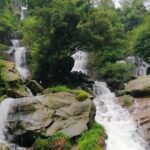
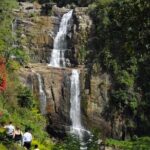
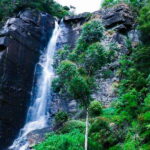
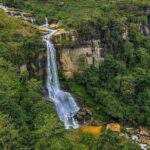
Between factories, you’ll stop at Ramboda Waterfall, typically around 40 minutes. This is a classic “pause and breathe” stop. The goal isn’t to turn it into a hiking day—it’s to give you a cool mist break and a change of pace from tea education.
The waterfall stop is described as being accessible en route to Nuwara Eliya, which is another reason this tour works. You’re not making a separate detour. It’s built into the route, so you get the scenery without spending your afternoon trapped in travel time.
Admission for Ramboda Waterfall is not included, so factor that into your day budget. If you’re trying to keep costs tight, it’s smart to mentally separate the tea portion (often where value is strongest) from this extra nature stop.
Bluefield Tea Gardens: seeing cultivation and processing connections
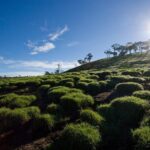
Bluefield Tea Gardens is where the tour connects tea flavor to what happens on the plantation. You’ll get a guided tour through the tea estate, with time to see and learn about cultivation—especially the step from plucking to processing.
This stop is great for people who want a less mechanical view of tea. Instead of only thinking about machines and factory stages, you get the human rhythm of how the leaves are handled before they ever reach the next step.
The admission here is not included, so again, check your expectations for total spend. Also, estate-style garden tours can be more comfortable if you wear shoes you don’t mind getting a bit muddy, since guided estate paths can be uneven. (The tour description emphasizes the guided walk and plantation experience, so comfy footwear is a smart choice.)




Damro Labookellie Tea Centre and Tea Garden: leaf to cup with views

The tour’s Damro stop is Damro Labookellie Tea Centre and Tea Garden. This is the “from leaf to cup” education portion with extra sensory payoff. You’ll take a guided tour through plantations, learn about tea cultivation, and follow the process into tea processing.
The description also calls out aroma and views. That may sound like marketing language, but on tea tours it’s actually practical. Aroma helps you understand fermentation and processing stages because you’re smelling as you learn. And the views help break up the day so you don’t feel stuck indoors.
Admission is listed as free for this stop, which is another reason this particular tour feels like it offers value. When you’re already paying a set price, having one or more stops with free entry keeps the day from turning into a surprise add-on collection.
Tea tasting and the factory shop reality check
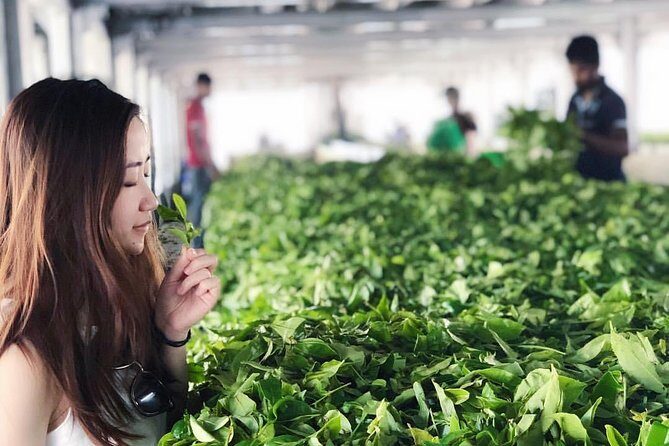
There’s tea tasting built into the experience—Oak Ray includes a freshly brewed cup, and the Damro stop is described as offering a sensory, aroma-focused journey that often pairs well with tasting. This is one of the best parts of tea-focused tours because it helps translate all that process talk into something you can actually judge.
Now for the part people sometimes forget: factory shops can be pricey. In the feedback tied to this tour, the factory shop prices were described as super expensive, and the group chose not to buy. That’s not a dealbreaker—just know what you’re signing up for.
My practical advice: treat the shops as optional. If you want tea, you can buy later if the day gives you enough clarity on your preferences. But if you’re mainly there for the learning and the tasting experience, you won’t feel forced to spend on the spot.
Guide quality is part of the value (Deva’s role)

A tea tour lives or dies on the guide. The descriptions you shared put a spotlight on Deva, who was noted as extremely helpful with a sense of humor that kept the afternoon moving. That kind of energy matters more than it sounds, because tea production questions can get technical fast.
What I like about this tour format is that you’re given time for questions and personalized attention. When the guide is good at translating what you see—without rushing you—you end up remembering the differences between processing steps instead of just remembering the names of places.
Also, English communication is mentioned as excellent. On tours like this, that’s not minor. Better communication means better learning, and tea knowledge actually sticks when you can ask follow-ups and understand the answers.
Price and value: is $49 per person fair?
At $49.00 per person, this tour is priced like a mid-value activity that tries to do three things at once: education, transport convenience, and a mix of tea and nature. The key included item is private transportation, which usually costs more than people expect when they try to DIY this route.
Here’s the value math in plain terms:
- You’re paying for guided tea factory/garden time plus transport.
- Two out of the tea experiences include free admission tickets (Oak Ray and Damro Labookellie).
- Admissions for Bluefield and Ramboda are not included, and taxes/fees are not included overall.
So the value is strongest if you’re genuinely interested in tea production and you’ll use the guide time. If you’re mostly there for photos or quick stops, the private transport and guided explanations might feel like more cost than payoff.
It’s also worth comparing to the cost of hiring a driver plus buying factory tickets on your own. The private, planned route can be the difference between an educational afternoon and a stressful one.
Who this tour suits best
This is ideal if you fall into one of these categories:
- You love food and drink culture and want to know what’s behind the taste.
- You want a guided look at Ceylon tea production, not just a tasting bar.
- You prefer private pacing and time to ask questions.
- You’re traveling with people who enjoy learning but also want a nature break.
It’s less ideal if:
- You’re set on only one factory and want total control over timing.
- You dislike any extra admissions cost (Bluefield and Ramboda are not included).
- You don’t want to spend any time in a museum-style explanation.
In terms of general participation, the tour says most travelers can participate, which suggests it’s not built as an extreme activity day. The waterfall stop is 40 minutes, so you’re not committing to a long hike as part of the plan.
Booking and weather: small planning notes that matter
Because the experience requires good weather, I’d schedule it when you have flexibility. If poor conditions cancel the tour, you’ll be offered a different date or a full refund, which is helpful.
Also, you’ll choose a start time. That’s useful in Nuwara Eliya because you can align with your broader day plan—especially if you’re pairing this with other highland activities.
Should you book this Nuwara Eliya tea tour?
Book it if you want a guided, tea-focused afternoon with real production context, convenient transport, and a private pace. The combination of Oak Ray’s museum-and-factory approach, Bluefield’s garden cultivation learning, and Damro’s leaf-to-cup processing gives you multiple angles on how tea becomes what you drink.
Skip it or keep expectations tight if your priority is only scenery or only shopping. Factory shops can be expensive, and two of the stops have admissions not included, so it’s not a throwaway cheap add-on.
If you’re the type who likes asking questions—especially about how tea is processed—this tour is exactly the kind of plan that turns a drink into an experience you’ll understand.
FAQ
How long is the Nuwara Eliya tea-focused tour?
The duration is approximately 3 to 5 hours.
Is this tour private?
Yes. It’s a private tour, and only your group participates.
Can I choose a start time?
Yes. You choose your start time for the tour.
Which tea factories are included?
The tour visits two of three local options: Damro Tea Factory, Blue Field Tea Garden, and OAK RAY Tea Factory and Museum.
Is pickup included?
Pickup is offered, and private transportation is included.
Are admission tickets included?
Oak Ray Tea Factory & Museum is listed as free admission. Damro Labookellie Tea Centre and Tea Garden is also listed as free admission. Bluefield Tea Gardens and Ramboda Waterfall admissions are not included.
What does the tour focus on?
It focuses on the tea industry in Sri Lanka, including how tea is produced and processed.
Is tea tasting included?
A freshly brewed cup is included at Oak Ray, and the stops are described as tea-focused experiences that include tasting as part of the visit.
What happens if the weather is bad?
This experience requires good weather. If it’s canceled due to poor weather, you’ll be offered a different date or a full refund.
What is the cancellation policy?
You can cancel up to 24 hours in advance for a full refund. If you cancel less than 24 hours before the start time, no refund is provided.