REVIEW · NUWARA ELIYA
Tea Plucking and Tea Factory: Visit from Nuwara Eliya
Book on GetYourGuide →Operated by Classical Lanka Tours (Pvt) Ltd · Bookable on GetYourGuide
Tea smells better when you pluck the leaves. This Nuwara Eliya tea experience is interesting because you don’t just look at the plantation—you pick tea with local workers, then watch how the leaves turn into Ceylon tea. I especially liked the way the Pedro Tea Factory tour is guided step-by-step, so the whole process actually makes sense. One possible drawback: with a 1-day schedule, it’s a focused visit rather than a long, all-day wander through multiple estates.
You’ll likely remember the people as much as the tea. My favorite part is the live English guiding, and the experience has a reputation for warm, hands-on leadership—think guides like Ranga, who helps you feel relaxed and in the moment. It’s also a private group setup, so you can ask questions without competing for attention.
In This Review
- Key Points at a Glance
- Why Nuwara Eliya Tea Country Feels Practical, Not Touristy
- Getting There: A Comfort-Focused Ride From Your Nuwara Eliya Hotel
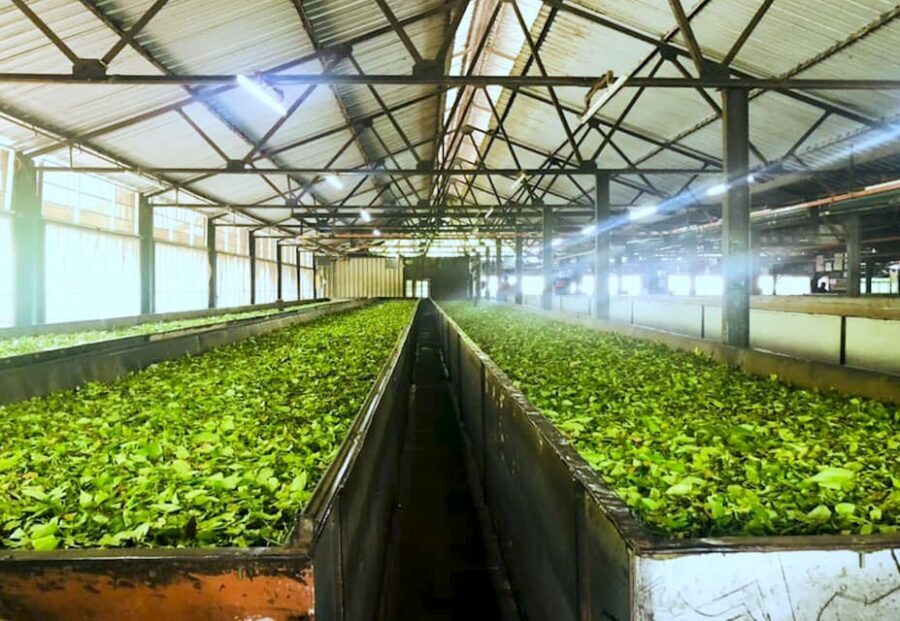
- Pedro Tea Factory: Watching Withering to Sorting in One Guided Flow
- Tea Plucking With Local Workers: What You’re Actually Picking
- Ceylon Tea Tasting: Turning Process Into Flavor
- Time, Price, and Value: Is $53 Per Person Worth It?
- What You’ll Learn (Without Feeling Like School)
- Who This Tour Fits Best in the Real World
- Small Tips That Make a Big Difference
- Should You Book This Tea Plucking and Factory Visit?
- FAQ
- How long is the tea plucking and tea factory visit?
- Where does the tour start?
- What factory is included?
- Do I get to pluck tea leaves myself?
- What happens during the tea factory tour?
- Is there a tea tasting?
- Is transportation included?
- Is the tour guide English-speaking?
- Is the group private?
- What’s the cancellation and payment flexibility?
Key Points at a Glance
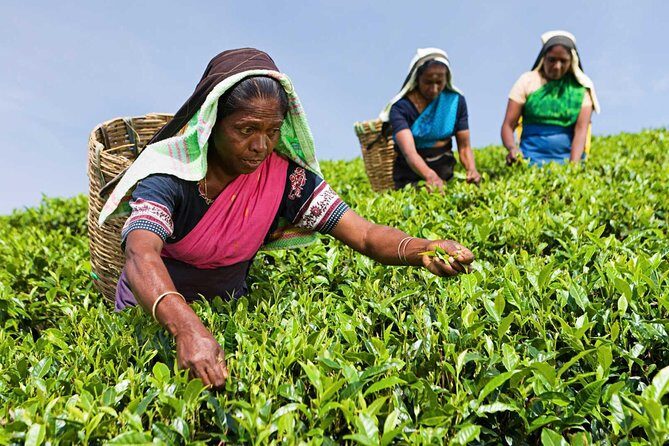
- Hands-on tea plucking alongside local pluckers (not just a photo stop)
- Pedro Tea Factory walkthrough of the full production chain
- Multi-cup Ceylon tea tasting tied to how the tea is prepared
- Scenic highland photo stops across Nuwara Eliya’s tea country
- Separate-entrance skip-the-line access to keep things moving
Why Nuwara Eliya Tea Country Feels Practical, Not Touristy
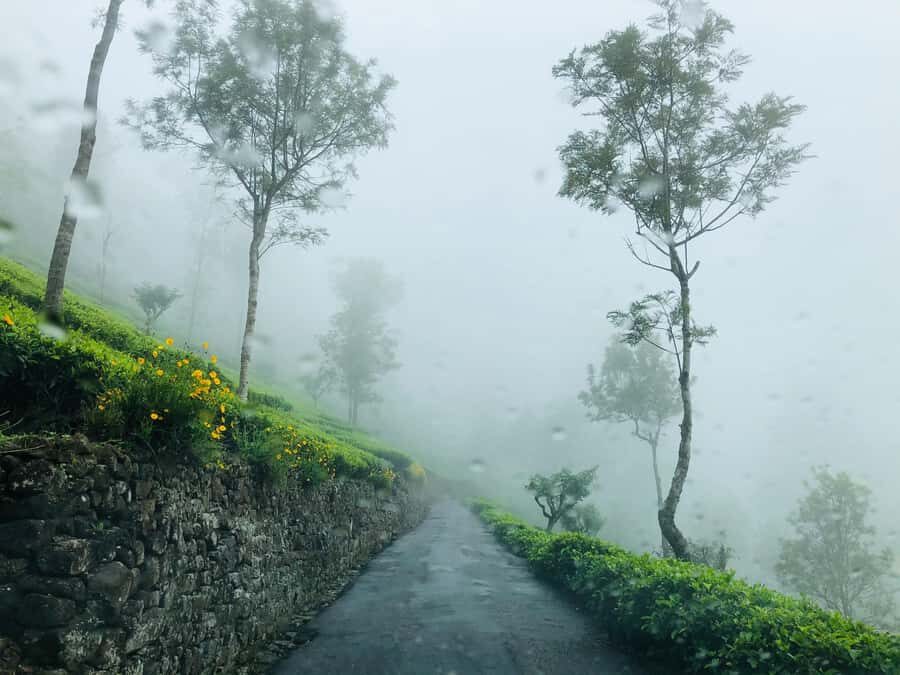
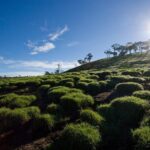
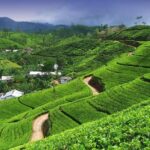
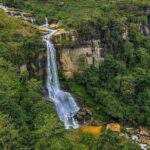
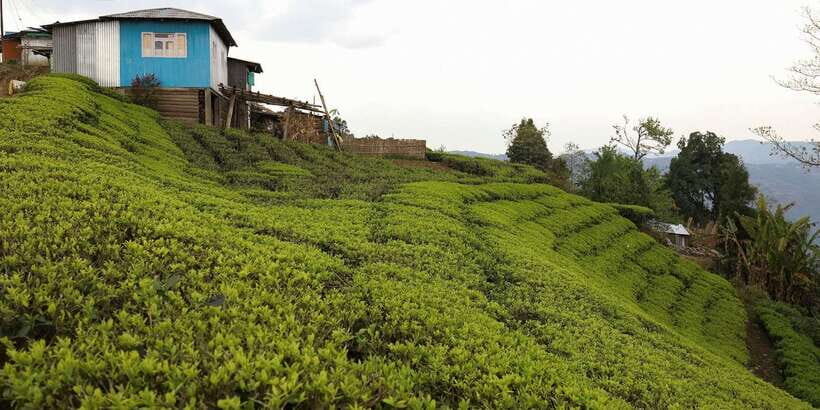
Nuwara Eliya is one of those places where the scenery isn’t just “pretty,” it helps you understand the product. Tea here is shaped by altitude and careful leaf handling, and this visit keeps that connection front and center. You start in the highlands, where the hills roll out in shades of green, then you move from leaf to factory process.
What I like is that you’re not expected to be a tea expert. The guide sets the story in a clear way: you see the leaves, you learn the steps, and then you taste what those steps can change. If you’ve ever wondered why Ceylon tea tastes the way it does, this gives you enough context to make your own sense of it.
And yes, there’s the sensory side. Fresh tea leaves and factory aromas show up early, and it’s one of the few tours where you’re smelling what you’re learning as you go.
Other Nuwara Eliya tea tours we've reviewed in Nuwara Eliya

Getting There: A Comfort-Focused Ride From Your Nuwara Eliya Hotel
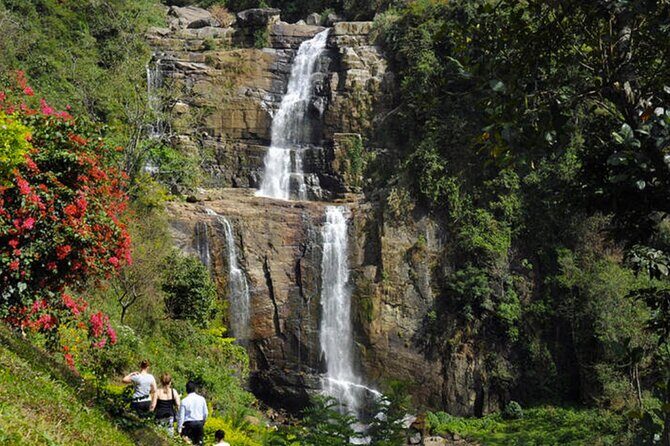
You’ll be picked up from your Nuwara Eliya hotel and transferred by private transport in an air-conditioned vehicle. That matters here because you’re driving through hill country, where roads can twist and turn.
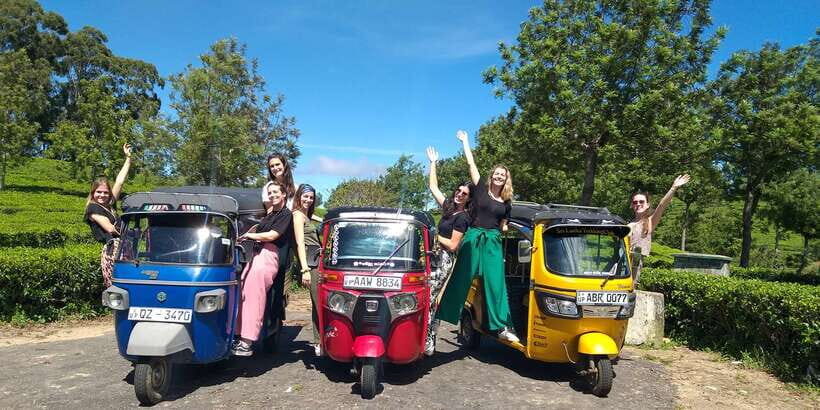
On the ride, you’ll wind through rolling green hills dotted with tea bushes. You also get WiFi on board and bottled water, which sounds small until you’re trying to keep your phone charged for photos while you’re out in the highlands.
The practical upside: because pickup is included, you’re not stuck negotiating transport or timing. The schedule is built around a calm morning (or early start, depending on what’s available) and then a return to Nuwara Eliya by late morning or early afternoon.
Pedro Tea Factory: Watching Withering to Sorting in One Guided Flow
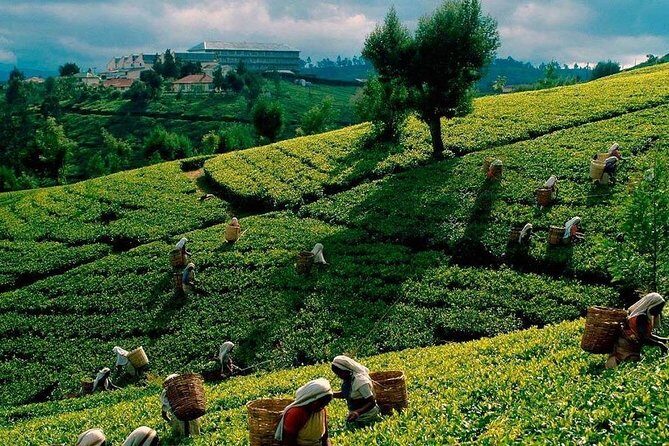
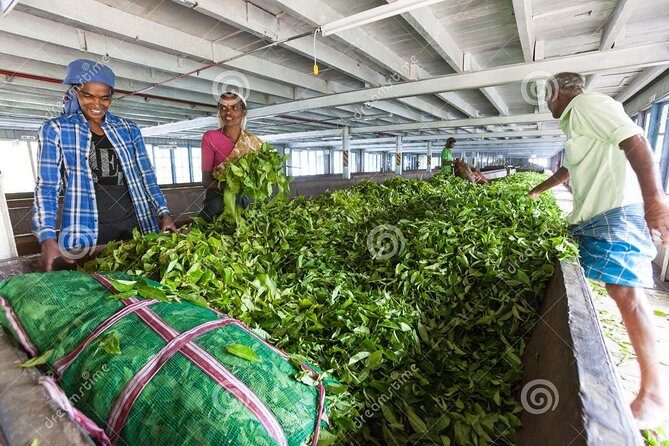
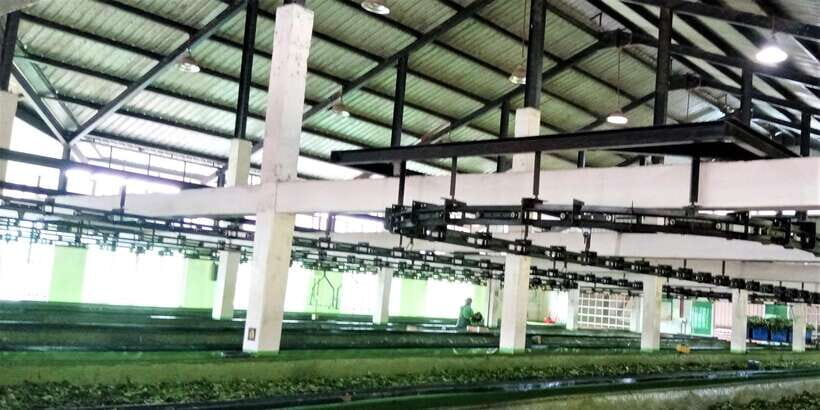
The main stop centers on Pedro Tea Factory, with a guided tour that typically takes about 4 hours. This is where the experience turns from scenery to real understanding.
Here’s the process you’ll see explained during the factory tour:
- Withering
- Rolling
- Fermenting
- Drying
- Sorting
Those names sound technical, but the guide’s job is to connect each step to the tea’s final character. Withering and rolling change what’s happening inside the leaf, fermenting influences the oxidation process, drying stops it, and sorting groups leaves by how they’ve processed and how they’ll perform.
If you enjoy hands-on learning, you’ll feel right at home here. If you just want something relaxing, it’s still worth it because the tour gives you a steady rhythm: watch, listen, ask, then watch the next stage. And since the experience includes skip-the-line access via a separate entrance, you’re less likely to lose time to waiting.
Tea Plucking With Local Workers: What You’re Actually Picking
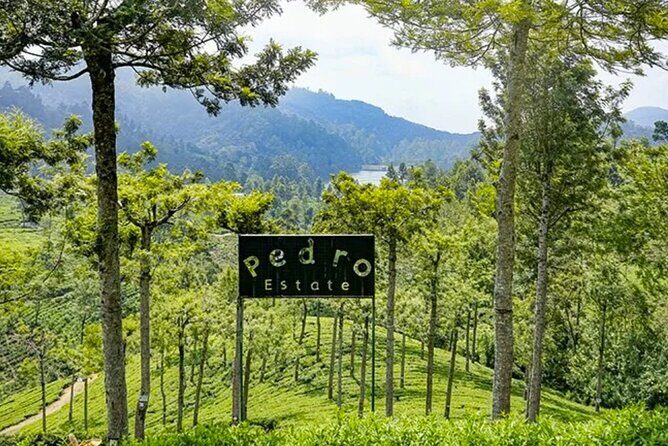
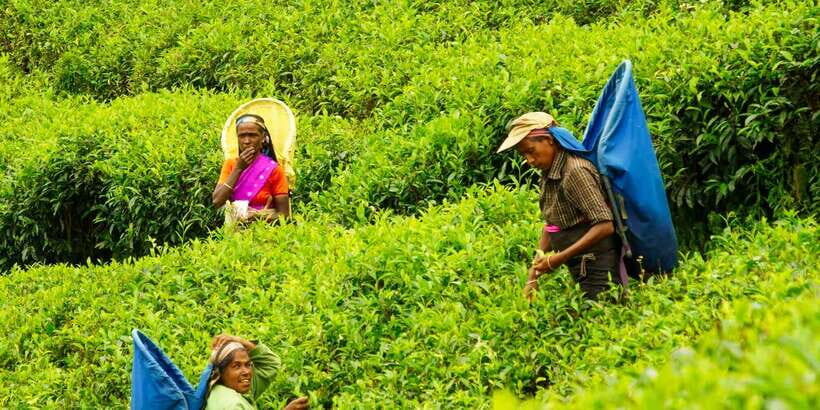
A big reason this works is that it includes tea plucking, not just “look at the plantation.” You’ll walk through the tea fields with your guide and meet the people who do the work day after day. Then you’ll try plucking yourself.
The key detail is how careful the picking is. The whole point of plucking demonstrations is learning how to select tender leaves—not random leaf picking or grabbing whatever is closest. You’ll see that the quality focus is in the selection.
What you should expect in practice:
- a guided walk through manicured plantation areas
- an explanation of how pluckers choose the leaves
- hands-on time where you can try the motion and pacing
This is also where your photos get more interesting. Instead of only photographing tea bushes, you can photograph the action: leaves in hand, tea pluckers at work, and the way rows of bushes climb the hills.
One consideration: if you’re not used to walking on uneven ground, take it slow. The experience is not sold as extreme, but you are moving around on a working plantation landscape.
Ceylon Tea Tasting: Turning Process Into Flavor
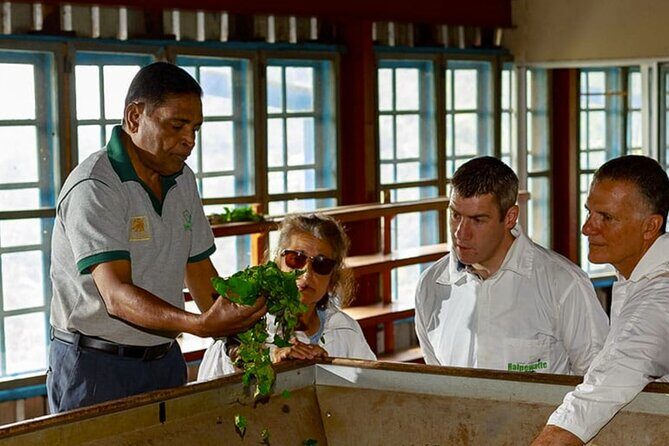
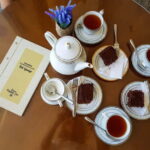
After the factory tour, you’ll get Ceylon tea tastings. The tasting part isn’t just about handing you cups and calling it education. You get multiple brews and can compare them.
The guide connects the differences back to preparation and craftsmanship, and you’ll notice how each cup can feel distinct. You’ll likely pick up on things like aroma intensity and how the cup finishes, even if you can’t label every note like a sommelier.
What I like about tasting here is that it closes the loop. Before tasting, you’ve watched withering, rolling, fermenting, drying, and sorting. Then you taste and ask yourself: does this cup match what the guide implied? That simple back-and-forth is what makes the day stick in your memory.
Also, it’s a nice change of pace. You get a break from the walking and factory viewing, and tasting lets you slow down.




Time, Price, and Value: Is $53 Per Person Worth It?
This experience is priced at $53 per person and runs as a 1-day outing from Nuwara Eliya, with about 4 hours at the factory portion.
Is it good value? For me, it comes down to three things you’re getting all in one package:
1) Transportation from your hotel in a private, air-conditioned vehicle
2) A guided factory tour of the full production chain
3) A guided tea plucking experience plus tastings
If you tried to assemble this yourself—transport, factory entry, a guide who can explain steps, and time for plucking—you’d likely spend at least as much, and you might lose the smooth timing. The private-group structure also helps. You’re not being rushed along with a crowd.
The only value trade-off is time. This is not a “tea country weekender.” It’s a focused visit, so if you’re hoping for long estate hiking or multiple factories, this probably won’t fill that craving.
What You’ll Learn (Without Feeling Like School)
The best tours do two jobs: entertain you and teach you something you’ll actually use. This one does that in a practical way.
By the time you’re done, you can explain the sequence of how tea moves from leaf to product. You also get a sense for why people care about selection and processing. Even if you don’t remember every stage, you’ll remember the idea: the factory steps change the tea.
And because you pluck the leaves yourself, you build respect fast. You understand why tender leaf selection matters. It’s hard to fake that kind of connection with a quick photo stop.
Who This Tour Fits Best in the Real World
This is a strong fit if you’re any of these:
- you want tea culture without complicated theory
- you’re a nature and photography fan who wants more than just viewpoints
- you’re visiting your first time in Sri Lanka’s highlands and want a clear, guided experience
- you’re looking for a couple-friendly day that’s scenic and hands-on
- you want a family activity with structured learning and tasting (adult-focused tasting, but the process is easy to follow)
It’s also a decent choice if you prefer smaller, calmer experiences. The format is private group, and the guide is live in English, so you get room for questions.
Small Tips That Make a Big Difference
A few practical things will help you get the most out of the day:
- Wear shoes you’re comfortable walking in. Tea estates can mean uneven ground.
- Bring a light layer. Highlands weather can feel different through the day, even when the sun is out.
- If you care about photos, think about timing. The plantations and highland views are a major part of the experience, so keep your phone ready during transitions between areas.
- Pay attention during the factory tour. The tasting makes more sense when you remember the stage names the guide uses.
Also, your guide will set the pace. Guides like Ranga are known for making the experience feel local and easygoing, which helps if you’re a bit shy about asking questions.
Should You Book This Tea Plucking and Factory Visit?
If you want a tea experience with real participation—plucking, factory process, and tasting—I’d book it. For the price, you’re basically paying for a full guided flow plus comfortable private transport, and you get a direct connection between what you do in the fields and what you drink at the end.
Skip it only if you want a longer, slower day with lots of hiking or if you’re not interested in the factory side of tea. This is a focused “from leaf to cup” outing, not a multi-estate adventure.
If you’re on the fence, here’s the quick decision rule: if you’d enjoy learning how Ceylon tea is made while also holding a handful of freshly plucked leaves, this is your kind of day.
FAQ
How long is the tea plucking and tea factory visit?
The experience is listed as a 1-day tour, with the Pedro Tea Factory guided portion taking about 4 hours.
Where does the tour start?
Pickup is from your hotel in Nuwara Eliya.
What factory is included?
The tour includes a visit and guided tour at Pedro Tea Factory.
Do I get to pluck tea leaves myself?
Yes. You’ll join a tea plucking demonstration and can pluck leaves with local workers.
What happens during the tea factory tour?
You’ll see the main stages of tea production: withering, rolling, fermenting, drying, and sorting.
Is there a tea tasting?
Yes. You’ll enjoy multiple Ceylon tea tastings of fresh brews.
Is transportation included?
Yes. You’ll travel in a private air-conditioned vehicle, with bottled water and WiFi on board.
Is the tour guide English-speaking?
Yes. The live tour guide speaks English.
Is the group private?
Yes. It’s a private group experience.
What’s the cancellation and payment flexibility?
Free cancellation is available up to 24 hours in advance for a full refund. There’s also a reserve now & pay later option, so you can book without paying immediately.