REVIEW · BENTOTA
4-Day Essence of Sri Lanka Tour
Book on Viator →Operated by Beyond Escapes · Bookable on Viator
A lot of Sri Lanka is packed into this short stretch. You’ll bounce from UNESCO sites to rural village life, with bikes, a trek, and even classic local rides. It’s a strong way to see the essence of the island without spending your whole trip in a car.
Two things I really like are the mix of major World Heritage stops plus hands-on village time, and the fact you get an English-speaking chauffeur guide to keep the story straight. The pacing is busy, but it’s set up so each day has a clear “why you’re there.”
One possible drawback: this tour asks for moderate physical fitness. If climbing steps at Sigiriya or walking in the village is a concern, you may want to plan for breaks and slower moments.
Key highlights that matter in real life
- UNESCO-heavy itinerary: Dambulla Caves, Polonnaruwa, Sigiriya, and the Sacred Tooth Relic in Kandy
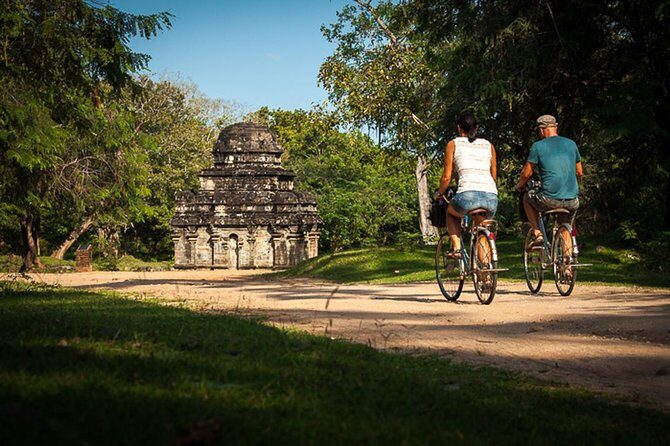
- Cycling through Polonnaruwa ruins instead of just driving past them
- Hiriwadunna village trek with lunch, plus rural transport like a tuk-tuk ride and an ox-cart ride
- Sigiriya Rock Fortress climb with planned time for the fortress and gardens
- Small-group feel: maximum 15 travelers, with pickup and drop-off included
In This Review
- What You’re Really Getting in 4 Days (and What You’re Not)
- Dambulla Cave Temple: UNESCO Caves With a Real Sense of Place
- Polonnaruwa by Bike, Then Sigiriya Rock Fortress on the Same Trip
- Hiriwadunna Trek: Walk a Village Path, Not Just a Scenic Road
- Matale Spice Garden and Kandy’s Sacred Tooth Relic
- Hotels, Group Size, and the Kind of “Comfort” This Includes
- Price and Value: Is $1,250 a Smart Deal?
- Guides Make or Break It: How This Trip Works When the Person Running It Cares
- Who This Tour Fits Best (and Who Should Think Twice)
- Should You Book the 4-Day Essence of Sri Lanka Tour?
- FAQ
- FAQ
- Which World Heritage sites are included?
- What transport is included during the tour?
- Are meals included?
- What kind of accommodation do you get?
- Is the tour run with an English-speaking guide?
- What level of fitness is needed?
- Is vegetarian food available?
- Where does pickup and drop-off happen?
- Are there limits on group size?
What You’re Really Getting in 4 Days (and What You’re Not)
This is a “high-signal” tour. In four days you cover a lot of Sri Lanka’s headline cultural sites, then balance that with rural village scenery and daily life. You won’t leave with a beach tan or a nightlife plan. You’ll leave with stories: water gardens, ancient capitals, temple ritual, and people going about their day.
The value here is the structure. You’re not hunting transport, tickets, or timing between far-flung stops. The tour includes hotel pickup and drop-off, rides in an air-conditioned minivan, and an English-speaking guide who helps you understand what you’re looking at—without turning every stop into a lecture.
The other big part of the value is that you’re not only “viewing.” You ride a bike in Polonnaruwa and trek in Hiriwadunna. Those actions change how you experience the place, because you move at a human pace instead of a bus-window pace.
Dambulla Cave Temple: UNESCO Caves With a Real Sense of Place
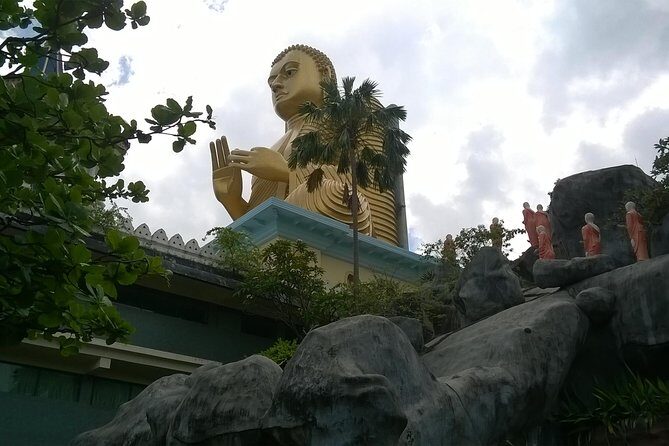
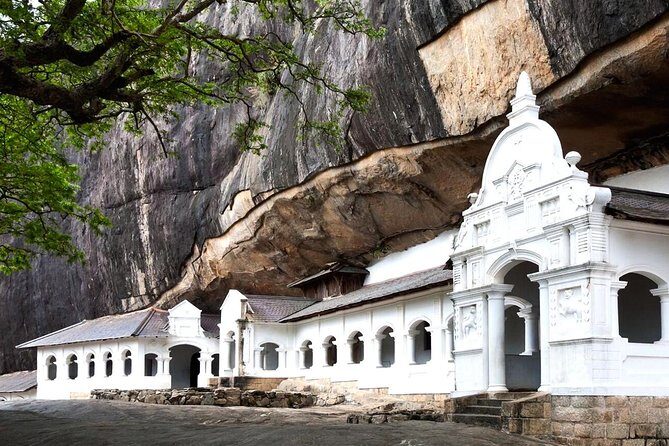
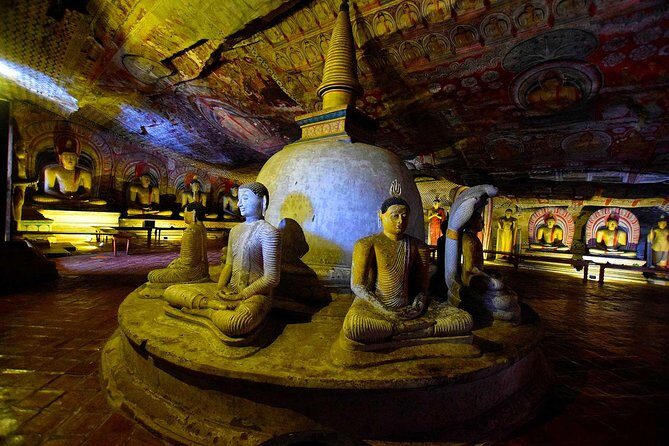
Day 1 starts with the Dambulla Cave Temple, a UNESCO World Heritage site. The big draw is that you’re stepping into a long tradition of temple life carved into rock. Even if you’re not a religious-history superfan, the setting hits: stone, shade, and a temple interior that feels made for lingering.
You’ll have time to explore at a comfortable pace—there’s a set visit window, and admission is included. That matters. When tickets are covered and timing is handled, you can focus on how the caves are laid out and what kinds of murals or religious spaces you’re walking through.
After Dambulla, the trip settles you in for the night in Sigiriya. That hotel placement is practical. It keeps you closer to the next day’s big climb, rather than wasting time on a long transfer.
Tip for your day-1 comfort: wear shoes you can trust on uneven ground. Cave temples can mean stone steps and cooler air. Bring a light layer even if the day is warm.
If you're still narrowing it down, here are other tours in Bentota we've reviewed.
Polonnaruwa by Bike, Then Sigiriya Rock Fortress on the Same Trip
Day 2 is where the trip gets physical. In the morning you cycle through the ancient Polonnaruwa ruins. This is one of the best ways to see a World Heritage city because you get to “follow the flow” of the landscape rather than just stopping at a handful of viewpoints.
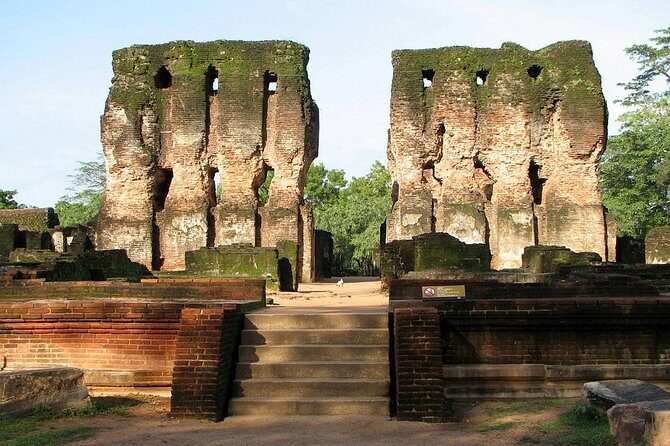
Polonnaruwa is described as one of the best maintained ancient Ceylon ruins, and that maintenance shows. With the bike time set for a few hours and admission included, you can take your time. You’ll get the sense of how the medieval city worked—temple areas, stone structures, and the overall geometry of the place.
Then in the afternoon you head to Sigiriya Rock Fortress for the climb. This part isn’t a stroll. You’re going up a rock fortress that’s famous for its views and water gardens. The time on site includes the fortress experience and the surrounding water gardens.
Admission is included here too, so you avoid the annoying “where do we stand” ticket shuffle. The payoff is that Sigiriya is one of those stops where the effort feels justified. You’re climbing toward a layered mix of defensive architecture, religious symbolism, and landscape design.
Practical note: if you’re sensitive to heat or heights, ask your guide about the best pace. The tour is designed for a moderate fitness level, but you can still move slower and keep enjoying the views.
Hiriwadunna Trek: Walk a Village Path, Not Just a Scenic Road
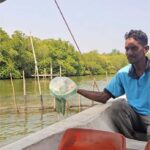
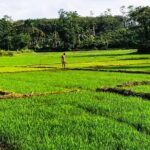
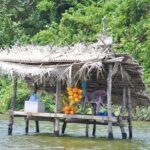
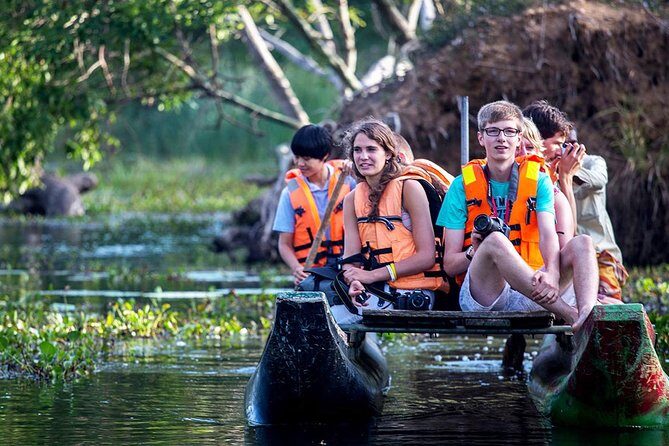
Day 3 begins with Hiriwadunna trekking through a typical Sri Lankan village area. The trek starts along a man-made reservoir (a wewa), then moves through scrub jungle, marshland edges, and village life. This is the day that shifts you from ancient sites to “how people live.”
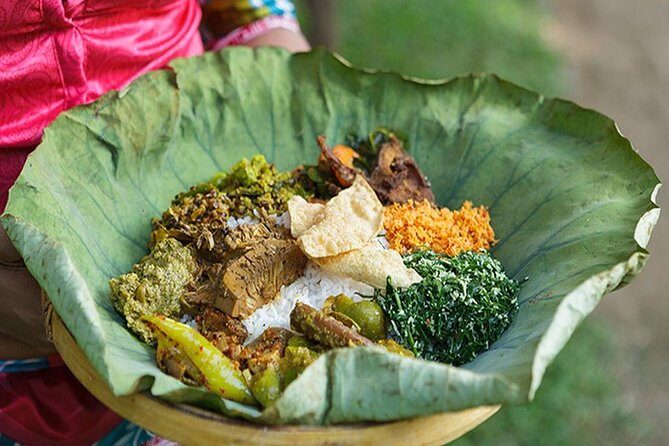
You get a village lunch as part of the experience. That matters because it turns the day from sightseeing into a cultural exchange. Food becomes a cue: you notice what’s locally available and how daily routines shape meals.
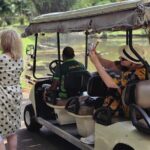
This is also where the tour adds the playful local transport elements. You’ll ride a tuk-tuk and take an ox-cart ride as part of the rural village component. They’re not just photo props. In a place like this, those rides are the local way to move between small pockets of daily life.
Also, this is the part of the tour that feels the most “Sri Lanka-specific.” The temples are UNESCO-level. But the village trek is the stuff that doesn’t look like a highlight brochure.
Comfort tip: bring bug spray if you’re prone to bites. Also pack a small water bottle and expect some uneven walking.
Matale Spice Garden and Kandy’s Sacred Tooth Relic
After lunch and the trek, the tour drives toward Kandy. Along the way you stop at a spice garden in Matale. This is practical context for Sri Lanka beyond tourist souvenirs. Spices have long been one of Sri Lanka’s celebrated exports, and they show up in food, medicine, and cosmetics. Even if you keep it to the basics, this stop helps you connect what you taste later with how Sri Lanka produces it.
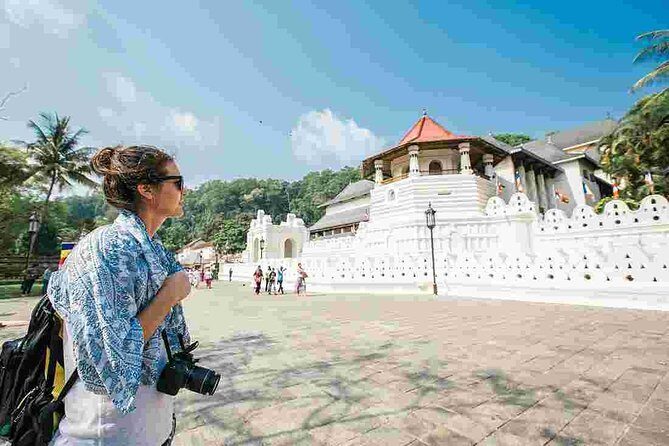
Then the focus turns to Kandy. You’ll enjoy a city tour that includes the Temple of the Sacred Tooth Relic and stops like the upper lake drive, market square, and a gem lapidary stop. The temple visit is a key cultural moment because it centers the experience on what’s revered and how ritual is carried out in daily life.
This day also includes admission for the Sacred Tooth Relic temple, so you’re not scrambling during the most important part of the visit. You’ll spend the night in Kandy after the day’s temple and city sights.
In Kandy, the tour includes hotel breakfast. Your lodging is 3-star bed & breakfast style, and that base matters because Kandy days can feel full. You’ll likely appreciate a room you can actually rest in after walking and climbing.
Hotels, Group Size, and the Kind of “Comfort” This Includes
The tour uses 3-star bed & breakfast hotels for three nights. In plain terms: you should expect clean, simple rooms and basic comfort—not luxury. That’s not a deal-breaker. In a tour packed with temples and trekking, you’re mostly using the hotel to sleep and reset.
One review note that’s worth your attention: the hotel in Kandy may not feel fully soundproof, and hot water can be inconsistent. That’s not a reason to avoid the tour, but it is a real-life reminder to check what your personal tolerance is for thin walls and variable shower performance.
The other comfort factor is group size. The tour runs with a maximum of 15 travelers, which keeps things from turning into a giant stampede. It also means the guide can keep track of people during transitions, like when you’re moving between stops or preparing for climbs.
You’ll travel in an air-conditioned minivan, with pickup and drop-off handled. That helps a lot on hot road days, and it reduces the mental workload of coordinating transport yourself.
Price and Value: Is $1,250 a Smart Deal?
At $1,250 for the 4-day experience, the value depends on what you’d otherwise pay to assemble the trip yourself. Here you’re getting:
- UNESCO admissions included at key stops
- 3 nights of 3-star B&B lodging with breakfast
- lunch and a village lunch included
- pickup/drop-off and air-conditioned transport
- an English-speaking chauffeur guide
- a planned mix of biking, trekking, and transport experiences like tuk-tuk and ox-cart
If you tried to stitch this together independently—tickets plus local drivers plus guide time—costs can climb fast, especially with multiple distant sites across the island’s interior.
The one pricing reality you should know: the tour requires a minimum of 4 people per booking, and it’s sold in a group format. If you’re traveling solo, you may be relying on the group to form. With that in mind, this can be a great “group deal” type of tour rather than a guaranteed private experience.
Guides Make or Break It: How This Trip Works When the Person Running It Cares
This tour leans on its guide. You get an English-speaking chauffeur guide, and the difference shows when the guide can connect what you see to why it matters.
One named guide you may encounter is Madushanka—and the feedback around him highlights something you should look for in any culture tour: clear explanations and a warm, engaged way of talking about daily life, customs, and traditions. That kind of guiding turns temple walls into context instead of just photos.
Even beyond temple facts, the guide helps you manage timing—when to move, where to slow down, and how to handle the physical bits like climbs and walking segments.
If you value story and context as much as the sights, this tour’s format makes sense.
Who This Tour Fits Best (and Who Should Think Twice)
This experience is ideal if you:
- want a first serious taste of Sri Lanka’s cultural highlights
- like a mix of temples, ruins, and village life
- enjoy active elements like cycling and trekking
- prefer a guided structure so you don’t spend your trip planning logistics
Think twice if:
- you don’t do well with climbing steps or uneven walking
- you’re expecting a quieter, slower pace
- you’re sensitive to basic hotel comfort issues (thin walls, hot water consistency)
The good news: the tour doesn’t demand marathon fitness. It asks for moderate physical fitness, which most active visitors can handle if they pace themselves.
Should You Book the 4-Day Essence of Sri Lanka Tour?
Yes—if you want maximum cultural return in limited time and you’re happy to trade beaches for UNESCO temples, ancient ruins, and village life. The biking in Polonnaruwa and the Hiriwadunna trek are the kind of experiences that make a trip feel more real than a drive-by photo stop.
No—if your top priority is comfort-only travel. The pace is busy, and hotels are 3-star, not fancy. Also, Sigiriya’s climb means you should respect the physical side.
My practical bottom line: book it when you want a guided, active cultural route with admissions and meals handled. Skip it when you want leisurely freedom or a beach-first itinerary.
FAQ
FAQ
Which World Heritage sites are included?
You visit UNESCO World Heritage sites including the Dambulla Cave Temple, the ancient city of Polonnaruwa, Sigiriya Rock Fortress, and Temple of the Sacred Tooth Relic (Sri Dalada Maligawa).
What transport is included during the tour?
The tour includes transport by air-conditioned minivan and hotel pickup and drop-off. It also includes rural transport experiences such as tuk-tuk and an ox-cart ride.
Are meals included?
Yes. Lunch is included, and the tour also includes village lunch during the Hiriwadunna trekking day. Breakfast is included for 3 days.
What kind of accommodation do you get?
You get 3 nights of 3-star bed & breakfast hotels, with daily breakfast.
Is the tour run with an English-speaking guide?
Yes. The tour includes an English-speaking chauffeur guide.
What level of fitness is needed?
You should have moderate physical fitness. The route includes cycling, trekking, and climbing as part of the Sigiriya visit.
Is vegetarian food available?
A vegetarian option is available. You need to advise at booking if you want it.
Where does pickup and drop-off happen?
Pickup and drop-off are available from Colombo, Negombo, or Mount Lavinia, and you can also be dropped near Bandaranaike International Airport in Colombo.
Are there limits on group size?
Yes. The tour has a maximum of 15 travelers, and it requires a minimum of 4 people per booking.