REVIEW · BENTOTA
From Bentota: Elephant Transit Camp and Udawalawe Safari
Book on GetYourGuide →Operated by Serendipity tours (private) Limited · Bookable on GetYourGuide
Wild elephants in Udawalawe and Dutch-style streets in Galle make a great combo. This small-group day (max 10) strings together off-road wildlife time and proper sightseeing without leaving you stuck planning logistics.
I especially like the chance to watch elephants from a real jeep, on off-road tracks that keep you close to what the herd is doing. I also love the contrast of seeing baby elephants at the transit camp right after the safari—one moment you’re scanning grasslands, the next you’re watching milk feeding up close.
One consideration: it’s a full, packed day with an early pickup and several walks, so if you’re not up for long drives and heat, plan your pacing.
In This Review
- Key things you’ll remember
- The big idea: why this day works so well
- Udawalawe National Park jeep safari: the close-encounter moment
- Elephant Transit Camp milk feeding: the emotional contrast
- Galle Fort UNESCO: cobblestone lanes and Dutch-built defenses
- Unawatuna Beach break: sea breeze before the culture stop
- Ambalangoda mask museum: why masks matter beyond decoration
- Price and logistics: what you’re really paying for
- How the small group and guide change the vibe
- Who should book this tour?
- Should you book the Bentota to Udawalawe + Galle day?
- FAQ
- What’s the duration of the Bentota to Udawalawe safari and Galle day?
- How long is the Udawalawe National Park jeep safari?
- Do I need to buy tickets for attractions during the tour?
- What animal sightings can I expect in Udawalawe?
- What happens at the elephant transit camp?
- What should I bring for a comfortable day?
Key things you’ll remember
- Udawalawe jeep safari (3 hours, 4×4 off-road) for close wild-elephant viewing alongside other animals
- Elephant transit camp milk feeding where you can see dozens of baby elephants together
- Galle Fort UNESCO walk through cobblestone lanes with Dutch-era fort buildings repurposed today
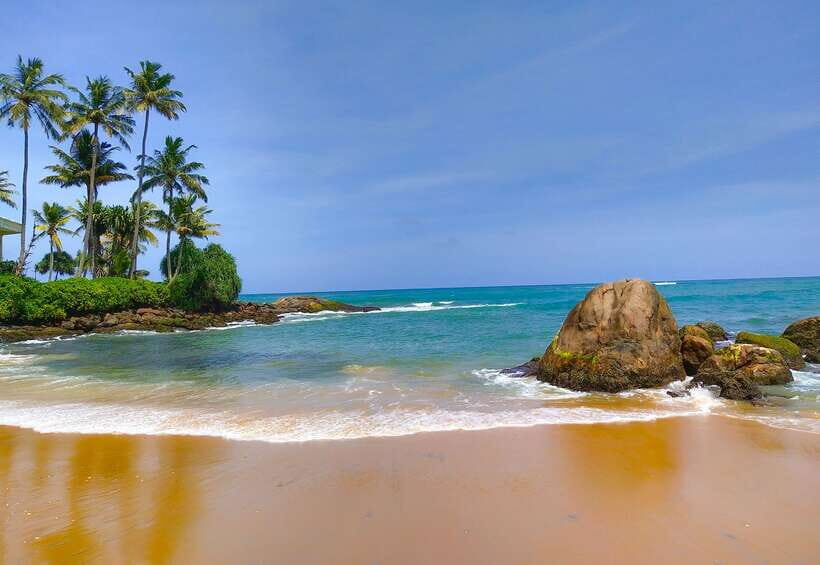
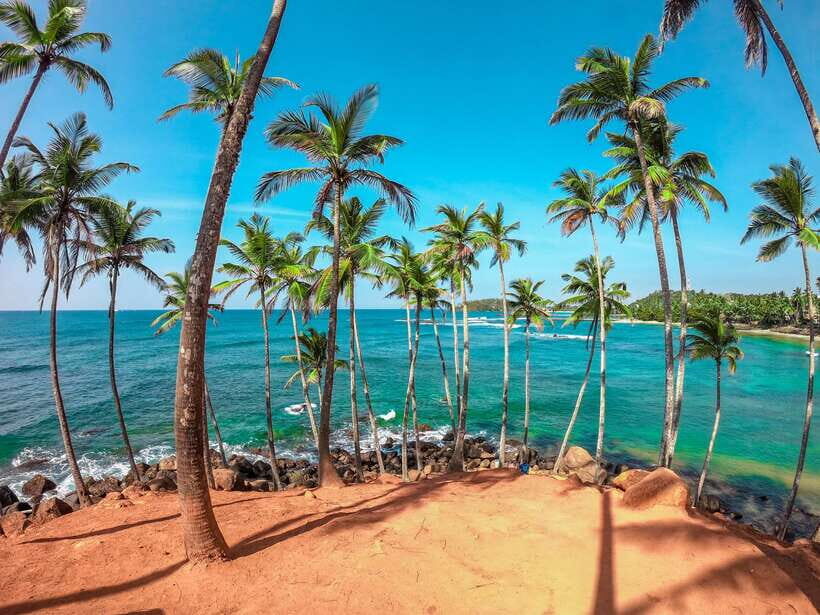
- Beach break on the west/south coast for sea breeze and time to cool off
- Ambalangoda mask museum to connect mask design with traditional dance and festivals
The big idea: why this day works so well
This tour is built around one smart principle: wildlife time first, then culture and scenery while your brain is still buzzing. You start with a long morning drive to Udawalawe, where wildlife is the headline act. After that comes the elephant “wow” follow-up at the transit camp. Only then do you shift gears to Galle’s fort walls and lanes, then add beach air and mask-making culture.
That pacing matters. Udawalawe is about patience and scanning, and the transit camp is about action and close-up feeding. If you do it the other way around, the elephant magic can feel less intense. Here, you get a clear storyline: wild elephants out in the park, then baby elephants gathered for care.
You also get a professional guide handling the route and timing, with English and German options. For many people staying around Bentota or Kalutara, that’s the easiest way to add Udawalawe and Galle Fort in a single day.
Other Udawalawe safari tours we've reviewed in Bentota
Udawalawe National Park jeep safari: the close-encounter moment
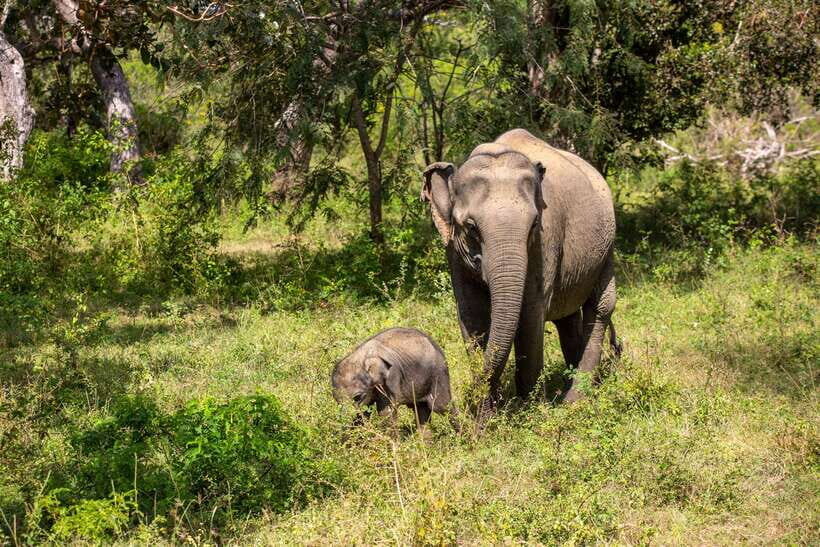
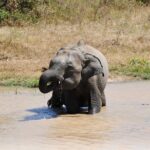
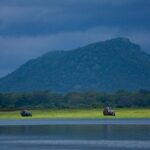
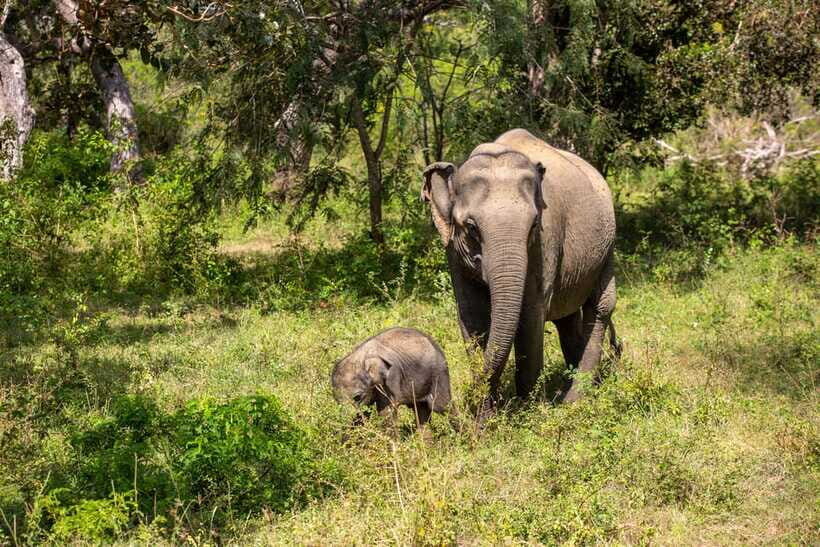
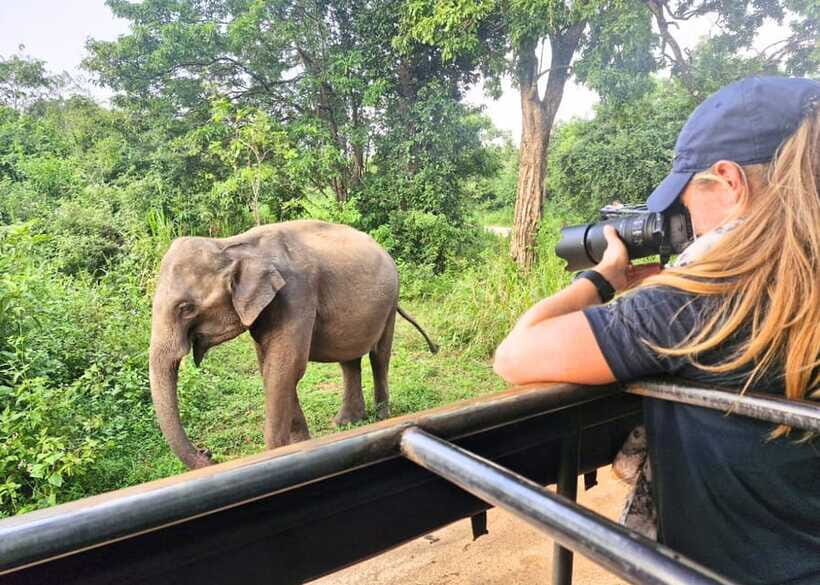
Udawalawe is famous because it offers one of the best chances in Sri Lanka to see wild elephants, and this tour leans into that. You’ll spend about 3 hours on a 4×4 jeep safari, with time focused on spotting animals from the best vantage points the guide can reach.
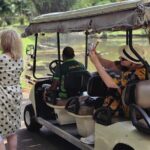
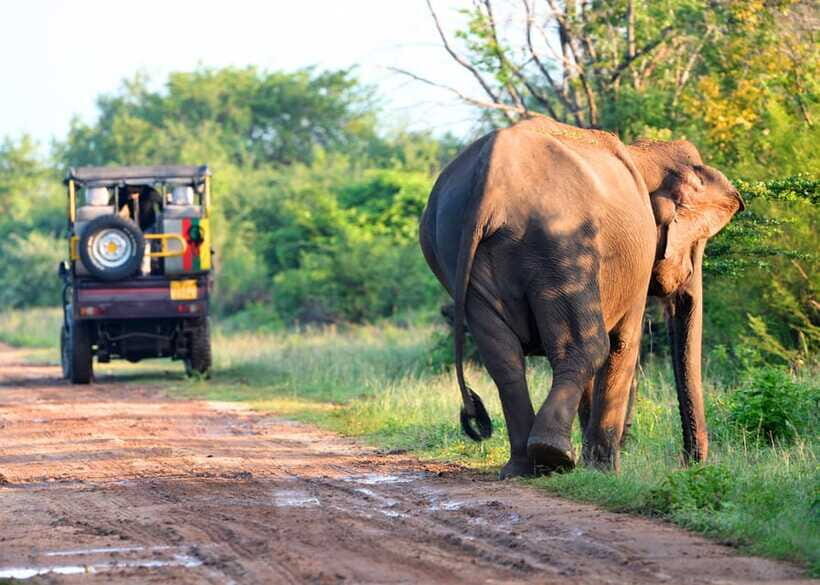
What makes the experience feel different is the setting and the transport. You’re not just riding along roads; you’re on a jeep safari route designed for wildlife viewing, which helps you get better sightlines when animals move between feeding and water areas. Elephants are the star, and the tour specifically sets expectations for seeing them at very close proximity to the safari jeep.
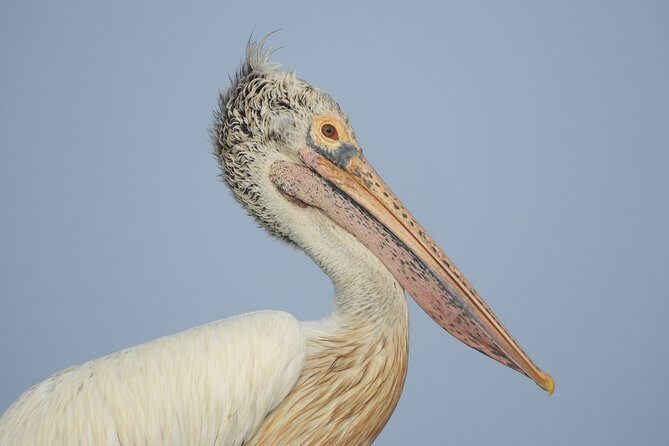
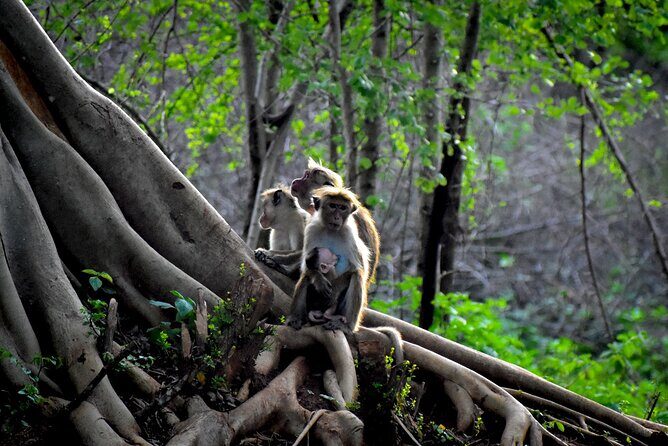
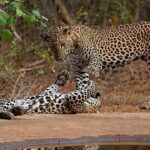
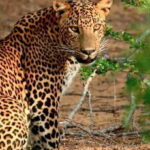
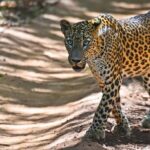
You should also expect more than elephants. The safari commonly includes crocodiles, jackals, deer, buffalo, and sloth bears. Even if your exact animal list varies (it always does with wildlife), the park environment keeps the horizon interesting. One minute you’re watching grassland movement, the next you’re following tracks, and then you spot movement that’s unmistakably something big.
Practical notes that really help:
- Wear breathable clothes and use sunscreen early. The morning can start bright and warm fast.
- Comfortable shoes matter because you may step out or shift position depending on where the guide is spotting animals.
- Bring your own water and snacks. Food isn’t included, and a long park morning is not the time to rely on later convenience stops.
Elephant Transit Camp milk feeding: the emotional contrast
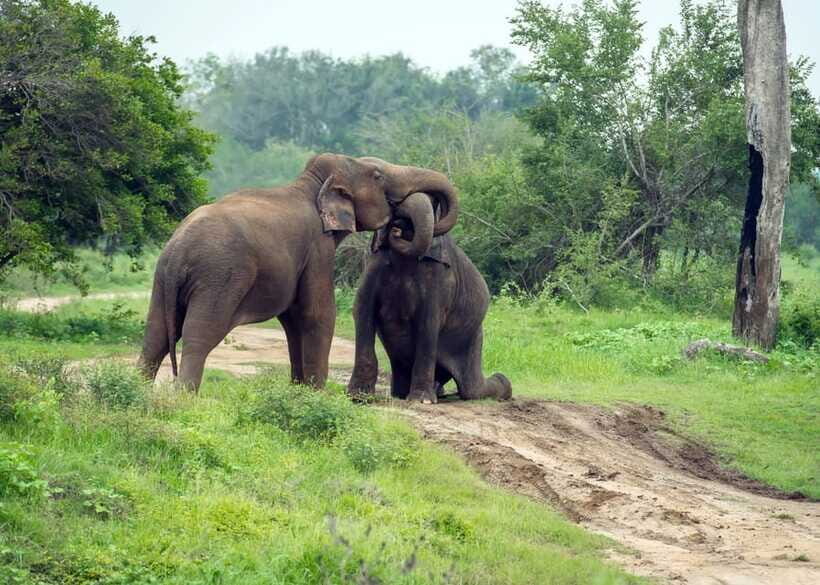
After the safari, the day shifts to elephant care at the Elephant Transit Camp. This is where the experience changes tone. Instead of tracking wild behavior, you’re watching orphan elephants gather for feeding, often including dozens of baby elephants at once.
The standout moment here is the milk feeding. The tour description points to a rare opportunity to see many dozens of baby elephants clustered together during feeding time. It’s a different kind of close—less about camouflage and distance, more about attentive watching while they interact and drink.
Why this stop is valuable for you: it helps you connect the elephants you saw out in Udawalawe with the care work happening nearby. Without that link, a safari can feel like pure sightseeing. With the transit camp, you get a human-scale view of why elephants need protection and how local efforts support them.
One thing to keep in mind: this is an active feeding situation. You’ll want to be mindful of space and stay where the guide directs you. If you’re sensitive to intense, emotional scenes, give yourself a moment before you walk in—then let it land.
Galle Fort UNESCO: cobblestone lanes and Dutch-built defenses
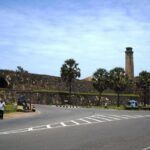
Once the elephant stops are behind you, Galle Fort brings you into a very different kind of “front row” experience. You’ll visit the fort and explore the medieval-era Dutch-styled constructions with a guided tour, plus time to stroll the cobblestone lanes.
What you’re really looking at here isn’t just a pretty walk. It’s a layered coastal stronghold. Many buildings inside the fort have been converted into restaurants, galleries, museums, hotels, and shops, so the place feels lived-in instead of frozen in time. You’ll get a guided look first, and then you can wander.
I like that this stop doesn’t pretend you’ll cover everything. Instead, you get enough structure to understand what you’re seeing—fortification layout, building reuse, and the overall feel of a colonial-era coastal city—then you get freedom to pick your pace.
Also, if you enjoy shopping that feels connected to place, this is one of your best windows. You can look for typical Sri Lankan handmade products and souvenirs in local stores. Just remember: entrance fees and many purchases are on you, since entrance fees aren’t included.
Unawatuna Beach break: sea breeze before the culture stop
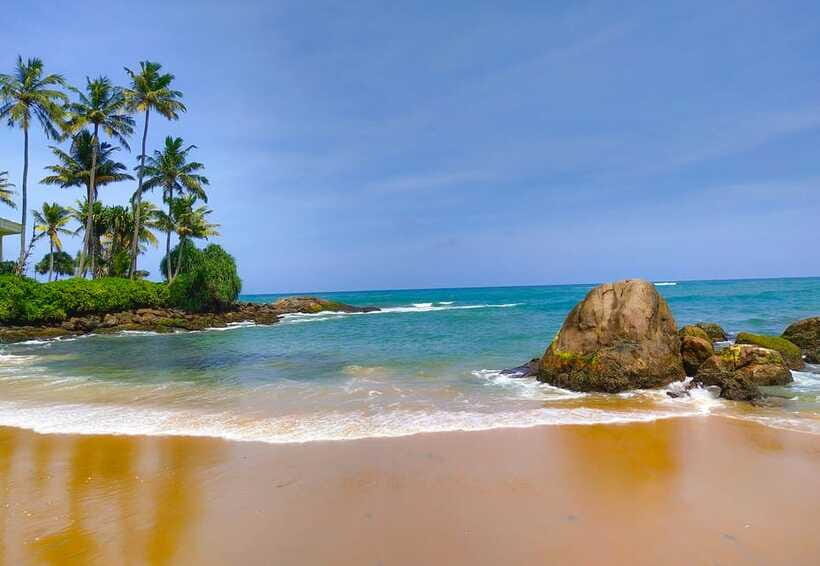
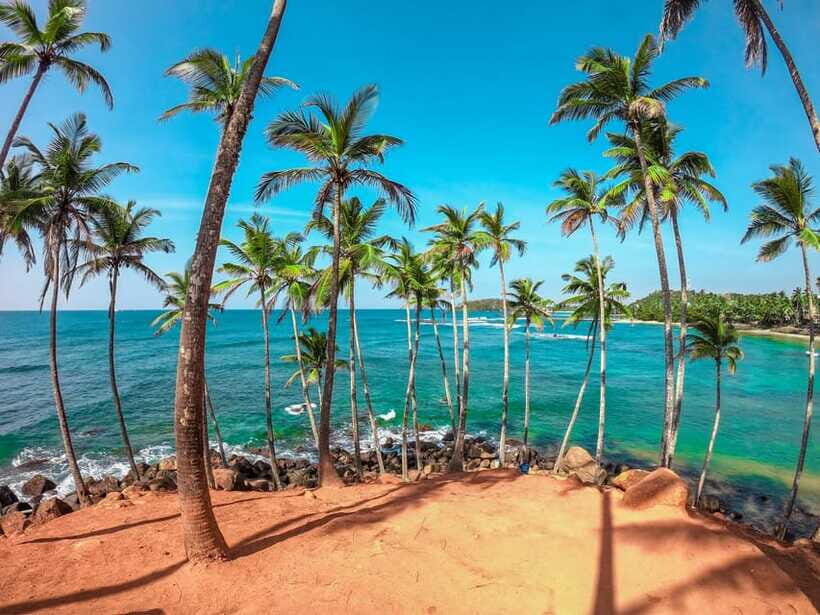
From Galle Fort, you head toward Unawatuna Beach. This is your decompression window: warm water, time to relax, and a chance to feel the shift from stone lanes to sea air.
The tour doesn’t guarantee wildlife here, but it notes a chance to glimpse endangered sea turtles. Even if you don’t spot any, the practical value is still there. You’re walking less than at the fort, and you get to cool down before the next cultural visit.
Bring what you need to enjoy the water:
- Swimwear and a towel if you want to actually get in
- Sunglasses and a hat for sun protection
- Comfortable clothes for the later museum stop
This beach break is also useful for energy. One full day like this can quietly drain you. A short reset on the coast keeps the afternoon from feeling like a second safari—just without the elephants.
Other Bentota tours we've reviewed in Bentota
Ambalangoda mask museum: why masks matter beyond decoration
The final cultural piece is Ambalangoda, a coastal town known for mask-making. You’ll visit a mask museum and learn about the meaning of the colorful masks and how they connect to traditional dance rituals and festivals.
This stop makes the day feel more complete. If the morning and fort walk are about seeing, the mask museum helps you understand. It turns an object you might otherwise treat like a souvenir into something tied to performance, ceremony, and local tradition.
If you like crafts, this is a good way to spend time without rushing through galleries. You can ask questions through your guide and look closely at how the designs are meant to communicate.
Even if you’re not a “museum person,” you’ll probably like this because it’s tied to something physical—making and using masks for festivals—rather than only information panels.
Price and logistics: what you’re really paying for
At $125 per person for a full day, the headline value is not just “one activity.” You’re getting:
- A guided Udawalawe jeep safari (3 hours)
- Elephant transit camp feeding time
- A guided Galle Fort tour (UNESCO World Heritage site)
- A beach stroll/walk experience
- An additional Ambalangoda mask museum stop
- Round-trip transfers from Bentota/Kalutara (and also Colombo and Galle areas)
- A professional guide, plus accident insurance
- A small group capped at 10 participants
If you tried to DIY this, you’d likely spend time arranging separate transfers and guides, and you’d still face the coordination challenge of timing an Udawalawe safari with Galle Fort and a museum later. The structure here removes that headache. The main “cost” is time and energy: it’s an early start and a packed schedule, not a slow travel day.
What’s not included matters for budgeting. Entrance fees and food and drinks are not part of the price. So set aside extra money for entry costs and plan to eat outside the included framework. This is also why bringing snacks helps—you can stay comfortable between stops.
How the small group and guide change the vibe
A small group (max 10) can make a big difference in a day like this. It’s easier for the guide to manage spacing, timing, and attention when you’re moving between park roads, fort streets, and museum corridors. It also makes it more personal. You’re less likely to disappear into a big crowd.
Language options are also useful—English and German—so you can actually ask questions and understand what you’re seeing. That matters a lot in Udawalawe, where the guide’s spotting and interpretation can turn random sightings into a meaningful wildlife narrative.
The day runs long, but it’s guided start-to-finish, and that reduces stress. You don’t have to negotiate transport, choose routes, or worry about ticket lines for some parts. The tour notes you’ll skip the ticket line where applicable.
Who should book this tour?
This one is a strong fit if you:
- Want elephant viewing without spending multiple days planning
- Like a mix of wildlife and culture in the same trip day
- Are comfortable with walking and heat (there are fort lanes, and you’ll also be out and about)
- Prefer guided structure over independent arranging
It may not be the best choice if you have mobility limitations. The tour states it’s not suitable for people with mobility impairments or wheelchair users.
Should you book the Bentota to Udawalawe + Galle day?
Book it if you want maximum variety with minimal planning: wild elephants in a jeep, baby elephants during milk feeding, a guided walk in Galle Fort, plus beach time and a meaningful mask museum visit. The $125 price feels reasonable when you factor in the transfers and the fact that you’re not just getting one attraction—you’re getting a full day of guided stops.
Skip it (or choose something slower) if you hate long drives or you’re the type who wants lots of downtime. This day moves. You’ll get a lot done, and you’ll earn that evening rest back at your hotel.
If you’re staying around Bentota or Kalutara and want a one-day hit of elephants plus UNESCO streets, this is one of the cleaner ways to do it.
FAQ
What’s the duration of the Bentota to Udawalawe safari and Galle day?
The tour runs for 1 day, with an early morning pickup and a full-day schedule that returns you to your hotel between about 5:00 PM and 5:30 PM.
How long is the Udawalawe National Park jeep safari?
You’ll spend about 3 hours on a 4×4 jeep safari in Udawalawe National Park.
Do I need to buy tickets for attractions during the tour?
Entrance fees are not included, so you should budget for them. The tour also notes you can skip the ticket line where applicable.
What animal sightings can I expect in Udawalawe?
The tour focuses on wild elephants and also mentions possible sightings of crocodiles, jackals, deer, buffalo, and sloth bears.
What happens at the elephant transit camp?
You’ll visit the elephant transit camp and see baby elephants gathered for feeding, including milk feeding with dozens of babies.
What should I bring for a comfortable day?
Bring a passport, comfortable shoes, sunglasses, a sun hat, swimwear and a towel (if you want the beach), snacks, sunscreen, water, and comfortable clothes.