REVIEW · WELIGAMA
From Weligama : Udawalawa National Park Safari Tour
Book on GetYourGuide →Operated by Tiger Safaris · Bookable on GetYourGuide
Udawalawe is one long elephant sighting waiting. This safari runs as a practical, all-in-one day out of Weligama, with easy pickup and a guided wildlife route built around Udawalawe’s elephant population. What I like is the Elephant Transit Home stop for conservation context, and the 44 safari jeep that keeps you comfortable while you hunt for wildlife on changing terrain.
The main thing to plan for is crowding inside the park. When elephants are spotted, you can run into slowdowns caused by multiple vehicles converging at once, so it helps to bring patience and good vibes.
In This Review
- Key things that make this safari worth your time
- From Weligama Pickup to Udawalawe: a south-coast day made easy
- The 44 Safari Jeep and air-conditioned transfer: comfort where it counts
- Inside Udawalawe National Park: elephants, deer, crocodiles, and birds
- Photo stop and guided time: how you get value out of the drive
- Elephant Transit Home: conservation you can actually see
- Wildlife-spotting reality check: traffic, timing, and what to do
- Price and value: what $72 covers, and what you should budget next
- Who this tour suits best (and who might want a different style)
- Practical prep: make the day smoother once you’re on the ground
- Should you book the Udawalawe Safari from Weligama?
- FAQ
- How long is the Udawalawe National Park safari tour from Weligama?
- Where does pickup happen for this tour?
- Is the safari conducted in a 4×4 jeep?
- What animals and birds can I expect to see?
- Does the tour include the Elephant Transit Home?
- Are entrance tickets to Udawalawe National Park included?
- Will there be an English-speaking guide?
- Is there free cancellation?
Key things that make this safari worth your time
- Hotel-to-park convenience: pickup and drop-off from Weligama (with multiple nearby pickup options too)
- Guided spotting: a live English guide helps you find animals and understand what you’re seeing
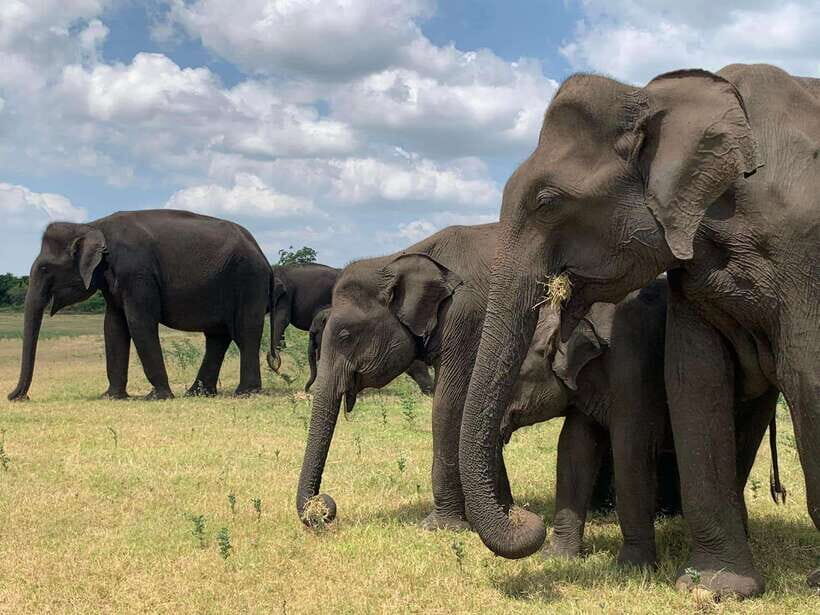
- Udawalawe’s elephant focus: the park is known for one of Sri Lanka’s largest wild elephant populations
- Elephant Transit Home visit: a conservation stop with feeding and care information
- Comfort on the move: air-conditioned transport plus a spacious 44 jeep for the safari portion
From Weligama Pickup to Udawalawe: a south-coast day made easy
If you’re basing yourself around Weligama, this tour is the kind of plan that removes stress. You start with complimentary pickup from Weligama, then ride toward Udawalawe in an air-conditioned vehicle. The total tour time is 8 hours, which matters because Udawalawe is not right next door to the coast.
You’ll also see that the pickup network is designed for real-world travel. Besides Weligama, pickup options include Udawalawa, Tangalle, Hiriketiya, Dickwella, Mirissa, and Matara. That flexibility is useful if you’re splitting time between beaches or staying farther south.
One small but important detail: you’re asked to wait about 10 minutes in the hotel lobby before the scheduled pickup time. In Sri Lanka traffic, those minutes help everything run on time, and they also reduce the odds of you being rushed.
Other Udawalawe safari tours we've reviewed in Weligama
The 44 Safari Jeep and air-conditioned transfer: comfort where it counts
A safari day can go sideways if the vehicle is cramped or rough. Here, you get a combo that makes the day feel manageable: you travel by air-conditioned vehicle for the road section, then switch to a spacious 44 safari jeep once you’re in the park area.
Why I care about this: in Udawalawe, your day depends on positioning. You may be stopping, scanning, and adjusting where you sit as animals appear. A comfortable jeep doesn’t change the wildlife, but it does change your experience of the wildlife.
Also, the tour is described as being guided throughout, with an experienced guide shaping what you focus on during the safari. That matters because wildlife spotting isn’t just luck. The guide’s job is to help you clock behavior and habitat clues faster than your own eyes would.
Inside Udawalawe National Park: elephants, deer, crocodiles, and birds
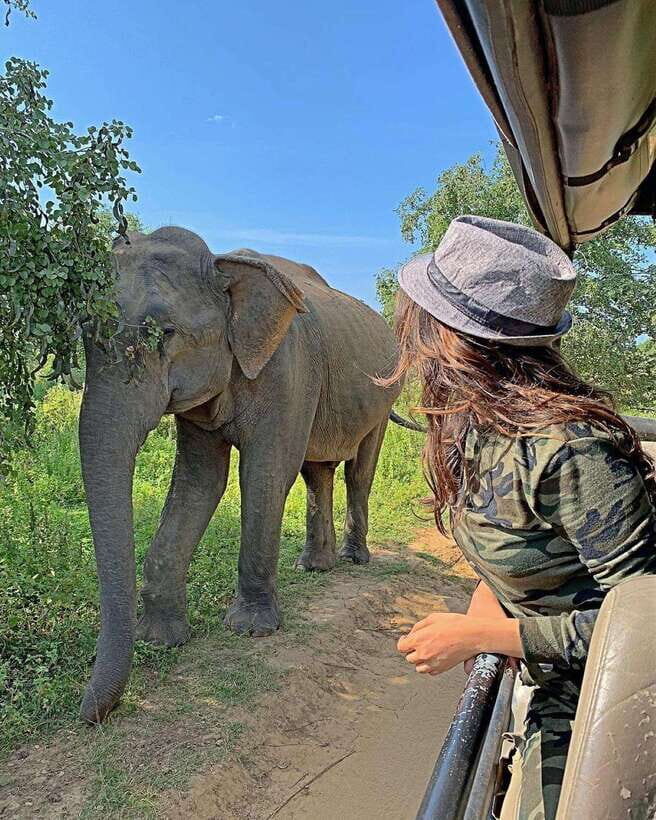
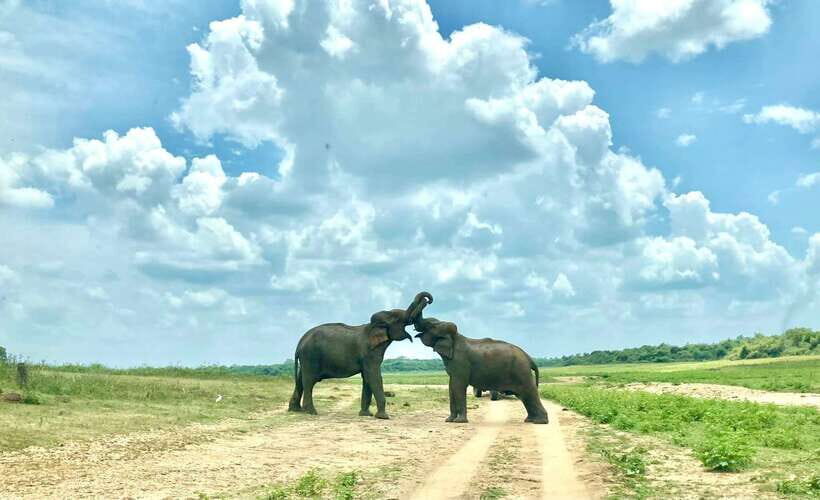
Udawalawe is famous for a reason: you’re going into a park where wild elephants are a major part of the show. The safari portion is about 3 hours, giving you enough time for real animal chances without turning the day into a full-day marathon.
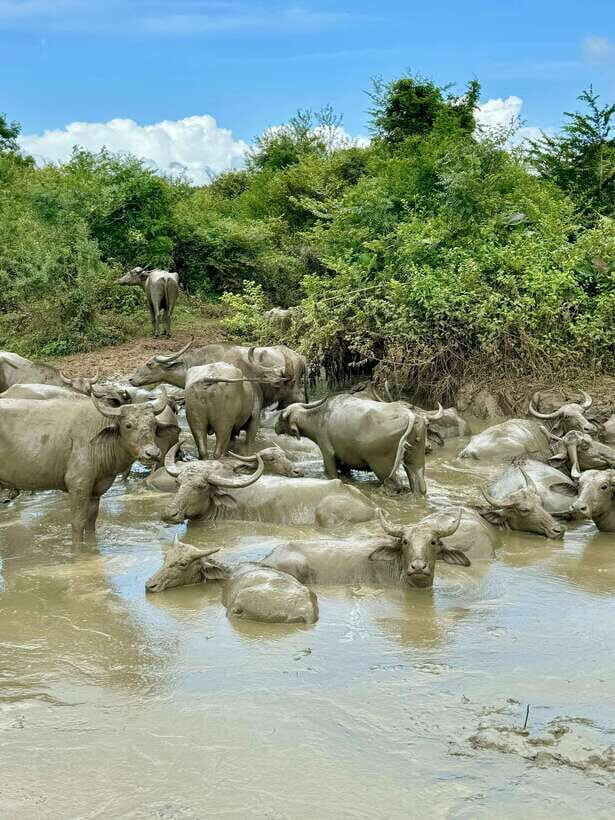
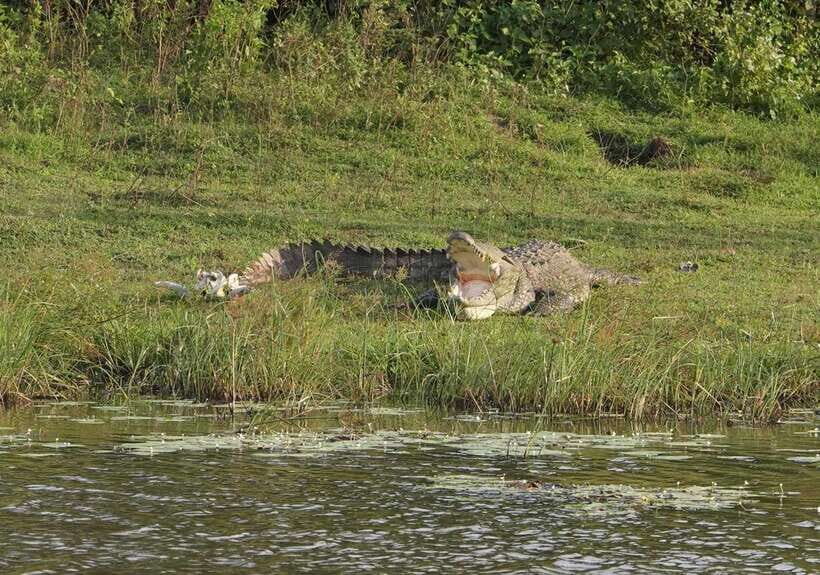
During the safari, the tour description calls out not only elephants, but also other animals you might spot in the same habitat: deer, wild boars, water buffaloes, and crocodiles. That mix is a big deal. It means the day isn’t only dependent on finding elephants at one perfect moment.
Then there’s the bird element, which is often what turns a good safari into a memorable safari. Udawalawe is presented as a bird-watching paradise, with birds such as eagles, herons, and peacocks. When your eyes start tracking motion in the treetops and near water edges, you’ll realize how much you can learn even when you’re not locked on elephants.
What I’d watch for on your side of the window: in parks like this, elephants don’t just “appear.” Often, they show up as patterns—movement direction, trunk gestures, and the way other animals react. A good guide helps you read that, and it’s why the guide component is one of the most praised parts of the experience.
Photo stop and guided time: how you get value out of the drive
The schedule includes time for a photo stop and then guided visit/sightseeing inside the park area (again, totaling roughly 3 hours in the park portion). That structure helps you avoid the common safari problem: spending all your time stuck in transit and not enough time where wildlife actually is.
If you care about photos, the photo stop is your cue to reset. It’s not a random extra. It gives you a chance to position yourself, get your camera settings ready, and prepare for the more active spotting window.
On the guiding side, the description is clear that you’ll get insights into animals and the park ecosystem. And one guest mentioned a guide named Batu who explained flora and fauna well. Even if you don’t get the same guide, the key idea is that the tour isn’t just a vehicle ride. You’re meant to walk away understanding what you saw, not only what you photographed.
Elephant Transit Home: conservation you can actually see
This is the stop that gives the day meaning beyond the safari.
The tour includes a visit to the Elephant Transit Home, where orphaned and injured elephants are cared for and released back into the wild. The experience isn’t described as a vague visit. You’re told you’ll be able to witness elephants being fed and learn about conservation efforts.
Why that matters to you: seeing elephants in the wild can feel like pure luck. Seeing how rescued elephants are supported adds a layer of context. It also changes the way you interpret behavior during the safari. You may start paying closer attention to how elephants use the landscape and how people’s conservation work connects to what you’re seeing that same day.
It’s also just emotionally grounding. Wildlife can be intense. The Transit Home offers a calmer pace where you understand the bigger picture. If you like animal welfare stories with real, observable steps, this is a strong reason to choose this specific tour.
A few more Weligama tours and experiences worth a look
Wildlife-spotting reality check: traffic, timing, and what to do
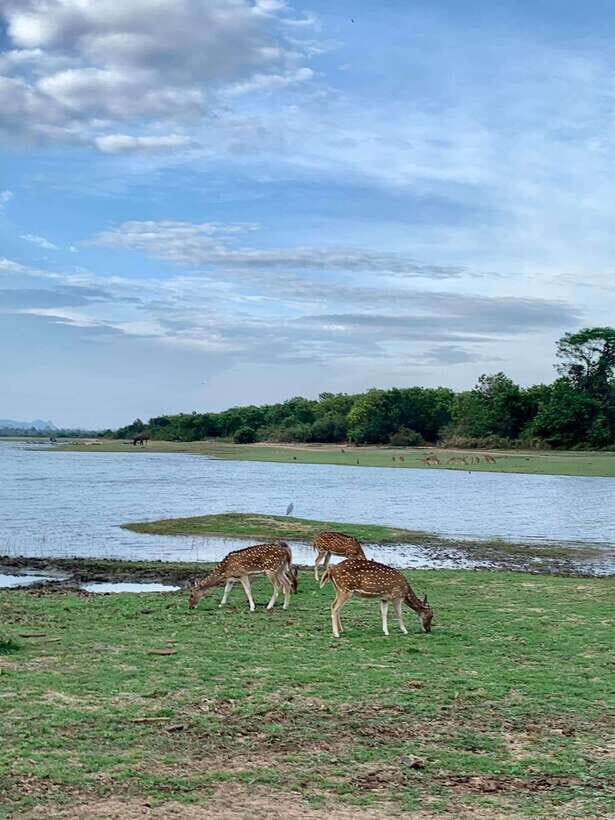
Here’s the honest part. Even with a great guide, wildlife spotting has friction points, and one of them is traffic inside the park.
One account flagged that when elephants are spotted, too many vehicles can enter at the same time, creating a traffic jam. You can’t fully control that from the outside. So your best strategy is to plan your mindset: expect some pauses, expect other jeeps to cluster, and treat it like a shared moment rather than a problem to fix.
A few practical moves help:
- Keep your camera ready, but don’t burn battery nonstop. Wait until the guide signals a likely sighting.
- Watch for animal cues early. Even if the elephant itself is obscured, you can learn a lot from movement and nearby reactions.
- Give yourself permission to enjoy the birding and smaller wildlife. Deer and water buffaloes are often where the day’s “quiet highlights” happen.
Also, this park day includes both mammals and birds in the description, so your viewing doesn’t collapse if elephants are momentarily out of view. The route is meant to keep you scanning.
Price and value: what $72 covers, and what you should budget next
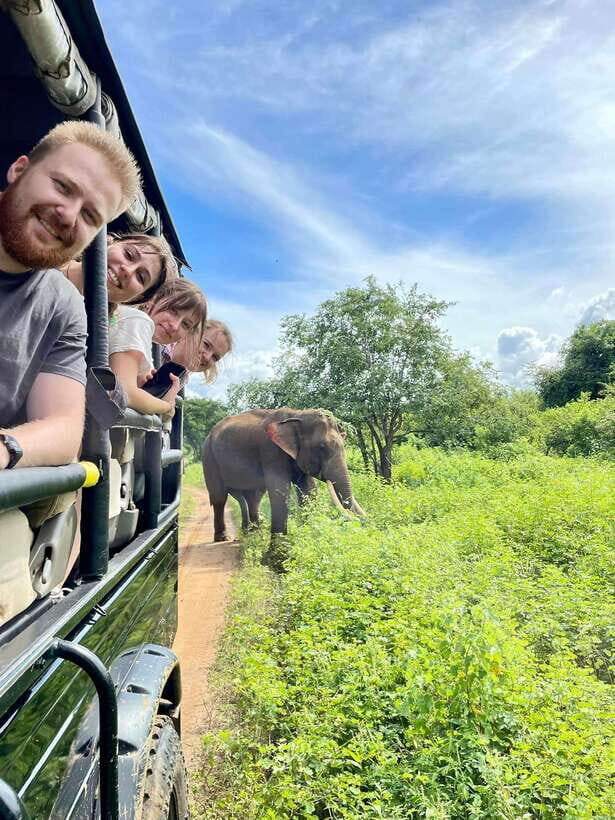
The price is listed as $72 per person for an 8-hour day with pickup from Weligama and transport included. That sounds straightforward, but the value comes from what’s bundled:
You get complimentary pickup and drop-off (from Weligama and several other nearby areas), air-conditioned transport, a spacious 44 safari jeep, and a live English guide. You’re also getting the park time plus the Elephant Transit Home visit.
The main add-on is the National Park entrance ticket, noted at about $37 (not included in the base price). So your likely total budget is roughly $109 per person, depending on how tickets are priced at the time you go.
Is it good value? For Sri Lanka safari planning, it’s competitive if you want:
- a guided route (not just self-drive guessing),
- comfortable transport,
- and a second conservation stop (Elephant Transit Home) so your day isn’t only about one wildlife encounter.
If you’re trying to stretch every dollar, entrance fees always matter. But if you’d rather pay for guidance and convenience than spend extra time coordinating, this is a strong package.
Who this tour suits best (and who might want a different style)
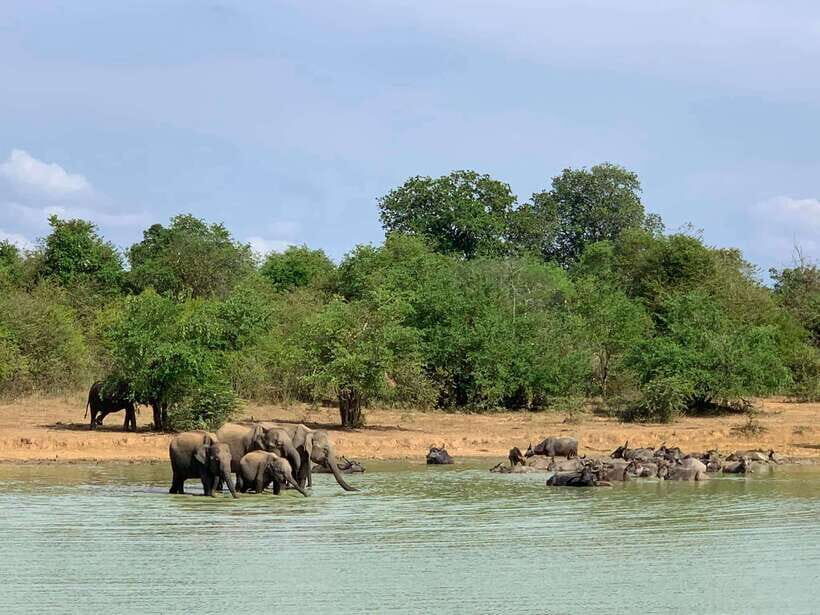
This Udawalawe safari tour is a great fit if you want one organized day that covers the big boxes: wildlife sightings, guiding, and a conservation component.
You’ll likely enjoy it most if:
- you’re staying near Weligama and want easy pickup,
- you want the safari to be guided so you see more than you’d spot on your own,
- you care about animals and also about how rescued elephants are handled.
It might be less ideal if you’re extremely sensitive to vehicle crowding. Because traffic jams can happen when animals are spotted, the experience can feel less “quiet nature” and more “shared wildlife hunt,” at least at peak moments.
And because the tour runs for 8 hours, it works better as a full outing than as a half-day add-on.
Practical prep: make the day smoother once you’re on the ground
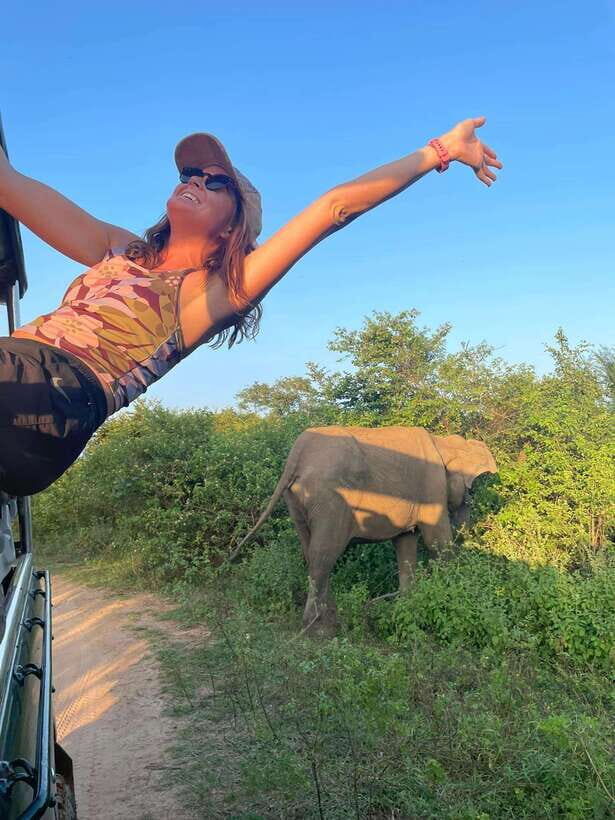
You don’t need to over-plan, but a little prep helps you get more out of the time you have.
What I’d bring:
- Water and basic snacks (even if you’re not told meals are included, safari days can run long)
- Sunscreen and a hat, since scanning for animals often means waiting outdoors
- Light layers in case morning or late afternoon air feels cooler
- Binoculars if you’re into birds and small details (the park has eagles, herons, peacocks)
What you should mentally plan for:
- A mix of movement and waiting as wildlife appears.
- The chance to see elephants plus other animals like deer, wild boars, water buffaloes, and crocodiles.
- Birding moments that don’t always happen on schedule, so stay flexible.
If traffic inside the park slows you down, keep your expectations realistic. A safari day is not a showroom. It’s a search, and the guide helps you read that search quickly.
Should you book the Udawalawe Safari from Weligama?
I’d book this tour if you want a well-structured day with elephant-focused wildlife time, an included Elephant Transit Home conservation visit, and the convenience of pickup from Weligama. The blend of a guided safari in Udawalawe plus a conservation stop makes the $72 base feel more like value than a “just drive around” outing.
I’d hesitate only if you strongly dislike crowded viewing situations or you’re hoping for a near-empty park feeling. The traffic issue inside the park can’t be fully avoided, and it can affect pacing.
If you’re visiting the south coast and you want a single, practical way to see Udawalawe’s elephants without logistical headaches, this one is easy to recommend.
FAQ
How long is the Udawalawe National Park safari tour from Weligama?
The tour duration is 8 hours.
Where does pickup happen for this tour?
Pickup is included from Weligama, and there are also options from Udawalawa, Tangalle, Mirissa, Matara, Hiriketiya, and Dickwella.
Is the safari conducted in a 4×4 jeep?
Yes. Transport includes a luxury and comfortable 44 safari jeep for the safari portion.
What animals and birds can I expect to see?
The tour description highlights the chance to see wild elephants and other animals such as deer, wild boars, water buffaloes, and crocodiles. It also mentions birds like eagles, herons, and peacocks.
Does the tour include the Elephant Transit Home?
Yes. The itinerary includes a visit to the Elephant Transit Home, including feeding and information about conservation efforts.
Are entrance tickets to Udawalawe National Park included?
No. National Park entrance tickets are not included, and the cost is listed as about $37.
Will there be an English-speaking guide?
Yes. The live tour guide is listed as English.
Is there free cancellation?
Yes. Free cancellation is available up to 24 hours in advance for a full refund.