REVIEW · HAMBANTOTA
YALA BLOCK 5 & 6 (Weheragala & Lunugamwehera) Safari Tours
Book on GetYourGuide →Operated by Yala Dreams wild Safari Tours Sri Lanka · Bookable on GetYourGuide
Yala can feel like a traffic jam. This one feels calm. The big draw of Block 5 & 6 (Weheragala and Lunugamwehera) is the low-key safari vibe, with fewer jeeps in the bush and more time to actually watch wildlife do wildlife stuff. You’re also not stuck bouncing between two totally separate parks: the route is built around visiting both blocks with one entry ticket.
I especially like the practical extras: free binoculars and the simple comfort package of water and cool drinks. The other thing I like is the guiding style, with spotters who keep scanning and will slow down or stop so you don’t miss the action. One drawback to keep in mind: the national park entrance ticket fee is not included, and wildlife sightings are never guaranteed—some days are leopard days, some are bird-and-elephant days.
In This Review
- Key things I’d watch for before you go
- Why Yala Blocks 5 and 6 Feel Like a Calmer Safari
- Price, Park Tickets, and What $36 Really Buys
- Getting There: Pickups in Tissamaharama, Debarawewa, and Kataragama
- Lunugamwehera and Weheragala: Same Forest, Smarter One-Day Coverage
- Inside the Park: How Your Hours Get Spent Spotting Elephants, Leopards, and Birds
- Wildlife you can reasonably aim for
- The real value: fewer distractions
- Food, Water, and Comfort: The Small Stuff That Keeps You Watching
- Guides Like Sakun, Ishan, and Maduka: Why Spotting Skills Change the Day
- What You Might See on This Safari (Based on Typical Outcomes)
- Who Should Book This Yala Block 5 & 6 Tour
- Should You Book Yala Block 5 & 6 Safari Tours?
- FAQ
- Where is this safari located?
- How long is the safari?
- What does the price include?
- Are park entrance tickets included?
- Can I visit both Lunugamwehera and Weheragala in one day?
- What animals should I expect to see?
- What language is the guide?
- Do I get binoculars?
- Do they pick up from hotels in the Yala area?
- Is there free cancellation?
- Is reserve and pay later available?
Key things I’d watch for before you go
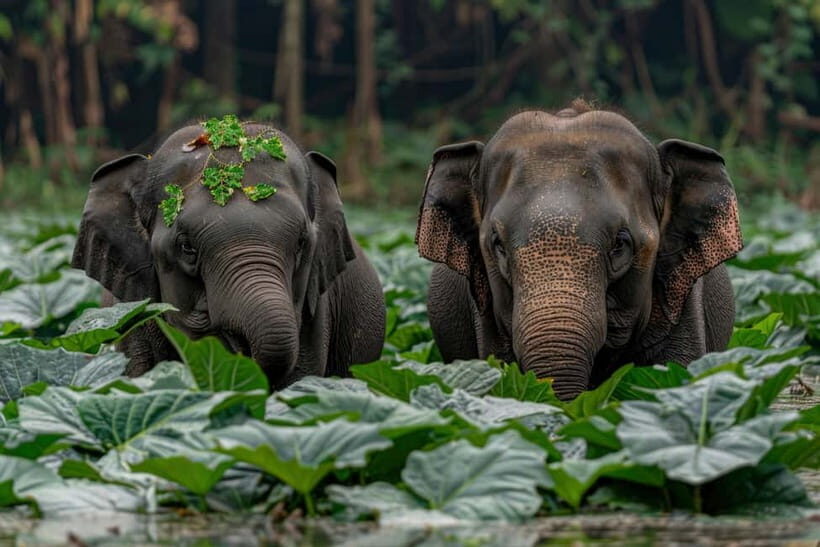
- Quiet jeeps, calmer sightings: Fewer vehicles than the more famous areas, which makes wildlife encounters feel less rushed
- One entry ticket for Blocks 5 and 6: You can cover Lunugamwehera (Block 6) and Weheragala (Block 5) on the same day
- Free binoculars plus drinks: You get the gear you need to spot birds and track movement faster
- Expert driving and guiding: The guides are described as very attentive spotters, with calm driving and smart stopping points
- Comfort-focused safari jeeps: Luxurious jeeps and a smooth ride help when you’re spending hours scanning
Why Yala Blocks 5 and 6 Feel Like a Calmer Safari
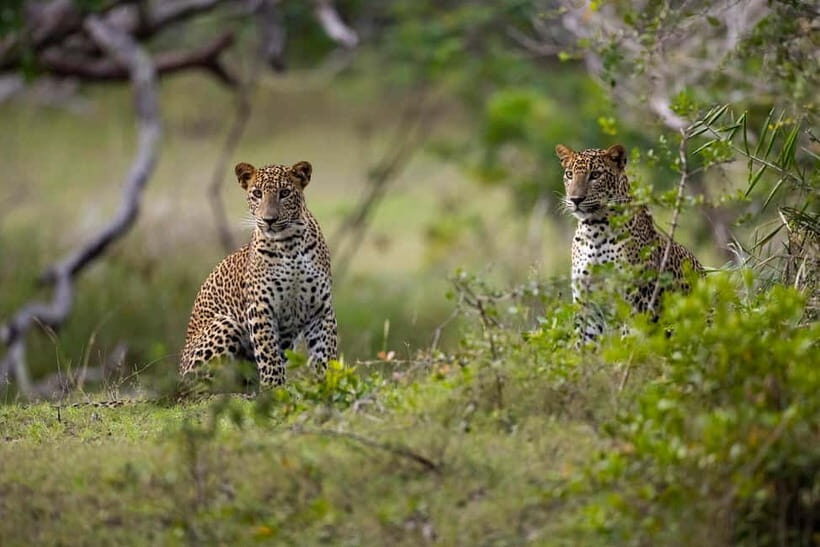
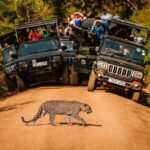
If you’ve ever done a safari where you’re listening for engines more than birds, you’ll get why people search out this corner of Yala. Block 5 & 6 is consistently described as very quiet, with about 20 cars max in some departures, and stretches where you don’t see many jeeps at all. That matters because wildlife behavior changes when the area gets crowded. With fewer vehicles, you’re more likely to watch natural movement instead of repeated spotting-and-chasing cycles.
Another reason this route works: Blocks 5 and 6 are in the same forest system. That means your day isn’t wasted on constant repositioning or “did we enter the right place?” stress. You can focus on reading the bush—watch for ripples of movement in scrub, listen for bird calls, and look for the shape of elephants before you see the trunk.
And yes, you still have real predators in the mix. People do spot leopards here, but the bigger win is that the whole experience doesn’t feel like a race.
Other Yala safari tours we've reviewed in Hambantota

Price, Park Tickets, and What $36 Really Buys
The headline price is $36 per person, with hotel pickup and drop-off, a safari jeep, and an English-speaking guide. That’s a solid value for Yala, especially if you’re comparing it to tours that charge extra for basic comforts.
Here’s the catch: the park entrance ticket fee is not included. You buy it at the entrance counter. One important detail I’d plan for is the extra cost you’ll face at the gate. In one account, the park entrance was about 11,000 per person. I can’t promise that exact amount for your date, but you should budget for an additional payment on arrival.
So how do you judge value? You ask two questions:
- Are you paying for the wildlife experience (time in the park, guiding, and comfort), or for a long drive and a thin snack?
- Do you get access efficiently?
This tour is built around good “time in the real bush” value. Plus, the tour has the clever part: you can visit both Lunugamwehera and Weheragala with one entry ticket, which is often where the math improves fast.
Getting There: Pickups in Tissamaharama, Debarawewa, and Kataragama
Most safari stress is logistics. This one tries to reduce that with complimentary pickup from a wide list of areas, including Yala, Kirinda, Tissamaharama, Tanamalvila, Kataragama, Weeravila Sithulpawwa, Debarawewa, Pannegamuwa, and Yodakandiya. The tour also names three common pickup options: Tissamaharama, Debarawewa, and Kataragama.
Timing matters because wildlife activity changes across the day. You’ll often choose between a morning or afternoon safari, depending on what’s available. One early departure was picked up around 5:30, which gives you a head start when animals are more active and the light is better for scanning.
Once you’re picked up, you head to the park entrance area and get in your safari jeep. A comfortable ride matters more than people think—hours of scanning make you notice everything. If the drive is jerky, you’ll miss details. The jeeps here are described as comfortable, and the driving is reported as calm and careful.
Lunugamwehera and Weheragala: Same Forest, Smarter One-Day Coverage
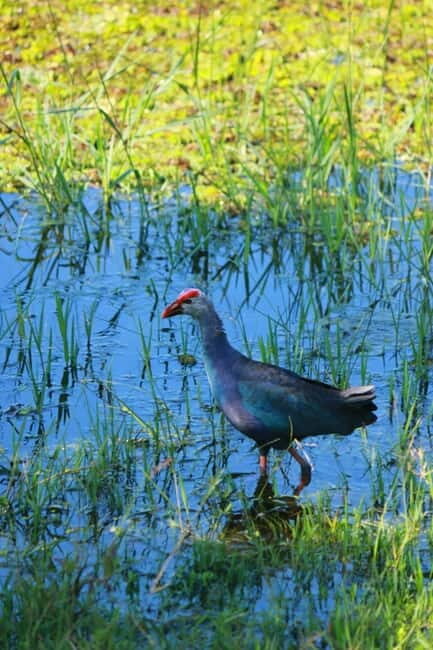
This is the part I’d underline if you only remember one thing. Lunugamwehera (Block 6) and Weheragala (Block 5) are described as part of the same forest. The tour is set up so you can do safari time in both blocks using a single entry ticket.
For you, that means less “wasted day” risk. Instead of choosing one block and wondering if you guessed wrong, you can cover both and let the day’s wildlife decide the focus. It also helps with planning if you’re only in the area for a short window.
In practical terms, your day typically has a guided segment inside Lunugamwehera, with the option to also spend time in Weheragala. Some departures are half-day (around 5 hours of guided park time is specifically mentioned for Lunugamwehera), while full-day options can extend to longer stretches in the bush.
Is it perfect every time? No. Some days animals are hidden high up in the canopy or staying deeper in cover. But the layout gives you more chances without multiplying the cost.
Inside the Park: How Your Hours Get Spent Spotting Elephants, Leopards, and Birds
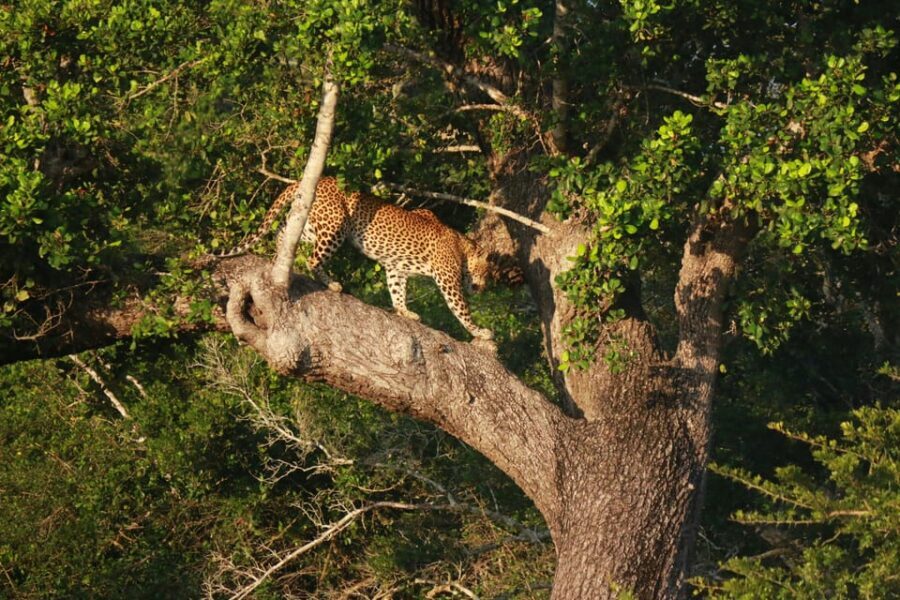
The core experience is simple: you ride through the park with a guide who is actively scanning, then you pause when something interesting appears. What makes this tour feel different is the stop-and-stay approach. People mention the guide stopping the jeep to point out animals and birds if they weren’t noticed immediately, and letting them stay longer instead of moving on too fast.
That style matters for big sightings like leopards. Leopards don’t just pose on cue. If you miss the first minute of activity, you might never see what you were meant to see. A good spotter helps you catch the moment when the animal is visible and safe to observe.
A few more Hambantota tours and experiences worth a look
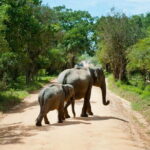
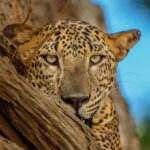
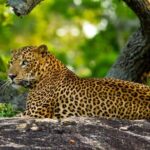
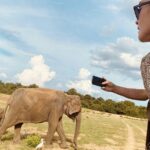
Wildlife you can reasonably aim for
The tour messaging and accounts you’ll hear emphasize:
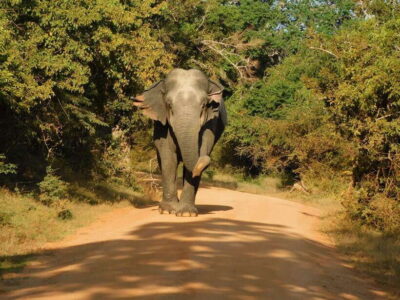
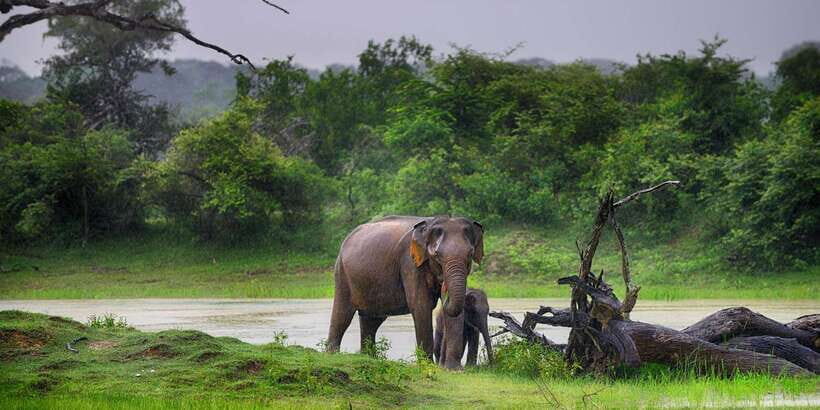
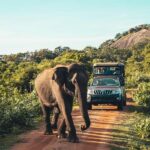
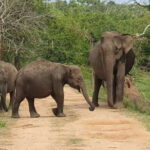
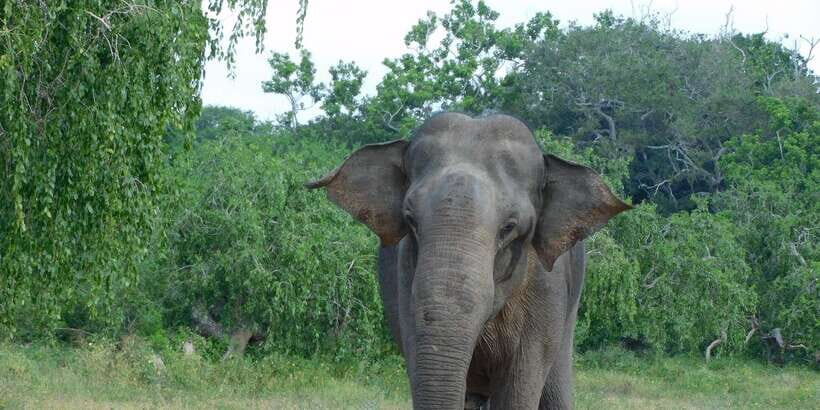
- Elephants (including baby elephants on some outings)
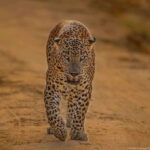
- Leopards (with people reporting success, though not guaranteed)
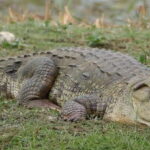
- Crocodiles (often along water or muddy edges)
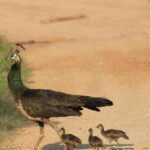
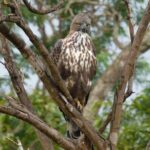
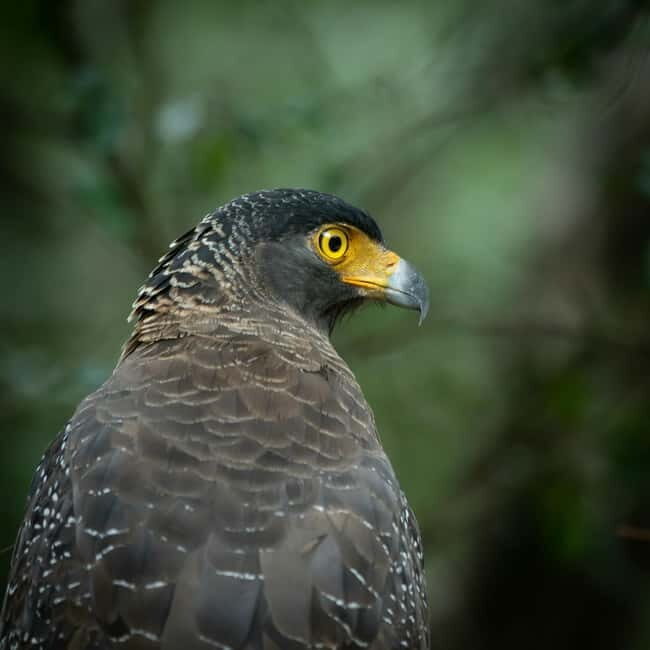
- Birds—lots of them, including eagle-type sightings and peacocks in at least some encounters
- Smaller mammals and extras like jackals, wild buffalo, spotted deer, monkeys, and monitors
Even when predators aren’t spotted, the day can still feel full because bird life is active and visible, and the landscape has plenty of animal movement at smaller scale. One traveler described a leopard day; another did not see leopards but still saw a long list of mammals and birds, including crocodile, deer, monkeys, and monitors.
The real value: fewer distractions
The quiet is not just a mood. It’s a practical advantage. When there are fewer jeeps, the animals are less likely to treat the area like a constant disturbance zone. You also get more peaceful viewing and better chances to take photos without a line of vehicles blocking your sightline.
Food, Water, and Comfort: The Small Stuff That Keeps You Watching
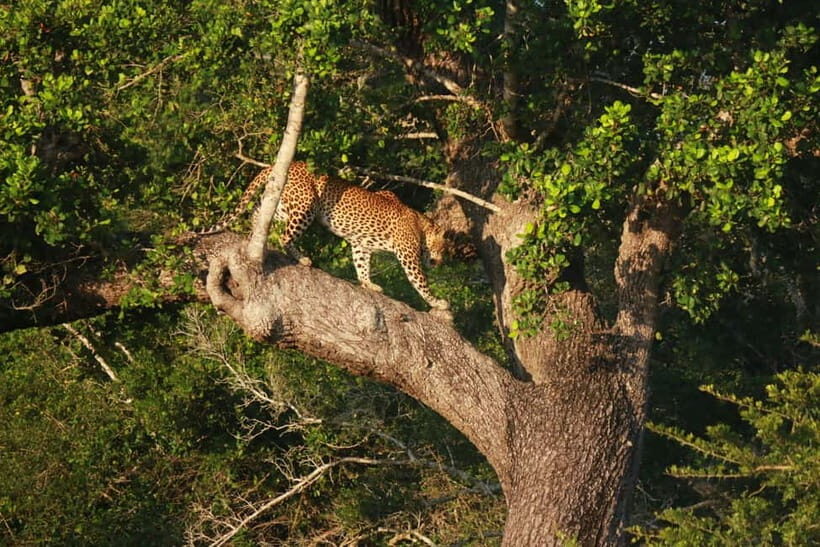
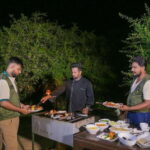
Safari days are basically a long session of looking. When your body gets thirsty, tired, or cold, your eyes stop working well. This tour handles that with bottled water, cool drinks, and on some outings additional snacks. You also get free binoculars, which is one of those “why didn’t everyone do this?” touches.
Lunch is included only for full-day safaris. If you’re doing a half-day, you should expect that meals may not be part of the plan. The upside is that shorter days keep you from feeling drained if you already have other sightseeing.
Comfort also shows up in the jeep choice: the tour highlights luxurious safari jeeps for your comfort. That’s useful if you’re sitting in one position for long stretches while your guide scans for movement.
Guides Like Sakun, Ishan, and Maduka: Why Spotting Skills Change the Day
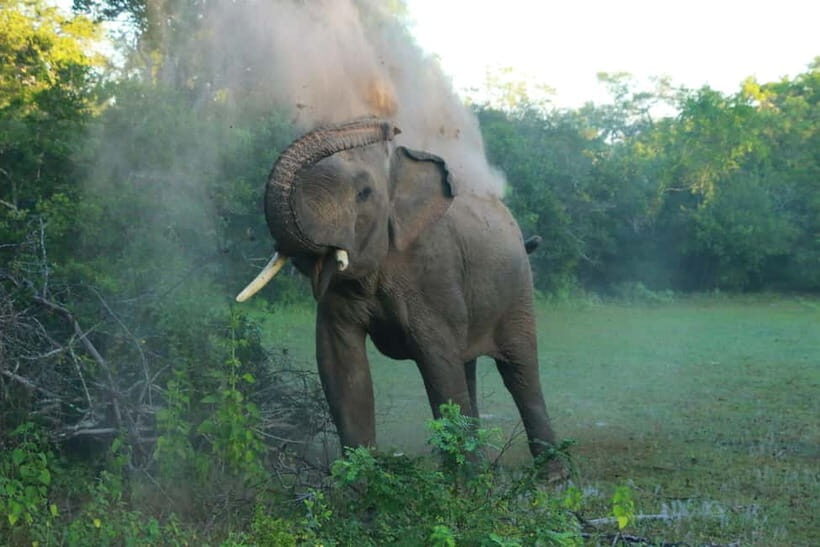
A safari isn’t just a drive. It’s a guide’s ability to read the bush, predict where animals might be, and know when to slow down. In the accounts tied to this experience, several guides get repeated credit for spotting and for being helpful even when an animal isn’t instantly visible.
Names that come up include:
- Sakun, praised for attentiveness and explanation, including bird and wildlife focus
- Ishan, described as incredible at spotting and providing facts about what’s seen
- Maduka, recognized for eagle-eye scanning, especially after a rainy morning
- Madu and Sukan/Sukun in other accounts for smooth guiding and calm scanning
You don’t need a scientific degree here. You need a guide who can point out the animal that’s already there, and a driver who won’t bounce you around while you’re trying to frame a shot.
What You Might See on This Safari (Based on Typical Outcomes)
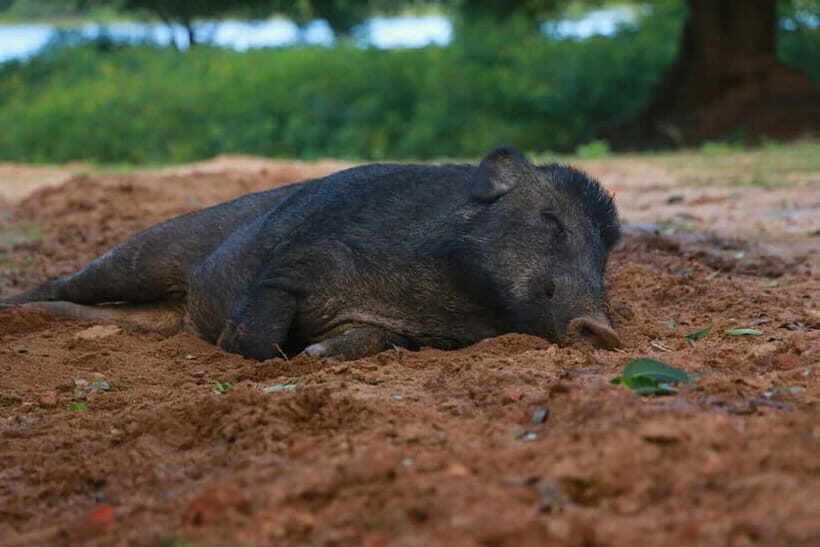
Let’s be honest: you don’t book Yala for guaranteed leopards. You book it for the chance, plus the overall wildlife density. This route leans heavily into elephants and predator possibility, but it doesn’t ignore birds and smaller mammals, which often end up being the surprise highlights.
From what’s described on this safari, you could realistically end up with:
- A big elephant sighting, sometimes with calves
- One or more predator moments, including leopard sightings on some days
- Crocodiles and monitors around water and muddy areas
- Jackals, wild buffalo, and deer depending on season and timing
- Lots of bird activity—people mention eagles, and peacocks in particular
The “quiet blocks” factor can be the difference between seeing an animal for 10 seconds versus having time to understand what it’s doing: moving, feeding, resting, watching, and disappearing.
If you’re the kind of person who enjoys birds just as much as cats and elephants, you’ll likely feel satisfied even on days without a leopard moment.
Who Should Book This Yala Block 5 & 6 Tour
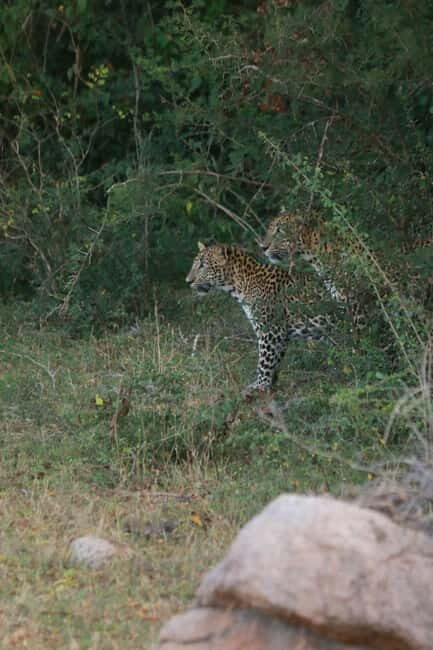
This is a good fit if you:
- Want a less crowded Yala experience and more natural viewing
- Prefer attentive guiding and comfortable jeeps over speed
- Are happy to cover both blocks in one day rather than picking one and praying
- Like the idea of free binoculars and a simple comfort package
It may be less ideal if you:
- Need a strict schedule where every hour is packed with guaranteed headline animals
- Only care about one species and would feel disappointed if a leopard doesn’t appear that day
- Have a very tight budget and absolutely want park entry included in the price (because it’s paid separately)
It also suits first-time Yala visitors who feel nervous about choosing the wrong block. The quieter setup helps you enjoy the day without feeling like you’re in an organized queue.
Should You Book Yala Block 5 & 6 Safari Tours?
My take: yes, if your goal is a calmer safari day with strong guiding and good value. The big win is the combination of quiet blocks, access to both Lunugamwehera and Weheragala with one entry ticket, and the practical inclusions like free binoculars plus water and cool drinks.
Just plan for the one unavoidable extra: the park entrance ticket fee at the counter. And keep expectations wildlife-realistic. Some days you’ll get leopards; other days you’ll get elephants, birds, and those smaller moments that add up to a satisfying safari.
If you want Yala, but you don’t want Yala chaos, this is a smart way to do it.
FAQ
Where is this safari located?
It’s based in Kotapola, Sri Lanka, with pickup and drop-off options across the wider Yala area.
How long is the safari?
The duration ranges from 5 to 12 hours, depending on the option you book.
What does the price include?
The price includes hotel pickup and drop-off, a safari jeep, expert guiding, bottled water, cool drinks, free binoculars, and lunch only on full-day safaris.
Are park entrance tickets included?
No. The national park entrance ticket fee is not included, and tickets are available at the national park entrance counter.
Can I visit both Lunugamwehera and Weheragala in one day?
Yes. Lunugamwehera (Block 6) and Weheragala (Block 5) are described as the same forest, and you can do safari time in both with one entry ticket.
What animals should I expect to see?
You can hope for elephants and leopards, plus plenty of birds. Crocodiles, jackals, wild buffalo, spotted deer, and other small mammals are also mentioned as possible sightings.
What language is the guide?
The live tour guide is available in English.
Do I get binoculars?
Yes. Free binoculars are included.
Do they pick up from hotels in the Yala area?
Yes. Pickup is offered from multiple areas, including Yala, Kirinda, Tissamaharama, Tanamalvila, Kataragama, Debarawewa, and nearby locations.
Is there free cancellation?
Yes. You can cancel up to 24 hours in advance for a full refund.
Is reserve and pay later available?
Yes. You can reserve now and pay later to keep plans flexible.