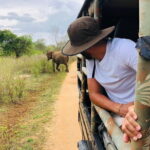
Elephants first, lessons second. This is a short, focused outing that pairs Udawalawe National Park (famous for steady elephant sightings) with a stop at the Elephant Transit Home, where orphaned calves are rehabilitated. I love how reliable Udawalawe feels for seeing elephants, since the park holds about 500 and herds can reach up to 100. I also love the chance to watch young elephants during feeding at Elephant Transit Home, even though you’re viewing from a platform rather than “getting close.”
The ride is part of the fun: the 4×4 jeep keeps the group small (max 6), and the driver can be your tracker too, with real bird-and-reptile spotting skills tied to guides like Lahiru. One consideration: at the transit home you won’t be able to approach the elephants up close—you’re watching from designated areas during feeding hours.
In This Review
- Key highlights you’ll actually feel
- Udawalawe in a 4-Hour Shot: What Makes This Feel Worth It
- Price and Value: Why This Usually Feels Like a Bargain
- 4×4 Safari Logistics: Pickup Radius, Group Size, and What to Bring
- Stop 1: Udawalawe National Park Elephant Watching That Stays Consistent
- Morning odds vs afternoon photos
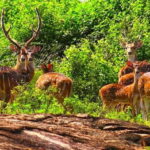
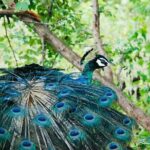
- What you might see besides elephants
- The guide effect: why Lahiru-style tracking matters
- Stop 2: Elephant Transit Home Feeding Hours and Why Watching From a Platform Works
- Feeding time: what to expect
- Why it pairs well with the safari
- Animals Are the Goal, but Comfort and Timing Keep You Happy
- Who Should Book This (and Who Might Skip It)
- Practical Tips for Getting the Best Day
- Should You Book This Udawalawe Safari + Elephant Transit Home Stop?
- FAQ
- How long is the safari and Elephant Transit Home visit?
- What is included in the price?
- Do I need to pay separately for the Elephant Transit Home admission?
- Is pickup available from hotels?
- When is the best time to see elephants in Udawalawe?
- Can I get close to elephants at the transit home?
- Is this tour private?
- What happens if the weather is bad or I need to cancel?
Key highlights you’ll actually feel
- Udawalawe elephant consistency: about 500 elephants, often in big herds (sometimes up to 100).
- Morning vs afternoon strategy: mornings are best for herds; afternoons can give you sunset photo time.
- Small-jeep safari flow: max 6 passengers per vehicle means fewer people between you and the view.
- Elephant Transit Home feeding hours: you see calves at feeding from a viewing platform.
- More than elephants: you can also spot water buffalo, deer, jackal, mongooses, macaques, and gray langers, plus reptiles and birds.
- Guide spotting power: guides such as Lahiru are known for quick eyes for things like eagles, kingfishers, and even a well-camouflaged vine snake.
Udawalawe in a 4-Hour Shot: What Makes This Feel Worth It

Udawalawe works because it’s built for results. In a place known for elephants, you’re not stuck watching from one fixed spot hoping for the best. Instead, you’re out in a 4×4 jeep, moving through the park with an experienced driver/tracker who helps you line up sightings.
What makes this outing especially good value is the second half. The Elephant Transit Home (also called Udawalawa Ath Athuru Sewana) adds meaning to the safari. Elephants are the headline in Udawalawe, but at the transit home you get the rehab story: young calves cared for after becoming orphaned, then released back into the wild. It’s not a zoo vibe, and it’s not a walk-through fantasy. It’s closer to a working conservation facility, and that difference matters.
Timing also matters here. Morning tends to bring better odds for spotting herds, while afternoon can reward you with sunset light for photos. If you care more about animals than golden-hour color, plan around the morning departures. If photos are a top priority, afternoon can make you happier.
Other Udawalawe safari tours we've reviewed in Udawalawa
Price and Value: Why This Usually Feels Like a Bargain
.jpg)
At about $27.50 per person for roughly 4 hours, you’re paying for a package that normally costs more when broken into pieces: a 4×4 jeep safari, an elephant-focused stop at the transit home, and entrance fees/taxes that are handled for you.
Here’s the real value breakdown:
- You’re in a small jeep (maximum 6 passengers), which helps visibility and keeps the outing from turning into a slow-moving crowd.
- An experienced driver also acts as your tracker, which is a big deal in wildlife areas where good sightings are often about finding the right patch of habitat at the right moment.
- You get one mineral water bottle per person, so you’re not immediately scrambling for hydration when you’re out in the park.
- The Elephant Transit Home visit is part of the experience, and it’s described as free for admission during the stop.
One note to keep expectations realistic: food and drinks are not included. That’s totally normal for a half-day safari, but it means you should budget for snacks and plan accordingly. Also, entrance fees are listed as included if you choose the option that includes jeep tickets—so confirm what you’re selecting when you book.
4×4 Safari Logistics: Pickup Radius, Group Size, and What to Bring
.jpg)
This tour runs in a tight time window, so logistics are practical. Pickup and drop-off are included within 5 km of the park gate and Udawalawe area. If you’re farther away than that, hotel pickup/drop-off outside the 5 km radius isn’t included. For many people staying nearby, that makes the day smooth and stress-free.
You’ll travel in a 4×4 jeep with a maximum of 6 passengers. That smaller group size is more than a comfort perk. It also helps the driver space vehicles and choose routes without constantly negotiating around a big crowd.
What to bring:
- Sun protection (Udawalawe is open and you’re out for several hours).
- Simple snacks, since food isn’t included.
- Your camera gear if you’re aiming for elephant herd moments or afternoon sunset shots.
- A light layer if you’re sensitive to cooler morning air.
If you get a guide with strong bird-and-reptile skills (Lahiru is a name that comes up), you’ll also want to be ready for quick surprises. Spotting isn’t just about elephants.
Stop 1: Udawalawe National Park Elephant Watching That Stays Consistent
.jpg)
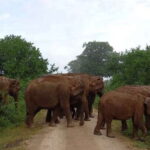
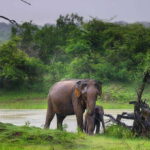
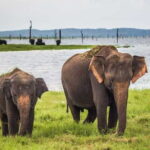
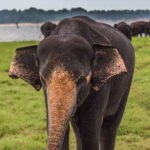
Udawalawe is known for a huge elephant population, and the reason people keep coming back is the consistency. The park has about 500 elephants, and they’re often seen in herds of up to 100. That’s why planning a safari here feels different from some places where you’re basically gambling on wildlife encounters.
Morning odds vs afternoon photos
If you want the best chance at elephant herds, morning departure is the smart move. It’s when the park tends to give you more active sightings. Afternoon can still be excellent, but it’s better framed as a photography window—especially if you’re after sunset vibes with elephants in the scene.
A few more Udawalawa tours and experiences worth a look


What you might see besides elephants
Elephants are the star, but Udawalawe can be busy in other ways. Depending on where you go and what the animals are doing that day, you might spot:
- water buffalo
- wild boar
- spotted deer and sambur deer
- jackal and other small carnivores
- sambar
- black-naped hare, foxes
- mongooses and bandicoots
- birds like the type you might see around water and open patches
- endemic toque macaque
- gray langers
And yes, there’s always a chance for bigger “wow” moments. One safari highlight described quick spotting of things like crocodiles and even a well-camouflaged vine snake. You could also encounter sightings that point to predators or less-common mammals—so if you’re the type who likes to scan for movement and textures, you’ll enjoy Udawalawe.
The guide effect: why Lahiru-style tracking matters
When your driver/tracker has a sharp eye, the safari stops feeling random. A guide named Lahiru is described as highly enthusiastic, extremely observant, and able to spot smaller wildlife—like eagles and kingfishers—along with reptiles such as a vine snake and crocodiles. That kind of attention can change your whole experience. Even if elephants are the main goal, you’ll likely come away feeling you saw more than just big animals at a distance.
Stop 2: Elephant Transit Home Feeding Hours and Why Watching From a Platform Works
.jpg)
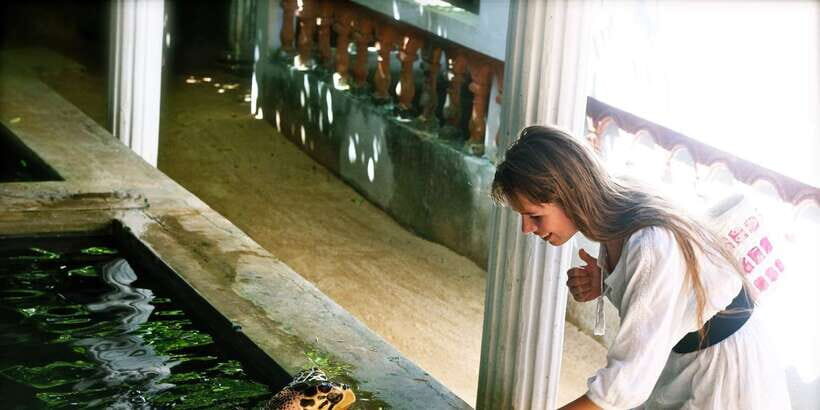
The Elephant Transit Home (Udawalawa Ath Athuru Sewana) is inside Udawalawe National Park and was established in 1995 by the Sri Lanka Department of Wildlife Conservation. The goal is straightforward: rehabilitate orphaned elephant calves so they can eventually return to the wild.
This stop is special because it changes your perspective. You go from watching fully wild adults in the park to seeing the younger animals being supported through a carefully managed process. It’s not a close-up encounter where you touch or surround elephants. Instead, it’s designed around observation.
Feeding time: what to expect
During feeding hours, you can watch young elephants at the transit home from a viewing platform. That means:
- you won’t be up close in the way you’d imagine from a hands-on attraction
- you’ll still get memorable moments as calves feed and move around
- the viewing setup keeps the focus on the elephants rather than on visitors crowding them
If you like animal welfare stories and you want more than a drive-and-hope safari, this second stop is the part that often makes the day feel complete.
Why it pairs well with the safari
The park gives you the big-picture view: elephants as part of the wild ecosystem. The transit home gives you the human-managed side: the steps taken for calves that can’t be released immediately. Put together, it’s a short itinerary that connects wild life and conservation in a way that actually makes sense on the ground.
Animals Are the Goal, but Comfort and Timing Keep You Happy
.jpg)
Udawalawe works best when you match expectations to reality. You’re not spending all day. You’re doing about 4 hours total, with the safari portion listed as roughly 3 hours and the transit home stop around 30 minutes.
That time structure affects how you plan your day:
- If you’re chasing maximum elephant viewing, choose morning and keep your schedule flexible so you don’t arrive rushed.
- If you’re more interested in photos and a slower light shift, afternoon can reward you, but don’t expect elephants to pose on cue.
Because food and drinks aren’t included, your comfort depends on what you bring. Even if your guide is helpful, don’t rely on extra provisions. Bring snacks and treat the mineral water bottle as a helpful bonus, not a meal replacement.
The good news: most travelers can participate, and the private group setup means you’re not stuck sharing the jeep with strangers. Only your group goes along, which helps conversations stay focused and the drive feels more personal.
Who Should Book This (and Who Might Skip It)
.jpg)
This tour is a strong fit if you:
- want a half-day outing that’s built around elephants without a full-day commitment
- appreciate wildlife spotting beyond just the biggest animals
- like guides who can read the park and spot movement quickly (especially birds and reptiles)
- care about conservation context, not just sightseeing
It might be less ideal if you:
- expect a very close, hands-on elephant experience (you won’t get that at the transit home)
- need frequent long stops or a relaxed schedule with lots of time off-vehicle
- are traveling without any flexibility, since the safari experience depends on animal movement and good weather
Practical Tips for Getting the Best Day
.jpg)
A few small choices can make a noticeable difference:
- If you can, favor morning for herd sightings.
- If you’re a photographer, consider afternoon for sunset light while still staying alert for wildlife movement.
- Bring a small snack and plan hydration; the tour includes one water bottle, but food isn’t part of the package.
- Wear comfortable clothes for a jeep ride. You’ll likely be repositioning your body for views and quick scanning.
- If you’re excited about reptiles and birds as well as mammals, you’ll get more from the experience when you slow down mentally and watch for subtle motion.
Also, if your guide is someone like Lahiru in spirit—quick eyes, strong explanations, and fast scanning—ask them what they’re watching for. That turns the safari from passive viewing into an active lesson in how to see.
Should You Book This Udawalawe Safari + Elephant Transit Home Stop?
.jpg)
I think it’s a “yes” for most people who are prioritizing elephants but still want the day to feel meaningful. The combination is efficient: big-wildlife time in Udawalawe, then the rehab story at Elephant Transit Home during feeding hours.
Book it if you’re happy with a half-day schedule, you want a small-group 4×4 safari, and you understand that the transit home viewing is from a platform—not a close encounter. Skip or consider another format if you’re specifically hunting for a long, leisurely wildlife day or you want more hands-on interaction.
If your main goal is to see elephants with good odds and leave with a conservation story that actually connects to what you saw in the park, this is a smart, cost-effective way to do it.
FAQ
How long is the safari and Elephant Transit Home visit?
The total experience is about 4 hours. The park safari portion is around 3 hours, and the Elephant Transit Home visit is about 30 minutes.
What is included in the price?
You get a 4×4 safari jeep (max 6 passengers), an experienced driver who also serves as a tracker, one mineral water bottle per person, the Elephant Transit Home visit, and entrance fees (if you select the option with tickets). Pickup and drop-off are included within 5 km of the park gate and Udawalawe, plus taxes and service charges.
Do I need to pay separately for the Elephant Transit Home admission?
Admission tickets for the Elephant Transit Home stop are listed as free, and the visit is included as part of the experience.
Is pickup available from hotels?
Pickup and drop-off are included within 5 km of the park gate and Udawalawe. Hotel pickup/drop-off outside that radius isn’t included.
When is the best time to see elephants in Udawalawe?
Morning departures usually give you a better chance of seeing herds of elephants. Afternoon departures can still be great, especially if you want sunset photo opportunities.
Can I get close to elephants at the transit home?
No. You can watch elephants during feeding hours from a viewing platform, but you cannot get up close and personal.
Is this tour private?
Yes. It’s listed as private, meaning only your group participates.
What happens if the weather is bad or I need to cancel?
The experience requires good weather. If it’s canceled due to poor weather, you’ll be offered a different date or a full refund. Cancellation is free up to 24 hours in advance for a full refund.