Elephants set the tone fast. This Udawalawe day trip is a simple plan with big payoff: you get a private pickup from Ella, Mirissa, or Tangalle, then a jeep safari aimed at close wildlife encounters. I especially like the combination of an English-speaking chauffeur plus an on-the-ground safari driver/spotter, and I like how often elephant country shows up alongside other animals. One thing to factor in: park entrance tickets aren’t included, and you’ll be in the car for a long stretch, so plan meals and snacks ahead.
Here’s the other part that makes it feel worth it. You’re not just chasing one species. Udawalawe’s settings (30,821 hectares) make it a good day for elephants, but also for birds and smaller mammals you might miss on a rushed itinerary. The potential downside is timing: you start at 11:30 am and return by 7:30 pm, so the later safari hours mean wildlife sightings are always possible but never guaranteed.
In This Review
- Key points before you go
- Udawalawe’s elephant country, minus the circus
- The pickup drive: where the day is won or lost
- Inside the safari: what you’re really looking for
- Elephants and the supporting cast
- Birdwatching opportunities you can actually use
- Jeep safari setup: comfortable, focused, not overly scripted
- Price and value: is $75 fair for this day?
- The schedule: what “11:30 to 7:30” means for your comfort
- What’s included vs. what you need to handle
- Best fit: who should book this safari
- Booking window and weather reality (keep this in mind)
- Should you book Udawalawe from Ella, Mirissa, or Tangalle?
- FAQ
- What time does the safari start?
- When will I be back at my hotel?
- How long is the tour?
- Is hotel pickup and drop-off included?
- What’s included in the safari itself?
- Do I need to pay park entrance tickets?
- What about food during the day?
- What if the weather is bad?
Key points before you go

- Elephant-heavy focus: Expect chances at huge herds, not just a single lucky sighting
- Birdwatcher friendly: You might spot endemic and migrated birds like Sri Lankan Jungle Fowl, Spur Fowl, and Green Pigeon
- English support on the road: English-speaking chauffeur and safari driver help the day run smoothly
- Jeep safari format: Jeep with driver only keeps the emphasis on spotting, not a guide script
- Comfortable pickup: Air-conditioned vehicle and door-to-door hotel pickup from Ella, Mirissa, Tangalle
Udawalawe’s elephant country, minus the circus
.jpg)
Udawalawe National Park is famous for elephants, but what I like about this safari setup is that it treats elephants as the headline without pretending you’ll control the show. The park environment is described as undisturbed and pristine, and that matters because you tend to see wildlife in more natural, believable behavior—moving between feeding areas and water.
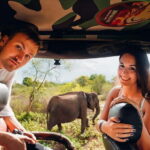
From the start, the day is designed around a high-probability wildlife window. You’ll be heading into the park with a safari driver who knows how to work a jeep session for sightings. And because this is a private tour for your group (not a mass bus scramble), the vehicle dynamic stays calmer. That makes it easier for you to actually watch instead of constantly re-positioning.
Other Ella tours we've reviewed in Udawalawa
The pickup drive: where the day is won or lost
.jpg)
You leave your hotel at 11:30 am from Ella, Mirissa, or Tangalle with an English-speaking chauffeur. Then it’s a long, direct transfer toward Udawalawa. You’ll be traveling in an air-conditioned vehicle, which is a real quality-of-life detail in Sri Lanka’s heat.
This kind of schedule is common for Udawalawe because the park sits away from the coast and hill towns. The value here is that you don’t have to solve transportation yourself. Door-to-door pickup means you skip the hassle of coordinating buses or taxis mid-day, especially if you’re coming from beach areas like Mirissa or Tangalle.
One practical consideration: your day starts late morning and stretches into evening (you’re back by 7:30 pm). If you’re the type who needs a solid meal before a long drive, eat earlier or plan snacks. Food and beverages aren’t included, so you’ll be relying on what you bring or what you can buy on your own.
Inside the safari: what you’re really looking for
.jpg)
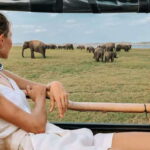
The heart of the tour is one jeep safari inside Udawalawe. You’re not promised a fixed “animal checklist” (that’s wildlife), but the park’s mix of grassland and wet areas gives you a decent spread of species to watch for.
Elephants and the supporting cast
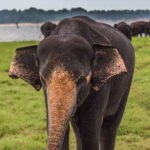
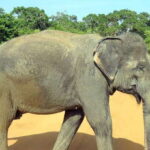
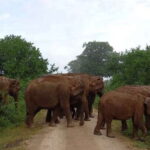
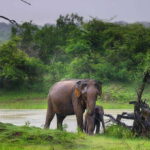
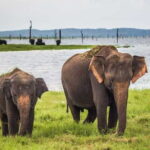
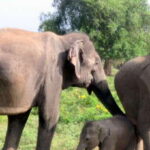
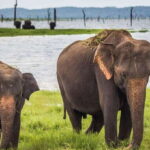
Elephants are the main event, and the goal of the jeep session is to get you close enough for good viewing. This is where Udawalawe feels special: you’re aiming for huge herds rather than a rare cameo.
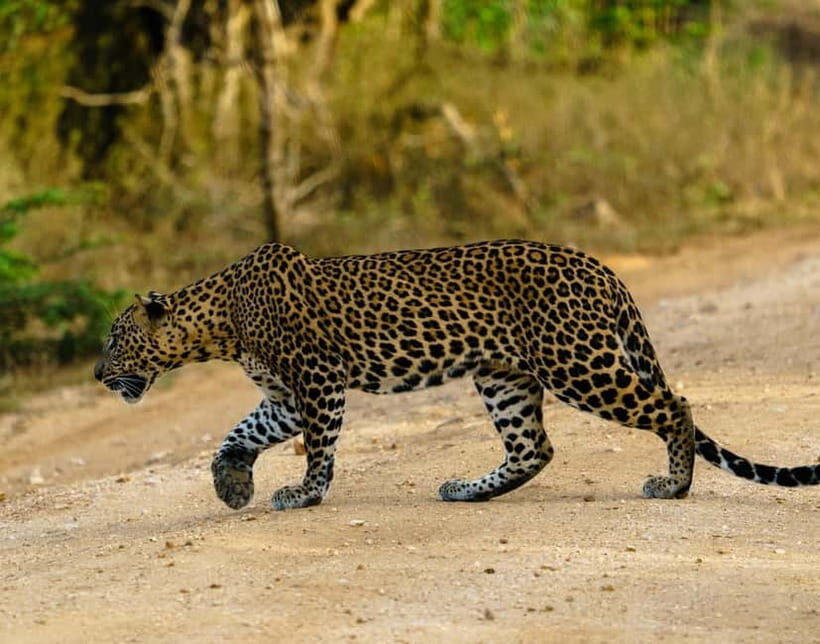
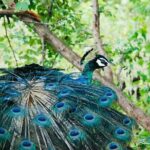
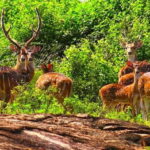
In addition to elephants, you may see water buffalo and spotted deer, plus predators and scavengers that make the scene feel alive—jackal and other animals depending on where the driver takes you. Some sightings people talk about from this kind of outing include crocodile, monitor lizard, and peacocks. Even if you don’t catch every one of those, the point is that Udawalawe isn’t single-species. It’s a full ecosystem day.
Birdwatching opportunities you can actually use
If you like birds, this safari has a useful edge. Udawalawe is highlighted as good for both endemic and migrated birds, and you may have the chance to spot species like Sri Lankan Jungle Fowl, Spur Fowl, and Green Pigeon.
Birdwatching can be tricky on safaris because people rush and forget to slow down. Here’s how to get more out of it: keep your eyes moving between the treeline, open edges, and any areas where wildlife clusters. Birds show up differently than elephants. You’ll often notice activity before you see the bird—movement in branches, quick calls, or sudden stillness around a feeding spot.
Other Mirissa tours we've reviewed in Udawalawa
Jeep safari setup: comfortable, focused, not overly scripted
.jpg)
This tour includes 1 Jeep Safari in Udawalawe National Park. The listing describes it as a jeep with driver only. That doesn’t mean “no one helps”—it means the driver’s role is centered on maneuvering and spotting, while you handle the observing.
Here’s why I think this works well. If you’re on a wildlife safari, you don’t want constant talking. You want your attention where it matters: body language, tracks, dust clouds, and where animals are moving next. When the vehicle is focused on spotting instead of entertainment, you can actually enjoy the rhythm of the park.
There’s also a water bottle per person, which is a small but smart inclusion. It helps you stay comfortable during the safari part of the day, especially when sightings take longer than you expected.
Price and value: is $75 fair for this day?
.jpg)
At $75.00 per person, the value depends on how you measure “day trip costs.”
What you’re getting for that price:
- Hotel pickup and drop-off from Ella, Mirissa, or Tangalle
- Air-conditioned transport with an English-speaking chauffeur
- A private setup for your group
- A jeep safari session inside Udawalawe
- A water bottle per person
What’s not included:
- Udawalawe National Park entrance tickets (paid in cash)
- Food and beverages
- Gratuities
When you compare this to piecing everything together yourself (especially transportation plus a safari vehicle), it’s usually a reasonable deal—particularly if you’re traveling in a small group and want everything bundled. The main cost shock risk is the entrance tickets, since you’ll need cash on hand when you arrive.
My rule: if you’re already planning to see elephants anyway, this package is a practical way to do it without spending your vacation time organizing logistics.
The schedule: what “11:30 to 7:30” means for your comfort
.jpg)
This tour starts at 11:30 am and returns by 7:30 pm, with the safari inside Udawalawe as the central activity. Since the overall duration is listed as about 7 hours (approx.), the day will feel like a full outing even if it doesn’t last all day.
For you, that means:
- You should plan a late-morning start without expecting breakfast-from-home
- Bring water, and treat your water bottle as part of your comfort plan
- Decide how you’ll handle meals since food isn’t included
If you’re prone to getting cranky after a long car ride, bring something small: snacks, a light drink, and anything that makes the seat time easier. You’ll enjoy the safari more if you’re not tired before you even reach the park.
What’s included vs. what you need to handle
.jpg)
This is where you can avoid most “oops” moments.
Included:
- Pickup and drop-off from hotels in Ella, Mirissa, Tangalle
- Transport in an air-conditioned vehicle
- English-speaking chauffeur and safari driver
- Jeep safari entry inside the park (vehicle with driver)
- Water bottle per person
Not included:
- Entrance tickets for Udawalawe National Park (paid in cash)
- Food and beverages
- Gratuities
Simple tip: keep some cash set aside specifically for the entrance fee. Also, don’t rely on buying a full meal at the last moment unless you’re comfortable figuring it out on the fly.
Best fit: who should book this safari
.jpg)
I’d point this tour toward travelers who:
- Want an elephant-focused day without extra planning
- Prefer a private setup rather than joining a large group
- Enjoy birdwatching as a bonus activity, not just a side note
- Are fine with a long day that starts in late morning and ends in the evening
It also makes sense if you’re based in Ella, Mirissa, or Tangalle and want a wildlife day that doesn’t eat your entire travel schedule.
If you’re the kind of visitor who needs a tightly timed, urban-style experience with lots of structured narration, this may feel more hands-on and observation-driven than “tour guide talk.” But that’s also the charm for most people coming for the wildlife.
Booking window and weather reality (keep this in mind)
The experience is described as requiring good weather. That matters in Sri Lanka because rain can affect road conditions and park experience. If the safari can’t run due to poor weather, you’ll be offered a different date or a full refund.
Also, an average booking pattern shows people often reserve about 16 days in advance. If you’re traveling around a busy season or on specific dates, it’s smart to lock it in earlier rather than wait.
Should you book Udawalawe from Ella, Mirissa, or Tangalle?
I’d say yes if your goal is a straightforward, wildlife-first day with minimal logistics. The big strengths are the elephant possibility, the birdwatching angle, and the fact that transport and safari vehicle are handled for you. The English-speaking chauffeur support also helps when you’re spending hours on the road and want the day to feel smooth.
Skip it or plan carefully if you hate long car rides, or if you don’t want to think about extra costs like entrance tickets and meals. This works best when you treat it as a day outdoors: bring water/what you need, keep expectations flexible, and spend your energy on watching.
If that sounds like your style, Udawalawe is exactly the kind of trip that turns a single day into a memorable wildlife story.
FAQ
What time does the safari start?
Pickup starts at 11:30 am from hotels in Ella, Mirissa, or Tangalle.
When will I be back at my hotel?
You’ll return to your hotel by 7:30 pm.
How long is the tour?
The duration is listed as about 7 hours (approx.), covering travel and the safari time.
Is hotel pickup and drop-off included?
Yes. Pickup and drop-off from hotels in Ella, Mirissa, and Tangalle are included.
What’s included in the safari itself?
The tour includes 1 Jeep Safari in Udawalawe National Park, described as a jeep with driver only, plus a water bottle per person.
Do I need to pay park entrance tickets?
Yes. Udawalawe National Park entrance tickets are not included and must be paid in cash.
What about food during the day?
Food and beverages aren’t included. Plan for meals/snacks on your own.
What if the weather is bad?
The experience requires good weather. If it’s canceled due to poor weather, you’ll be offered a different date or a full refund.