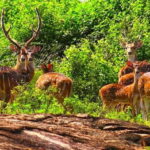
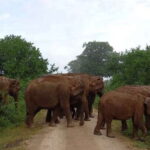
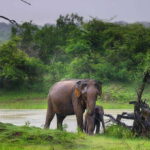
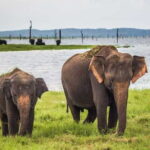
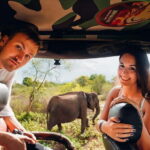
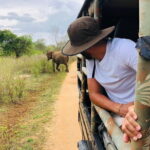
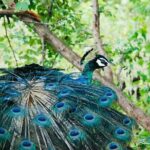
Udawalawe feels close enough to touch. In this 2-day trip, you base yourself at Mahoora Tented Safari Camp, right by Udawalawe National Park, where the wildlife action is the main event. I love the clear focus: two guided safaris plus time walking near the park boundary in an area known for elephants, birds, and even the occasional big cat. I also like that the stay is all-inclusive, with meals, beverages, and that candlelight campfire dinner under the stars.
There is one practical catch to think about before you book: pickup and timing need to be crystal clear. The camp and staff get solid praise, but at least one past stay flagged confusing pickup instructions. If you do your homework on the exact meeting point and pickup time window, you’ll avoid most of the stress.
In This Review
- Key things to know before you go
- Udawalawe National Park’s Wet-Dry Boundary and Why Elephants Here Feel Different
- Mahoora Tented Safari Camp Glamping: Real Outdoors, Still With Comfort
- Day 1 Safari at Udawalawe: Evening Game Drive and an Easygoing Camp Night
- Day 2: The Park Border Walk and One More Wildlife Shot
- Price and Value: What You’re Actually Paying For at $268
- Wildlife Reality Check: Elephants, Birds, and the Leopard Maybe
- What the Guided Walking Adds (and What It Demands From You)
- Practical Tips: Timing, Night Comfort, and Photo-Ready Planning
- Who This Safari Is Best For (and Who Should Skip It)
- Should You Book This Udawalawe Border Glamping Safari?
- FAQ
- How long is the Udawalawe glamping safari?
- What is the price per person?
- What does the tour include for meals and drinks?
- What safari activities are included?
- Are park fees, jeep, and tracking costs included?
- What is not included?
- Are there any age or child pricing rules?
- What is the cancellation refund cutoff?
Key things to know before you go
- Sleep bordering the park at a glamping camp that’s built for wildlife watching, not city comfort
- Naturalist-guided safaris with entrance fees, jeep use, and tracker costs included
- Campfire dinner + dark-sky moments, including the chance to see the Milky Way at night
- A park-edge walking experience that gets you closer than a vehicle alone
- Small group size (max 4), which usually makes the day feel less rushed and more personal
- All meals and water covered, so you can spend your energy on the animals
Udawalawe National Park’s Wet-Dry Boundary and Why Elephants Here Feel Different

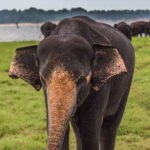
Udawalawe National Park sits on the line between Sri Lanka’s wetter and drier zones. That matters because it helps create strong habitat for elephants year-round, and it keeps wildlife activity varied through the day. The park is famous for elephants, with around 400 elephants in the area (and that’s the big reason most people come).
On this safari, you’re not just doing a quick drive-by. You’re staying at a glamping camp that borders the park, so you’re spending real time in the same wild rhythm as the resident animals. That changes the feel of the experience. Instead of rushing from hotel to jeep, you get the slow build: a safari, dinner, and then more chances at sightings when light changes.
Udawalawe is also an excellent bird destination. Even when elephants are quiet, there’s usually motion—small calls, sudden wing flutters, and the occasional bird perched where you can actually see it. And yes, the tour notes that you might even spot leopard. You should treat that as a bonus, not a guarantee, but the park does have a reputation for surprises.
Other Udawalawe safari tours we've reviewed in Udawalawa
Mahoora Tented Safari Camp Glamping: Real Outdoors, Still With Comfort
.jpg)
“Mahoora Tented Safari Camp” is the place you’ll call home for the night. The big appeal is the blend of camping energy with enough structure to keep the trip comfortable: you’ll have an overnight stay in a glamping tent bordering the park, plus dinner and breakfast included in the stay.
I like that the camp experience isn’t only about sleeping. You get a magical candle light dinner setting under the stars around the campfire. That’s exactly the kind of detail that turns a wildlife trip into a memory you’ll still be talking about later. One night-sky highlight that’s been specifically mentioned is seeing the Milky Way—when conditions are right, Udawalawe’s darkness can be a real show.
The camp setup also fits the practical side of safari travel. You won’t be running around looking for meals or dealing with extra cash during the day. Included bottled water and unlimited water during the safari mean you can focus on watching rather than thinking about hydration.
One thing to keep in mind: this is not a resort designed for perfect indoor warmth. The additional info specifically points out warm, windy, rainy conditions, so pack for changeable weather even if the day starts sunny.
Day 1 Safari at Udawalawe: Evening Game Drive and an Easygoing Camp Night
.jpg)
Day 1 is built around the first major wildlife push. You’ll start at Udawalawe National Park (meeting point is listed at CVQQ+9FH, 7th Mile Post area), and you’ll do a 6-hour day that includes admission and the first safari experience.
This first day emphasizes the evening safari. The package includes an evening safari in the park, with all the essential logistics handled: entrance fees, jeep use, tracker support, and the naturalist guide. In elephant country, timing is everything, and evening drives often give you the kind of sightings people came for—when the light softens and animals move to feed or travel.
What makes this setup good for you is the structure. Because the park and tracker fees are included, you don’t have to wonder what’s covered and what requires an add-on. You also get unlimited water during the safari, which helps a lot in Sri Lankan heat (and it makes the day feel less like a checklist).
After the safari, you’ll be transported back to the glamping site. Then the evening shifts from jeep windows to camp atmosphere. Dinner is served as a campfire experience under the stars, and that’s where the trip often turns emotional. The air is cooler, the sky gets darker, and you’re surrounded by the quiet that only a remote wildlife area can create.
If you’re choosing this trip for a photo moment, keep your expectations realistic: you’ll likely get stunning skies, but not every night will be equally clear. Still, the chance to see the Milky Way is a strong argument for booking.
Day 2: The Park Border Walk and One More Wildlife Shot
.jpg)
Day 2 continues with Udawalawe, but it pivots toward a walking experience at the park edge. You’ll spend about 1 hour on a guided walk along the Udawalawe National Park border. This kind of walk is different from a vehicle safari. You move slower, you listen more, and you notice animal signs—tracks, droppings, disturbed grass, and the small hints that animals are nearby even if you can’t see them instantly.
That closeness is one of the tour’s most valuable ideas. Elephants, birds, and other creatures don’t hold still for a timetable, and walking near the boundary can help you catch activity in the margins—when animals reposition or when birds get moving.
Your day is also structured by the included food plan. You’ll have breakfast on Day 2, and the tour notes that meals and beverages are included during your stay. That means you won’t end the experience feeling like you’re scrambling for your next meal.
One practical drawback to note: the tour includes transportation from the park to the glamping site after the safari, but transportation beyond the campsite on the second day is not included. So plan how you’ll handle your onward travel at the end of the tour. The listed end point is Big Game Camp in the Angunakolapelessa area.
Price and Value: What You’re Actually Paying For at $268
.jpg)
At $268 per person for about two days, this doesn’t look like a cheap add-on. But when you break down what’s included, it starts to make more sense.
You’re paying for:
- Two safari experiences with a naturalist guide and tracker support
- Jeep use and park-related fees
- All meals during your stay (dinner Day 1, breakfast Day 2) and beverages
- Water during safari (unlimited water plus bottled water during the day)
- Overnight glamping at a camp bordering the park
- A candlelight campfire dinner setting
The big value piece here is that the costs that usually creep up—park fees, tracker fees, and jeep logistics—are packaged into the experience. In a remote area like Udawalawe, that matters. You’re not coordinating multiple vendors, and you’re not trying to guess what’s required to enter the park or track wildlife effectively.
The other value point is time. A 2-day format gives you more chances than a single-day safari, especially because wildlife behavior changes by light. If elephants are quiet on one outing, you can often catch movement later.
For budgeting, remember the tour notes group discounts and indicates it’s typically booked around 56 days in advance, so if you’re flexible and want the best chance of availability, you’ll want to book earlier rather than later.
A few more Udawalawa tours and experiences worth a look
Wildlife Reality Check: Elephants, Birds, and the Leopard Maybe
.jpg)
You should come to Udawalawe with two attitudes: excitement and patience.
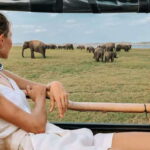
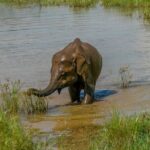
Elephants are the headline. The park is one of the best places to see wild elephants, and staying by the park boundary adds extra chances. Your guides and trackers are there to locate animals efficiently, but you still can’t control where elephants choose to feed and move.
Birds are a strong bonus. Even if you don’t get an elephant sighting every hour, bird activity can keep the day lively. The park is also described as offering a chance for leopard sightings. That’s a big ask, and you should treat it like a maybe. The right approach is: be ready for surprises, but don’t anchor your entire trip on one elusive animal.
Nighttime adds another layer. Evening safaris and guided walks can shift what you see. Even if sightings are not constant, you’ll experience different behavior patterns—sometimes animals move more, sometimes they stay hidden until they feel safe.
And here’s a small truth that helps: when you’re in a remote wildlife setting, the best day is usually the day you stop trying to force perfect conditions. The tour’s structure is built around that reality.
What the Guided Walking Adds (and What It Demands From You)
.jpg)
A guided walking component is not just a change of pace. It changes how you watch.
When you’re in a jeep, your view is framed—window to savanna. When you walk near the border, you’re reading the ground and the vegetation. That can make wildlife feel closer, because you’re not always relying on distance. You also tend to notice the ecosystem: the sound changes, the air feels different, and you’re more aware of wind and movement.
That said, walking near a remote park means you should be ready for practical conditions. The tour recommends insect repellent and sunscreen, plus personal effects for warm, windy, rainy conditions. Bring it all. Also pack sandals or walking shoes so you’re comfortable if the ground is uneven.
If you get motion sick easily, a safari jeep day can still be a factor—but the tour’s focus stays on wildlife and guiding rather than long, winding transfers.
Practical Tips: Timing, Night Comfort, and Photo-Ready Planning
.jpg)
A couple of practical details can make your trip smoother.
First, the tour’s listed opening hours are 2:00 PM to 6:00 PM (Monday to Sunday). That suggests the experience schedule is anchored around afternoon/evening activity, which matches the emphasis on evening safari time. If you’re arriving from elsewhere, build buffer time so you’re not rushing to meet a driver.
Second, pack for variability. The information explicitly calls out warm, windy, and rainy conditions. That means a light rain layer and something that helps with breeze can be worth it, even if you expect clear weather.
Third, think about night photos and night comfort. The campfire dinner and starry sky moments are part of the appeal. Wear layers you can handle outside. Keep a headlamp or small flashlight ready for tent use without blasting your eyes—darkness is your friend for stargazing.
Finally, take note of the group size. With a maximum of 4 travelers, the day can feel more flexible and less crowded. That’s great for attention and pace, but it also means your experience can be more sensitive to any confusion in meeting points. If you get clear pickup instructions, you’ll get the benefit of a small group with fewer headaches.
Who This Safari Is Best For (and Who Should Skip It)
.jpg)
This is a strong fit if you:
- Want elephant-focused wildlife time without doing the logistics yourself
- Like the idea of glamping that still feels genuinely outdoors
- Want guided safaris plus a walking component near the park boundary
- Appreciate a small-group setting (max 4 travelers)
- Care about included comforts like meals and water
It may not be the best match if you:
- Need highly predictable schedules with zero room for communication hiccups
- Expect a luxury hotel style of service at all times
- Don’t want to handle transport planning after Day 2, since onward transport beyond the campsite is not included
Should You Book This Udawalawe Border Glamping Safari?
I’d book this if your goal is a well-structured, wildlife-first stay at Udawalawe with real time near the park. The combination of evening safari, naturalist guidance, tracker fees handled, and an included campfire dinner under the stars is a compelling value package for two days in a remote region.
But do one thing before you commit: confirm your pickup details with clarity. This tour shines when the day runs smoothly, and at least one prior experience showed how confusing meeting instructions can turn a great location into unnecessary stress.
If you’re okay with a little outdoor unpredictability and you want your time in Sri Lanka to be about elephants, birds, and that night-sky magic, this is a very smart choice.
FAQ
How long is the Udawalawe glamping safari?
It’s approximately 2 days, with activities spread across two days at Udawalawe National Park and your overnight stay at Mahoora Tented Safari Camp.
What is the price per person?
The price is listed as $268.00 per person.
What does the tour include for meals and drinks?
The package includes breakfast and dinner (Dinner on Day 1, Breakfast on Day 2), plus beverages during your stay. It also includes unlimited water during the safari and bottled water throughout the day.
What safari activities are included?
You get two safari experiences led by a naturalist guide, including an evening safari. Guided daytime and nighttime walks are also included.
Are park fees, jeep, and tracking costs included?
Yes. Park and tracker fees are included, along with jeep support for the safari.
What is not included?
Transportation beyond the campsite on the second day is not included.
Are there any age or child pricing rules?
Children below 6 years sharing the parents’ tent stay free. Children between 6 and 12 sharing the parents’ tent pay 50%. Baby cots are available, and there are no age restrictions for children.
What is the cancellation refund cutoff?
You can cancel up to 6 days in advance for a full refund, with partial refunds possible for cancellations closer in time. Cutoff times are based on the local time of the experience.