REVIEW · UDAWALAWA
Udawalawe National Park Wildlife Safari Tours
Book on Viator →Operated by Kottawatta Safari Tours · Bookable on Viator
Elephants do not wait for perfect timing. This Udawalawe National Park safari is built around real wildlife viewing, with a guided ride that also explains what you’re seeing and why conservation matters. You’ll spend about 4 hours 30 minutes in the park area, using a jeep and enjoying bottled water along the way.
What makes this one feel especially practical is the format: a guided safari in the park, offered as a private activity for your group, with pickup and a mobile ticket. I like that it’s designed for first-timers and repeat safari fans alike, so you do not need specialist knowledge to get value from the experience.
One drawback to plan for: park entry can cost extra. The tour price is $40 per person, but entrance tickets are listed separately at $44 per person, even though one note says admission ticket free. I’d confirm the exact total before you go, so there are no surprises at the park gate.
In This Review
- Key highlights I’d circle before booking
- Udawalawe National Park and the reservoir story behind it
- How the jeep safari runs in real time (pickup, pace, and time limits)
- Meet your guide and see why the stories matter
- What you’re likely to see: elephants and bird species
- Udawalawe wildlife viewing with a conservation-respect lens
- Included essentials: jeep, bottled water, and a guide/driver
- Price and value: what $40 buys, and what to double-check
- Weather and how it affects your day on the ground
- Who this safari suits best (and who should think twice)
- Should you book Udawalawe National Park Wildlife Safari?
- FAQ
- How long is the Udawalawe National Park wildlife safari?
- Is pickup offered for this Udawalawe safari?
- Is this safari private or shared?
- What’s included in the price?
- Are entrance tickets included?
- Do I need an entrance ticket to Udawalawe National Park?
- Do I get a mobile ticket?
- What if the weather is bad?
- What is the cancellation policy?
Key highlights I’d circle before booking
- Taranga the driver gets praised for professional, experienced, on-the-spot wildlife know-how.
- 4.5 hours in a jeep is long enough for a real safari feel without eating your whole day.
- Udawalawe’s purpose: the park was created to protect animals displaced by the Udawalawe Reservoir project.
- Elephants plus birds means you’re not stuck only waiting for the big show.
- Private-group setup lets your guide tailor the pace and focus to your group.
- Bottled water is included, so you stay comfortable during the ride.
Udawalawe National Park and the reservoir story behind it
Udawalawe National Park sits on the boundary between the Sabaragamuwa and Uva provinces. It’s not just there to look pretty on a map. The park was created as a sanctuary for wildlife displaced by the construction of the Udawalawe Reservoir on the Walawe River, and to protect the reservoir’s catchment area.
That matters for your safari in a simple way: you’re not visiting a random animal zoo. You’re touring a protected area tied to habitat protection and a real conservation reason for existing. When your guide connects that story to what you see—especially elephants—it gives the day more meaning than a typical wildlife drive.
Other Udawalawe safari tours we've reviewed in Udawalawa
How the jeep safari runs in real time (pickup, pace, and time limits)
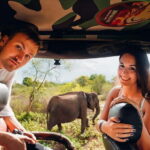
This experience is built as a guided jeep safari with about 4 hours 30 minutes total time. Pickup is offered, and you get a mobile ticket. That combination is useful if you’re trying to keep your day organized, since you’re not doing a complicated self-transfer puzzle before you even reach the park.
You should also understand the format: it’s a private tour/activity, so only your group participates. That usually helps because your guide can respond to what the group is interested in, rather than feeling like they have to herd everyone into the same checklist.
The one practical trade-off is time. A 4.5-hour window means you’ll focus on the best opportunities during that slot, not try to cover every corner of the park. If you’re the type who likes super-slow nature wandering, this is more structured and moving than that. But if you want a focused safari experience without a full day commitment, it’s a solid length.
Meet your guide and see why the stories matter
A big part of what makes this safari memorable is the guide/driver. The tour experience highlights a host with over 10 years of safari experience, and you’re not just riding along—you’re getting explanations about the local ecosystem and conservation efforts.
In the feedback you’ll read for this tour, driver Taranga is specifically mentioned as outstanding—professional, experienced, and very knowledgeable about what’s happening in the park. Even if you’re not looking for a lecture, a guide who can read the environment helps you spot wildlife sooner and understand what you’re actually seeing.
Here’s the value you can expect: the guide’s background turns random sightings into something you can interpret. Instead of only wondering what animal it is, you’ll know what behaviors to watch for and why the park environment supports them.
What you’re likely to see: elephants and bird species
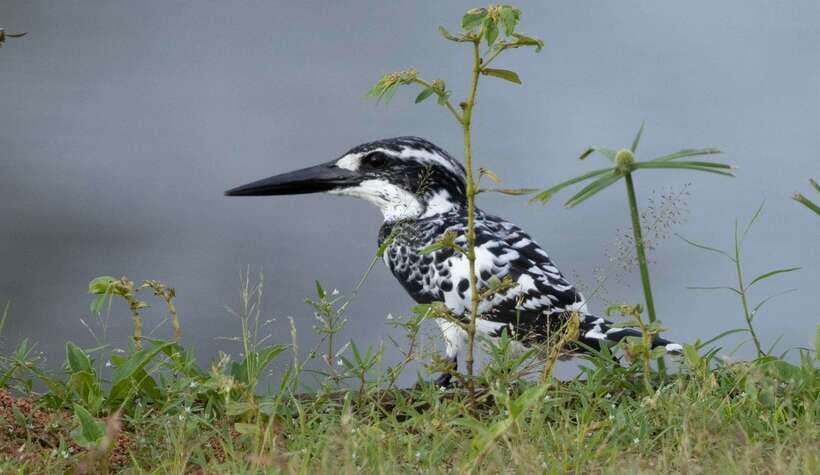
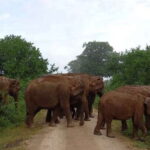
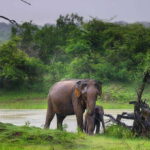
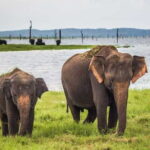
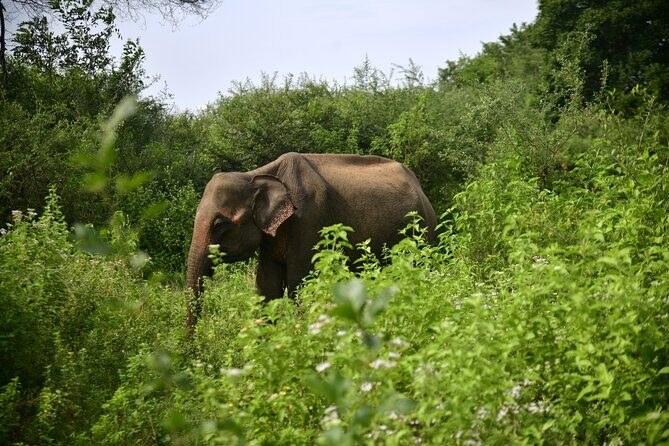
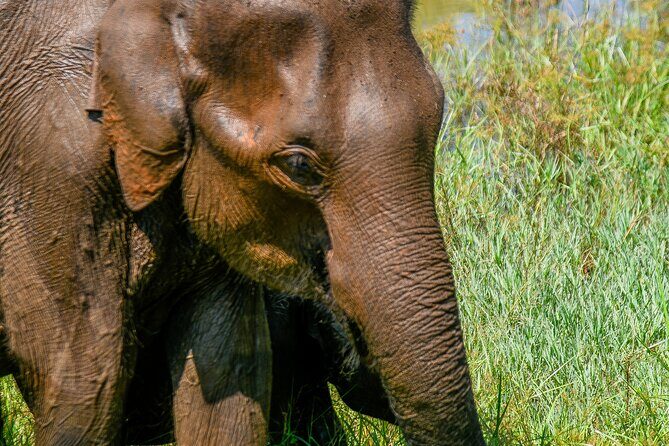
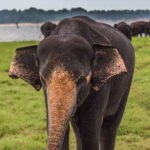
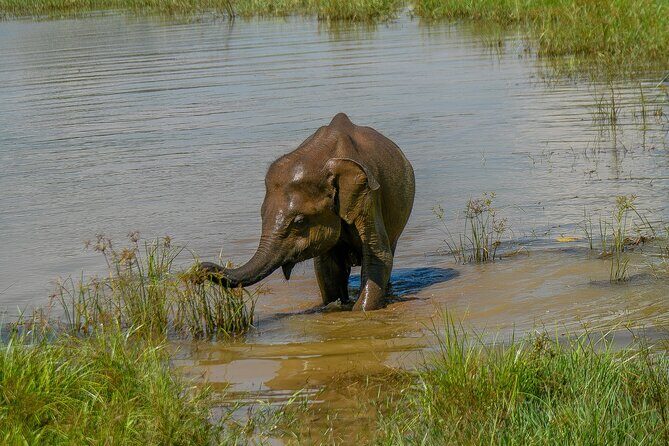
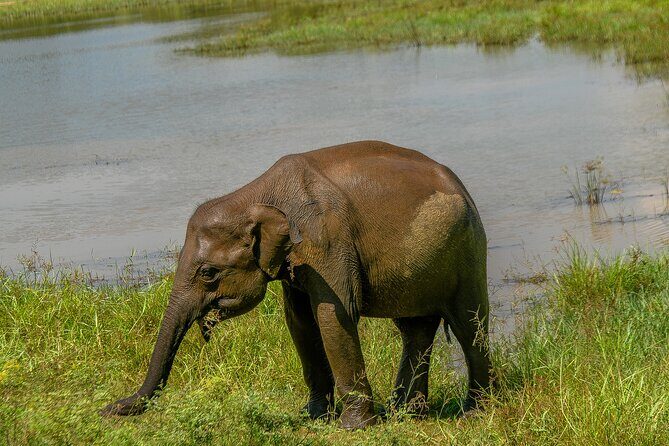
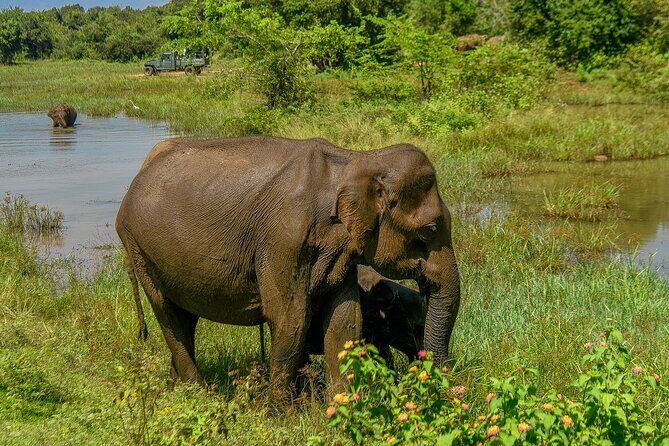
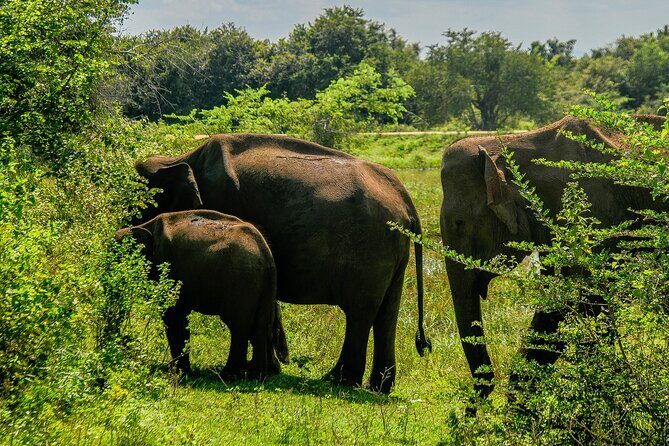
Udawalawe is strongly associated with elephants, and this safari is intentionally framed around them. The experience is designed to highlight majestic elephants along with diverse bird species in their natural habitat.
So how do you use that focus day-of? Go in with the mindset that you’re looking for signs, not just hoping for a perfect moment. Elephants can move, rest, feed, and gather, and the best sightings often come when you’re paying attention to the guide’s cues. Birds also reward patience, because you may spot activity first as motion or calls before you ever see the bird clearly.
I also like that the itinerary focus isn’t only mammals. Birdlife can be easier to enjoy even if elephant sightings come and go within your time window. It gives your safari more layers than a one-species hunt.
Udawalawe wildlife viewing with a conservation-respect lens
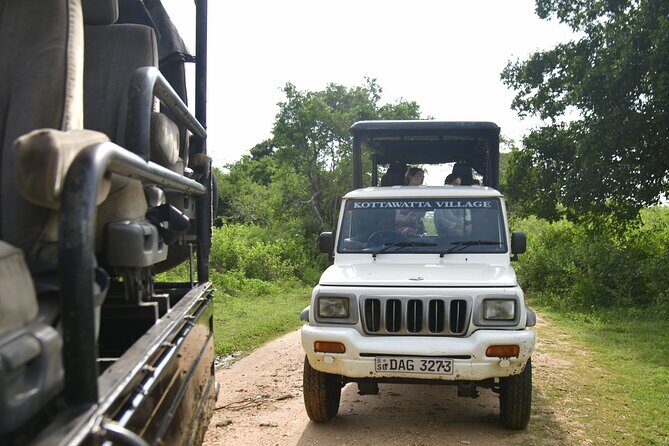
This safari is described as an ethical wildlife experience with an emphasis on respect for nature and conservation. That kind of framing is more than marketing language. It’s your signal that your guide is likely to keep the experience grounded in observation rather than disruptive behavior.
You’ll get the most from this style if you treat the safari like watching wildlife at work, not like taking selfies with background scenery. When a guide connects conservation to what you see in the park, you’ll understand why the sanctuary matters and how the ecosystem supports animals.
And because the park exists partly to protect catchment and displaced wildlife, the conservation angle fits the setting. It’s not an abstract theme; it’s tied to the park’s original purpose.
Included essentials: jeep, bottled water, and a guide/driver
You’re not just paying for a ride. The safari includes:
- Guide (driver)
- Jeep
- Bottled Water
Those inclusions matter because they remove small friction from your day. You don’t need to plan water. You don’t need to arrange your own vehicle. And you get the human component—your guide—who helps translate the park into something you can actually enjoy.
The only thing you’ll pay extra for is park entry. The pricing info lists entrance tickets at $44 per person (not included in the $40 tour price). Again, there’s a note saying admission ticket free, so I recommend confirming the exact park-entry arrangement when you book.
Price and value: what $40 buys, and what to double-check
At $40 per person for the tour, you’re paying for the guided safari experience: the jeep, the guide/driver, and bottled water. Then you likely pay park entry on top at $44 per person, based on the information provided.
If you treat it like a simple add-up, you’re looking at a bigger total than $40 alone. That’s not automatically bad. The value can still be strong because you’re getting a guided wildlife experience in a protected national park setting, with a private-group format and a driver who’s highlighted as a standout in reviews.
But here’s my practical advice: confirm whether you’ll pay the full $44 park ticket in addition to the $40, or if any part is covered. Because your information includes both a not-included entrance ticket price and a line that says admission ticket free, you want clarity before you arrive.
Weather and how it affects your day on the ground
This experience depends on good weather. If the safari is canceled due to poor weather, you’ll be offered a different date or a full refund. That’s important for planning because a safari day can turn into a wait-and-see situation when conditions aren’t right.
So build flexibility into your itinerary. If your travel schedule is tight and you only have one day in the area, you’ll want to consider a backup plan in advance. The good news is the option to change dates or get your money back reduces the risk.
Who this safari suits best (and who should think twice)
This is a strong fit if you want:
- A structured safari in a national park setting
- Elephant-focused wildlife viewing with birdlife added in
- A private group experience
- A guide who brings interpretive context
It’s also designed for travelers at different experience levels, from first-timers to seasoned wildlife people. If you’re new to safari-style travel, the guide’s ecosystem and conservation explanations will help you understand what’s happening instead of only reacting when you spot an animal.
I’d think twice if you’re looking for a long, slow, wandering-style nature day. This is a time-bounded jeep safari. If your ideal day is hiking and staying out for hours on foot, you may find this format too scheduled.
Also, if you get frustrated by uncertainty in weather-dependent plans, keep that in mind. You’re going into a protected area where conditions can matter for safety and enjoyment.
Should you book Udawalawe National Park Wildlife Safari?
Yes, you should book this safari if you want a practical, guide-led wildlife experience with elephants and birdlife, and you value a private-group setup. The guide/driver component is the biggest selling point here, and Taranga’s name coming up in the feedback gives you a hint that the day is likely to be guided with real care and attention.
Just do one thing before you commit: confirm the exact park-entry cost for your booking. The provided details include both a $44 entrance ticket amount and a confusing note about admission ticket free. You’ll feel much better once you know the total you’ll pay on the ground.
FAQ
How long is the Udawalawe National Park wildlife safari?
The safari lasts about 4 hours 30 minutes.
Is pickup offered for this Udawalawe safari?
Yes, pickup is offered.
Is this safari private or shared?
It’s private. Only your group will participate.
What’s included in the price?
The experience includes the guide (driver), a jeep, and bottled water.
Are entrance tickets included?
Entrance tickets are listed as not included at $44 per person. However, the itinerary also includes a note saying admission ticket free, so it’s worth confirming the exact entry cost when you book.
Do I need an entrance ticket to Udawalawe National Park?
Yes, park entry is part of what you plan for, and entrance tickets are listed as an extra cost.
Do I get a mobile ticket?
Yes, the tour includes a mobile ticket.
What if the weather is bad?
The experience requires good weather. If it’s canceled due to poor weather, you’ll be offered a different date or a full refund.
What is the cancellation policy?
You can cancel for a full refund up to 24 hours in advance. Within 24 hours, the amount paid is not refunded.